
Authentic New Orleans Beignets: Your Passport to Mardi Gras Flavor
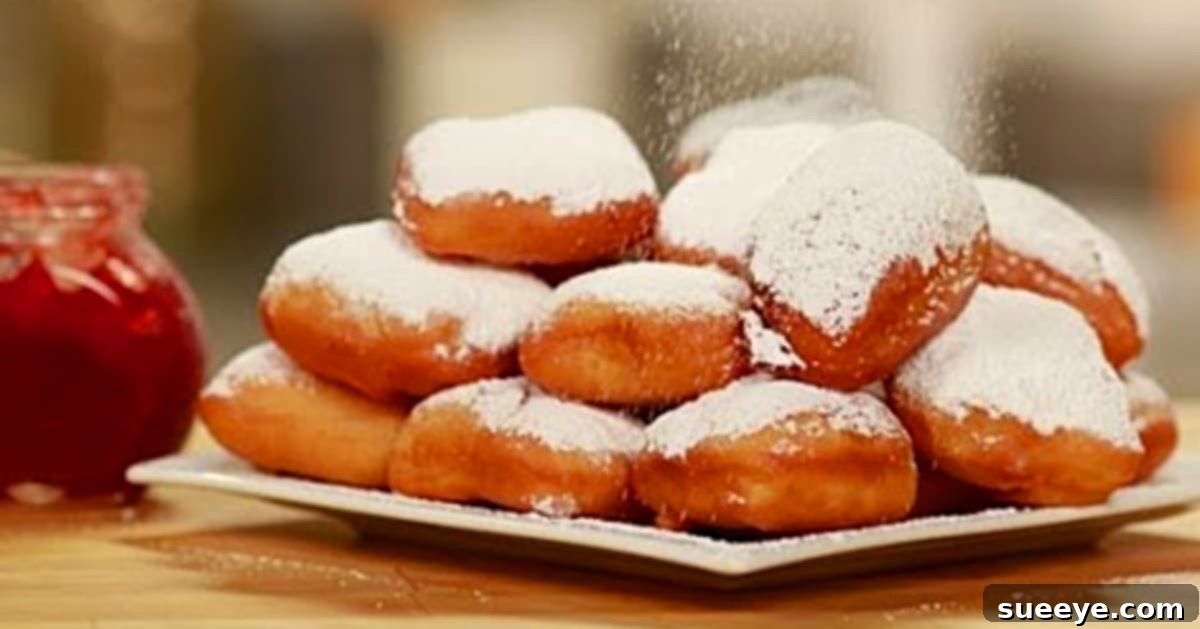
There’s an undeniable magic to the beignet, a culinary emblem of New Orleans that instantly transports you to the vibrant streets of the French Quarter, especially during Mardi Gras. The mere mention of these fluffy, square-shaped doughnuts, generously blanketed in powdered sugar, evokes images of jazz music, lively parades, and the iconic Cafe Du Monde. This comprehensive guide will walk you through creating these delightful treats in your own kitchen, allowing you to experience a taste of that legendary New Orleans charm whenever the craving strikes.
Our recipe captures the essence of the classic Cafe Du Monde beignet, featuring a delicate hint of lemon zest and freshly grated nutmeg that elevates the flavor beyond a simple fried dough. While the traditional powdered sugar topping remains a timeless favorite, we encourage you to explore creative variations to truly make this recipe your own. Get ready to embark on a delicious journey that culminates in a batch of warm, irresistible beignets, perfect for celebrations or a cozy morning treat.
What Are Beignets? A Taste of New Orleans History
Beignets (pronounced “ben-YAYS”) are a type of fried dough, often likened to doughnuts, but with a unique square shape and a characteristic airy texture. Their origins trace back to French cuisine, brought to Louisiana by French colonists and later by Acadians (Cajuns). Over centuries, they became deeply ingrained in New Orleans culture, particularly as a breakfast staple served with café au lait. The most famous purveyor, Cafe Du Monde, established in 1862, has made them globally renowned, solidifying their status as an essential part of the New Orleans experience. Beyond just a sweet treat, beignets symbolize the rich cultural tapestry and culinary heritage of the Crescent City, offering comfort and joy in every powdered sugar-dusted bite.
Why Make Homemade Beignets?
While a trip to New Orleans for fresh beignets is always a treat, making them at home offers an unparalleled experience. There’s immense satisfaction in creating these iconic pastries from scratch, filling your kitchen with the sweet aroma of yeast and frying dough. Homemade beignets ensure the freshest, most flavorful results, allowing you to enjoy them piping hot, straight from the fryer, just as they’re meant to be savored. This recipe brings the authentic Cafe Du Monde style right to your countertop, giving you control over the ingredients and the opportunity to customize them to perfection. It’s more than just baking; it’s about recreating a beloved memory and sharing a piece of New Orleans history with friends and family.
Ingredients for Authentic New Orleans Beignets:
Crafting the perfect beignet begins with a carefully curated list of ingredients. Each component plays a crucial role in achieving that signature fluffy texture and delightful flavor. Here’s what you’ll need:
- 1 1/4 oz envelope active dry yeast: Essential for the dough’s rise, ensuring a light and airy beignet.
- 3/4 cup warm water (105-115°F / 40-46°C): The ideal temperature to activate the yeast.
- 1/4 cup granulated sugar: Feeds the yeast and adds a touch of sweetness to the dough.
- 3/4 tsp salt: Balances the sweetness and enhances the overall flavor.
- 1 tsp finely grated lemon zest: Provides a bright, fragrant note that beautifully complements the richness of the fried dough. Freshly grated is key for maximum flavor.
- 1/2 tsp freshly grated nutmeg: Adds a warm, aromatic spice that is a hallmark of classic New Orleans beignets. Avoid pre-ground for superior taste.
- 1 large egg: Contributes to the richness, color, and structure of the dough.
- 1/2 cup whole milk: Adds moisture and fat, resulting in a softer, more tender crumb.
- 3 1/2 cups all-purpose flour (divided): The primary structural component, ensure it’s fresh for best results.
- 2 Tbsp unsalted butter (softened): Incorporates richness and tenderness into the dough.
- Oil for frying (vegetable, canola, or peanut oil recommended): Choose an oil with a high smoke point for safe and effective deep-frying.
- Confectioner’s Sugar (for dusting): The iconic final touch, providing a cloud of sweet elegance.
Directions: Step-by-Step Guide to Perfect Beignets
Follow these detailed instructions to create light, airy, and utterly delicious New Orleans beignets.
Step 1: Activate the Yeast and Start the Dough
In a large mixing bowl, combine the warm water, granulated sugar, and the active dry yeast. Gently stir to dissolve the sugar and yeast. Let this mixture stand undisturbed for about 5 to 10 minutes. This crucial step allows the yeast to activate, indicated by a foamy, frothy layer forming on the surface. If it doesn’t foam, your yeast may be old or the water temperature was incorrect, and you should start again with fresh yeast.
Once the yeast is active, add the salt, finely grated lemon zest, freshly grated nutmeg, large egg, and whole milk to the bowl. Stir these ingredients together until well combined. Then, gradually incorporate 1 1/2 cups of the all-purpose flour, mixing until a smooth batter forms. This initial mixing helps develop some of the gluten structure.
Step 2: Incorporate Butter and Remaining Flour to Knead the Dough
Next, add the softened unsalted butter to the mixture. Once the butter is mostly incorporated, begin adding the remaining 2 cups of flour, a half-cup at a time, mixing until the dough comes together and starts to pull away from the sides of the bowl. Turn the dough out onto a lightly floured surface. Knead the dough for approximately 8 to 10 minutes until it becomes smooth, elastic, and no longer sticky. Proper kneading is vital for developing the gluten structure that gives beignets their characteristic chewiness and airiness.
Step 3: First Rise (Proofing) and Shaping
Lightly oil a clean, large bowl. Place the kneaded dough into the oiled bowl, turning it once to coat the entire surface with a thin layer of oil. This prevents the dough from drying out. Cover the bowl loosely with plastic wrap or a clean kitchen towel. Find a warm, draft-free spot in your kitchen – perhaps an oven with just the light on, or a sunny countertop. Let the dough rise until it has visibly doubled in size, which typically takes about 1 to 1.5 hours, depending on the warmth of your environment. This first rise develops flavor and creates the airy texture.
Once doubled, gently punch down the dough to release the accumulated gases. Transfer the dough to a lightly floured surface. Using a rolling pin, roll the dough out evenly to a thickness of approximately 1/2 inch. Using a 1-inch round cutter (or a knife to cut squares), cut out your beignet shapes. Arrange the cut beignets on a lightly floured baking sheet, ensuring there’s a little space between each piece. Let them rise again, uncovered, for another 30 minutes. This second, shorter rise is crucial for achieving maximum puffiness during frying.
Step 4: Frying the Beignets to Golden Perfection
While the beignets are undergoing their second rise, prepare your frying setup. Pour enough oil into a medium pot or deep fryer to reach a depth of about 2-3 inches. Heat the oil over medium-high heat until it registers 350°F (175°C) on a deep-fry thermometer. Maintaining a consistent oil temperature is key to perfectly cooked beignets – too cool, and they’ll be greasy; too hot, and they’ll burn before cooking through.
Carefully drop a few beignets into the hot oil at a time, being careful not to overcrowd the pot. Fry them in small batches to maintain the oil temperature. Using a slotted spoon, constantly roll and turn the beignets in the hot oil. This ensures even cooking and promotes that beautiful golden-brown color on all sides. Each batch will typically take about 1 to 2 minutes to cook. They should puff up significantly during this process.
Step 5: Dust and Serve
Once golden brown and puffy, use the slotted spoon to carefully remove the fried beignets from the oil. Transfer them to a plate lined with paper towels to drain any excess oil. This helps keep them from becoming greasy. While still warm, generously sprinkle a cloud of confectioner’s sugar over your finished beignets. A sifter works wonderfully for an even coating. Serve them immediately to experience their fresh, warm, and fluffy perfection. Enjoy!
Tips for Beignet Perfection
Achieving bakery-quality beignets at home is within reach with a few expert tips:
- Don’t Rush the Rise: Allow your dough ample time to rise in a warm, draft-free environment. This is crucial for developing flavor and creating that signature airy texture.
- Monitor Oil Temperature: Use a deep-fry thermometer and maintain the oil at a consistent 350°F (175°C). Fluctuating temperatures can lead to greasy or undercooked beignets.
- Don’t Overcrowd the Fryer: Fry beignets in small batches to prevent the oil temperature from dropping too much. Overcrowding results in uneven cooking and greasy beignets.
- Freshly Grated is Best: For both lemon zest and nutmeg, always opt for freshly grated ingredients. The difference in aroma and flavor is truly noticeable and elevates the beignet’s taste profile.
- Generous Powdered Sugar: Beignets are traditionally served with a liberal dusting of confectioner’s sugar. Don’t be shy! A sifter can help achieve an even, beautiful coating.
- Serve Immediately: Beignets are best enjoyed hot and fresh, straight from the fryer. Their light texture and warm interior are unparalleled when served promptly.
- Dough Consistency: The dough should be soft and slightly sticky after kneading. If it’s too stiff, it won’t rise properly; if it’s too wet, it will be hard to handle. Adjust with a tiny bit more flour if necessary, but aim for a pliable, soft dough.
Creative Beignet Variations and Toppings
While classic powdered sugar is quintessential, don’t hesitate to get creative with your beignets:
- Chocolate Dipping Sauce: A warm ganache or chocolate sauce makes for a decadent pairing.
- Fruit Compote: Raspberry, strawberry, or peach compotes offer a delightful contrast of tart and sweet.
- Cinnamon Sugar: Mix granulated sugar with a touch of cinnamon for a different spiced dusting.
- Maple Glaze: A simple glaze made from maple syrup, powdered sugar, and a splash of milk can add a comforting sweetness.
- Savory Twist: For an unconventional take, omit the lemon zest and nutmeg, and serve with a spicy dipping sauce or a savory cheese spread. (Though this strays far from the New Orleans classic, it’s an option!)
- Different Shapes: While squares are traditional, you can also cut them into rectangles or even small circles for “beignet bites.”
The Mardi Gras Connection: Celebrate with Beignets
Mardi Gras, or Fat Tuesday, is a time of indulgence and celebration before the start of Lent. In New Orleans, beignets are an integral part of this festive period, often enjoyed as a traditional breakfast or a late-night treat after a parade. Making beignets for your Mardi Gras party or simply to celebrate the season brings a piece of that vibrant New Orleans spirit into your home. They embody the rich culinary traditions and joyful extravagance that define one of the world’s most famous festivals. So, gather your ingredients, put on some jazz music, and let the good times roll with a batch of these glorious golden pillows!
Conclusion: Bring the Spirit of New Orleans Home
From the first hint of yeast activating to the final generous dusting of confectioner’s sugar, making these New Orleans beignets is an incredibly rewarding experience. Each bite transports you to the lively streets of the French Quarter, reminiscent of warm mornings at Cafe Du Monde or vibrant Mardi Gras celebrations. This recipe is more than just instructions; it’s an invitation to recreate a cherished piece of culinary history, to savor the simple joy of a perfectly fried, fluffy beignet. Whether you’re celebrating a special occasion or simply craving a taste of something extraordinary, these homemade beignets are sure to delight. So go ahead, don’t just reminisce – create those wonderful memories right in your own kitchen.