
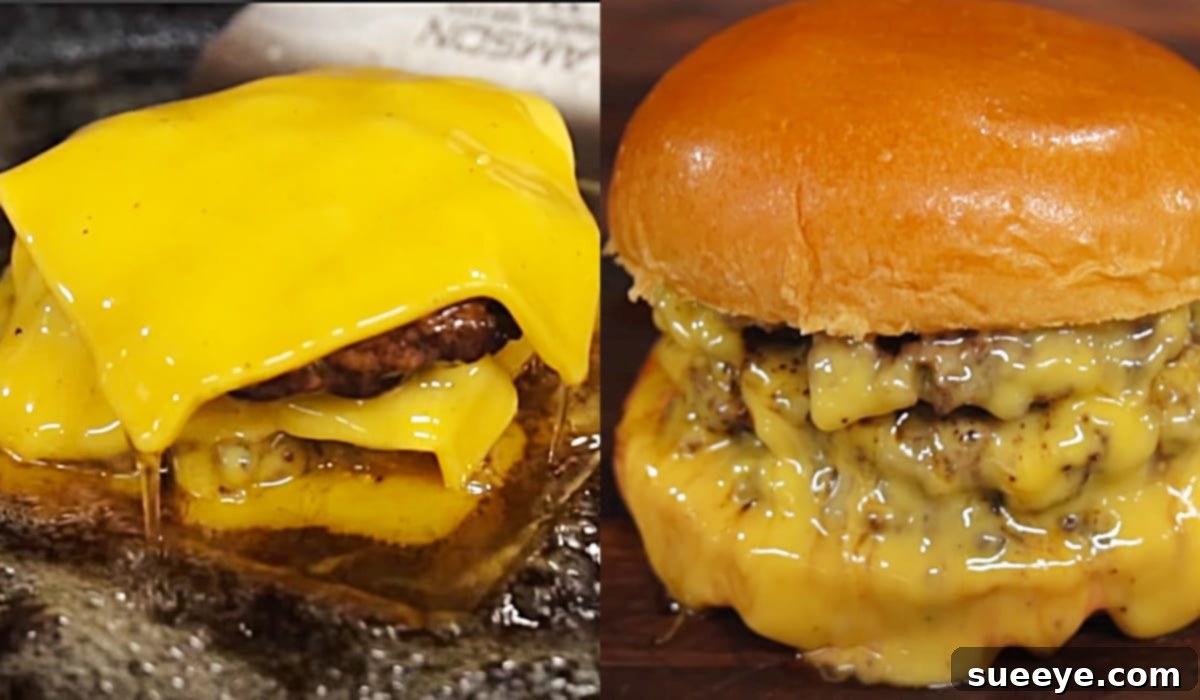
For over a century, Dyer’s Burgers on Memphis, Tennessee’s iconic Beale Street has been serving up an unparalleled culinary experience, adhering strictly to a secret recipe that dates back to 1912. This isn’t just a burger; it’s a piece of living history, a culinary legend passed down through generations. When the renowned food enthusiast Guga Foods shared his rendition of this legendary old-style burger on YouTube, the internet buzzed with excitement. Naturally, I had to dive in and explore the magic behind this unique creation. What sets Dyer’s apart, and what makes this vintage hamburger recipe so extraordinary? The answer lies in its unconventional cooking method: deep-frying in beef tallow. This technique originated not from choice, but necessity. In the early days, the owner of Dyer’s lacked a flat griddle, so he cooked all his burgers in a trusty cast-iron skillet. As the day progressed, the skillet would naturally accumulate a rich, flavorful pool of beef tallow – a natural grease that became the very medium in which subsequent burgers were submerged. This serendipitous discovery birthed a flavor profile that, once tasted, is truly unforgettable. It’s a method that promises, and delivers, one of the finest burgers you will ever encounter.
The allure of the Dyer’s burger lies in its simplicity and the profound depth of flavor imparted by this age-old frying method. Unlike conventional griddled or grilled burgers, the tallow bath creates a crispy, flavorful crust while keeping the interior incredibly juicy and tender. It’s a taste that transcends time, a nostalgic bite that transports you back to the golden age of American diners. This article will guide you through replicating this beloved Memphis classic, from understanding the core ingredients to mastering the deep-frying technique that makes it so special. Prepare to embark on a gastronomic journey that will redefine your perception of the perfect hamburger.
The Legacy of Dyer’s Burgers: A Century of Flavor on Beale Street
Dyer’s Burgers is more than just a restaurant; it’s a Memphis institution. Founded in 1912, it holds the distinction of being one of America’s oldest continuously operating burger joints. Its location on Beale Street, a historic landmark synonymous with blues music and vibrant culture, only adds to its legendary status. The cornerstone of Dyer’s enduring success is its unwavering commitment to a single, sacred tradition: never changing the grease. For over a hundred years, the beef tallow in their fryers has been meticulously filtered and replenished, but never fully replaced. This continuous rendering of beef fat creates a seasoned, deeply flavorful cooking medium that imbues every patty with an unparalleled taste and aroma. Each burger cooked adds to this rich heritage, contributing to a flavor profile that literally carries decades of culinary history.
This “ancient grease” method might sound unconventional, perhaps even daunting to some, but it is precisely what gives Dyer’s burgers their distinctive character. It’s a testament to a bygone era of cooking, where resourcefulness and flavor took precedence. The initial lack of a griddle led to a culinary innovation that has stood the test of time, captivating generations of locals and tourists alike. Experiencing a Dyer’s burger is not just eating; it’s participating in a living tradition, a taste of Memphis history that has delighted palates for over a century.
Unlocking the Secret: Why Beef Tallow is Key to the Perfect Fried Burger
At the heart of the Dyer’s burger experience is beef tallow. For many, modern burger preparation focuses on leaner meats and lighter oils. However, the vintage method embraces the richness of beef fat, and for good reason. Beef tallow, rendered animal fat, has a high smoke point, making it ideal for deep-frying without burning. More importantly, it brings an incredibly rich, savory flavor that synthetic oils simply cannot replicate. As the burger cooks, it’s not just frying; it’s essentially basting in pure, concentrated beef essence. This process allows the patty to absorb layers of savory flavor, creating an umami bomb that is both deeply satisfying and unique.
The constant use and replenishment of the tallow also contribute to its unique properties. Over time, the fat becomes infused with the essence of countless burgers, developing a complex flavor profile that is impossible to replicate from scratch. This seasoned tallow provides a consistent, high-quality cooking environment, ensuring that each burger emerges perfectly cooked with a golden-brown exterior and a remarkably juicy interior. It’s this specific interaction between the beef patty and the seasoned beef tallow that elevates the Dyer’s burger from a simple meal to an iconic culinary experience. Understanding this fundamental principle is the first step towards mastering this truly exceptional fried burger recipe in your own kitchen.
Essential Ingredients For The Vintage Memphis Fried Burger Recipe:
To recreate this historic flavor, selecting the right ingredients is crucial. While the method is unique, the components themselves are surprisingly straightforward, emphasizing quality over complexity. Here’s what you’ll need to assemble your very own legendary fried burger:
- Ground Beef (80% Lean works best): The fat content is critical here. An 80/20 blend provides enough fat to keep the burger moist and flavorful, without being excessively greasy, especially when deep-fried. This ratio also contributes to the beef tallow pool as you cook.
- A Jar of Natural Beef Tallow: While Dyer’s uses continuously seasoned tallow, for the home cook, starting with a good quality store-bought or homemade beef tallow is the foundation. This will be your primary cooking medium.
- A Cast-Iron Skillet: Essential for mimicking the original method. Cast iron retains heat exceptionally well and evenly, which is perfect for maintaining a consistent frying temperature. Its sturdy nature also allows for the accumulation of the tallow pool.
- Cheese Slices (American or Cheddar): Classic American cheese melts beautifully and adds a creamy, tangy note that complements the rich burger. Cheddar also works well for a sharper flavor.
- Onions (sliced): Thinly sliced fresh onions provide a crisp, pungent counterpoint to the richness of the burger.
- Mustard (Yellow or Dijon): A generous smear of mustard adds a zesty, tangy kick that cuts through the fat and brightens the overall flavor profile.
- Pickles (your favorite kind): Dill pickles are traditional, offering a briny crunch and acidity that balances the burger’s richness.
- Hamburger Buns (Potato or Brioche): A soft, slightly sweet bun is ideal. Potato buns are classic and hold up well, while brioche offers a richer texture.
- Salt and Pepper to taste: Simple seasonings are all that’s needed to enhance the natural flavor of the beef.
These simple ingredients, when combined with the unique cooking method, transform into a symphony of flavors that is both comforting and profoundly satisfying.
Directions: Crafting Your Own Iconic Fried Burger Just Like Dyer’s
Recreating the legendary Dyer’s burger at home is an incredibly rewarding experience. Thanks to the meticulous efforts of food creators like Guga Foods on YouTube, the secrets of this delicious old-style burger can be brought to your own kitchen. This isn’t just a recipe; it’s a step-by-step journey into a century-old tradition, allowing you to taste a piece of Memphis history right on your plate.
Step 1: Preparing Your Patties and Tallow – Foundation for Flavor
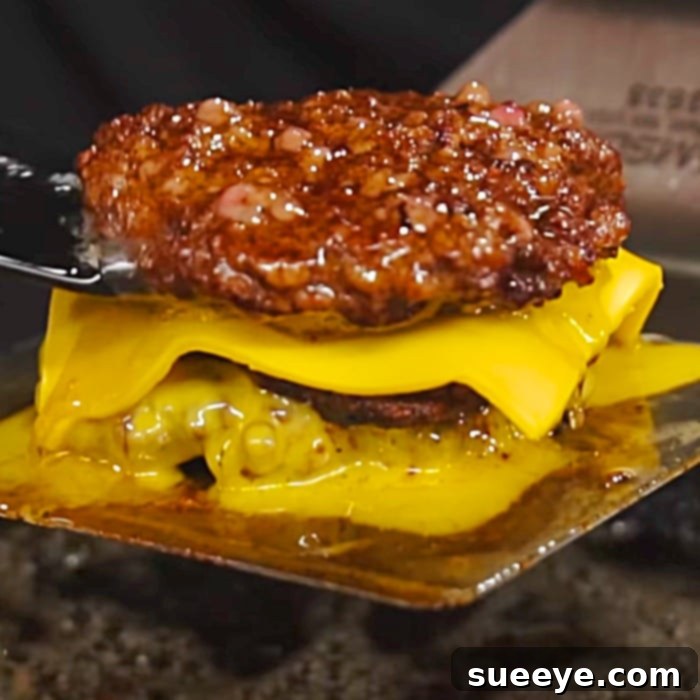
Begin by gently forming your ground beef into loose, thin patties. Remember, these aren’t meant to be dense steak burgers; aim for a thinner profile, perhaps about a quarter to a third of a pound each. Season both sides generously with salt and freshly cracked black pepper. Avoid overworking the meat, as this can lead to a tough burger. Next, place your cast-iron skillet over medium-high heat. Add a generous amount of beef tallow to the skillet, enough so that it comes up about half an inch to an inch deep. Allow the tallow to fully melt and heat until it shimmers slightly, but isn’t smoking aggressively. A temperature between 325-350°F (160-175°C) is ideal for frying.
Step 2: The Art of the Deep Fry – Cooking to Perfection
Carefully place your seasoned burger patties into the hot tallow. Do not overcrowd the skillet; cook them in batches if necessary to maintain the oil temperature. You should hear a satisfying sizzle immediately. Let the burgers cook undisturbed for about 2-3 minutes per side, depending on your desired doneness and the thickness of your patty. The edges should start to crisp, and a beautiful crust should form. Once you flip the burger, immediately place a slice of cheese on top, allowing it to melt into gooey perfection as the second side cooks. The deep-frying action will ensure the entire patty is enveloped in the rich beef flavor, creating a crispy exterior while the interior remains wonderfully juicy. Remove the cooked burgers from the skillet and let them rest briefly on a wire rack to drain any excess tallow.
Step 3: Assembling Your Masterpiece – The Classic Fixings
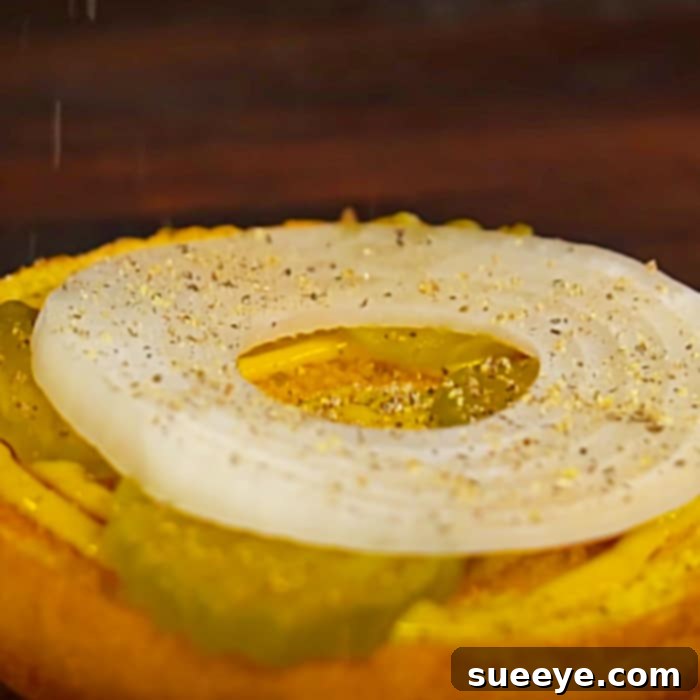
While your burgers are resting, it’s the perfect time to prepare your buns. Briefly toast your hamburger buns, either in a dry skillet, under a broiler, or even briefly in the tallow (be careful not to burn them), for added texture and warmth. This simple step elevates the entire experience, preventing a soggy bun and adding a delightful crunch. The burger fixings for this vintage burger are delightfully straightforward and embody the true spirit of old-school burger recipes, much like many classic Texas hamburger joints I’ve encountered. On the bottom bun, spread a generous layer of mustard. Then, layer your freshly fried, cheese-topped patty. Top with thinly sliced onions and your favorite pickles. The combination of the tangy mustard, crisp onion, and briny pickles creates a harmonious balance with the rich, savory beef. Cap it off with the top bun.
This recipe is not just about making a burger; it’s about connecting with a piece of culinary history. The resulting burger is incredibly delicious, a testament to the power of simple ingredients and a unique cooking method. These old-school burgers possess a distinct character, reminiscent of many beloved local joints I’ve had the pleasure of trying over the years, from bustling diners to hidden gems in small towns. Each bite is a journey through flavor and tradition, proving that sometimes, the oldest ways are indeed the best.
Beyond the Basics: Tips for the Perfect Dyer’s Style Burger
While the steps are clear, a few extra tips can help you perfect your vintage fried burger:
- Maintain Tallow Quality: After cooking, let the tallow cool slightly, then strain it through a fine-mesh sieve or cheesecloth to remove any burger bits. Store it in an airtight container in the refrigerator for future use. The more you use it, the more seasoned and flavorful it becomes, much like Dyer’s legendary grease.
- Don’t Overcook: Because they’re fried, these burgers cook relatively quickly. Keep an eye on them to avoid dry patties. Medium is often the sweet spot, allowing for a juicy interior.
- Patty Thickness Matters: Thinner patties are better for frying as they cook through evenly and develop a better crust-to-interior ratio.
- Freshness of Ingredients: High-quality ground beef, fresh onions, and good pickles make a noticeable difference in the final taste.
- Toasted Buns are Non-Negotiable: A properly toasted bun provides structural integrity against the juicy burger and adds a crucial textural element.
The Guga Foods Influence: Bringing Classic Recipes to the Modern Kitchen
The culinary world owes a debt of gratitude to creators like Guga Foods, who take the time to research, test, and share these historical recipes with a wider audience. His detailed approach and engaging presentation make complex or obscure cooking methods accessible to home cooks. By faithfully recreating the Dyer’s burger, Guga Foods not only showcased a unique piece of American culinary history but also inspired countless individuals to experiment with traditional techniques. His video serves as an invaluable resource, providing visual guidance and reinforcing the authenticity of this incredible fried burger recipe. It’s a testament to how modern media can help preserve and popularize classic cooking methods, ensuring that delicious traditions like the Dyer’s burger continue to be enjoyed for generations to come.
The Memphis Culinary Scene: More Than Just BBQ
While Memphis is undeniably famous for its legendary barbecue, the Dyer’s burger stands as a proud example of the city’s diverse and rich culinary landscape. It reminds us that beyond the smoky ribs and pulled pork, there are other deeply rooted traditions that contribute to Memphis’s unique food identity. The fried burger represents a different facet of Southern comfort food – one that prioritizes simple, honest ingredients transformed through time-honored techniques. It’s a testament to the fact that great food, regardless of its origin or complexity, always tells a story, and the story of Dyer’s is one of enduring flavor and steadfast tradition in the heart of Tennessee.
Conclusion: A Timeless Taste You Can’t Miss
The Vintage Memphis Fried Burger is more than just a meal; it’s an experience rooted in history, tradition, and an unparalleled commitment to flavor. From the moment the ground beef hits the bubbling beef tallow in the cast-iron skillet, a transformation occurs, yielding a burger that is crispy on the outside, incredibly juicy within, and imbued with a richness that is simply unmatched by other cooking methods. The simple yet perfect combination of classic toppings – tangy mustard, crisp onions, and tart pickles – completes this masterpiece, creating a symphony of textures and tastes that tantalizes the palate. If you’ve ever sought to create the “best burger you will ever taste,” then diving into the century-old technique pioneered by Dyer’s Burgers, as faithfully demonstrated by Guga Foods, is an absolute must. Embrace the tradition, savor the richness, and discover for yourself why this iconic fried burger has captivated hearts and appetites for over a hundred years. Prepare to be amazed by this truly delicious, old-style classic.