
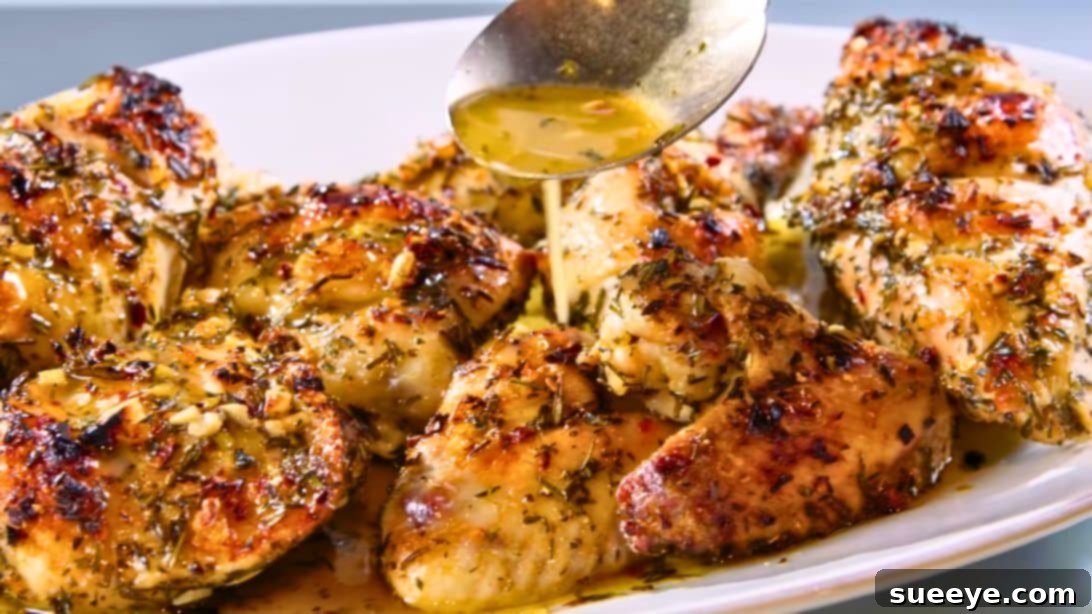
Embark on a culinary journey to the sun-drenched shores of Greece with a dish that perfectly encapsulates the heart of Mediterranean cuisine: succulent, flavorful Greek chicken. Renowned for its simplicity, vibrant colors, and incredible health benefits, Greek cooking masterfully combines fresh herbs, the finest olive oil, and an abundance of vegetables. This particular Greek chicken recipe, inspired by the meticulous expertise of America’s Test Kitchen, promises an unparalleled dining experience. Imagine chicken so moist, tender, and infused with aromatic flavors that it will leave a lasting impression on your palate. Whether you’re a seasoned chef or a home cook looking to explore new tastes, this recipe is guaranteed to impress with its delicious outcome and straightforward approach.
Greek cuisine is more than just food; it’s a lifestyle. At its core lies the Mediterranean diet, celebrated globally for its positive impact on health and longevity. Dishes are built upon a foundation of fresh, local ingredients, emphasizing plant-based foods, lean proteins, and healthy fats. Herbs like oregano, thyme, and rosemary aren’t just garnishes; they are integral to the flavor profile, imparting earthy, aromatic notes that are distinctly Greek. This chicken recipe is a prime example, showcasing how simple, high-quality ingredients can transform into an extraordinary meal that’s both deeply satisfying and incredibly good for you. It’s a testament to the power of a well-crafted marinade and proper cooking techniques.
Why This Greek Chicken Recipe Stands Out
Many Greek chicken recipes exist, but what makes this version truly exceptional? It all boils down to the synergy of a potent marinade and precise cooking methods. The marinade is a powerhouse of fresh herbs, bright lemon zest, pungent garlic, and a blend of spices, all emulsified with rich extra virgin olive oil. This not only tenderizes the chicken but also saturates every fiber with a depth of flavor that’s truly remarkable. The cooking process, combining baking and a final broil, ensures the chicken remains incredibly juicy while developing a beautifully golden, slightly crisp skin. It’s a balance of textures and tastes that elevates a simple chicken dish into a gourmet experience. Get ready to discover your new favorite way to prepare chicken!
Ingredients for the Ultimate Greek Chicken
Crafting this flavorful Greek chicken begins with a selection of fresh, high-quality ingredients. Each component plays a vital role in building the complex and aromatic profile that defines this dish.
- 2 tablespoons of fresh thyme (chopped): Fresh thyme offers a delicate, earthy, and slightly floral note. While dried thyme can be a substitute, fresh herbs provide an unparalleled aroma and vibrancy.
- 2 tablespoons of fresh rosemary (chopped): Rosemary brings a piney, peppery, and woody flavor that complements chicken beautifully. Like thyme, fresh is preferred for maximum impact.
- Zest from 1 lemon (6 strips peeled then finely chopped): Lemon zest is crucial for brightness and aroma. It contains essential oils that deliver a concentrated citrus punch without the acidity of the juice, making the chicken incredibly fragrant.
- 5 cloves of garlic (coarsely chopped): Garlic is a foundational flavor in Mediterranean cuisine, adding a pungent, savory depth that is indispensable. Coarsely chopping allows its oils to release effectively into the marinade.
- 1/4 cup of extra virgin olive oil: A cornerstone of Greek cooking, high-quality extra virgin olive oil not only binds the marinade but also adds a fruity, peppery note and helps tenderize the chicken.
- 1 tablespoon of kosher salt: Essential for seasoning, kosher salt enhances all other flavors and helps the chicken retain moisture.
- 1 1/2 teaspoon of dried oregano: Dried oregano, especially Greek oregano, has a potent, earthy, and slightly bitter flavor that is quintessential to Greek dishes.
- 1 teaspoon of dried coriander: Coriander adds a warm, citrusy, and slightly sweet undertone that beautifully balances the other robust flavors.
- 1/2 teaspoon red pepper flakes: For a subtle kick and warmth, red pepper flakes awaken the palate without overwhelming the dish. Adjust to your preference for heat.
- 1/2 teaspoon of black pepper: Freshly ground black pepper provides a sharp, woody note that rounds out the spice blend.
- 3 lbs of chicken: A whole chicken cut into pieces, or bone-in, skin-on thighs and drumsticks work best for flavor and moisture. These cuts stand up well to the marinade and high-heat cooking.
Step-by-Step Guide to Making the Best Greek Chicken
Follow these detailed steps to create a Greek chicken dish that’s both exquisite and easy to prepare.
Step 1: Prepare the Aromatic Herb Marinade
In a spacious mixing bowl, combine all the dry marinade ingredients first: the two tablespoons of freshly chopped thyme, two tablespoons of freshly chopped rosemary, one tablespoon of kosher salt, one and a half teaspoons of dried oregano, one teaspoon of dried coriander, half a teaspoon of red pepper flakes, and half a teaspoon of black pepper. Mix these together briefly to distribute the spices. Next, add the wet components: the generous quarter cup of extra virgin olive oil, the coarsely chopped garlic, and the finely chopped lemon zest. Whisk everything together thoroughly until all ingredients are well combined and the mixture forms a fragrant, slightly thick paste. This initial mixing ensures an even distribution of flavors when the chicken is added.
Step 2: Marinate the Chicken for Maximum Flavor
Prepare your three pounds of chicken by carefully cutting deep slashes into the skin and flesh, particularly on thicker parts like the chicken breasts or thighs. These incisions serve a critical purpose: they increase the surface area, allowing the vibrant marinade to penetrate deeper into the meat, ensuring every bite is bursting with flavor. Once slashed, add the chicken pieces directly into the mixing bowl with the prepared marinade. Using your hands (gloves are recommended!), toss the chicken thoroughly, massaging the marinade into every crevice and ensuring each piece is fully coated. Cover the bowl tightly with plastic wrap and refrigerate. Allow the chicken to marinate for a minimum of 30 minutes to up to 2 hours. While longer marination might seem better, for chicken, 2 hours is often sufficient; prolonged marination can sometimes alter the texture of the meat due to the lemon zest’s acidity.
Step 3: Prepare for Roasting
After the chicken has marinated to perfection, remove it from the refrigerator. Arrange the chicken pieces in a single layer in an oven-proof skillet or a sturdy baking dish. Ensure there’s enough space between the pieces for even cooking. Pour any excess marinade from the bowl directly over the chicken in the skillet. This ensures all those precious flavors are utilized, contributing to a rich sauce as the chicken bakes. Using a skillet that can go from stovetop to oven is ideal as it often helps with browning and flavor development.
Step 4: Bake to Perfection
Preheat your oven to 425°F (220°C). Position an oven rack approximately 6 inches from the broiler element for optimal browning later. Carefully place the skillet with the chicken onto this rack. Bake for approximately 30 minutes. Cooking times can vary based on the size and cut of your chicken pieces, so it’s crucial to monitor the internal temperature. Use an instant-read thermometer: the breast meat should reach 160°F (71°C) and dark meat (thighs and drumsticks) should register 175°F (79°C). The chicken will continue to cook slightly as it rests, so pulling it a few degrees below its final target temperature is ideal for juiciness.
Step 5: Baste and Broil for a Golden Finish
Once the chicken has reached the desired internal temperature, remove the skillet from the oven. Using a spoon, generously baste the chicken pieces with the flavorful pan juices that have accumulated during baking. This adds another layer of moisture and richness. Return the skillet to the oven, placing it closer to the broiler element this time. Broil for about 3 minutes, or until the chicken skin turns a beautiful golden brown and becomes slightly crispy. It’s imperative to keep a very close eye on the chicken during this stage, as broilers can quickly burn food. Just a minute or two can make a significant difference.
Step 6: Rest, Finish, and Serve
Remove the skillet from the oven and, resisting the urge to cut into it immediately, let the chicken rest in the pan for 10 minutes. This resting period is critical; it allows the juices to redistribute throughout the meat, resulting in incredibly tender and moist chicken. While the chicken rests, transfer just the chicken pieces to your chosen serving plate or platter. Add a tablespoon of fresh lemon juice to the pan juices remaining in the skillet and mix gently. This brightens the sauce and adds a final touch of zest. Spoon this aromatic pan sauce generously over the baked chicken. Serve immediately and savor the incredible flavors of your homemade Greek chicken!
Tips for Success with Your Greek Chicken
- Quality Olive Oil: Invest in a good quality extra virgin olive oil. Its flavor is a cornerstone of Greek cuisine and makes a noticeable difference.
- Fresh Herbs are Key: While dried herbs are used in the marinade, the initial fresh thyme and rosemary contribute immensely to the overall aroma. Don’t skimp on them!
- Don’t Over-Marinate: For chicken, 2 hours is generally the sweet spot. The acidity from the lemon zest can start to “cook” the chicken if left too long, potentially affecting its texture.
- Pat Chicken Dry: Before applying the marinade, pat your chicken pieces dry with paper towels. This helps the marinade adhere better and promotes crispier skin.
- Use a Meat Thermometer: This is your best friend for perfectly cooked chicken. It eliminates guesswork and ensures safe, juicy results every time.
- Rest the Chicken: This cannot be stressed enough. Resting allows the muscle fibers to relax and reabsorb juices, preventing dry chicken.
Elevate Your Meal: What to Serve with Greek Chicken
This versatile Greek chicken pairs wonderfully with a variety of side dishes, creating a complete and balanced meal that embodies the spirit of the Mediterranean diet. Consider these delicious accompaniments:
- Classic Greek Salad: A simple salad with crisp cucumbers, ripe tomatoes, red onion, Kalamata olives, feta cheese, and a light vinaigrette perfectly complements the rich chicken.
- Lemon Herb Roasted Potatoes: Roast potato wedges with olive oil, oregano, lemon juice, and garlic until tender and golden.
- Fluffy Rice Pilaf: A simple rice pilaf absorbs the flavorful pan juices beautifully.
- Tzatziki Sauce: A refreshing yogurt-cucumber-garlic dip offers a cooling contrast to the savory chicken.
- Warm Pita Bread: Essential for soaking up every last drop of the incredible pan sauce.
- Steamed Green Beans or Asparagus: Lightly steamed or sautéed green vegetables provide a fresh, healthy component.
Variations and Customization
While this recipe is perfect as is, feel free to experiment and adapt it to your taste or what you have on hand:
- Different Chicken Cuts: While bone-in, skin-on chicken pieces are recommended for flavor and moisture, you can use boneless, skinless chicken breasts or thighs. Adjust cooking time accordingly, as they will cook faster.
- Add Vegetables to the Pan: For a one-pan meal, add chopped potatoes, bell peppers, zucchini, or cherry tomatoes to the skillet around the chicken during the last 15-20 minutes of baking. They will roast in the chicken juices and absorb wonderful flavors.
- Spice Level: If you enjoy more heat, increase the amount of red pepper flakes. For less spice, omit them entirely.
- Herb Variations: Experiment with other fresh herbs like fresh marjoram or dill for slightly different aromatic profiles.
- Smoky Flavor: A pinch of smoked paprika can add a subtle smoky depth to the marinade.
Frequently Asked Questions (FAQs)
Can I prepare the marinade ahead of time?
Yes, you can prepare the marinade up to 2-3 days in advance and store it in an airtight container in the refrigerator. This saves time on the day of cooking.
Can I freeze marinated chicken?
Absolutely! After marinating for the recommended time, you can transfer the chicken and marinade to a freezer-safe bag or container and freeze for up to 3 months. Thaw overnight in the refrigerator before cooking.
What if I don’t have fresh herbs?
While fresh herbs are highly recommended for their vibrant flavor, you can substitute with dried herbs. As a general rule, use one-third the amount of dried herbs compared to fresh (e.g., 2 tablespoons fresh = 2 teaspoons dried). Keep in mind the flavor will be more concentrated with dried herbs.
How do I know when the chicken is fully cooked?
The best way is to use an instant-read meat thermometer. Insert it into the thickest part of the chicken, avoiding bones. Chicken breast should reach 165°F (74°C), and dark meat (thighs, drumsticks) should reach 175°F (79°C) for optimal texture, though removing breast meat at 160°F allows for carryover cooking.
Conclusion: Savor the Flavors of Greece
This Greek chicken recipe is a celebration of simple ingredients transformed into an extraordinary meal. It brings together the robust flavors of fresh herbs, zesty lemon, aromatic garlic, and premium olive oil in a way that is both incredibly delicious and wonderfully healthy. Whether you’re hosting a dinner party or simply seeking a satisfying weeknight meal, this recipe delivers on all fronts – taste, ease, and nourishment. Follow these steps, embrace the vibrant ingredients, and prepare to be enchanted by the authentic flavors of Greece right in your own home. Enjoy every tender, juicy bite!