
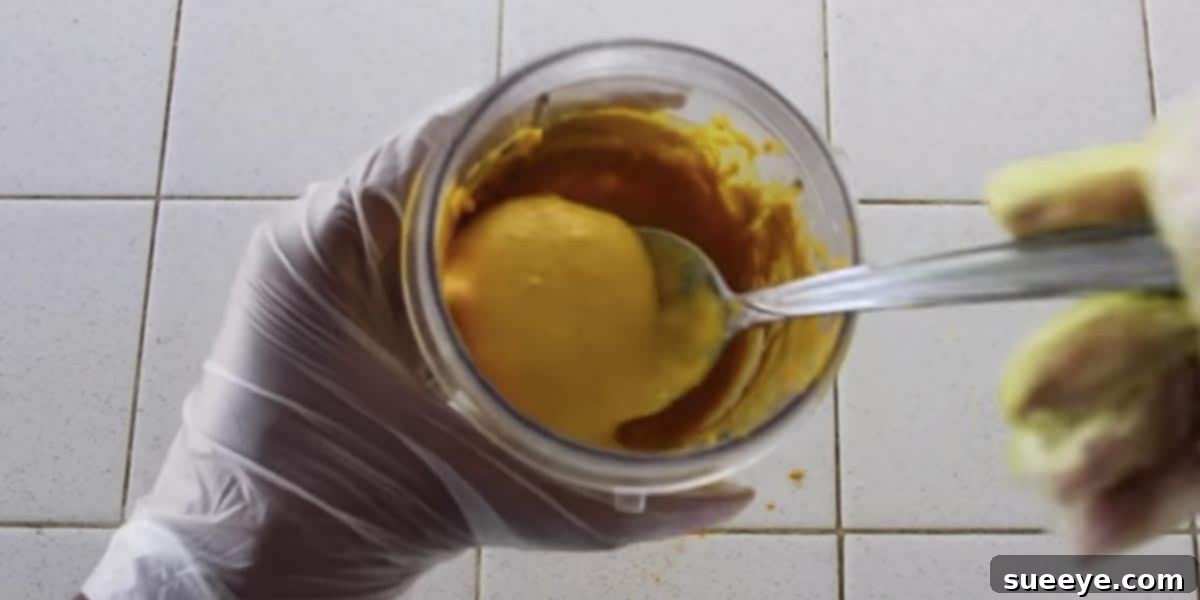
Unlock Radiant Skin: The Ultimate Turmeric Face Mask Guide for a Natural Glow
For centuries, turmeric, the vibrant golden spice derived from the root of the Curcuma longa plant, has been celebrated not only for its culinary contributions but also for its profound medicinal and cosmetic properties. Often hailed as a “miracle spice,” its powerful anti-inflammatory and antioxidant compounds have made it a staple in traditional medicine systems like Ayurveda. While its internal health benefits, ranging from cancer prevention to improved brain health, are widely recognized, turmeric’s potential for skin transformation is equally remarkable and often overlooked. This comprehensive guide will delve into why turmeric is a game-changer for your complexion and provide you with a step-by-step tutorial to create a potent, DIY turmeric face mask that can help you achieve soft, clear, and radiant skin.
The quest for flawless skin often leads us down complex paths of expensive products and harsh chemicals. However, sometimes the most effective solutions are found in nature’s pantry. Turmeric offers a holistic approach to skincare, addressing various concerns from acne and scarring to dullness and uneven skin tone. Get ready to discover the golden secret to a naturally beautiful you!
Why Turmeric Is Your Skin’s Best Friend: Unveiling Its Golden Benefits
The remarkable efficacy of turmeric in skincare stems from its active compound, curcumin, which possesses a wide array of therapeutic properties. Understanding these benefits will illuminate why this simple spice can be such a powerful addition to your beauty regimen:
Powerful Anti-Inflammatory Properties
One of the most significant benefits of turmeric for the skin is its potent anti-inflammatory action. Curcumin works to reduce inflammation, redness, and swelling, making it incredibly effective for conditions like acne, rosacea, and eczema. When applied topically, it can calm irritated skin, soothe active breakouts, and minimize the discomfort associated with inflammatory skin conditions. This soothing effect is crucial for achieving a clearer, more even complexion, especially for those prone to sensitive or reactive skin.
Antioxidant Powerhouse for Youthful Skin
Our skin is constantly exposed to environmental aggressors like pollution and UV radiation, which generate harmful free radicals. These free radicals damage skin cells, leading to premature aging, fine lines, wrinkles, and a dull complexion. Turmeric is packed with powerful antioxidants that neutralize these free radicals, protecting your skin from oxidative stress. By fighting free radical damage, turmeric helps maintain skin elasticity, promotes cell regeneration, and contributes to a more youthful and vibrant appearance over time.
Natural Antiseptic and Antibacterial Qualities
Acne is often caused by bacteria (specifically Propionibacterium acnes) thriving in clogged pores. Turmeric acts as a natural antiseptic and antibacterial agent, effectively combating these acne-causing bacteria. By reducing bacterial growth on the skin’s surface, turmeric helps to prevent new breakouts and can accelerate the healing process of existing blemishes. This makes it an excellent natural alternative for managing acne without the harsh side effects often associated with conventional treatments.
Brightening and Scar-Fading Wonders
If you’re struggling with hyperpigmentation, dark spots, or lingering acne scars, turmeric might be the solution you’ve been searching for. Turmeric is renowned for its ability to inhibit melanin production, the pigment responsible for dark spots and uneven skin tone. Regular application can gradually lighten hyperpigmentation, diminish the appearance of acne scars, and reveal a brighter, more uniform complexion. Many users report a noticeable improvement in skin luminosity, making turmeric a traditional choice for achieving that coveted “golden glow.”
Accelerated Healing and Skin Repair
Beyond its anti-inflammatory and antiseptic effects, turmeric also aids in the skin’s natural healing process. It can help reduce the appearance of minor cuts, wounds, and skin irritations by promoting tissue remodeling and collagen synthesis. This property is particularly beneficial for healing active acne lesions and improving the overall texture of scarred skin, leading to smoother and healthier skin over time.
Beyond the Skin: Turmeric’s Holistic Health Benefits
While we’re focusing on its external application, it’s worth reiterating that turmeric’s benefits extend far beyond the skin. A healthy body often translates to healthy skin, and turmeric contributes significantly to overall well-being. Its internal consumption has been linked to:
- Cancer Prevention: Curcumin’s anti-cancer properties have been extensively studied, showing potential to inhibit tumor growth and spread.
- Alzheimer’s Disease Prevention: Research suggests curcumin may help clear amyloid plaques, a hallmark of Alzheimer’s, and support brain health.
- Heart Health: It can improve endothelial function, lower bad cholesterol levels, and reduce blood pressure, contributing to a healthier cardiovascular system.
- Anti-inflammatory for Chronic Conditions: Turmeric is a powerful natural anti-inflammatory, beneficial for managing conditions like arthritis, inflammatory bowel disease, and other chronic inflammatory ailments.
- Antioxidant Support: Internally, it boosts the body’s antioxidant capacity, protecting cells from oxidative damage.
- Immune System Boost: Regular intake can strengthen the immune system, helping the body fight off infections.
Embracing turmeric both topically and internally can provide a synergistic effect, promoting health from the inside out and the outside in.
Crafting Your Golden Elixir: The Miracle Turmeric Face Mask Recipe
Ready to experience the transformative power of turmeric for yourself? This simple, yet incredibly effective, face mask recipe combines turmeric with other natural ingredients known for their skin-benefiting properties. The original brief mentioned a daughter’s success with acne and scarring, and this mask builds upon those experiences, tailored for optimal results.
Key Ingredients and Their Roles:
- Turmeric Powder (1/2 – 1 teaspoon): The star ingredient, offering all the anti-inflammatory, antioxidant, and brightening benefits. Ensure you use pure, high-quality, food-grade turmeric. For those concerned about staining, consider sourcing “Kasturi Haldi” (wild turmeric) which is specifically used for cosmetic purposes and stains less.
- Raw Honey (1 tablespoon): A natural humectant that attracts and retains moisture, leaving skin soft and supple. It’s also a powerful antibacterial and anti-inflammatory agent, making it ideal for acne-prone skin.
- Plain Yogurt or Milk (1-2 tablespoons): Contains lactic acid, a gentle alpha hydroxy acid (AHA) that exfoliates dead skin cells, brightens the complexion, and promotes cell turnover. Yogurt’s probiotics also support a healthy skin microbiome. If you have oily skin, plain milk works well; for dryer skin, full-fat yogurt or cream provides extra hydration.
- Chickpea Flour (Besan) (1 tablespoon, optional but recommended): Acts as a natural cleanser, gentle exfoliant, and binding agent for the mask. It helps to draw out impurities and provides a smooth texture to the mask.
- Lemon Juice (1/2 teaspoon, optional): A natural astringent and rich in Vitamin C, it can further brighten skin and help fade dark spots. Use with caution, as it can increase photosensitivity. Always apply sunscreen after use, and skip if you have very sensitive skin.
- Aloe Vera Gel (1 teaspoon, optional): Offers soothing, hydrating, and healing properties, especially beneficial for irritated or sensitive skin.
Step-by-Step Tutorial:
- Gather Your Tools: You’ll need a small mixing bowl, a non-metallic spoon or spatula, and an old towel (to protect surfaces from turmeric stains).
- Combine Dry Ingredients: In the bowl, add the turmeric powder and chickpea flour (if using). Mix them well to ensure an even distribution.
- Add Wet Ingredients: Gradually add the honey and plain yogurt/milk to the dry ingredients. If using, incorporate the optional lemon juice or aloe vera gel at this stage.
- Mix to a Smooth Paste: Stir everything together until you achieve a smooth, consistent paste. The consistency should be thick enough to adhere to your skin without dripping, but not too thick that it’s difficult to spread. Adjust with more yogurt/milk or flour as needed.
- Prepare Your Skin: Before applying the mask, cleanse your face thoroughly to remove any makeup, dirt, or oils. Pat your skin dry with a clean towel.
- Patch Test (Highly Recommended): Always perform a patch test on a small, inconspicuous area of your skin (e.g., behind your ear or on your inner forearm) to check for any allergic reactions or sensitivity. Wait 15-20 minutes before proceeding.
- Apply the Mask: Using your fingertips or a clean, soft brush, apply an even layer of the turmeric mask all over your face and neck, avoiding the delicate eye area and lips.
- Relax and Let it Work: Leave the mask on for 15-20 minutes. This is the ideal time for the ingredients to penetrate your skin and work their magic.
- Gentle Removal: To remove, first wet your face slightly with warm water and gently massage the mask in circular motions. This helps to exfoliate your skin. Then, rinse thoroughly with warm water until all traces of the mask are gone. You may need to use a soft cloth to help with removal, but be gentle.
- Post-Mask Care: Pat your skin dry with a clean towel and follow up with your favorite toner, serum, and moisturizer to lock in hydration.
Tips for Best Results & Avoiding the “Yellow Stain”
While the turmeric mask offers incredible benefits, it’s notorious for its potential to leave a temporary yellow tint on the skin. Here are some essential tips to maximize your results and minimize any unwanted staining:
Consistency is Key
For noticeable improvements in acne, scars, and overall skin radiance, consistency is crucial. Aim to use this turmeric face mask 2-3 times a week. Like any natural remedy, results are gradual and accumulate over time. Don’t expect an overnight miracle, but with regular use, you’ll start to see a significant difference in your complexion.
Preventing and Removing Turmeric Stains
- Old Towels and Clothing: Always wear old clothes and use dark-colored towels when applying and removing the mask. Turmeric can permanently stain fabrics.
- Thorough Rinsing: Ensure you rinse your face very thoroughly with warm water. Gentle circular motions during removal can help lift the turmeric from your skin.
- Oil-Based Cleansing: If you find a yellow tint remaining after rinsing, don’t panic! Simply apply a small amount of milk, yogurt, or a mild oil (like coconut oil or olive oil) onto a cotton pad and gently wipe your face. The fat in these substances helps to dissolve the curcumin, removing the stain without harsh scrubbing.
- Kasturi Turmeric: As mentioned, if available, source “Kasturi Haldi” (wild turmeric). This variety is often brighter yellow, possesses similar skin benefits, but is known to stain less than the cooking turmeric typically found in spice aisles.
Consider Your Skin Type
- For Oily/Acne-Prone Skin: You can add a drop or two of tea tree oil (diluted in a carrier oil or directly into the mask) for added antibacterial benefits. Lemon juice can also be more beneficial for oily skin types.
- For Dry/Sensitive Skin: Increase the amount of honey, yogurt, or aloe vera gel in your mask for extra hydration and soothing properties. Avoid or minimize lemon juice if your skin is prone to sensitivity.
- For Mature Skin: Consider adding a few drops of a nourishing facial oil (like argan or jojoba oil) to the mask for enhanced anti-aging and moisturizing benefits.
Quality of Ingredients Matters
Always use high-quality, pure, food-grade turmeric powder. Adulterated or low-quality turmeric might not deliver the same benefits and could contain impurities. Similarly, opt for organic honey and fresh dairy products whenever possible.
Real-Life Transformations: My Experience and My Daughter’s Journey
I can personally attest to the incredible efficacy of this turmeric face mask. For years, I struggled with persistent acne scarring, remnants of past breakouts that left my skin uneven and dull. After incorporating this mask into my routine, I witnessed a drastic improvement. My scars have become significantly minimized, and my overall skin texture is smoother and more refined. The radiant glow I’ve achieved has been truly remarkable, making me feel much more confident in my skin.
My daughter, who has had her own battles with active acne and minimal scarring, has also experienced a profound transformation. Regular use of this mask has visibly improved her skin condition, significantly reducing breakouts and calming inflammation. She now rarely experiences the severe flare-ups she once did, and her skin looks healthier and clearer than ever before. It’s truly exciting to see such positive, natural results, and it’s why I felt compelled to share this golden secret with you all.
Beyond the Mask: Integrating Turmeric into Your Skincare Routine
The turmeric face mask is an excellent starting point, but you can further integrate this powerful spice into your beauty regimen:
- Turmeric-Infused Oils: Create a turmeric-infused oil by steeping turmeric powder in a carrier oil like jojoba or almond oil. Use it as a spot treatment or a nightly facial oil.
- Turmeric Soaps and Cleansers: Look for commercially available soaps or cleansers that feature turmeric as a key ingredient, offering daily mild cleansing with its benefits.
- Internal Consumption: Remember that beautiful skin starts from within. Incorporate turmeric into your diet through curries, smoothies, or golden milk lattes to reap its systemic anti-inflammatory and antioxidant benefits.
Frequently Asked Questions About Turmeric Face Masks
Is the turmeric face mask safe for all skin types?
Generally, yes. Turmeric is natural and well-tolerated by most. However, those with extremely sensitive skin should always perform a patch test first. If you experience excessive redness, itching, or irritation, discontinue use.
How often should I use the turmeric face mask?
For best results, use the mask 2-3 times per week. Overuse is unnecessary and could potentially lead to temporary staining without additional benefits.
What if my skin turns yellow after using the mask?
This is a common, temporary side effect. As explained above, gently wipe your face with a cotton pad soaked in milk, yogurt, or a mild oil (like coconut or olive oil). This will effectively remove the yellow tint.
Can I use regular cooking turmeric for the mask?
Yes, pure, food-grade cooking turmeric is perfectly fine. However, if you are concerned about staining, try to find Kasturi Haldi (wild turmeric) which is specifically used for cosmetic purposes and stains less.
Can pregnant women use turmeric topically?
Topical application of turmeric in a face mask is generally considered safe during pregnancy. However, if you have any concerns, it’s always best to consult with your doctor or dermatologist before introducing new skincare products or remedies.
Embrace the Golden Glow!
Turmeric is truly a gift from nature, offering a multifaceted approach to achieving healthy, radiant skin. Its time-tested benefits, combined with its accessibility and natural composition, make the DIY turmeric face mask an indispensable tool in your skincare arsenal. By embracing this golden spice, you’re not just treating your skin; you’re nurturing it with a powerful elixir that promotes healing, brightness, and vitality.
Say goodbye to persistent acne, stubborn scars, and dull skin, and say hello to a naturally luminous complexion. Integrate this miraculous mask into your routine, maintain consistency, and prepare to witness the amazing transformation that turmeric can bring. Your journey to radiant, blemish-free skin starts now – embrace the golden glow!