
Eliminate Musty Smells: The Ultimate Vinegar Hack for a Fresh Home
Do you ever walk into a room and instantly detect that tell-tale, unpleasant musty odor? It’s a common problem, often signaling the presence of mold or mildew growth, particularly in damp areas like basements, bathrooms, or even hidden corners of your living space. This distinct smell, sometimes described as rotting wood, stale air, or even wet socks, is more than just a nuisance; it can trigger allergies, cause skin irritation, and lead to nasal congestion, significantly impacting your comfort and well-being. The good news is that tackling these unwelcome aromas doesn’t always require harsh chemicals. The first, and most crucial, step is to address and remove the source of the smell by killing any mold or mildew.
Once you’ve eradicated the source, you might find that a lingering musty scent persists. Don’t despair! Before reaching for expensive, chemical-laden air fresheners that merely mask odors, consider a remarkably simple yet incredibly effective solution from your pantry: white distilled vinegar. This common household staple is not only budget-friendly but also a powerful natural deodorizer and cleaning agent. You’ll be amazed at how this humble condiment can neutralize stubborn smells in just a matter of hours, leaving your home smelling genuinely fresh and clean.
RELATED: 5 Hacks To Make Your Home Smell Amazing
Understanding Musty Odors and Their Causes
Musty smells are more than just an inconvenience; they are often a clear indicator of excess moisture and microbial growth in your home. These odors are typically caused by volatile organic compounds (VOCs) released by mold and mildew as they grow and reproduce. These fungi thrive in environments that provide three key elements: moisture, warmth, and a food source (which can be almost any organic material found in your home, from drywall to fabrics).
- Mold and Mildew: These are the primary culprits behind most musty smells. Mildew is typically a surface-level mold, often appearing as a white, gray, or black powdery growth on damp surfaces. Mold, on the other hand, can penetrate deeper into materials and can be more insidious, sometimes growing unseen behind walls or under flooring. Both release spores and gases that create that distinct musty scent.
- High Humidity: Areas with poor ventilation and high humidity, such as basements, bathrooms, laundry rooms, and crawl spaces, are prime breeding grounds for mold and mildew.
- Water Leaks and Damage: Persistent leaks from plumbing, roofs, or foundations can create hidden damp spots where mold can flourish undetected for long periods, leading to strong musty odors.
- Stagnant Water: Unused drains, wet towels left for too long, or even forgotten spills can contribute to the problem.
- Old Carpets and Upholstery: These materials can trap moisture and dust, becoming a haven for odor-causing microbes.
Addressing the root cause of these smells is paramount, not just for olfactory comfort but also for your health. Exposure to mold can lead to various health issues, including respiratory problems, asthma attacks, allergic reactions, and skin irritation. Therefore, a comprehensive approach involving both source removal and odor neutralization is essential for a truly fresh and healthy home environment.
The Power of Vinegar: A Natural Odor Neutralizer
Why is white distilled vinegar such an effective solution for musty smells? The secret lies in its primary component: acetic acid. Unlike air fresheners that simply mask odors with perfumes, vinegar actively neutralizes them. Here’s how it works:
- Odor Neutralization: Acetic acid is acidic, and many odor-causing compounds are alkaline. When vinegar evaporates, its acidic molecules react with and break down the odor-causing molecules, effectively eliminating the smell rather than just covering it up.
- Antimicrobial Properties: Vinegar possesses mild antimicrobial properties, which can help inhibit the growth of certain types of mold and mildew, making it a valuable tool in not only removing smells but also in treating the source, especially for minor issues.
- Non-Toxic and Safe: Unlike many commercial cleaners and air fresheners that contain harsh chemicals, vinegar is a natural, food-grade product that is safe for use around children and pets when used properly.
- Cost-Effective: It’s an incredibly inexpensive solution compared to specialized odor removers, making it an accessible option for everyone.
- Eco-Friendly: Using vinegar reduces your reliance on synthetic products, contributing to a greener household.
For cleaning and deodorizing purposes, plain white distilled vinegar is always recommended. It has a higher acetic acid content than other vinegars, and its clear color prevents staining surfaces.
What You Need to Remove Musty Smells in Your House
Before you begin, gather these simple items:
- Disposable plastic containers or wide-mouthed bowls (for absorbing odors)
- White distilled vinegar
- Spray bottle (for direct mold/mildew treatment)
- Clean cloths or sponges
- Scrub brush (if needed for mildew removal)
- Gloves and a mask (optional, but recommended if you have sensitivities or are dealing with noticeable mold)
- Fan or dehumidifier (for ventilation)
Steps to Remove Musty & Mildew Smells
Step 1: Eliminate the Mildew/Mold Source
The first and most critical action is to tackle any visible mold or mildew. If you merely neutralize the smell without addressing the underlying growth, the odor will inevitably return. For minor mildew growth on hard surfaces like tiles, grout, or shower walls, you can prepare a DIY solution:
- Create the Solution: Mix equal parts white distilled vinegar and water in a clean spray bottle.
- Apply to Affected Areas: Generously spray the solution directly onto the areas showing mildew or mold growth. Ensure the surface is thoroughly saturated.
- Let It Penetrate: Allow the vinegar solution to sit on the affected surface for at least 30 minutes, or even up to an hour for more stubborn patches. This gives the acetic acid time to break down the mold and mildew.
- Scrub and Rinse: Using a scrub brush, sponge, or old cloth, thoroughly scrub the treated areas to remove the growth. For tougher spots, a bit of elbow grease might be necessary. Once scrubbed, wipe down the area with a clean, damp cloth to rinse off any residue.
- Ensure Proper Ventilation: After cleaning, it’s vital to dry the area completely. Open windows, run an exhaust fan in bathrooms, or use a portable fan to circulate air and reduce humidity. A dehumidifier can also be incredibly effective in damp basements or laundry rooms to prevent future growth.
Important Note: While vinegar is effective for small, surface-level mold and mildew, it is not recommended for extensive mold infestations (larger than 10 square feet) or black mold. If you encounter significant mold growth, it is always best to consult with a professional mold remediation specialist for safe and thorough removal.
Step 2: Neutralize Residual Odors with Vinegar
Even after successfully eliminating the visible mold and mildew, a lingering musty smell can sometimes persist. This is where the power of evaporating vinegar truly shines. This simple hack from homesteady is incredibly effective:
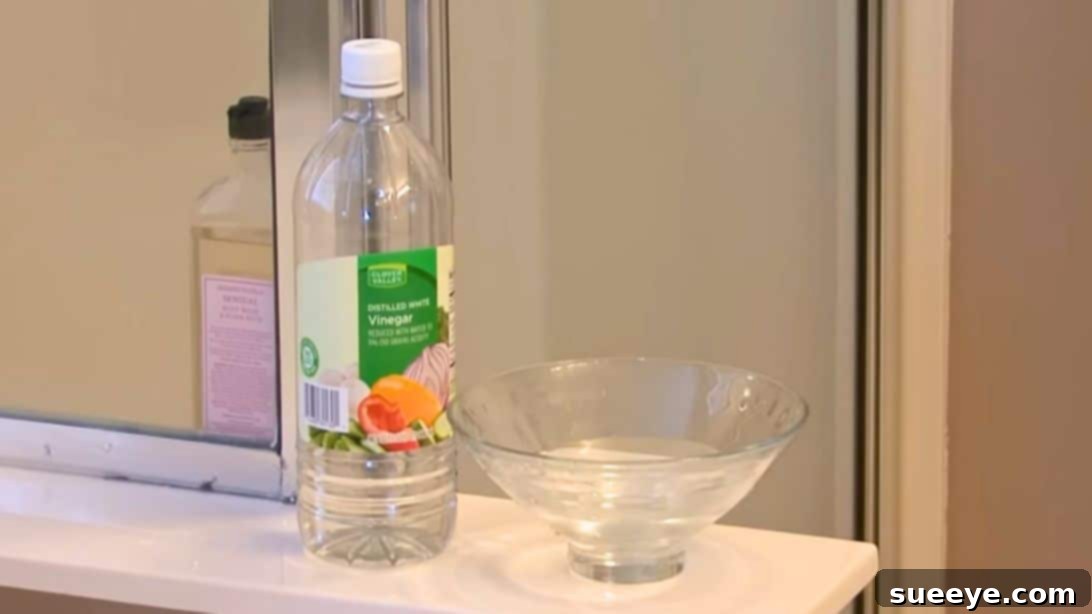
- Prepare Your Containers: Take your disposable plastic containers or wide-mouthed bowls. The wider the opening, the more surface area for the vinegar to evaporate, thus increasing its odor-absorbing capabilities.
- Fill with Vinegar: Pour undiluted white distilled vinegar into each container. You don’t need to fill them to the brim; a few inches of vinegar will suffice.
- Strategic Placement: Place these open containers strategically in the room where the musty smell is most prominent. For best results, position them where they won’t be easily disturbed or knocked over, and ideally in less visible spots, such as behind the toilet, in a corner, under a sink, inside a closet, or on a high shelf. The goal is for the vinegar to be exposed to the air.
- Allow to Evaporate: Leave the vinegar-filled containers in place for at least 24 hours. For particularly strong or persistent odors, you might extend this period to 48 or even 72 hours. As the vinegar slowly evaporates, its acetic acid molecules will disperse throughout the room, actively neutralizing and absorbing odor-causing particles in the air and from surfaces.
- Post-Treatment: After the designated time, remove the containers. You might notice a slight, temporary vinegar scent in the room. This is completely normal and will dissipate quickly, especially if you air out the room by opening windows for a short while. You’ll be left with a truly neutral, fresh smell, free from any mustiness.
This method isn’t just for musty and mildew smells. It also works wonders in removing other challenging odors, such as:
- Fuel or gasoline spills in garages or car interiors.
- Strong pet odors, including those from litter boxes.
- Lingering cooking smells.
- Smoke odors (from cigarettes or fireplace issues).
- Freshening up enclosed spaces like closets or cabinets.
Preventative Measures for a Fresh-Smelling Home
Once you’ve successfully removed musty odors, the best approach is to prevent them from returning. Implementing these simple habits can keep your home consistently fresh:
- Control Humidity: Maintain indoor humidity levels between 30% and 50% using a dehumidifier in damp areas like basements and crawl spaces, especially during humid seasons.
- Ensure Adequate Ventilation: Always use exhaust fans in bathrooms and kitchens when showering, bathing, or cooking. Open windows regularly to allow fresh air circulation, particularly in rooms prone to dampness.
- Fix Leaks Promptly: Inspect plumbing, roofs, and foundations regularly for any signs of leaks or water damage. Address these issues immediately to prevent moisture buildup.
- Clean and Dry Thoroughly: Wipe up spills and dry wet surfaces in bathrooms and kitchens immediately. Don’t leave damp towels or clothes piled up; hang them to dry or wash them promptly.
- Regular Cleaning: Vacuum carpets and rugs frequently. Clean and dry shower curtains, bath mats, and upholstery regularly.
- Air Out Closets and Cabinets: Periodically open closet doors and cabinet drawers to allow air to circulate and prevent stagnant, musty air from building up. Consider placing small bags of activated charcoal or baking soda in these areas for continuous odor absorption.
- Improve Airflow: Ensure furniture is not pushed directly against walls, especially exterior walls, to allow air to circulate behind them.
- Ventilate Basements and Attics: These often-forgotten areas are prime spots for mold and musty smells. Ensure they have proper ventilation and consider using a dehumidifier.
Remove Musty Mildew Smells Video Tutorial
For a visual guide on these simple yet effective steps, watch the video tutorial below. Seeing the process in action can provide additional clarity and confidence to tackle those stubborn musty smells in your home.
Conclusion: Embrace a Fresh Home
Dealing with musty smells doesn’t have to be a frustrating or costly endeavor. By understanding the root causes of these odors and employing the natural power of white distilled vinegar, you can effectively eliminate mold, mildew, and the persistent smells they leave behind. This simple, non-toxic, and affordable hack offers a genuine solution for a fresher, healthier home. Remember to always address the source of the moisture first, then let vinegar work its magic to neutralize any lingering odors. With regular preventative measures, you can ensure your living space remains clean, inviting, and free from any unwanted musty scents. Take control of your home’s atmosphere today and breathe easier!