
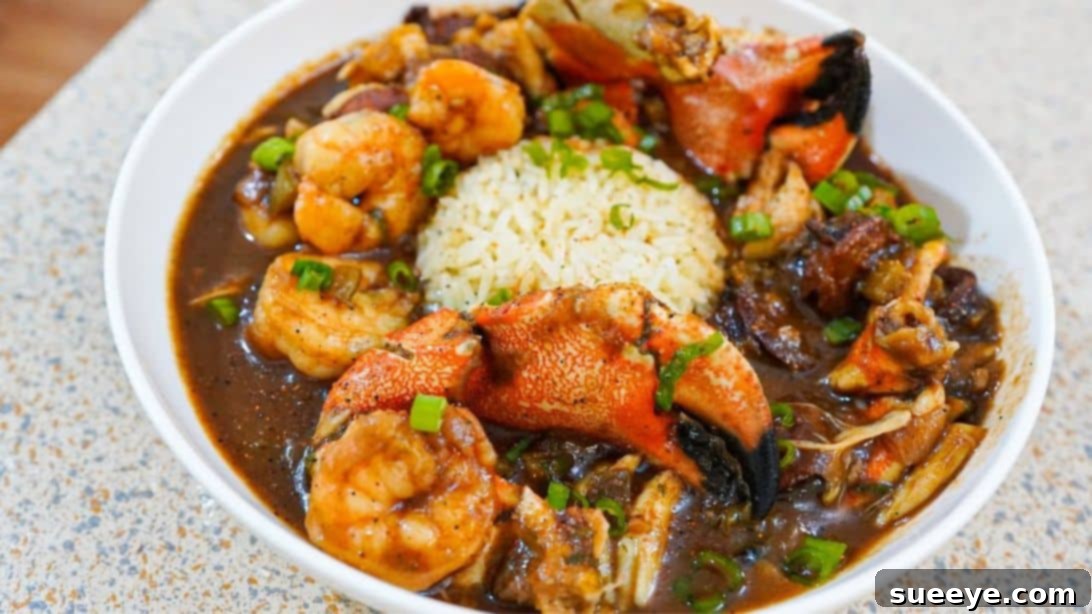
The Ultimate Easy Seafood Gumbo Recipe: A Fail-Proof Cajun Delight
Embark on a culinary journey to the heart of Louisiana with this incredibly easy and utterly delicious seafood gumbo recipe. Gumbo, a quintessential dish of Cajun and Creole cuisine, is renowned for its rich flavors, hearty ingredients, and comforting warmth. While many gumbo recipes might seem daunting, this particular rendition stands out for its simplicity and fail-proof method, promising a perfect pot every time. You’re just a few steps away from creating a thick, creamy, and deeply satisfying gumbo that will transport your taste buds straight to the bayou.
This recipe demystifies the art of gumbo-making, focusing on a straightforward approach without compromising on the authentic, complex flavors that define this beloved dish. The only challenge you might face is the delightful anticipation while the roux deepens to perfection and the gumbo simmers, allowing all those incredible ingredients to meld into a harmonious symphony of taste. Whether you enjoy it as a standalone meal or paired with fluffy white rice, this gumbo is guaranteed to impress. A special thank you to Mesha’s Corner on YouTube for inspiring this fantastic, accessible recipe.
Why This Easy Seafood Gumbo Will Be Your New Favorite
Gumbo is more than just a soup or stew; it’s a celebration of flavor and tradition. This particular recipe ensures a delightful experience for both novice and experienced cooks alike, offering several compelling reasons to give it a try:
- Authentic Cajun Flavor: Despite its simplicity, this recipe delivers the robust, deeply savory taste profile characteristic of traditional Louisiana gumbo.
- Fail-Proof Roux: The instructions for the roux are clear and concise, guiding you to achieve that perfect dark brown, nutty base without the stress often associated with this crucial step.
- Rich and Hearty Texture: Expect a luxuriously thick and creamy consistency that holds up beautifully to all the succulent seafood and sausage.
- Packed with Protein: Loaded with shrimp, crab claws, lump crab meat, and savory Andouille sausage, it’s a truly satisfying and filling meal.
- Customizable: While perfect as written, the base allows for variations to suit your taste preferences, from adding different types of seafood to adjusting the spice level.
- Perfect for Any Occasion: Elegant enough for a dinner party, yet comforting enough for a cozy night in, gumbo is always a crowd-pleaser.
Mastering the Heart of Gumbo: The Roux
The roux is undeniably the cornerstone of any great gumbo, lending it not only its distinctive thickness but also its foundational depth of flavor and beautiful dark color. It’s a simple mixture of fat and flour cooked together slowly, but patience is key to achieving perfection. This recipe guides you to a rich, dark brown roux, crucial for that authentic gumbo taste.
The process of making a roux involves whisking together equal parts oil and all-purpose flour over medium-low to medium heat. The trick is continuous stirring to prevent burning and ensure even cooking. As it cooks, the roux will progress through several stages of color: from pale blonde to peanut butter-like, then copper, and finally, a rich, dark chocolate brown. This dark color is what you’re aiming for in a traditional gumbo roux, as it imparts a deep, nutty, and complex flavor that truly defines the dish.
Tips for a Perfect Roux:
- Use a Heavy-Bottomed Pot: This distributes heat more evenly, preventing hot spots that can burn your roux. Cast iron or heavy-gauge stainless steel pots are ideal.
- Maintain Consistent Heat: Keep the heat at medium-low to medium. Too high, and it will burn; too low, and it will take forever.
- Stir Constantly: Do not walk away! Continuous whisking is vital to prevent sticking and burning. This is where the “difficult” waiting part comes in, but it’s worth every minute.
- Go for Dark Brown: Aim for a color similar to milk chocolate or even darker. The darker the roux, the more flavor it contributes to the gumbo. However, be careful not to burn it – a burnt roux tastes bitter and must be discarded.
- Listen and Smell: A perfect roux will smell nutty. If you smell a harsh, burnt aroma, it’s likely gone too far.
Ingredients for Your Flavorful Seafood Gumbo
Gathering your ingredients is the first step to creating this magnificent seafood gumbo. This list ensures a balanced profile of rich, savory, and subtly spicy notes, highlighting the fresh seafood and aromatic vegetables that are crucial to the dish.
- 1 cup vegetable oil
- 1 cup all-purpose flour
- 1 carton (approx. 32 oz) of chicken broth
- 1 cup water
- 1 large bell pepper, finely chopped
- 2 ribs celery, finely chopped
- 1 large onion, finely chopped
- 1 bulb garlic, minced (approximately 6-8 cloves)
- 5 sprigs fresh thyme or 1 tbsp dried thyme
- 3 stalks scallions, chopped, for garnish and flavor
- 2 tbsp garlic powder
- 2 tbsp onion powder
- 2 tbsp chicken bouillon powder
- 3 bay leaves
- 1 tbsp cayenne pepper (adjust to desired spice level)
- 3 tbsp Tony’s Chachere’s Original Creole Seasoning (or similar Creole/Cajun seasoning blend)
- Salt and freshly ground black pepper, to taste
- 1 pound large shrimp, peeled and deveined
- 1 pound crab claws
- 1 pound Andouille sausage, sliced into rounds
- 1 pound lump crab meat, picked over for shells
The Holy Trinity and Aromatics: The Foundation of Flavor
In Cajun and Creole cooking, the “Holy Trinity” of bell pepper, celery, and onion forms the aromatic base for countless dishes, and gumbo is no exception. These vegetables, when sautéed, release a fragrant sweetness that complements the richness of the roux. Fresh garlic adds another layer of pungent depth, while thyme and scallions contribute herbaceous notes, elevating the overall aroma and taste profile of your gumbo.
Essential Spices and Seasonings: Crafting the Signature Taste
Beyond the fresh aromatics, a precise blend of spices and seasonings is vital to achieve that unmistakable gumbo flavor. Garlic powder and onion powder amplify the foundational flavors without adding extra moisture. Chicken bouillon powder enriches the broth, providing a savory umami backbone. Bay leaves infuse the stew with a subtle, aromatic quality. Cayenne pepper provides a gentle heat, while Tony’s Chachere’s Creole Seasoning delivers a complex, salty, and spicy kick that is indispensable for authentic Cajun dishes. Remember to taste and adjust salt and pepper to ensure perfect balance.
The Seafood Stars: Freshness is Key
The beauty of seafood gumbo lies in its generous bounty from the sea. Large shrimp bring a delicate sweetness and tender texture. Crab claws add a distinct crab flavor and a delightful chew. Lump crab meat, delicate and sweet, integrates seamlessly into the broth. Andouille sausage, though not seafood, is a crucial component, offering a smoky, spicy richness that grounds the dish and provides a counterpoint to the seafood’s lightness. Ensure all seafood is fresh and of high quality for the best results.
Step-by-Step Guide to Crafting Your Seafood Gumbo
Follow these detailed steps carefully, and you’ll be rewarded with a spectacular seafood gumbo that tastes like it came straight from a New Orleans kitchen. Patience, especially with the roux, is the secret ingredient here.
Step 1: Mastering the Roux and Building the Base Flavor
Begin by placing a sturdy, heavy-bottomed pot or Dutch oven on your stovetop over a consistent medium-low to medium heat. Add the full cup of vegetable oil, allowing it to warm slightly, then gradually whisk in the all-purpose flour. This combination is your roux, the heart and soul of your gumbo. Whisk constantly and diligently, ensuring there are no lumps and that the mixture cooks evenly. This stage demands your full attention. Continue whisking for approximately 20-40 minutes, or until the roux transforms into a beautiful, rich dark brown color—think the shade of milk chocolate or a dark copper penny. The darker the roux, the deeper and more complex the flavor of your gumbo will be, so resist the urge to rush this process.
Once your roux has reached the desired dark brown hue, it’s time to build the aromatic base. Carefully add the finely chopped celery, onions, bell pepper (the “Holy Trinity”), and minced garlic to the hot roux. Stir these vegetables thoroughly into the roux, ensuring they are well coated. Allow them to cook for about 5-7 minutes, stirring occasionally, until they soften slightly and become fragrant. This step extracts their sweet and savory essences, infusing the roux with even more depth. Now, begin gradually pouring in the chicken broth, a portion at a time, whisking continuously to incorporate it smoothly into the roux and prevent lumps. Follow with the water, stirring until a cohesive, smooth base is formed. The aroma filling your kitchen at this point will be absolutely intoxicating!
Step 2: Simmering to Perfection and Adding the Seafood
After all the broth and water have been incorporated and the gumbo base is simmering gently, it’s time to introduce the robust flavors of the Andouille sausage. In a separate skillet, lightly brown your sliced Andouille sausage before adding it to the gumbo pot. This step renders some of the fat and intensifies its smoky flavor. Once the sausage is in the pot, liberally season the mixture with garlic powder, onion powder, cayenne pepper, and Tony’s Chachere’s Creole Seasoning. Add the bay leaves and chicken bouillon powder, then give everything a thorough stir to ensure all the spices are evenly distributed throughout the rich liquid. Taste and adjust salt and pepper as needed—remember, it’s easier to add more later than to correct over-seasoning.
Cover the pot, reduce the heat to low-medium, and allow the gumbo to gently simmer for approximately one hour. This extended simmering time is crucial; it allows the flavors to meld beautifully, the roux to thicken the broth to a luxurious consistency, and the vegetables to become wonderfully tender. After an hour, carefully remove the lid. Now, it’s time for the stars of the show: the seafood! Add the crab claws, fresh or dried thyme, chopped scallions, peeled shrimp, and the delicate lump crab meat to the simmering gumbo. Gently stir these ingredients into the pot, being careful not to break up the lump crab meat too much. Continue to cook for another 8-10 minutes, or just until the shrimp turn pink and opaque, and the crab claws are heated through. Be cautious not to overcook the seafood, as it can become rubbery.
Once everything is perfectly cooked, turn off the heat. Your magnificent seafood gumbo is now ready to be enjoyed! Traditionally, gumbo is served hot over a bed of fluffy white rice, allowing the rice to soak up all the incredible flavors. A sprinkle of fresh chopped scallions or parsley as a garnish can add a touch of freshness and color. Gather your loved ones and prepare to savor this authentic taste of Louisiana.
Expert Tips for the Best Seafood Gumbo
Elevate your gumbo from good to extraordinary with these additional tips and tricks:
- Don’t Skimp on Quality Ingredients: Fresh, high-quality seafood makes a noticeable difference. Choose plump shrimp and fresh crab.
- Patience with the Roux is Paramount: We can’t stress this enough. A properly cooked roux is non-negotiable for authentic gumbo flavor.
- Seasoning in Layers: Taste as you go. Add seasonings incrementally, especially salt and cayenne, to build complex flavors without overdoing it.
- Do Not Overcook Seafood: Shrimp and crab cook quickly. Add them at the very end and cook just until done to maintain their tender texture.
- Let it Rest: Like many stews, gumbo often tastes even better the next day as the flavors continue to meld and deepen.
- Thicken if Needed: If your gumbo isn’t quite as thick as you like, you can make a small slurry of cornstarch and water, and slowly whisk it into the simmering gumbo until it reaches your desired consistency.
- Spice it Up: For those who love heat, consider adding a pinch more cayenne or a few dashes of your favorite hot sauce directly into your serving bowl.
Serving Suggestions for Your Homemade Gumbo
Gumbo is a complete meal in itself, but it truly shines when accompanied by a few classic pairings:
- Steamed White Rice: The most traditional accompaniment. The rice soaks up the rich gumbo broth beautifully.
- Potato Salad: A surprisingly common and delicious pairing in Louisiana. The creamy, tangy potato salad offers a cooling contrast to the warm, spicy gumbo.
- Crusty French Bread: Perfect for soaking up every last drop of that flavorful sauce.
- Fresh Green Salad: A light, refreshing side salad can cut through the richness of the gumbo.
- Hot Sauce: Offer a variety of hot sauces on the side for guests to customize their spice level.
Frequently Asked Questions About Gumbo
- What is a roux and why is it so important for gumbo?
- A roux is a mixture of fat (like oil or butter) and flour cooked together. In gumbo, it serves two critical purposes: it acts as a thickening agent, giving the gumbo its characteristic hearty texture, and it provides a deep, nutty, and complex flavor base that is essential to authentic Cajun and Creole cuisine. The color of the roux determines the flavor profile—a darker roux yields a richer, deeper taste.
- Can I make gumbo ahead of time?
- Absolutely! Gumbo is one of those dishes that often tastes even better the next day, as the flavors have more time to meld and deepen. You can prepare the entire gumbo up to the point of adding the seafood, then refrigerate it. When ready to serve, reheat gently, and add the seafood during the last 10-15 minutes of simmering to prevent overcooking.
- How do I store leftover gumbo?
- Allow the gumbo to cool completely before transferring it to an airtight container. It can be stored in the refrigerator for up to 3-4 days. For longer storage, gumbo freezes exceptionally well for up to 3 months. Thaw overnight in the refrigerator and reheat gently on the stovetop, adding a splash of broth or water if it’s too thick.
- Can I use different types of seafood or meat in my gumbo?
- Yes, gumbo is incredibly versatile! While this recipe calls for shrimp, crab claws, and lump crab meat, you can easily substitute or add other seafood like oysters, crawfish, or firm white fish. For the meat component, chicken, duck, or other smoked sausages can be used instead of or in addition to Andouille sausage. Just ensure cooking times are adjusted accordingly.
- My roux burned. What should I do?
- Unfortunately, a burnt roux cannot be salvaged. It will impart a bitter, unpleasant taste to your entire gumbo. If your roux burns at any point, it’s best to discard it and start fresh with new oil and flour. This is why constant stirring and controlled heat are so crucial.
A Final Word on Your Gumbo Journey
Crafting a delicious seafood gumbo is a rewarding experience that connects you to a rich culinary heritage. This fail-proof recipe provides a clear path to achieving a deeply flavorful, authentic Cajun dish that will satisfy your soul and impress your palate. The time and care you invest in developing that perfect roux will pay dividends in the complexity and richness of the final product. So, tie on your apron, gather your ingredients, and prepare to create a culinary masterpiece that will surely become a cherished part of your recipe collection. Enjoy the process, savor the aromas, and most importantly, delight in every spoonful of your homemade seafood gumbo!
*Special thanks to Mesha’s Corner on YouTube for the inspiring original recipe and all images used here. Her clear instructions and passion for cooking make her channel a fantastic resource for home chefs. Be sure to give her channel a visit and subscribe for more culinary insights!