
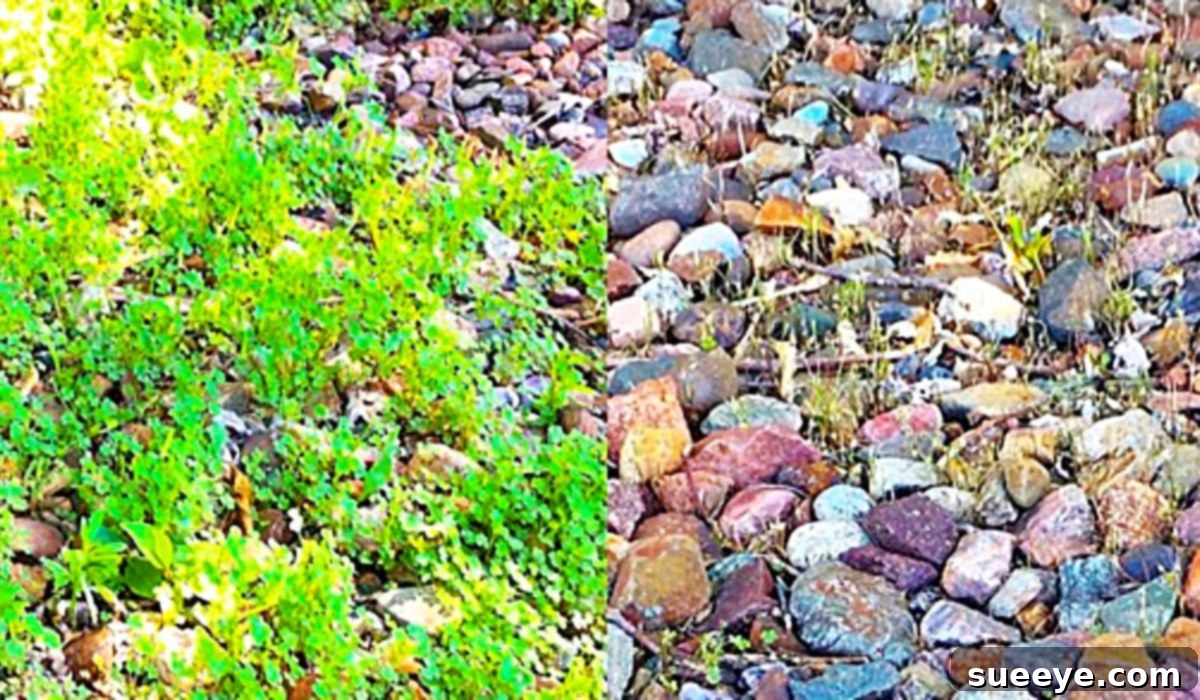
Unleash the Power of Nature: Your Guide to a Non-Toxic Homemade Weed Killer
Weeds are the bane of every gardener’s existence, a persistent nuisance that can quickly transform a pristine lawn or flourishing garden into an unruly patch. While commercial herbicides offer a quick fix, they often come with a hidden cost: potential harm to pets, children, beneficial insects, and the environment. For many environmentally conscious homeowners and gardeners, these chemical solutions are simply not an option. The quest for an effective, yet safe and non-toxic weed control method is universal.
Fortunately, a powerful solution lies within reach, utilizing simple household ingredients to create an effective homemade weed killer. We were particularly inspired by an excellent video tutorial by Andrea Jean Cleaning on YouTube, which offers a straightforward recipe for combating unwanted greenery without resorting to harsh chemicals. This article will guide you through crafting your own non-toxic weed killer, explore why it works, and provide essential tips for maintaining a beautiful, weed-free garden naturally.
Why Choose a Non-Toxic Homemade Weed Killer?
The decision to opt for a natural weed killer goes beyond just convenience; it’s a commitment to health and environmental stewardship. Here are compelling reasons to make the switch:
- Safety for Family and Pets: Commercial herbicides often contain chemicals that can be harmful if ingested or come into contact with skin. A homemade solution eliminates this risk, allowing children and pets to safely enjoy your garden space.
- Environmental Protection: Chemical weed killers can leach into the soil and groundwater, negatively impacting local ecosystems. They can harm beneficial insects, soil microbes, and even contaminate nearby water sources. Natural alternatives mitigate these environmental concerns.
- Cost-Effective: The ingredients for this homemade weed killer are inexpensive and readily available in most grocery stores or hardware shops, offering significant savings compared to recurring purchases of commercial products.
- Empowerment and Control: Taking control of your weed management with DIY solutions gives you a deeper understanding of what goes into your garden and how it affects the surrounding ecosystem.
- Reduced Chemical Exposure: By minimizing the use of synthetic chemicals, you reduce your personal exposure and contribute to a healthier home and garden environment overall.
The Ultimate Non-Toxic Homemade Weed Killer Recipe
This simple yet potent formula combines the power of acetic acid (vinegar), dehydrating salts, and a helpful surfactant to effectively tackle common weeds. You’ll be amazed at how quickly and easily you can whip up a batch.
Ingredients You’ll Need:
- 1/2 Gallon (approximately 1.9 Liters) of Cleaning Vinegar: Often labeled as “horticultural vinegar” or vinegar with a higher acetic acid concentration (usually 10-20%). Standard household white vinegar (5% acetic acid) can also work but may require more frequent applications for stubborn weeds.
- 1/2 Cup of Epsom Salts (Magnesium Sulfate): Widely available in pharmacies or garden centers.
- 2 Tablespoons of Liquid Dish Soap (e.g., Dawn): Any liquid dish soap will generally work.
How These Ingredients Work Together:
- Cleaning Vinegar (Acetic Acid): The primary active ingredient. Acetic acid draws moisture out of the plant, causing it to dehydrate and wither. Higher concentrations of vinegar are more effective, especially against mature weeds.
- Epsom Salts: While commonly known as a plant nutrient in some contexts, in high concentrations and combined with vinegar, Epsom salts act as a drying agent. They further dehydrate the plant, contributing to its demise.
- Liquid Dish Soap (Surfactant): This is the secret weapon! Dish soap acts as a surfactant, breaking down the waxy cuticle on weed leaves. This allows the vinegar and Epsom salt solution to penetrate the plant tissues more effectively, ensuring the mixture adheres to the leaves rather than just running off.
Step-by-Step Directions for Application:
Crafting this DIY non-toxic weed killer is incredibly straightforward. Follow these easy steps to prepare and apply your natural solution:
- Combine Ingredients: In a large bucket or directly in your chosen sprayer, mix the 1/2 gallon of cleaning vinegar, 1/2 cup of Epsom salts, and 2 tablespoons of liquid dish soap.
- Stir Thoroughly: Stir the mixture well until the Epsom salts are fully dissolved. This ensures an even distribution of the active ingredients.
- Choose Your Sprayer:
- For small areas or spot treatments, a standard pump spray bottle (like those used for cleaning products, thoroughly rinsed) works perfectly.
- For larger areas or extensive weed patches, a garden sprayer (available at any local hardware store) will make the application much easier and more efficient.
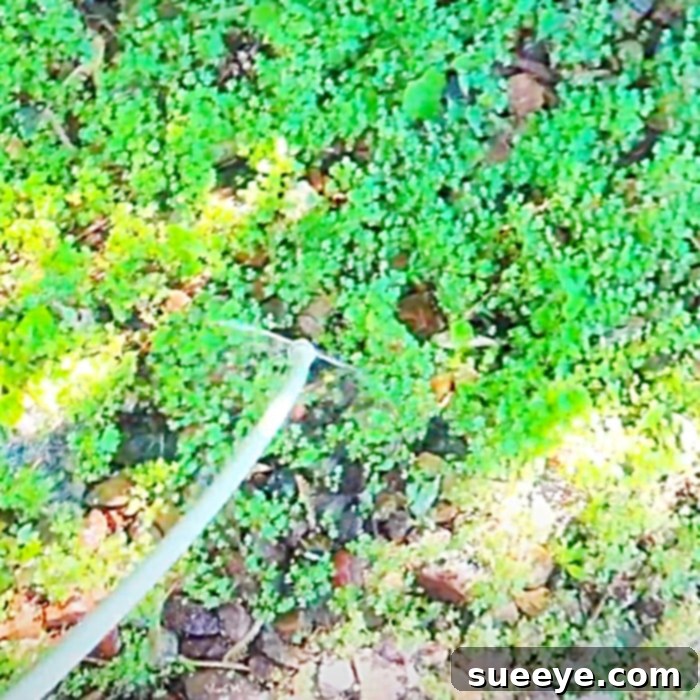
- Apply Directly to Weeds: The most crucial step is targeted application. Spray the mixture generously and directly onto the leaves of the unwanted weeds. Ensure full coverage of the foliage. Avoid spraying desirable plants, as this solution will harm them too.
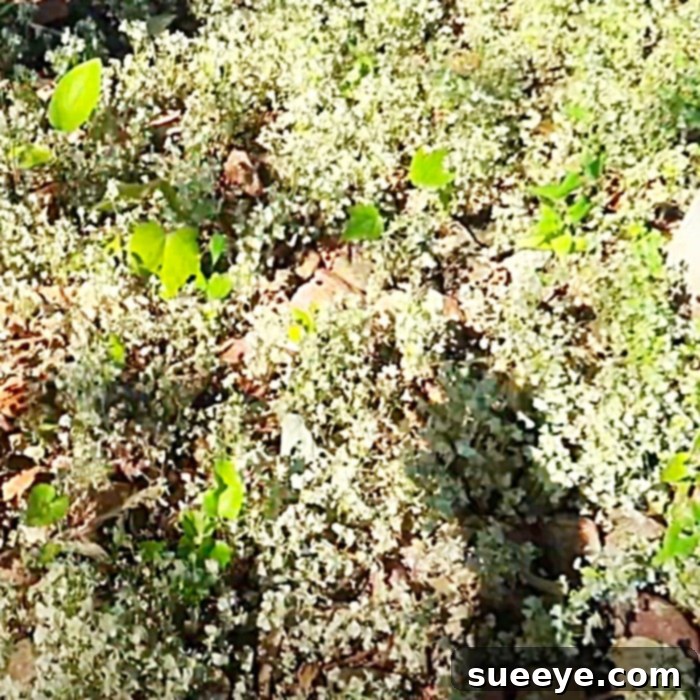
- Observe and Repeat: You should begin to see results within a few hours on a sunny day, with weeds starting to wilt and turn brown. Tougher or deeply rooted weeds may require a second application a few days later.
Within a short period, you will notice the weeds beginning to wither and eventually disappear, leaving your garden cleaner and healthier. This truly effective and incredibly easy-to-make recipe will revolutionize your approach to weed control!
Tips for Maximizing Effectiveness and Safety
To get the best results from your homemade weed killer and ensure safe application, consider these expert tips:
- Apply on a Sunny, Dry Day: The best time to apply is when there’s no rain in the forecast for at least 24 hours and the sun is shining brightly. Sunlight enhances the dehydrating effect of the vinegar.
- Targeted Spraying: Always aim directly at the weeds and avoid overspray onto desirable plants, shrubs, or grass, as the vinegar will harm them too.
- Be Mindful of Soil: While generally safe, repeated heavy applications in one spot can temporarily alter soil pH. For occasional spot treatment, this is usually not an issue.
- Gloves and Eye Protection: Although natural, vinegar can be irritating, especially in higher concentrations. Wear gloves and eye protection during mixing and application.
- Not for All Weeds: This solution is most effective on young, annual weeds with shallow root systems. Perennial weeds with deep taproots or extensive rhizomes (like dandelions or thistle) may require multiple applications or a combination with other methods like hand-pulling.
- Patience is Key: While faster than some organic methods, homemade weed killers might not be as instantaneous as strong chemical herbicides. Give it time to work, and don’t hesitate to reapply if necessary.
- Test in an Inconspicuous Area: If you’re unsure about the effect on a particular type of weed or surface, test a small, hidden area first.
- Store Safely: Keep any leftover mixture out of reach of children and pets, just as you would with any cleaning product.
Beyond the Spray: Holistic Weed Management Strategies
While this non-toxic homemade weed killer is an excellent tool, a truly weed-free garden often requires a multi-faceted approach. Incorporating these practices can significantly reduce weed proliferation in the long term:
1. Mulching: Your Garden’s Best Friend
Applying a layer of organic mulch (like wood chips, straw, or shredded leaves) around your plants is one of the most effective weed prevention strategies. Mulch blocks sunlight, preventing weed seeds from germinating and smothering young weeds. It also helps retain soil moisture and regulates soil temperature.
2. Proper Planting Density
Planting your desired plants close enough together to create a dense canopy can naturally suppress weeds by shading the soil. Ensure plants still have adequate air circulation to prevent disease.
3. Hand-Weeding: The Old-Fashioned Way
Nothing beats good old-fashioned hand-weeding for stubborn weeds, especially perennials. It’s most effective when the soil is moist, making it easier to pull out entire root systems. Catching weeds when they are young is crucial to prevent them from spreading seeds.
4. Healthy Soil, Healthy Garden
Maintaining healthy soil through composting and proper fertilization encourages robust plant growth, which in turn outcompetes weeds for nutrients and space. Weeds often thrive in neglected or compacted soil.
5. Edging and Borders
Installing landscape edging between your lawn and garden beds can create a physical barrier that prevents lawn grasses and some spreading weeds from encroaching into your cultivated areas.
6. Minimize Soil Disturbance
Digging or tilling often brings dormant weed seeds to the surface, where they can germinate. Practice no-till or minimal-till gardening whenever possible to keep weed seeds buried deep.
Conclusion: Embrace Natural Weed Control for a Thriving Garden
Eliminating weeds doesn’t have to mean compromising the health of your family, pets, or the environment. This powerful, non-toxic homemade weed killer recipe, championed by experts like Andrea Jean Cleaning, provides an incredibly effective and safe alternative to commercial herbicides. By harnessing the simple chemistry of vinegar, Epsom salts, and dish soap, you can take control of your garden’s aesthetic and ecological well-being.
Combined with proactive gardening strategies such as mulching and proper planting, you can cultivate a vibrant, healthy, and weed-free garden that you and your loved ones can enjoy without worry. Say goodbye to unwanted invaders and embrace a sustainable, eco-friendly approach to garden care today!