
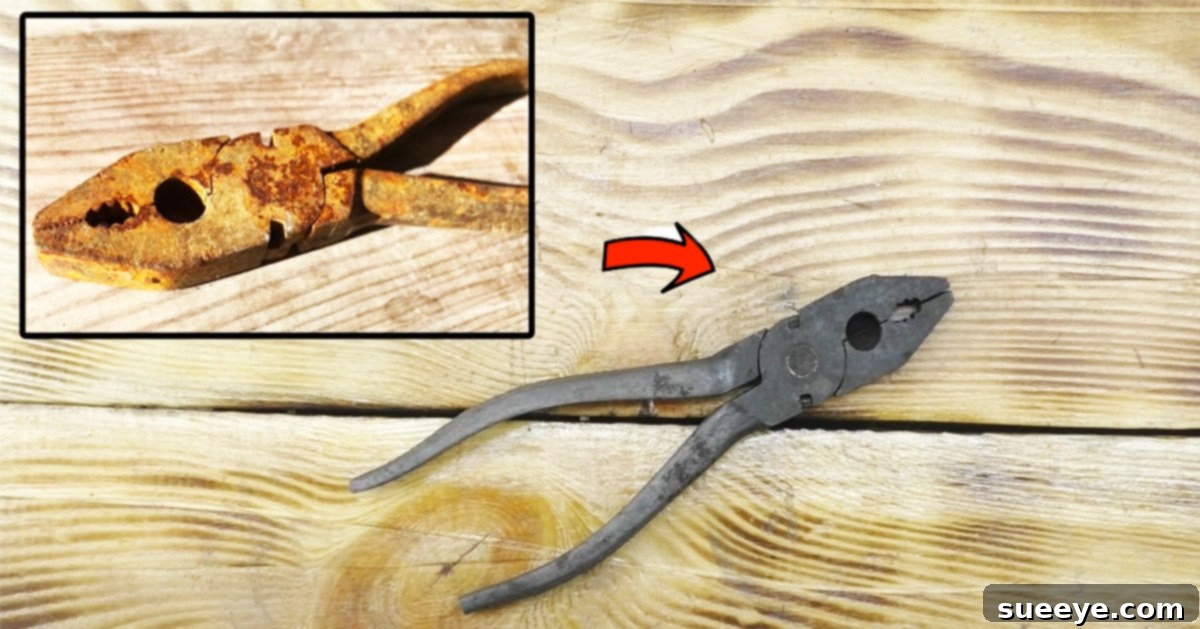
Effortless Rust Removal: A Comprehensive DIY Guide Using Citric Acid
Rust is a persistent adversary for metal items, from cherished hand tools to garden equipment and antique pieces. It not only compromises the aesthetic appeal of your belongings but also degrades their functionality and structural integrity over time. While the thought of tackling stubborn rust might seem daunting, leading many to simply discard rusty items, the truth is that effective rust removal is often far simpler and more accessible than you might imagine. Forget harsh chemicals and expensive solutions; this comprehensive guide will walk you through a powerful, natural, and surprisingly quick method to restore your metal objects using common household ingredients, primarily citric acid.
Imagine breathing new life into those rusty wrenches in your garage or revitalizing old garden shears. This guide draws inspiration from proven techniques, like the one showcased in the ToolWorks tutorial on YouTube, demonstrating how you can achieve impressive results in as little as two hours. This isn’t about arduous scrubbing; a significant portion of the work involves a simple soaking process, allowing chemistry to do the heavy lifting. We’ll delve into the science, the exact steps, crucial safety precautions, and even discuss alternative natural methods to ensure your rust removal journey is successful and satisfying.
Why Combat Rust? More Than Just Aesthetics
Rust, scientifically known as iron oxide, forms when iron or its alloys (like steel) are exposed to oxygen and moisture for an extended period. It’s a natural corrosive process that has several detrimental effects:
- Degraded Functionality: Rusty tools become stiff, difficult to operate, and less effective. Moving parts seize up, and sharp edges dull. For instance, a rusty pair of pliers won’t grip as well, and a rusty saw blade will struggle to cut efficiently.
- Reduced Lifespan: Corrosion weakens the metal, making it brittle and prone to breakage, significantly shortening the item’s useful life. What might have been a family heirloom can quickly become irreparable junk.
- Decreased Value: Whether it’s an antique, a collectible, or simply a functional item, rust severely diminishes its market value. Restoring a rusty item can significantly increase its worth and usability.
- Unappealing Appearance: The reddish-brown flaky coating is unsightly and gives an impression of neglect. A clean, rust-free tool not only looks better but also feels more professional to use.
- Potential Health Risks: While rust itself doesn’t cause tetanus, rusty objects often harbor tetanus bacteria. Punctures or cuts from rusty tools can introduce these bacteria into the body, making it crucial to clean and maintain tools for safety.
By learning how to effectively remove rust, you’re not just cleaning; you’re preserving your investments, enhancing usability, promoting a safer environment for your workshop or home, and even contributing to sustainability by extending the life of your possessions.
The Power of Citric Acid: Your Go-To Natural Rust Remover
Citric acid is a weak organic acid found naturally in citrus fruits like lemons and limes. It’s a remarkably effective and environmentally friendly agent for rust removal. Unlike many harsh commercial rust removers, citric acid is food-grade, biodegradable, and much safer to handle. Its acidic properties react with the iron oxide (rust) to convert it into a water-soluble form, making it easy to scrub away without causing significant harm to the underlying metal.
Why Choose Citric Acid for Your DIY Rust Removal Project?
- Remarkable Effectiveness: It dissolves rust without aggressively attacking the underlying metal, preserving the item’s integrity. It’s particularly good for intricate parts where mechanical scrubbing might be difficult.
- Enhanced Safety Profile: Far less corrosive and toxic than stronger industrial acids, making it a safer option for home use. You don’t need specialized protective gear beyond basic gloves and eye protection.
- Widespread Availability: Easily found in the baking aisle of most grocery stores (often sold as “sour salt”), hardware stores, or online in bulk quantities, making it convenient to acquire.
- Cost-Effective Solution: A little goes a long way, especially when purchased in bulk. This makes it an economical choice for multiple cleaning projects compared to single-use chemical products.
- Eco-Friendly Choice: Being biodegradable, citric acid has a lower environmental impact compared to many synthetic chemical cleaners, aligning with sustainable cleaning practices.
Essential Supplies for Your Rust Removal Mission
Before you begin the rust removal process, gather all necessary items. Having everything ready will ensure a smooth, uninterrupted, and efficient restoration experience.
- Citric Acid: Powdered form, which is the most common and effective for creating a strong solution.
- Baking Soda: Crucial for neutralizing the acid after cleaning to prevent immediate re-rusting.
- Gloves: Protect your hands from the acidic solution and any potential skin irritation. Standard dishwashing gloves are usually sufficient.
- Stiff-Bristled Scrubbing Brush: A wire brush or a heavy-duty nylon brush will work best for dislodging loosened rust. For intricate areas, an old toothbrush or smaller detail brushes can be invaluable.
- Hot Water: Boiling or very hot tap water is essential as it significantly speeds up the chemical reaction, making the process much faster.
- Bucket or Large Container: Choose one large enough to fully submerge your rusty item(s) and made of a material that won’t react with the acid (plastic is ideal). Ensure it’s clean to avoid introducing new contaminants.
- Protective Eyewear (Highly Recommended): Always wise when working with any chemical solutions, even mild ones, to protect your eyes from splashes.
- Clean Towel or Rag: For thoroughly drying the items immediately after rinsing.
- Rust-Preventative Oil or Wax (Optional but Highly Recommended): For post-treatment to create a protective barrier and prevent future rust. Options include mineral oil, WD-40, linseed oil, or specialized tool oils.
Step-by-Step Guide to Rust Removal with Citric Acid
Follow these directions carefully to achieve the best results and safely restore your rusty items. The process is straightforward, but attention to detail will yield gleaming, revitalized metal.
Step 1: Preparation and Soaking in Citric Acid Solution
Begin by preparing your workspace and the items to be treated. A well-ventilated area is always preferred. Ensure your container is clean and free of any debris that could interfere with the process.
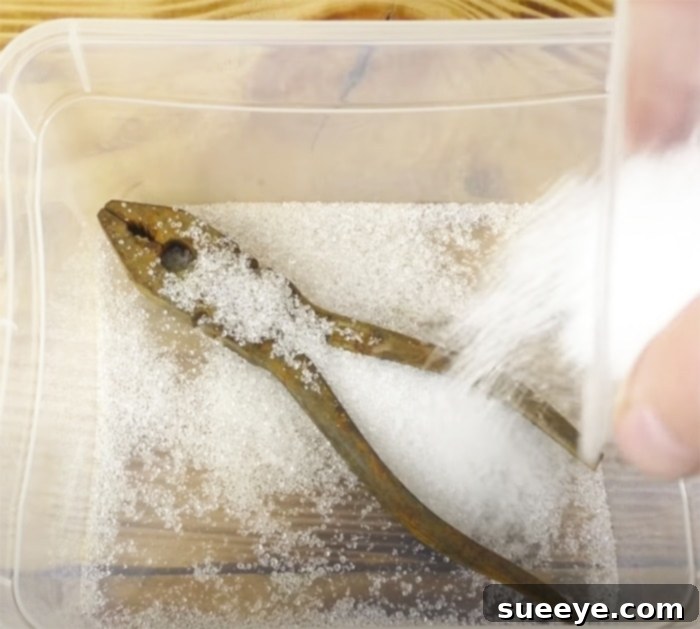
- Place Your Rusty Item(s): Carefully put the rust-affected item(s) into your chosen bucket or container. Ensure there’s enough space for the items to be fully submerged without touching each other too much. If you have multiple items, try not to overcrowd the container, allowing the solution to circulate freely around each piece.
- Add Citric Acid: For most applications, a general guideline is to use about 1-2 tablespoons of citric acid powder per liter (approximately 4 cups or 1 quart) of hot water. Adjust this concentration based on the severity of the rust; for heavily rusted items, you might use a slightly stronger solution, up to 3 tablespoons per liter.
- Pour Hot Water: Carefully pour boiling hot water over the citric acid and the rusty item(s) until they are completely submerged. The hot water is crucial as it significantly accelerates the chemical reaction between the citric acid and the iron oxide, allowing the rust to dissolve faster and more efficiently.
- Allow to Soak: Let the item(s) soak for approximately 2 hours. For light surface rust, you might see results sooner, even within 30 minutes to an hour. For extremely stubborn or thick rust, you may need to extend the soaking time to 4-6 hours, or even overnight. Periodically check the item; you should observe the rust loosening and dissolving into the solution, often turning the water murky brown or reddish.
Step 2: Scrubbing Away the Loosened Rust
After the initial soaking period, the citric acid will have chemically reacted with the rust, transforming it into a more manageable state. Now it’s time for some manual effort to remove the softened rust, revealing the clean metal beneath.
- Remove and Scrub: Don your gloves and protective eyewear. Carefully remove the item from the acidic solution. Using your chosen scrubbing brush (a wire brush is excellent for tough rust on durable items, while nylon is gentler for more delicate surfaces), vigorously brush the object. You’ll notice the rust flaking off easily. For intricate areas or tight spots, an old toothbrush, a small detail brush, or even steel wool (use with caution to avoid scratching) can be invaluable. You can also re-dip the item into the solution as you scrub if needed to keep the rust hydrated and easier to remove.
- Inspect and Repeat if Necessary: Thoroughly inspect the item for any remaining rust spots, paying close attention to crevices and joints. If you find persistent spots or if the rust is exceptionally thick, you have a few options: either return the item to the citric acid solution for an extended soak, or prepare a fresh, more concentrated citric acid paste (just a little water with a lot of powder) and apply it directly to the stubborn areas. Let it sit for 30 minutes to an hour before scrubbing again.
Step 3: Neutralizing, Rinsing, and Drying to Prevent Flash Rust
This final step is absolutely critical to prevent “flash rusting,” which can occur when cleaned metal is exposed to air and moisture immediately after acid treatment. Neutralizing the acid is the key to preserving your hard work.
- Prepare the Neutralizing Bath: Empty the dirty citric acid solution (dispose of responsibly; typically, by heavily diluting with water and pouring down the drain, but check local regulations). Prepare a fresh bath of clean, room-temperature water mixed with a generous amount of baking soda. Baking soda is alkaline and will effectively neutralize any residual citric acid on your item, stopping the chemical reaction and actively preventing immediate flash rust.
- Rinse and Scrub in Baking Soda Solution: Place your now de-rusted item into the baking soda solution. Use your scrub brush or a clean cloth to give it a final rinse and light scrub. This ensures all acidic residues are thoroughly removed from the surface and any crevices.
- Final Rinse: Remove the item from the baking soda bath and rinse it thoroughly under clean running water, ensuring all baking soda residue is also washed away.
- Dry Immediately and Completely: This is perhaps the most crucial step to prevent immediate re-rusting. Using a clean towel or rag, dry the item completely. For small items, you can use a hairdryer or an air compressor to force out moisture from tight spots. Ensure absolutely no moisture remains on the metal surface, as even a tiny amount can initiate new rust formation.
- Apply Protective Coating (Optional but Highly Recommended): Once completely dry, apply a thin, even layer of protective oil (such as mineral oil, WD-40, specific tool oil, or even automotive wax), or paint, depending on the item’s intended use and desired finish. This creates a vital barrier against moisture and oxygen, significantly delaying future rust formation and keeping your item pristine for longer.
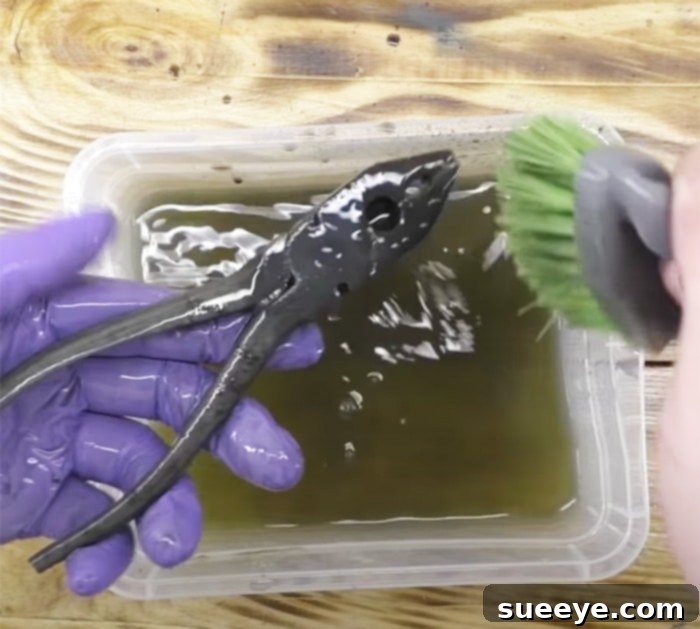
For further visual guidance and additional details on the scrubbing and rinsing process, consider watching the original ToolWorks tutorial on YouTube. It provides an excellent demonstration of these techniques in action and can offer helpful tips for handling specific types of items.
Alternative Natural Rust Removal Methods
While citric acid is our primary focus for its effectiveness and speed, several other natural household items can also effectively tackle rust, albeit sometimes requiring longer soaking times or more manual effort. These alternatives can be useful depending on the severity of the rust, the type of item, and what you have readily available.
1. Apple Cider Vinegar or White Vinegar
Vinegar, particularly apple cider vinegar or common white vinegar, is a readily available household acid that works similarly to citric acid. The acetic acid in vinegar reacts with rust to dissolve it.
- Method: Submerge the rusty item completely in undiluted vinegar. For best results, let it soak for at least 24 hours, or even up to a few days for heavy rust. The longer the soak, the more effective it typically becomes. Afterwards, scrub with a brush to remove the loosened rust and then rinse and dry thoroughly.
- Pros: Very accessible, inexpensive, and generally safe. Works well for a wide range of metal items.
- Cons: Slower acting than hot citric acid, and the strong vinegar smell can be quite potent and lingering.
2. Lemon Juice and Salt
The combination of acidic lemon juice and abrasive salt can create a potent, pleasant-smelling rust-removing paste, ideal for surface rust or areas where submersion isn’t practical.
- Method: Squeeze fresh lemon juice generously over the rusty area and then sprinkle a liberal amount of table salt on top, creating a thick paste. Let it sit for a few hours, or even overnight for more stubborn rust. The salt helps to scour the rust away as the acid works to dissolve it. Scrub with a stiff brush and rinse thoroughly.
- Pros: Natural, smells pleasant, and effective for localized surface rust.
- Cons: Requires more manual scrubbing than soaking, and not ideal for fully submerged, heavily rusted large items.
3. Potato and Dish Soap/Baking Soda
This lesser-known but surprisingly effective method utilizes the oxalic acid naturally found in potatoes, combined with an abrasive agent.
- Method: Cut a potato in half. Apply a generous amount of liquid dish soap or sprinkle baking soda onto the cut surface of the potato. Place the potato half directly onto the rusted area, ensuring good contact. Let it sit for several hours (4-12 hours). The potato’s mild acid, along with the added abrasive, helps to lift and break down the rust. Afterwards, scrub the area and rinse clean.
- Pros: Very gentle, making it good for delicate items or light, superficial rust. Environmentally friendly.
- Cons: Slower acting, might require multiple applications for complete removal, and works best for flat or easily covered surfaces.
Preventing Future Rust: A Proactive Approach to Metal Care
Removing rust is a significant victory, but preventing its return is the ultimate goal. Implementing proactive measures will extend the life of your metal items and save you future effort. Rust prevention is about controlling the environment around your metal.
- Keep Items Dry: Moisture is rust’s best friend and primary catalyst. Always dry metal tools and objects thoroughly after every use or cleaning, especially before storage. Even condensation can be enough to start the rusting process.
- Store in Low-Humidity Environments: If possible, store metal items in a dry, climate-controlled area. Basements and sheds, while convenient, can often be humid environments. Consider using desiccants (like silica gel packets) in toolboxes or storage containers, or a dehumidifier in larger storage spaces, to absorb excess moisture.
- Apply Protective Coatings:
- Oiling: For hand tools, machinery parts, and cast iron cookware, a light, even coat of protective oil (e.g., mineral oil, linseed oil, tool oil, or even a thin layer of cooking oil for cast iron) is highly effective. Reapply periodically.
- Waxing: Carnuba wax or specialized metal waxes can provide a durable barrier for decorative items, antique metals, or even some tools, offering both protection and a polished look.
- Painting/Sealing: For outdoor furniture, garden equipment, car parts, or any other items exposed to the elements, a rust-inhibiting primer followed by a durable paint or clear coat is essential. Ensure proper surface preparation before painting for maximum adhesion and protection.
- Regular Maintenance and Inspection: Periodically inspect all your metal items for early signs of rust. Addressing small spots quickly with a wire brush and a dab of oil prevents them from spreading and becoming a major project.
- Ventilation: Ensure good air circulation in storage areas to prevent moisture from accumulating on metal surfaces.
Frequently Asked Questions About Rust Removal
Q1: Is citric acid safe for all types of metal, including aluminum or copper?
Citric acid is generally very safe and effective for iron, steel, and ferrous metals where rust (iron oxide) is the primary concern. However, it can potentially dull, discolor, or etch certain softer or more reactive metals like aluminum, zinc, or brass if left to soak for too long or used in too high a concentration. For these metals, always test on an inconspicuous area first, use a weaker solution, and keep soaking times very short. It’s generally not recommended for galvanized steel (which is zinc-coated) or items with delicate, non-ferrous finishes.
Q2: What should I do if the rust is very thick and stubborn after the initial soak?
For heavy, layered rust, you may need a stronger citric acid solution (e.g., 3 tablespoons per liter) or a significantly longer soaking time (e.g., overnight or even 24 hours). You might also need to repeat the soaking and scrubbing process multiple times. Another helpful tip is to use a wire brush or scraper to remove the flaky surface rust *before* the initial soak; this allows the citric acid solution to penetrate directly to the underlying rust layers more effectively.
Q3: How should I safely dispose of the used citric acid solution?
The used citric acid solution, now containing dissolved iron particles, can typically be safely diluted with plenty of water and poured down a drain. Citric acid is biodegradable and generally considered environmentally benign in diluted forms. However, if you’ve used an exceptionally high concentration, or if your local municipality has specific wastewater disposal regulations, it’s always best to check with your local waste management facility for specific disposal guidelines to be absolutely sure.
Q4: Can I reuse the citric acid solution for multiple items or future projects?
While you theoretically could, it’s generally not recommended for optimal results. As the citric acid reacts with rust, its effectiveness diminishes over time. The solution also becomes laden with dissolved iron particles and other contaminants, which can hinder further rust removal and potentially redeposit minor impurities onto newly cleaned items. For best and most consistent results, it is advisable to use a fresh solution for each batch of items or heavily rusted pieces.
Q5: How can I ensure my newly cleaned items don’t re-rust quickly after cleaning?
The key to preventing immediate re-rusting (flash rusting) and long-term corrosion is a combination of thorough drying and immediate application of a protective coating. As soon as you complete the baking soda rinse, dry the item completely using a clean towel, a hairdryer, or compressed air to ensure no moisture remains. Then, immediately apply a thin, even layer of a protective agent like mineral oil, WD-40, specific tool oil, automotive wax, or an appropriate paint/sealant, depending on the item. Storing items in a dry, low-humidity environment also significantly helps prolong their rust-free condition.
Conclusion: Reclaim Your Metal Items with Confidence
Rust doesn’t have to signal the end for your valuable tools, cherished household items, or garden equipment. As demonstrated, with a simple, natural ingredient like citric acid and a little patience, you can effectively combat corrosion and restore your metal possessions to their former glory. This DIY approach not only saves you money on replacements or expensive commercial rust removers but also offers the immense satisfaction of transforming something seemingly beyond repair into a functional and beautiful piece once more.
Embrace the power of accessible chemistry and the ease of a simple soaking method. Whether you’re revitalizing your dad’s old workshop tools, sprucing up rusty outdoor decor, or restoring an antique find, this comprehensive guide equips you with the knowledge and step-by-step instructions needed for success. Start your rust removal project today and rediscover the inherent beauty and extended functionality of your metal items!