
Revive Your Towels: The Ultimate Guide to Removing Mildew Smell Naturally with Vinegar and Baking Soda
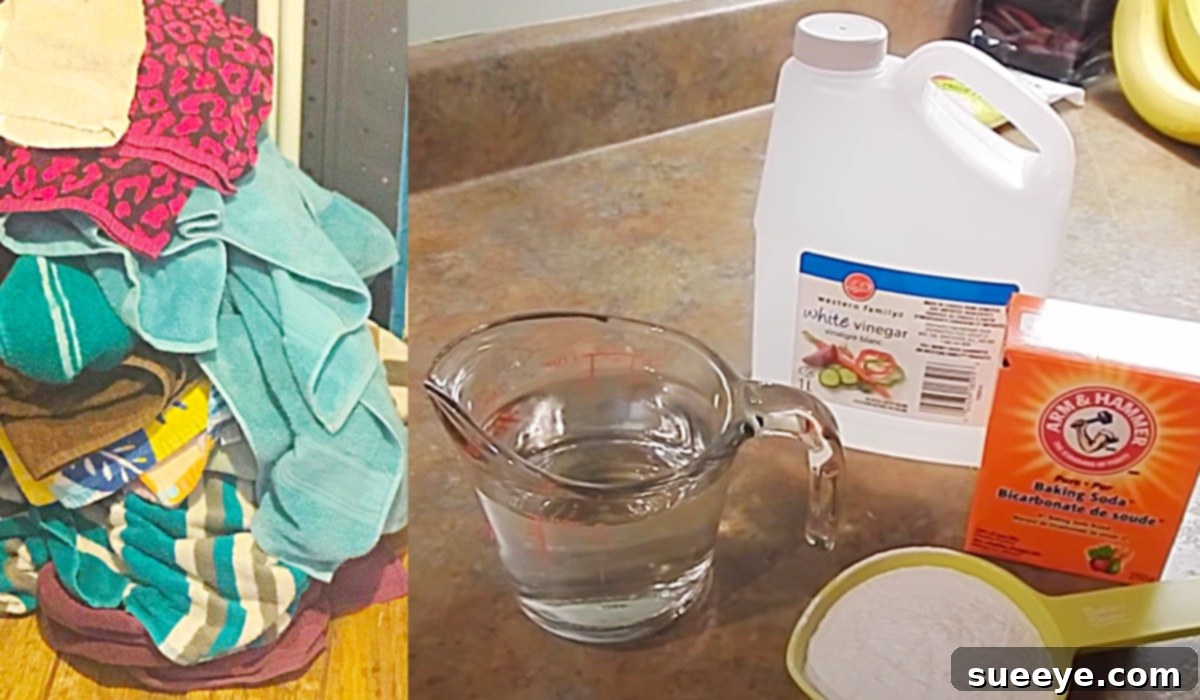
There’s nothing quite as off-putting as reaching for a fresh towel only to be greeted by that tell-tale, musty mildew smell. It’s not just unpleasant; it’s also a sign of fungal growth that can have unhealthy implications for your home environment. Old, mildewed towels often seem destined for the trash, but what if there was a simple, effective way to bring them back to their former glory? The good news is, you can! With just a few common household products and your washing machine, you can restore your towels to their naturally fresh and fluffy state.
We’re excited to share a fantastic method for tackling this common laundry woe, inspired by an excellent towel cleaning video tutorial from Bethany Fontaine on YouTube. Her simple yet powerful approach uses white distilled vinegar and baking soda – two natural heroes in the world of cleaning. Get ready to banish that stubborn mildew odor and enjoy truly clean towels once again.
The Unwelcome Guest: Understanding Mildew in Towels
Before we dive into the solution, it’s helpful to understand what mildew is and why it loves to make its home in your towels. Mildew is a type of fungus, closely related to mold, that thrives in damp, warm environments. Your bathroom, especially after a shower, creates the perfect breeding ground for these microscopic organisms. When towels aren’t dried thoroughly or are left in a damp pile, mildew spores quickly multiply, leading to that distinctive musty odor.
Why Your Towels Get Mildewy
- Insufficient Drying: The most common culprit. If towels aren’t fully dried after use or after washing, residual moisture encourages mildew growth.
- Poor Ventilation: Bathrooms lacking proper ventilation trap humidity, making it harder for towels to dry completely.
- Overloaded Washing Machine: Stuffing too many towels into a wash can prevent thorough rinsing and drying, leaving them damp.
- Leaving Wet Towels Piled Up: A pile of wet towels is a mildew paradise.
- Fabric Softeners: While they make towels soft, some fabric softeners can create a waxy buildup that traps moisture and odors, hindering effective cleaning.
The Health Risks of Mildew
Beyond the unpleasant smell, mildew can pose potential health risks. Exposure to mildew spores can trigger allergies, causing symptoms like sneezing, runny nose, watery eyes, and skin rashes. For individuals with asthma or other respiratory conditions, mildew can exacerbate symptoms, leading to coughing, wheezing, and difficulty breathing. Eliminating mildew from your towels is not just about freshness; it’s about maintaining a healthier living environment for you and your family.
The Power of Natural Cleaners: Vinegar and Baking Soda
When it comes to tackling stubborn odors and grime, nature often provides the best solutions. White distilled vinegar and baking soda are two such powerful, eco-friendly, and non-toxic cleaners that you likely already have in your pantry. Their effectiveness lies in their unique chemical properties, which work together to break down odors, kill bacteria, and leave fabrics fresh.
White Distilled Vinegar: The Deodorizing Dynamo
Vinegar, specifically white distilled vinegar, is a mild acid (acetic acid) that boasts impressive cleaning capabilities. When used in laundry, it acts as a natural deodorizer, disinfectant, and fabric softener. Its acidic nature helps to break down alkaline mineral deposits from hard water and detergents that can cling to towel fibers, making them stiff and less absorbent. More importantly, it kills bacteria and mildew spores responsible for the foul odor, without the harsh chemicals found in many commercial products. It penetrates fabric fibers to neutralize and lift away embedded smells.
Baking Soda: The Odor Neutralizer and Booster
Baking soda, or sodium bicarbonate, is an alkaline compound renowned for its ability to absorb and neutralize odors. Unlike air fresheners that merely mask smells, baking soda actively works to eliminate them by bringing odorous acid and base molecules to a neutral pH balance. In laundry, it also acts as a mild abrasive that can help lift dirt and grime, and it boosts the effectiveness of detergents, leaving clothes cleaner and brighter. When combined with vinegar, it creates a powerful fizzing action that helps to dislodge embedded particles and deep-clean fabrics.
The Synergy of Vinegar and Baking Soda
While effective on their own, the combination of vinegar and baking soda is particularly potent for mildewed towels. Vinegar breaks down the mildew and mineral buildup, while baking soda neutralizes the lingering odors and helps to lift away residues. Used in separate washes, they provide a one-two punch that thoroughly cleanses and refreshes your towels, restoring their original luster and softness without resorting to harsh bleaches or synthetic fragrances.
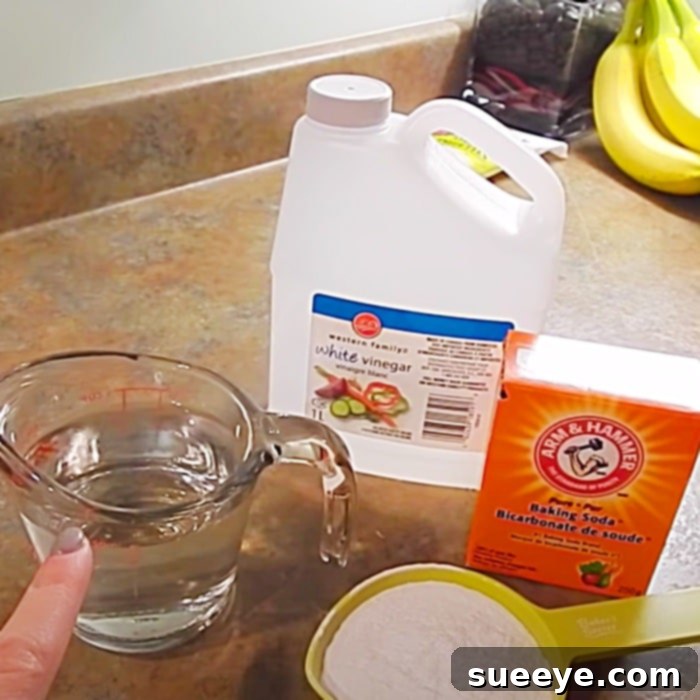
Materials You Will Need To Remove Mildew From Towels:
- 1 cup of white distilled vinegar
- 1 cup of baking soda
- Your mildewed towels
- A washing machine
Directions: Bethany Fontaine’s Simple Steps to Fresh Towels
Inspired by Bethany Fontaine’s practical advice, this method is straightforward and highly effective. For best results, follow these steps closely. Remember, for extremely smelly towels, a pre-soak can make all the difference.
Step-by-Step Towel Revival Process:
-
Prepare Your Towels (Optional Pre-Soak for Stubborn Odors)
First, give your towels a good shake outside to remove any loose debris. If your towels are particularly pungent or have a very strong mildew smell, a pre-soak is highly recommended. Fill your washing machine or a large tub with hot water. Add 1 cup of white distilled vinegar and 1 cup of baking soda. Submerge your mildewed towels completely in this mixture. Let them soak for a few hours, or even overnight, to allow the vinegar and baking soda to penetrate deep into the fibers and start breaking down the mildew and odors. This step significantly boosts the effectiveness of the subsequent washes.
If you’re skipping the pre-soak, proceed directly to the first wash cycle.
-
The Vinegar Wash (Hot Cycle, No Detergent)
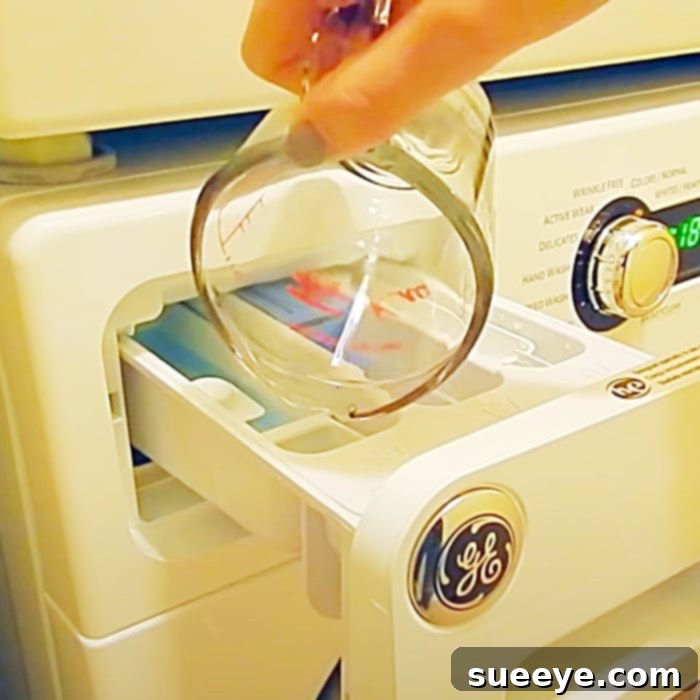
After pre-soaking (if applicable) or directly with your mildewed towels, place them into your washing machine. Add 1 cup of white distilled vinegar directly into the detergent dispenser or, even better, directly into the drum with the towels. Do not add any laundry detergent or fabric softener at this stage. Select the hottest and most intense wash cycle your towels can safely handle (check their care labels). The hot water helps to sanitize the towels and open up the fibers, allowing the vinegar to work its magic more effectively. The vinegar will kill mildew spores, break down residual soap scum, and neutralize odors.
-
The Baking Soda Wash (Hot Cycle, No Detergent)
Once the vinegar cycle is complete, leave the towels in the washing machine. You might notice a slight vinegar smell; this is normal and will disappear. Now, add 1 cup of baking soda directly into the washing machine drum with the towels. Again, do not add any laundry detergent or fabric softener. Run another hot and intense wash cycle. The baking soda will further neutralize any remaining odors, absorb moisture, and help to lift away any stubborn residues that the vinegar might have loosened. It also acts as a gentle booster, enhancing the overall cleaning.
-
Thorough Drying is Key
After the second wash cycle (the baking soda wash) is finished, it is crucial to dry your towels thoroughly and immediately. Transfer them to your dryer and dry them on a high heat setting until they are completely dry. If possible, line dry them outside in the sun for an extra boost of natural sanitization and freshness – the UV rays are excellent at killing lingering bacteria and odors. Ensure there is absolutely no dampness left before folding or storing them. This step is vital to prevent mildew from returning.
This natural method works incredibly well not just for mildew, but for a wide range of stubborn odors that can plague your laundry. Whether it’s the lingering smell of dog urine, the unfortunate stench of rotten food that sometimes happens with dish towels, or simply a general stale aroma, the vinegar and baking soda combination is a powerful solution. You’ll be amazed at how fresh and clean your towels feel and smell after this treatment.
Beyond Mildew: Other Stubborn Odors Eliminated
The beauty of the vinegar and baking soda method extends far beyond just mildew. This powerful duo is your secret weapon against a variety of unpleasant smells that can infiltrate your fabrics:
- Pet Odors: If your furry friends share their space (and sometimes their accidents) with your towels, this method can effectively remove dog urine smell, cat odors, and general pet dander residue.
- Rotten Food Smell: Dish towels are notorious for picking up unsavory kitchen smells, especially if they’ve come into contact with spoiled food. Vinegar and baking soda can strip away these persistent aromas.
- Smoke Smell: For towels exposed to cigarette smoke or campfire odors, this treatment helps to neutralize the smoky residue embedded in the fibers.
- Sweat and Body Odor: Gym towels or well-used bath towels can accumulate stubborn human body odors. The deep cleaning action revitalizes them.
- General Mustiness: Even without visible mildew, towels can sometimes just develop a stale or musty smell from being stored in humid environments. This method brings back a crisp freshness.
Preventative Measures: Keeping Mildew at Bay
Once you’ve successfully removed the mildew smell, the key is to prevent it from returning. Implementing good laundry habits and maintaining a dry environment are essential:
- Hang Towels Immediately and Fully: After each use, hang towels spread out to air dry completely. Avoid piling them up or leaving them crumpled on the floor. Use towel bars or hooks that allow good air circulation.
- Ensure Bathroom Ventilation: Run the bathroom fan during and after showers for at least 15-20 minutes, or open a window to allow steam and humidity to escape.
- Wash Towels Frequently: Don’t let towels sit for too long between washes, especially in humid conditions. Wash bath towels every 3-4 uses, and dish towels even more frequently.
- Don’t Overload the Washer: Give your towels enough room to tumble and rinse properly. An overloaded machine won’t clean effectively, leaving behind detergent residue and moisture.
- Avoid Excessive Fabric Softener: While tempting for softness, fabric softeners can create a waxy buildup on towel fibers, reducing their absorbency and trapping mildew. Consider using vinegar in the rinse cycle as a natural softener instead.
- Dry Thoroughly: Always ensure towels are completely dry before folding and storing them. Never put damp towels into a drawer or closet.
- Clean Your Washing Machine: Your washing machine itself can harbor mildew, especially front-loaders. Run a monthly cleaning cycle with hot water and vinegar or a specialized washing machine cleaner. Leave the door ajar between washes to allow it to air out.
When to Say Goodbye: Knowing When to Replace Your Towels
While the vinegar and baking soda method is incredibly effective, there comes a time when even the most stubborn mildew might signal it’s time for new towels. Consider replacing your towels if:
- The Odor Persists: If, after multiple attempts with the vinegar and baking soda treatment, the mildew smell simply won’t go away, the fibers may be too deeply permeated with fungal growth.
- Loss of Absorbency: If your towels no longer absorb water effectively, they’ve likely reached the end of their lifespan, regardless of mildew.
- Visible Mold/Damage: If you see actual mold spots (which are typically darker and more deeply embedded than mildew), or if the towels are frayed, torn, or threadbare, it’s time for an upgrade.
- Stiffness/Roughness: If they remain stiff and rough even after washing, the fibers might be damaged beyond repair.
Generally, good quality bath towels last anywhere from 2 to 5 years with proper care. By keeping them clean and fresh, you maximize their lifespan and enjoy their comfort longer.
Conclusion: Embrace Freshness, Naturally
Battling mildew smell in towels is a common household challenge, but it doesn’t have to be a losing one. Thanks to simple, natural solutions like white distilled vinegar and baking soda, you can effectively eliminate unpleasant odors and restore your towels to their pristine condition. Bethany Fontaine’s method provides a clear and accessible guide to achieving this, proving that you don’t need harsh chemicals to maintain a fresh and healthy home.
By understanding why mildew forms, applying these powerful natural cleaners, and adopting smart preventative habits, you can ensure your towels always smell wonderfully clean and inviting. Say goodbye to musty odors and hello to the comforting embrace of truly fresh towels. Give this method a try – your nose, and your health, will thank you!