
Avocados, often hailed as nature’s butter, are undoubtedly one of the most beloved and versatile fruits enjoyed across the globe. Their creamy texture and rich, nutty flavor make them a staple in countless cuisines, transforming everyday meals into extraordinary culinary experiences. From the iconic Mexican guacamole and vibrant salads to refreshing smoothies, sophisticated dips, and classic avocado toast, the possibilities are virtually endless. Creative cooks even transform them into unexpected delights like crispy chips, moist bread, decadent truffles, and surprisingly creamy ice cream.
Beyond their incredible taste, avocados are nutritional powerhouses, packed with heart-healthy monounsaturated fats, fiber, vitamins (C, E, K, B-6), folate, and potassium. This impressive profile makes them a highly sought-after superfood, contributing to overall well-being and a balanced diet. Given their status as a global favorite and a significant source of vital nutrients, it’s no wonder that many enthusiasts, myself included, eagerly await their season, stocking up to infuse every dish with their unique goodness.
RELATED: How to Tell If an Avocado Is Ripe and Good to Eat
While their popularity is soaring, so too can be their price tag at conventional grocery stores. This often leads savvy shoppers to local markets or bulk retailers, where finding a good deal on avocados is always a cause for celebration. If you ever stumble upon a fantastic offer, don’t hesitate to seize the opportunity! The common concern, however, is their perceived perishability. Many believe avocados spoil quickly, leading to hesitation in buying large quantities. But what if you could enjoy this luscious fruit for weeks, even up to a month, without worrying about spoilage? The secret lies in mastering proper storage techniques. Far from being a fleeting delight, with the right approach, avocados can remain perfectly fresh in your refrigerator, ready to elevate your meals whenever the craving strikes.
It’s also common to find yourself needing only half an avocado for a quick snack or a single slice of toast. The dilemma of what to do with the other half, often prone to browning and spoilage, can be a source of frustration and food waste. Fortunately, those days are over. With a few simple yet effective storage hacks, a cut avocado half can remain fresh and vibrant for up to a week. No more sacrificing flavor or nutrition! Learn these invaluable techniques and make the most of every avocado you bring home. For a visual guide to keeping avocados fresh, be sure to check out The Cross Legacy’s helpful tutorial.
Mastering the Art of Storing Cut Avocados: Preventing Browning and Maximizing Freshness
The moment an avocado is cut, its creamy green flesh is exposed to air, initiating a process called oxidation. This chemical reaction is responsible for the unsightly brown discoloration that often appears within hours, making the avocado less appealing, though usually still safe to eat. However, with the right strategies, you can significantly slow down this process and keep your cut avocado halves vibrant and delicious for days. The key is to minimize air exposure and, if possible, introduce an acidic barrier.
The “Pit-In-Container” Method: A Simple and Effective Solution
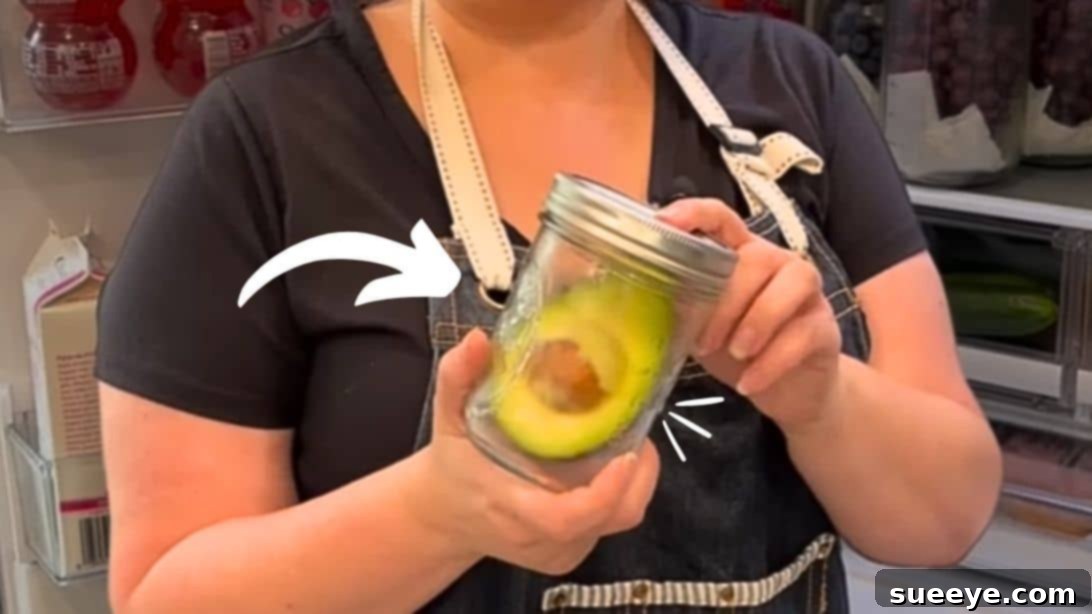
One of the most reliable and widely recommended methods for storing a half-used avocado is to keep the pit intact. The pit acts as a natural shield, protecting a significant portion of the avocado’s surface from direct contact with oxygen. To execute this method effectively, place the avocado half, with its pit still inside, face down in a clean, airtight glass container. A mason jar is an excellent choice due to its secure seal. The goal is to create an environment where the avocado is minimally exposed to air.
Simply place the cut side down into the jar, ensuring there’s as little air as possible around it, and then seal it tightly with a metal lid. This simple technique can keep your cut avocado fresh and green for approximately five to seven days in the refrigerator. The snug fit and reduced air circulation within the jar are crucial for its success.
Enhancing Freshness: Adding an Acidic Layer or Water Bath
For an extra layer of protection against browning, consider adding a thin barrier to the cut surface. A light brush of lemon or lime juice works wonders, as the acidity helps to inhibit oxidation. Alternatively, you can place the avocado half, cut-side down, in a container with a small amount of water (just enough to cover the cut surface). The water creates an oxygen barrier, effectively preventing browning. Ensure the container is sealed tightly before refrigerating. While the water method is effective, some find it can slightly alter the texture of the avocado, making it a bit watery, so always pat it dry before use.
Other Techniques for Extending Shelf Life of Cut Avocados:
- Olive Oil Coating: A thin layer of olive oil brushed over the cut surface can also act as a protective barrier, preventing air from reaching the flesh.
- Onion Method: Placing a quartered onion in the same airtight container as your cut avocado (without touching it) can release sulfur compounds that help inhibit browning. However, be mindful that the avocado might absorb a faint onion aroma.
- Plastic Wrap Direct Contact: While not as effective as airtight containers, tightly pressing plastic wrap directly onto the cut surface, ensuring no air bubbles, can offer some protection.
Regardless of the method chosen, always store cut avocados in the coldest part of your refrigerator. When you’re ready to use it, simply scrape off any minor brown spots (which are harmless) and enjoy the fresh, green flesh underneath.
Optimal Storage for Whole Avocados: A Month of Freshness Awaits
Storing whole avocados effectively is key to enjoying their creamy goodness for an extended period, especially when you’ve bought them in bulk. The primary goal is to manage their ripening process, allowing you to have perfectly ripe avocados ready for consumption over several weeks. The exact storage method depends on whether your avocados are ripe or still firm when you purchase them.
Controlling Ripening: From Counter to Fridge
For Unripe Avocados: If your avocados are still firm and green, the best place to start their journey to ripeness is on your kitchen counter at room temperature. Avocados, like bananas and apples, produce ethylene gas, a natural plant hormone that triggers the ripening process. You can speed up ripening by placing them in a paper bag with an apple or banana, which also emit ethylene gas, concentrating the hormone around the avocados.
For Ripe Avocados: Once your avocados have reached their ideal ripeness – indicated by a slightly soft texture when gently squeezed and a dark green to purplish-black skin (depending on the variety) – it’s time to move them to the refrigerator. Refrigeration significantly slows down the ripening process, effectively pausing it until you’re ready to use them.
The Lemon & Crisper Drawer Advantage
For maximizing the shelf life of whole, ripe avocados in the refrigerator, a clever trick involves lemons and your crisper drawer. Place your ripe whole avocados in the crisper drawer of your refrigerator alongside a lemon or two. The crisper drawer is designed to maintain higher humidity levels, which helps prevent dehydration and keeps the avocado skin from shriveling. The presence of lemons offers an additional benefit: they naturally emit certain compounds that can help to further slow down the ripening process without imparting a flavor to the avocado itself.
Using this method, you can keep whole, ripe avocados fresh and firm for an impressive period – often up to a month from the date of purchase. This allows you to buy in larger quantities without the fear of them over-ripening and going bad before you can enjoy them all. Remember to check them periodically, giving them a gentle squeeze to monitor their firmness. When ready to use, simply remove from the fridge and let them come to room temperature for optimal flavor and texture if desired, though they can also be used cold.
Understanding Why It Works: Ethylene and Temperature
The success of these methods lies in controlling ethylene gas exposure and temperature. Cooler temperatures dramatically slow down the metabolic processes within the fruit, including the production and response to ethylene gas. By placing ripe avocados in the cold crisper drawer, you’re essentially putting their ripening on hold. The lemons, while not as crucial as the cold, can contribute to a stable environment, minimizing rapid changes that could accelerate decay.
This long-term storage solution ensures that your investment in bulk avocados pays off, providing you with a consistent supply of this nutrient-dense fruit for all your culinary needs, from daily toasts to elaborate meal preparations.
Beyond the Fridge: Advanced Tips for Avocado Preservation and Enjoyment
Mastering the basic techniques for storing both whole and cut avocados is a game-changer for any avocado enthusiast. However, there are even more ways to ensure you get the most out of every single avocado, preventing waste and ensuring a steady supply for your culinary adventures. Let’s delve into some additional insights and methods to keep your avocados fresh and delicious.
Freezing Avocados: A Long-Term Solution for Ripe Fruit
When you have an abundance of perfectly ripe avocados and know you won’t be able to consume them all before they pass their prime, freezing is an excellent option. While freezing does alter the texture slightly, making them less suitable for slicing or dicing for salads, it’s perfect for applications where the avocado will be blended or mashed, such as smoothies, guacamole, dressings, or sauces.
How to Freeze Avocados:
- Halves or Chunks: Cut the avocado in half, remove the pit, and peel the skin. You can leave them as halves or cut them into chunks.
- Acid Treatment: To prevent browning during freezing, brush the avocado flesh generously with lemon or lime juice. The acidity helps preserve the vibrant green color.
- Flash Freeze: Place the treated avocado halves or chunks on a baking sheet lined with parchment paper, ensuring they don’t touch. Freeze for 2-3 hours until solid. This prevents them from sticking together.
- Airtight Storage: Transfer the frozen avocado pieces to a freezer-safe bag or airtight container, removing as much air as possible. Label with the date.
Frozen avocados can last for 3-6 months. When ready to use, simply thaw them in the refrigerator overnight or at room temperature for a few hours. They’ll be ready for blending into your favorite recipes.
Recognizing Spoilage: When to Say Goodbye
While these storage methods significantly extend freshness, it’s important to know when an avocado has truly gone bad.
- Texture: A truly spoiled avocado will be excessively soft, mushy, or stringy.
- Color: Beyond superficial browning, significant dark discoloration (black spots, deep brown streaking) throughout the flesh, especially near the pit, can indicate spoilage.
- Smell: A strong, sour, or rancid odor is a clear sign that the avocado should be discarded.
- Mold: Any visible mold on the skin or flesh means it’s time to throw it out.
Remember that minor browning on a cut avocado is usually just oxidation and can be scraped off, revealing fresh green flesh underneath. Don’t mistake this for spoilage!
Maximizing Your Avocado Investment
By implementing these comprehensive storage strategies, you’re not just preserving fruit; you’re preserving flavor, nutrition, and your hard-earned money. No longer will you dread buying avocados in bulk or worry about wasting half an avocado after making a single toast. These tips empower you to embrace the avocado’s versatility fully, integrating it into your daily diet without the stress of rapid spoilage.
Whether you’re making a big batch of guacamole for a party, adding slices to your morning eggs, or blending them into a nutrient-rich smoothie, knowing how to properly store avocados ensures you always have this incredible superfood on hand. Say goodbye to food waste and hello to a consistent supply of perfectly fresh, delicious avocados!