
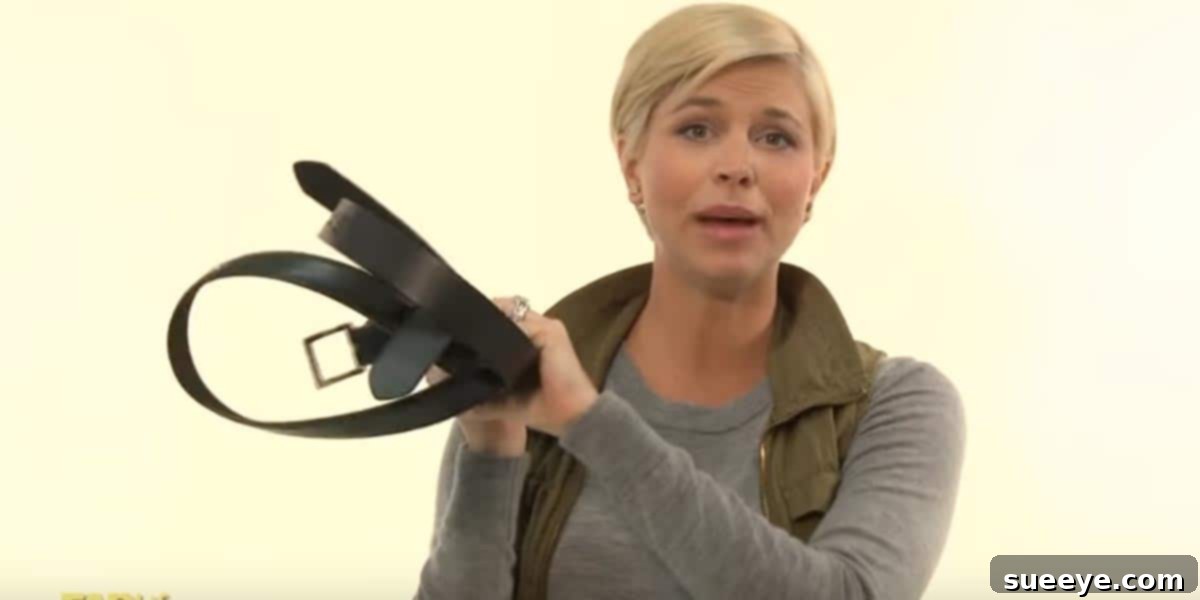
Tired of clutter and looking for innovative ways to refresh your living space without breaking the bank? What if the solution to your organizational woes and decor dilemmas was hiding in plain sight, perhaps in your closet or attic? For many crafters and DIY enthusiasts, the concept of “junk” is simply a mislabeled treasure waiting for a second life. Instead of tossing out items you no longer use, imagine transforming them into something beautiful, functional, and uniquely yours. This mindset not only sparks creativity but also champions sustainability, reducing waste one ingenious project at a time.
Among the myriad of materials ripe for repurposing, old belts stand out as remarkably versatile, durable, and aesthetically appealing. Far more than just fashion accessories, these seemingly simple strips of leather or sturdy fabric possess an inherent strength and a distinctive character that can elevate a wide range of DIY projects. From rustic chic to modern minimalist, old belts can adapt to various design aesthetics, proving their worth long after they’ve cinched their last pair of trousers.
Unleash Creativity: The Art of Upcycling Old Belts
Upcycling, the process of transforming waste materials or unwanted products into new materials or products of better quality or for better environmental value, is more than just a trend—it’s a lifestyle. It’s about seeing potential where others see trash, and it offers numerous benefits. Environmentally, upcycling reduces landfill waste and minimizes the demand for new raw materials, thereby decreasing pollution and energy consumption. Economically, it allows you to create unique items for your home or as gifts without significant cost. Creatively, it challenges you to think outside the box, fostering innovation and providing a profound sense of accomplishment.
For those who thrive on hands-on projects and love the satisfaction of a bespoke creation, old belts present an exceptional canvas. Their inherent qualities—durability, varying textures (smooth leather, woven fabric, embossed patterns), diverse colors, and robust buckles—make them ideal for a multitude of applications. A worn-out leather belt, for instance, carries a vintage charm and resilience that new materials often lack, imbuing your creations with history and character.
Spotlight DIY: The Elegant Floating Belt Bookshelf
One of the most captivating and practical upcycling projects involving old belts is the creation of a floating bookshelf. This ingenious design offers a sleek, space-saving storage solution that adds a touch of rustic sophistication to any room. Unlike traditional bulky bookshelves, a floating shelf maintains an airy aesthetic, making even small spaces feel larger and more open. The use of upcycled leather belts not only contributes to its unique visual appeal but also provides the necessary strength and flexibility to securely hold your cherished books and decorative trinkets.
Crafting Your Own Floating Shelf: What You’ll Need
- **Old Leather Belts:** The star of the show! Aim for sturdy, matching belts, ideally two for each shelf segment. Their length will dictate the depth of your shelf.
- **Scrap Wood:** A sturdy piece of wood (or several, depending on how many shelves you want) to serve as the actual shelf surface. Dimensions can vary, but ensure it’s wide enough for books and proportionate to your belts.
- **Mounting Hardware:** Strong wall anchors and screws appropriate for your wall type (drywall, plaster, brick) to securely attach the belts.
- **Basic Tools:** A drill, measuring tape, pencil, scissors or a utility knife (for cutting belts if needed), and a level.
The process generally involves folding each belt into a loop, securing it to the wall at both ends, and then sliding the wooden shelf through the loops. The tension and strength of the belts, once properly mounted, create a surprisingly robust support system. The beauty of this project lies in its simplicity and the dramatic impact it has on a room’s aesthetic. Imagine a cluster of these shelves, perhaps staggered at different heights, showcasing your favorite reads and curated decor pieces—a truly personalized and conversation-starting display.
The vintage and equestrian appeal of these belt shelves is undeniable. The rich tones of leather, combined with the polished gleam of metal buckles, evoke images of classic libraries, old-world charm, and a timeless sense of adventure. It’s a look that appeals to those who appreciate craftsmanship, history, and unique design elements that tell a story.
Beyond the Bookshelf: A Treasure Trove of Belt Upcycling Ideas
The versatility of old belts extends far beyond just shelving. Once you start seeing their potential, you’ll find inspiration everywhere. Here are just a few more creative ways to repurpose these forgotten accessories, transforming them into stylish and functional items for your home and beyond:
For the Home & Decor:
- **Rug or Door Mat:** Interweave numerous old belts, especially those with varying textures and colors, to create a durable, textured area rug or a unique front door mat. This adds an instant touch of rugged elegance.
- **Magazine or Blanket Sling:** Attach two belts to a wooden dowel or sturdy frame to create a stylish sling for magazines, newspapers, or even small throw blankets. Perfect for a cozy reading nook.
- **Wall Art & Planter Hangers:** Use belts to hang potted plants from the ceiling or wall, adding a natural, bohemian touch. They can also be woven into abstract wall art or used to frame mirrors or pictures for a distinctive look.
- **Clock Hanger:** Wrap an old belt around a favorite wall clock, securing it at the top, and then hang the entire assembly by the remaining length of the belt. This instantly transforms a simple clock into a focal point.
- **Wine Rack:** Create a hanging wine rack by securing sections of sturdy belts to a wall, forming loops that cradle wine bottles horizontally. It’s a functional art piece for any wine enthusiast.
- **Curtain Tie-Backs:** Replace generic curtain tie-backs with elegant leather belts for a more sophisticated and custom window treatment.
- **Stool or Bench Seat:** Weave belts together to create a robust and visually interesting seat for a stool or a small bench. This provides a durable surface with a unique texture.
- **Drawer Pulls/Cabinet Handles:** Cut smaller sections of belts, fold them, and attach them to drawers or cabinets as rustic yet modern pulls.
For Storage & Organization:
- **Utility Roll-Up:** For tools, paintbrushes, or cutlery, sew pockets onto a piece of fabric and use an old belt to roll it up securely for storage or travel.
- **Key Holder:** Attach keyrings to small belt loops and mount the belt to a wall near your entryway for a functional and stylish key organizer.
- **Storage Bin Accents:** Add old belts as decorative straps or handles to plain storage bins or baskets, instantly upgrading their look.
Personal Accessories & Gifts:
- **Bracelets or Cuffs:** Cut sections of patterned or interesting belts to create unique bracelets or cuffs. Add snaps or buckles for closure.
- **Watch Straps:** If you have a favorite watch with a worn-out strap, an old leather belt can often be cut and adapted to create a custom replacement.
- **Bag Straps:** Replace a broken or boring strap on a handbag or tote with a stylish, upcycled belt.
- **Pet Collars/Leashes:** For the adventurous (and responsible) DIYer, sturdy leather belts can be transformed into personalized pet collars or leashes, ensuring safety and proper fit.
Tips for Successful Upcycling Projects
Embarking on an upcycling journey, especially with materials like old belts, can be incredibly rewarding. To ensure your projects are successful and enjoyable, consider these tips:
- **Inspect Your Materials:** Before starting, thoroughly clean your belts. Check leather for cracks or excessive wear that might compromise strength, especially for load-bearing projects.
- **Gather the Right Tools:** Depending on your project, you might need heavy-duty scissors, a leather punch, strong adhesive, rivets, sewing needles for thick materials, and appropriate hardware.
- **Measure Twice, Cut Once:** Precision is key, especially for projects that require symmetry or specific dimensions.
- **Seek Inspiration:** Look at tutorials (like the one linked in the original content from FABLifeShow for the bookshelf) and browse platforms like Pinterest or craft blogs for endless ideas. Don’t be afraid to adapt and personalize.
- **Prioritize Safety:** When drilling, cutting, or using power tools, always follow safety guidelines. Ensure any wall-mounted projects are securely anchored and can safely bear the intended weight.
- **Embrace Imperfection:** The beauty of upcycling often lies in its unique, handmade quality. Don’t strive for factory perfection; instead, celebrate the character and story your repurposed items carry.
Embrace Your Inner Crafter and Make a Difference
Ultimately, whether you consider yourself a “pack rat” or simply someone who appreciates mindful consumption, upcycling old belts offers a fantastic avenue for creative expression and sustainable living. It’s an invitation to look at everyday objects with fresh eyes, seeing not what they were, but what they could become. Each repurposed belt tells a new story, breathes fresh life into your home, and contributes to a more conscious approach to consumption.
So, before you consider throwing away those old, forgotten belts, pause for a moment. Hold them in your hand, feel their texture, and let your imagination wander. You might just discover your next favorite DIY project, creating something truly unique and valuable from what once seemed like mere junk. The possibilities are endless, and the satisfaction of transforming the old into the new is a reward in itself. Get crafting!