
There’s a unique joy and profound satisfaction that comes with cooking at home. Far more than just a chore, it’s an opportunity for creative expression, a gateway to exploring diverse global cuisines without ever leaving your kitchen, and a comforting ritual that nourishes both body and soul. When you take charge of your meals, you gain complete control over every ingredient, ensuring freshness, quality, and dietary alignment. You can prepare generous, budget-friendly batches, perfectly tailoring flavors to your personal preferences. The benefits extend beyond the plate, fostering a sense of accomplishment and often providing a therapeutic escape from daily stresses. Indeed, the advantages of crafting your own meals are boundless.
Beyond the practicalities, homemade dishes carry an unparalleled sense of comfort and warmth. There’s an undeniable charm in a hearty, lovingly prepared meal that truly nothing else can replicate. If you’re passionate about cooking, or even if you’re just looking to make your time in the kitchen more efficient and enjoyable, integrating professional techniques can transform your culinary experience. Renowned culinary expert Joshua Weissman, known for demystifying complex cooking concepts, shares invaluable insights that can elevate your home cooking. We’ve compiled five genius food hacks, straight from the playbooks of seasoned chefs, designed to make your kitchen endeavors faster, easier, and ultimately, more rewarding. Prepare to revolutionize your cooking routine with these surprisingly simple yet incredibly effective tips.
RELATED: Master Your Kitchen: 6 Essential Food Tricks for Every Home Cook
For even more innovative kitchen strategies and efficiency boosters, delve into these resources: Unlock a Spotless Kitchen: Debunking Common Cleaning Mistakes and Unveiling Surprising Solutions!
Elevate Your Culinary Skills: 5 Genius Kitchen Tips for Faster and Easier Cooking
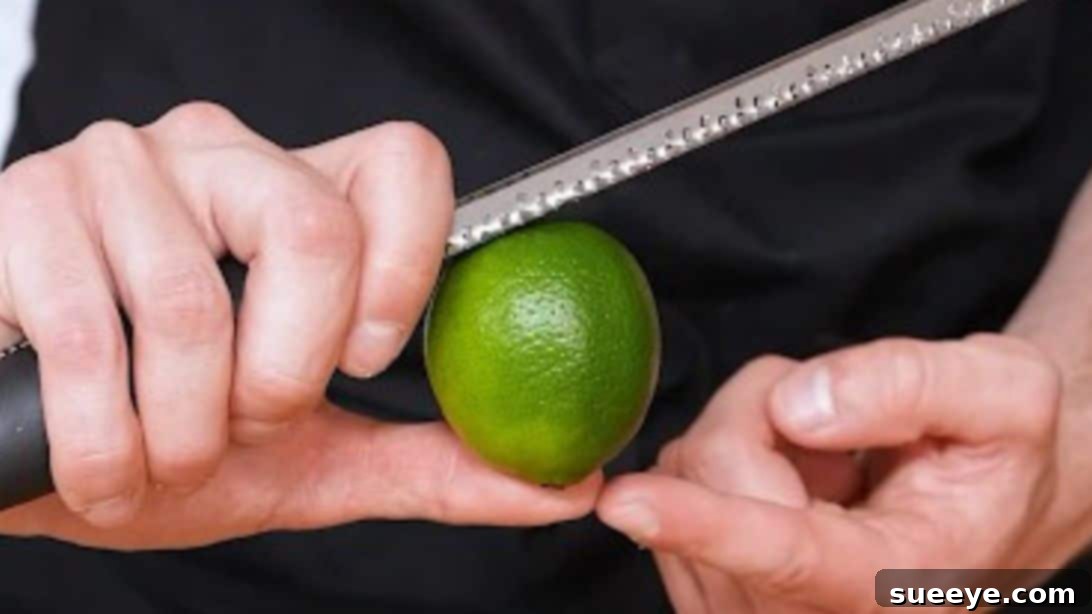
1 – Effortless Citrus Zesting: The Chef’s Secret to Maximum Flavor
Citrus zest is a powerhouse of flavor and aroma, containing concentrated oils that can brighten and uplift almost any dish, from savory marinades and dressings to sweet desserts and refreshing cocktails. However, many home cooks struggle with inefficient or messy zesting techniques, often removing too much bitter pith or scraping their knuckles in the process. This chef-approved method guarantees a perfect zest every time, maximizing flavor extraction while minimizing effort and waste.
To master this technique, begin by holding your lemon zester (preferably a microplane, though a traditional zester works) firmly in one hand, gripping it between the stainless steel grating surface and the handle. With your other hand, hold the citrus fruit (lemon, lime, or orange) securely. Now, place the zester gently on the top of the fruit. Instead of just pulling the zester down, use your thumb (from the hand holding the zester) to provide controlled pressure. As you push down, simultaneously turn the fruit with your other hand, guiding it in a circular motion all the way around and down the fruit. This concurrent pushing and turning action ensures that only the vibrant, flavorful outer layer of zest is removed, leaving the bitter white pith untouched. Repeat this fluid motion until you’ve zested the entire desired surface area of the fruit. This systematic approach not only prevents skinning your knuckles but also provides a more consistent and fine zest, perfect for incorporating into your culinary creations. Remember, consistency is key for even flavor distribution. Store any leftover zest in an airtight container in the freezer for future use; it holds its potency remarkably well.
2 – Dicing Hard-Boiled Eggs in Seconds: A Clever Trick for Uniformity
Hard-boiled eggs are a versatile ingredient, perfect for salads, sandwiches, garnishes, and more. However, manually dicing them can be a tedious and messy affair, often resulting in uneven pieces and sticky fingers. This ingenious hack offers a lightning-fast and incredibly efficient way to achieve perfectly diced hard-boiled eggs with minimal fuss, ensuring uniformity that enhances both presentation and texture in your dishes.
The secret lies in utilizing a common kitchen tool in an unconventional way. Begin by placing a standard wire cooling rack (the kind you use for cookies or baked goods) directly on top of a flat container or plate. Ensure the rack is stable. Next, take a perfectly hard-boiled egg that has been peeled and cut it lengthwise in half. Place one half of the egg onto the wire rack, aligning the cut side down. Then, using gentle but firm pressure, simply push the egg half through the wires of the rack. The wires will effortlessly slice through the egg, producing beautifully uniform dice in a matter of seconds. Repeat with the other half of the egg, and then any remaining eggs. This method is not only remarkably quick but also provides consistently sized pieces, which is crucial for recipes like egg salad where texture and even distribution of ingredients are important. This technique can also be adapted for other soft, cooked foods like avocado (for guacamole) or even very soft cooked potatoes (for potato salad), demonstrating its versatility and making prep work significantly faster and more enjoyable.
3 – Streamlining Your Workspace: The Art of Kitchen Waste Management
A tidy kitchen is an efficient kitchen. One of the hallmarks of a professional chef’s workspace is impeccable organization and a proactive approach to cleanliness, often referred to as “mise en place” – everything in its place. This philosophy extends beyond ingredients to include waste management. Clutter from discarded scraps can quickly accumulate, creating a chaotic environment that slows down cooking, increases the risk of cross-contamination, and makes the entire process less enjoyable. Implementing a designated waste system right at your prep station can drastically improve your kitchen workflow.
The core of this hack is remarkably simple: keep a large, easily accessible container for trash right next to your primary cutting board and prep area. This could be a designated “scrap bowl,” a large mixing bowl, or even an open shopping bag. The goal is to eliminate the need to constantly walk back and forth to your main trash can every time you generate waste. As you peel vegetables, trim meats, or discard packaging, simply sweep the refuse directly into your nearby container. This “clean as you go” approach prevents piles of scraps from building up on your countertop, freeing up valuable workspace and maintaining a hygienic environment. It allows you to stay focused on the task at hand, whether it’s precise knife work or delicate seasoning. By integrating this habit into your cooking routine, you’ll find your kitchen remains significantly cleaner throughout the entire cooking process, making post-meal cleanup much faster and less daunting. Consider also having separate containers for compostable materials if you compost, or for recycling if space allows, further streamlining your waste sorting efforts.
4 – Rapid Cooling Techniques: Mastering the Ice Bath for Food Safety and Quality
In cooking, controlling temperature is paramount, not just for the final dish but also for safety and subsequent preparation. Many recipes require ingredients or cooked dishes to be cooled down quickly – whether to stop the cooking process (e.g., blanched vegetables), to chill a sauce for immediate use, or to safely store large quantities of food without allowing it to linger in the “danger zone” where bacteria multiply rapidly. The ice bath, or “bain-marie inversée,” is a fundamental chef’s technique for achieving rapid cooling with precision and efficiency.
To create an effective ice bath, select a bowl that is significantly larger than the one containing the hot food you wish to cool. Fill the larger bowl generously with ice, then add enough cold water to create a slushy mixture. The combination of ice and water is crucial: the water ensures maximum surface contact with the inner bowl, while the ice provides the extreme cold. Place the bowl containing your hot mixture directly into the ice bath. The key to rapid cooling is constant agitation. Stir the contents of the inner bowl continuously. This stirring motion encourages heat transfer by constantly bringing the warmer liquid or food into contact with the chilled surface of the bowl, allowing the cold from the ice bath to absorb the heat more quickly. This technique is invaluable for chilling custard bases before churning ice cream, rapidly cooling stocks and soups for safe refrigeration (preventing them from sitting at room temperature for too long), or immediately stopping the cooking of blanched vegetables to preserve their vibrant color and crisp-tender texture. Mastering the ice bath is a critical step for both culinary excellence and food safety in any kitchen.
5 – The Critical Rule of Heat: Why a Dry Towel is Your Best Friend in the Kitchen
Kitchen safety is paramount, especially when dealing with extreme heat from ovens, stovetops, or hot liquids. One seemingly innocuous habit that can lead to severe burns is using a wet towel to handle hot items. This common mistake can quickly turn a helpful tool into a dangerous hazard due to basic principles of physics and thermodynamics.
When you use a wet towel to grab something hot from the oven or to move a hot pot, the moisture in the towel rapidly absorbs heat. Water has a very high specific heat capacity, meaning it can absorb a lot of thermal energy. More critically, when this absorbed heat reaches the boiling point of water (100°C or 212°F), the water quickly converts into steam. Steam, at these temperatures, carries a tremendous amount of latent heat of vaporization, which is heat energy stored within the phase change itself. This superheated steam is far more efficient at transferring heat to your skin than dry heat, leading to much more severe and deeper burns. The wet towel essentially becomes a steam generator right in your hand, often causing instant, excruciating pain and significant injury.
To ensure your safety, always reach for a completely dry towel, a thick oven mitt, or a silicone pot holder when handling anything hot. Dry fabrics provide an insulative barrier that slows down heat transfer, protecting your hands. Beyond this specific tip, always remember other fundamental kitchen safety rules: turn pot handles inward to prevent accidental knocking, vent steam away from your face when lifting lids, and ensure your hands are dry when operating electrical appliances near water. Prioritizing safety through awareness of these simple principles can prevent painful accidents and make your cooking experience much more secure and enjoyable.
Beyond the Basics: Essential Food Hacks Used by Professional Chefs
Incorporating these five fundamental hacks, championed by professional chefs like Joshua Weissman, will undoubtedly transform your home cooking. From the meticulous precision of citrus zesting to the critical safety of handling hot items, each tip is designed to enhance efficiency, elevate flavor, and ensure a safer, more enjoyable kitchen environment. These aren’t just tricks; they are principles of culinary excellence that, once adopted, become second nature. Embrace these chef secrets, experiment with them in your daily cooking, and watch as your confidence and capabilities in the kitchen soar. Cooking at home should be a joyful and empowering experience, and with these expert insights, you’re well on your way to becoming a true master of your own kitchen.