
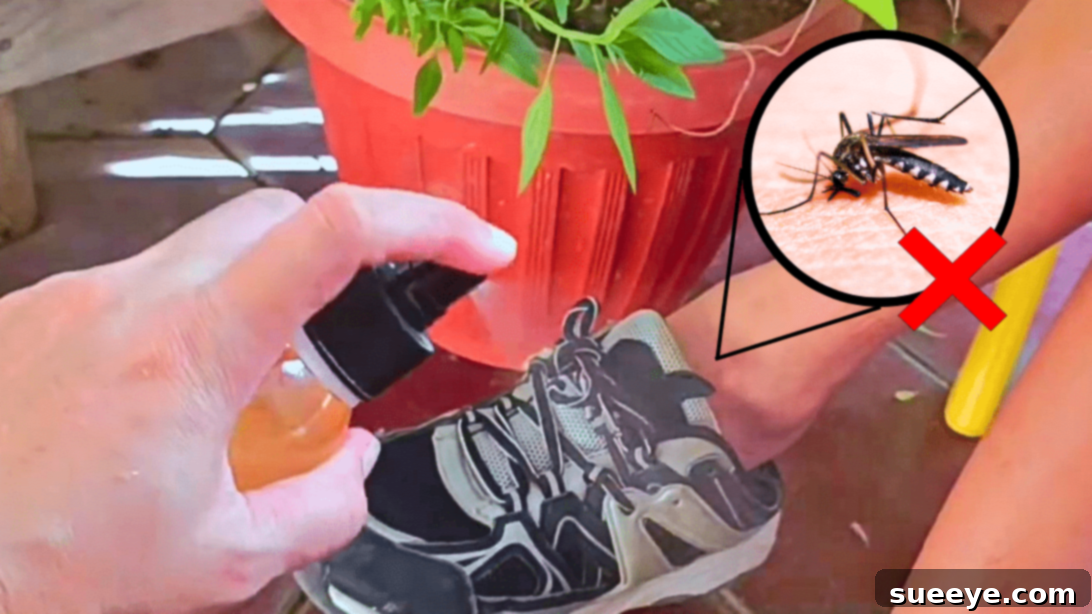
The tranquility of a beautiful day, whether spent basking in your garden, enjoying a leisurely picnic, or simply relaxing indoors, can quickly be disrupted by the unwelcome presence of insects. From the incessant buzzing of flies to the stealthy, itchy bites of mosquitoes, these tiny invaders are more than just a nuisance. They can transform a peaceful moment into a frustrating battle, not only because their bites can cause discomfort and irritation but also due to the potential health risks they carry. Mosquitoes, for instance, are notorious vectors for various diseases, while flies can easily contaminate food surfaces, posing a risk to your family’s health. It’s an all too common scenario: you might not even notice a mosquito has bitten you until an irritating bump appears, or a fly has already laid eggs on your uncovered food in mere minutes. Addressing this common household and outdoor challenge effectively is key to reclaiming your comfort and peace of mind.
While numerous commercial insect repellents are available on the market, many people are increasingly seeking natural, cost-effective, and chemical-free alternatives. The appeal of creating your own homemade bug spray lies in the ability to control the ingredients, ensuring a product that is potentially safer for your skin, your family, and the environment. This approach not only provides a powerful defense against pesky insects but also empowers you with a simple, sustainable solution. By following a straightforward recipe and video tutorial, such as this fantastic guide from HomeDIYTips on YouTube, you can easily craft an effective natural insect repellent that offers hours of protection.
However, it’s crucial to remember that personal repellents are just one aspect of a comprehensive pest management strategy. The ultimate defense against insects, both indoors and outdoors, begins with proactive measures. Maintaining a consistently clean and tidy living environment is paramount, making your home and yard less hospitable for insects to breed and thrive. This holistic approach, combining personal protection with environmental prevention, is the most effective way to ensure a truly insect-free experience. After all, prevention is always better than cure. Regular cleaning routines, identifying and sealing potential entry points, and utilizing natural traps or deterrents are essential steps to keep these uninvited guests from multiplying and becoming a persistent problem.
The Power of DIY Natural Insect Repellents
Choosing to create your own insect repellent offers a myriad of benefits beyond just saving money. In an age where consumers are becoming increasingly aware of the chemicals they expose themselves to, natural DIY options provide a reassuring sense of control. Commercial bug sprays often contain DEET or picaridin, which, while effective, can sometimes cause skin irritation or raise concerns about long-term exposure. A homemade repellent, especially one utilizing natural ingredients like cloves, offers an alternative that harnesses nature’s own protective mechanisms.
This particular DIY recipe stands out for its simplicity and effectiveness. It utilizes common household items, making it accessible to virtually anyone. The careful selection of ingredients ensures that you’re creating a potent barrier against insects without resorting to harsh chemicals. Let’s delve into what you’ll need to assemble this powerful, natural bug deterrent.
Essential Ingredients and Tools for Your Homemade Bug Spray:
Gathering the right components is the first step towards crafting your effective natural bug spray. The beauty of this recipe lies in its use of readily available and inexpensive items. Here’s a detailed list of what you’ll need, along with a brief explanation of each ingredient’s role:
- Rubbing Alcohol: This acts as an excellent solvent, helping to extract the active compounds from the cloves. It also serves as a carrier base for the repellent, ensuring an even application.
- Cloves (Whole): The star ingredient of this recipe. Cloves contain eugenol, a potent natural compound known for its insect-repelling properties. Its strong aromatic scent is a powerful deterrent to many insects, especially mosquitoes and flies.
- Baby Oil: Essential for skin safety and application. Baby oil helps to dilute the mixture, making it gentler on the skin. It also aids in creating a light, moisturizing barrier that helps the repellent adhere longer, enhancing its effectiveness.
- Plastic Bottle or Container with a Lid: This will be used for the initial infusion process, allowing the cloves to steep in the alcohol without evaporation.
- Spray Bottle: For convenient and even application of your finished insect repellent. Look for a fine mist spray bottle for best results.
- Funnel (optional but recommended): A funnel will greatly assist in transferring the liquid mixture between containers, preventing spills and making the process cleaner and more efficient.
How to Make an Effective Natural Insect Repellent: Step-by-Step Guide
Crafting this natural insect repellent is a straightforward process that requires minimal effort but a bit of patience for the infusion stage. Follow these simple steps to create your protective barrier against bothersome bugs:
Step 1: The Initial Infusion Setup
Begin by selecting a clean, sealable container or a small plastic bottle. Pour 100ml (approximately 3.5 ounces) of rubbing alcohol into the container. Next, add 1 tablespoon of whole cloves to the alcohol. Ensure the container is securely closed with its lid. This step is crucial as it initiates the extraction process, where the alcohol begins to draw out the powerful insect-repelling compounds from the cloves.
Step 2: The Infusion Period – Unlocking Nature’s Power
Once sealed, set the mixture aside in a cool, dark place for approximately four days. During this infusion period, it’s vital to shake the container at least twice daily. This regular agitation helps to ensure that the cloves are thoroughly steeped in the alcohol, maximizing the extraction of eugenol and other active components. You’ll notice the alcohol gradually changing color as it absorbs the properties of the cloves. Once the four days have passed and the alcohol has taken on a rich, clove-infused character, your base repellent is ready for the next stage.
Step 3: Finalizing and Application – Ready for Protection
Now, it’s time to prepare your repellent for use. Carefully transfer the clove-infused alcohol mixture into a clean spray bottle. Using a funnel can prevent any spillage during this transfer. To this mixture, add about 1 tablespoon of baby oil. Close the spray bottle tightly and give it a good shake until all the ingredients are fully combined. The baby oil helps to emulsify the solution and makes it gentler on your skin, while also helping the repellent adhere better for long-lasting protection. Before full application, always perform a small patch test on your skin to ensure no adverse reactions. Once confirmed safe, spray this homemade repellent generously onto your exposed skin and spread it well for complete and effective coverage. Reapply as needed, especially after swimming or excessive sweating.
How to Repel Insects Naturally: Comprehensive Prevention Strategies
While a natural DIY insect repellent provides excellent personal protection, a truly effective approach to managing pests involves adopting broader strategies to deter them from your home and garden. Combining topical repellents with environmental control creates a formidable defense against insects. Here are several comprehensive, natural prevention strategies:
Indoor Insect Prevention: Creating an Uninviting Environment
Your home should be a sanctuary, not an insect haven. Simple habits and maintenance can make a huge difference:
- Maintain Impeccable Cleanliness: Insects, particularly flies and ants, are attracted to food sources. Ensure all food spills are immediately cleaned, crumbs are swept, and dishes are washed promptly. Store food in airtight containers to deny pests easy access. Regularly empty trash cans, especially those containing food waste, and keep them covered.
- Seal Entry Points: Inspect your home for any cracks, gaps, or openings that insects might use to enter. This includes gaps around windows, doors, pipes, and utility lines. Use caulk, weatherstripping, or screens to seal these potential entry points. Ensure window and door screens are intact and free of tears.
- Control Moisture: Many insects, especially mosquitoes and silverfish, thrive in damp environments. Fix any leaky pipes, faucets, or roofs. Ensure good ventilation in bathrooms and kitchens. Use dehumidifiers in basements or other humid areas to reduce moisture levels.
- Declutter Regularly: Clutter provides excellent hiding spots for insects like spiders, cockroaches, and silverfish. Regularly clear out unused items, old newspapers, and cardboard boxes. Store items off the floor in sealed bins where possible.
Outdoor Insect Prevention: Making Your Yard a No-Fly Zone
Your outdoor spaces are often the first line of defense. By managing your yard effectively, you can significantly reduce insect populations:
- Eliminate Standing Water: This is perhaps the most critical step for mosquito control. Mosquitoes breed in stagnant water. Regularly empty bird baths, pet water bowls, flowerpot saucers, clogged gutters, and any other containers that collect water. Inspect your yard after rain and remove any potential breeding grounds.
- Keep Your Yard Tidy: Overgrown grass, tall weeds, and dense shrubs provide shelter and breeding grounds for various insects. Mow your lawn regularly, trim bushes and trees, and remove leaf litter and yard debris. Stack firewood neatly and away from your house.
- Strategic Planting: Some plants naturally repel insects. Consider planting citronella grass, marigolds, basil, lavender, rosemary, or mint around your patio or near entryways. While their effectiveness can vary, they add an extra layer of natural deterrence.
- Outdoor Lighting Choices: Traditional incandescent and fluorescent lights often attract a variety of night-flying insects. Switch to yellow “bug lights” or LED lights, which are less appealing to pests. Position lights away from entry points to your home.
- Maintain Your Gutters: Clogged gutters can hold standing water and decaying leaves, creating ideal breeding conditions for mosquitoes and other pests. Clean your gutters regularly to ensure proper drainage.
Safety Considerations for DIY Repellents:
While natural ingredients are generally safer, it’s always wise to exercise caution:
- Patch Test: Before applying the repellent all over your body, spray a small amount on an inconspicuous area of your skin (e.g., inner forearm) and wait for a few hours to check for any allergic reactions or irritation.
- Avoid Eyes and Mouth: Be careful when applying the spray, especially around your face. Avoid direct contact with eyes, mouth, and any open wounds or broken skin.
- Keep Out of Reach of Children and Pets: Store your homemade repellent in a clearly labeled bottle and keep it away from children and pets, especially during the infusion stage when ingredients are more concentrated.
- Reapplication: Natural repellents may require more frequent reapplication than commercial ones, particularly if you are sweating heavily or after swimming.
By integrating these natural insect repellent and prevention strategies, you can significantly enhance your comfort and enjoyment of both your indoor and outdoor spaces, creating an environment that is truly yours to savor, free from the annoyance and risks posed by insects.
*All image credit belongs to HomeDIYTips via YouTube. Follow and subscribe to their channel for more inspiring DIY projects and helpful tips!