
Unlock Culinary Freedom: The Amazing Power of DIY Retained Heat Cooking
Imagine a world where your food stays perfectly warm, or delightfully chilled, for hours on end—without a single watt of electricity. This isn’t a futuristic dream; it’s the ingenious reality of a retained heat cooker, a marvel of simple physics often referred to as a “hay box” or “thermal cooker.” When I first stumbled upon the concept, its promise of keeping food warm for potlucks, picnics, and even everyday meals without continuous power instantly piqued my curiosity. I’d never encountered such a clever, eco-friendly solution before, and the potential it held for simplifying my kitchen routine was simply astounding.
For me, this innovative DIY project emerged as the perfect answer to numerous culinary challenges. There are days I prefer not to be tethered to the kitchen, stirring pots right when my family is ready to eat. With a retained heat cooker, I can prepare meals well in advance, bring them to a boil, and then let the thermal magic take over. The food continues to cook gently, or stays hot, without any further intervention. This means I can enjoy my evening without constantly checking on dinner, knowing it will be perfectly ready and warm whenever we decide to gather around the table. It’s truly a game-changer for meal flexibility and stress-free dining.
Beyond the convenience of everyday home use, this remarkable device proves invaluable for outdoor gatherings. Whether you’re heading to a bustling cookout, a serene picnic in the park, or a family camping trip, a thermal cooker ensures your culinary creations remain at their optimal temperature. Hot dishes stay piping hot, and cold items, from vibrant salads to refreshing desserts, remain wonderfully chilled. It eradicates the need for bulky coolers filled with melting ice or the constant search for power outlets, offering unparalleled freedom in food transport and serving.
What Exactly is a Retained Heat Cooker?
At its core, a retained heat cooker is an incredibly efficient insulated container designed to continue the cooking process, or maintain temperature, using only the heat already present in the food. The concept dates back centuries, with early versions known as “hay boxes” where hot pots were nestled into insulated chests filled with hay or straw. The principle is elegantly simple: once food reaches boiling point, it has absorbed a significant amount of thermal energy. By surrounding the pot with effective insulation, this energy is trapped, allowing the food to continue cooking slowly and gently, or simply remain hot, for extended periods.
The Science Behind the Simplicity: How It Works
The operational magic of a retained heat cooker relies entirely on thermal insulation. Here’s a breakdown of the process:
- Initial Heating: You begin by preparing your meal—a stew, soup, rice, or any dish that requires simmering—on a conventional stovetop. Bring the food to a rolling boil and allow it to simmer vigorously for a few minutes. This step is crucial, as it ensures the food reaches a sufficiently high temperature and absorbs enough heat energy to sustain the subsequent cooking process.
- Transfer to Insulation: Carefully transfer the hot, lidded pot directly into your retained heat cooker. The cooker, essentially a large, well-insulated bag or box, is designed to snugly envelop the pot. The insulation material, whether fabric, blankets, or even specialized inserts, immediately begins to trap the heat radiating from the pot.
- Retained Heat Cooking/Holding: Once sealed within the insulated environment, the food continues to cook gently at a gradually decreasing temperature, or simply maintains its warmth. Because the heat loss is minimal, the internal temperature of the food remains above safe thresholds for many hours, allowing it to tenderize, meld flavors, and complete its cooking cycle without any external energy input. The key advantage here is that food cannot burn or overcook, as the heat source is diminishing rather than constant.
- Keeping Things Cold: The same principle applies in reverse. If you place a thoroughly chilled item, like a frozen dessert or cold beverages, into the insulated cooker, the insulation works to prevent external heat from reaching the contents, keeping them delightfully cold for hours.
The Myriad Benefits of Embracing Thermal Cooking
Integrating a retained heat cooker into your kitchen arsenal opens up a world of advantages that extend far beyond simple convenience:
Energy Efficiency & Significant Cost Savings
In an era of rising utility costs and increasing environmental awareness, the energy-saving aspect of thermal cooking is paramount. By significantly reducing the time your food spends on the stovetop or in the oven, you drastically cut down on energy consumption. This translates directly into lower electricity or gas bills and a smaller carbon footprint, making it a truly sustainable cooking method for the eco-conscious household.
Unmatched Convenience & Superior Time Management
Imagine preparing your entire meal in the morning, letting it cook itself throughout the day, and returning home to a perfectly cooked, warm dinner. This “set-it-and-forget-it” method liberates you from constant kitchen supervision. It’s ideal for busy weekdays, allowing you to focus on other tasks, spend time with family, or simply relax. For entertaining, pre-cooking in a thermal cooker means you’re not scrambling in the kitchen while guests arrive; instead, you’re free to socialize, knowing the food is taking care of itself.
Incredible Versatility: More Than Just Cooking
The utility of a retained heat cooker isn’t limited to just slow cooking stews and grains. Its remarkable insulation capabilities make it exceptionally versatile:
- Cooking: Perfect for tough cuts of meat, legumes, rice, soups, and curries that benefit from long, gentle simmering.
- Keeping Food Warm: Essential for potlucks, buffet-style meals, or when family members eat at different times.
- Keeping Food Cold: Transform it into a portable, power-free cooler for ice cream, chilled drinks, or perishable salads on hot days. I’ve personally thrown in ice cream and pulled it out four hours later, still perfectly frozen!
- Making Yogurt: The stable, warm environment is ideal for culturing yogurt from warm milk.
Enhanced Food Quality & Flavor
Because thermal cooking involves gentle, even heat, food cooked this way rarely burns or dries out. The slow process allows flavors to meld beautifully, often resulting in richer, more tender, and more flavorful dishes. Nutrients are also better preserved as there’s less evaporation and less vigorous boiling.
Portability & Off-Grid Capability
Whether you’re camping, tailgating, hosting an outdoor event, or experiencing a power outage, a thermal cooker becomes an indispensable tool. It requires no electricity or external fuel source once the initial heat-up is done, making it perfect for off-grid living and emergency preparedness. This freedom from power outlets means your culinary adventures are no longer bound by location.
DIY Your Own Thermal Cooker: A Simple and Rewarding Project
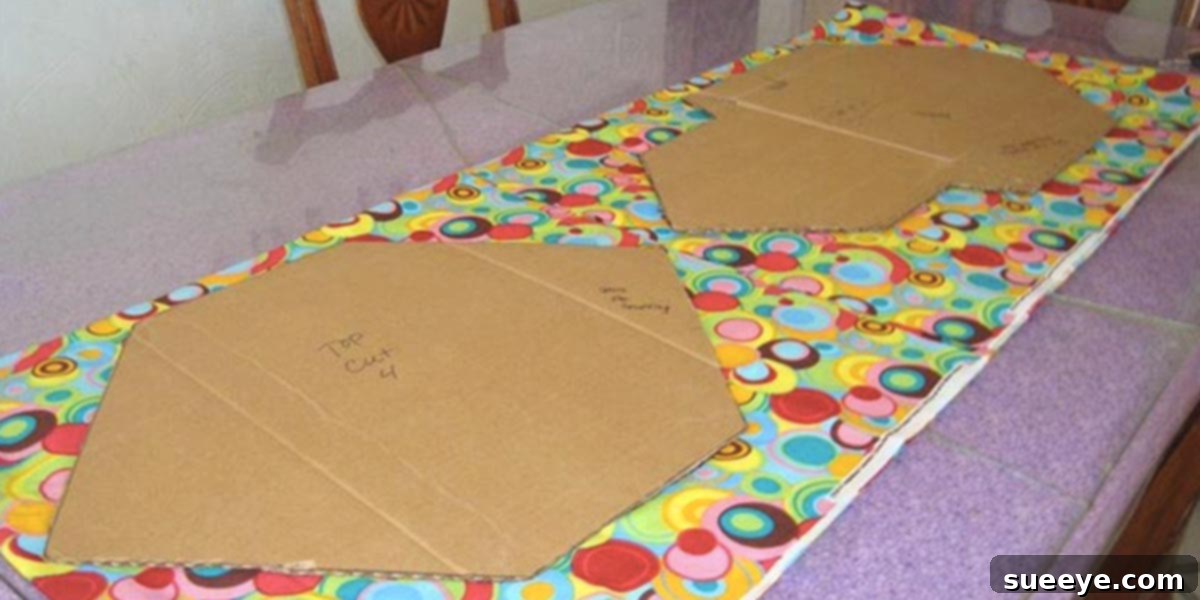
The beauty of a retained heat cooker lies not only in its functionality but also in its accessibility as a DIY project. You don’t need specialized skills or expensive materials to create your own. Many successful designs utilize readily available items, transforming old blankets, towels, fabric scraps, or even dried leaves and straw into effective insulation. The core idea is to create a well-padded, snug enclosure for your cooking pot.
When my neighbor first saw my homemade thermal cooker, she playfully mistook it for a decorative bean bag. Her astonishment turned to amazement when I explained its true purpose—that this humble cushion could actually continue to cook food! This little cushion does far more than just look pretty; it’s a testament to practical ingenuity, keeping hot things hot or cold things cold with remarkable efficiency. Step-by-step tutorials are widely available online, guiding you through the creation of your own personalized and highly functional thermal cooking device.
Beyond the Basics: Creative Uses & Expert Tips
To maximize the potential of your retained heat cooker, consider these creative applications and helpful tips:
- Rice and Grains: Achieve perfectly fluffy rice, quinoa, or lentils with minimal effort. Bring to a boil, transfer, and let sit for an hour or two.
- One-Pot Wonders: Chili, hearty stews, and robust curries are ideal candidates for thermal cooking, allowing the flavors to deepen beautifully.
- Pre-Heating is Key: For best results, especially in colder environments, consider pre-warming your thermal cooker by placing a hot water bottle inside for a few minutes before adding your pot.
- Snug Fit: Ensure your cooking pot fits snugly within the insulation layers. The less air space around the pot, the more effective the heat retention will be.
- Lid Matters: Always use a tight-fitting lid on your cooking pot to prevent steam and heat from escaping.
Addressing Common Misconceptions About Thermal Cooking
Despite its long history and effectiveness, thermal cooking sometimes encounters skepticism, often from those unfamiliar with its mechanics. Let’s dispel a few myths:
- “Food won’t cook properly, it’ll just get warm.” This is a common misunderstanding. While the temperature gradually decreases, it remains above the cooking threshold for many hours. The process is a form of very gentle, slow cooking, similar to a slow cooker but without continuous power. It results in incredibly tender and flavorful dishes.
- “Is it safe? Won’t bacteria grow if it’s not constantly hot?” Food safety is paramount. The initial boiling phase is critical to eliminate bacteria. For dishes like stews, soups, and grains, the temperature remains high enough within the insulated environment for several hours to safely continue cooking. However, always ensure foods like poultry or pork reach their proper internal temperature before serving, and never leave perishable items in the cooker for excessively long periods (e.g., overnight) if unsure about sustained heat.
- “It’s just an old wives’ tale.” While the concept is ancient, the science behind insulation and heat retention is well-established. Modern thermal cookers simply refine this age-old wisdom with better materials.
Why You Need a Retained Heat Cooker in Your Life
Once you experience the sheer convenience and effectiveness of a DIY retained heat cooker, you’ll wonder how you ever managed without one. It represents more than just a cooking tool; it’s a step towards more sustainable living, empowering you to cook efficiently, save money, and enjoy unparalleled flexibility in your culinary endeavors. From impromptu picnics to perfectly timed weeknight dinners, this humble yet powerful device simplifies your life and elevates your cooking. Embrace the future of effortless, energy-conscious cooking, and discover the true potential of retained heat!