
The Ultimate Guide to Cleaning Your Sink Naturally with Baking Soda and Vinegar
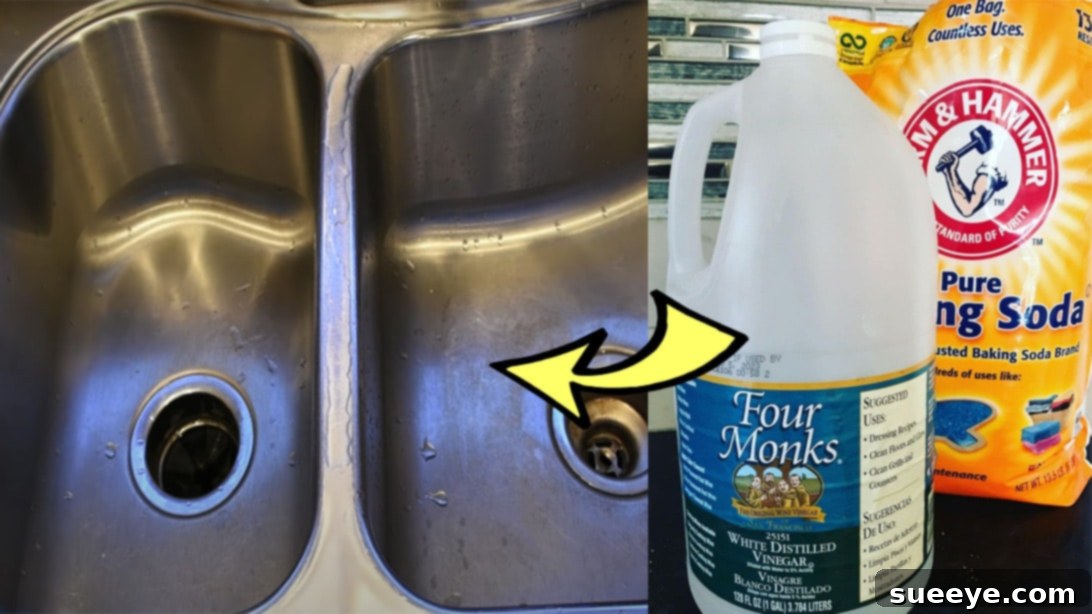
Are you searching for an effective, eco-friendly, and budget-conscious way to keep your kitchen sink and garbage disposal pristine? Many homeowners are increasingly wary of the harsh chemicals found in conventional cleaning products, which can pose risks to health and the environment. Fortunately, achieving a sparkling clean kitchen doesn’t require potent solutions or expensive specialized cleaners. The secret often lies in your pantry, with two humble ingredients: baking soda and white vinegar.
This comprehensive guide will walk you through a powerful, chemical-free method for deep cleaning your kitchen sink and refreshing your garbage disposal. Not only is this approach incredibly efficient at tackling grime, odors, and unsightly stains, but it’s also remarkably gentle on your surfaces, your wallet, and the planet. Inspired by practical home solutions, much like the step-by-step instructions shared by “An Old School Home” on YouTube, we’ll provide detailed advice to transform your sink from dull to dazzling in under 20 minutes.
Why Opt for Natural Sink Cleaning?
The choice to embrace natural cleaning methods goes beyond simple effectiveness; it’s about fostering a healthier living environment for you and your loved ones, while also being mindful of our planet. Here are compelling reasons to choose natural cleaners, especially for high-traffic areas like your kitchen sink:
- Healthier Home Environment: Conventional cleaning products often emit Volatile Organic Compounds (VOCs) that can contribute to respiratory issues, headaches, skin irritation, and other health concerns. By opting for natural alternatives like baking soda and vinegar, you significantly reduce your exposure to these harmful chemicals, leading to improved indoor air quality and fewer potential health risks.
- Reduced Environmental Impact: When chemical cleaners are rinsed down the drain, they can enter our water systems, potentially harming aquatic life and polluting ecosystems. Natural ingredients biodegrade much more readily and pose significantly less threat to the environment, making your cleaning routine more sustainable.
- Cost-Effectiveness: Baking soda and white vinegar are incredibly inexpensive and highly versatile. They cost a mere fraction of specialized chemical cleaners, allowing you to clean multiple areas of your home with these readily available pantry staples. This translates into substantial savings over time.
- Enhanced Safety: With curious children and pets often exploring every nook and cranny of your home, concerns about accidental exposure to toxic chemicals are constant. Natural cleaners offer invaluable peace of mind, as accidental contact with baking soda or vinegar is far less dangerous than with corrosive or poisonous commercial cleaning agents.
- Proven Efficacy: Despite their gentle nature, baking soda and vinegar are remarkably potent cleaners. Their unique chemical properties and gentle abrasive qualities make them formidable allies against grease, tough grime, unpleasant odors, and mineral buildup, proving that you don’t need harsh chemicals for powerful results.
The Unbeatable Power of Baking Soda and White Vinegar
Before we delve into the cleaning process, let’s take a moment to understand why baking soda and white vinegar form such an exceptional partnership when it comes to tackling kitchen messes:
- Baking Soda (Sodium Bicarbonate): This mild alkali is a true marvel for cleaning. It acts as a natural deodorizer, effectively neutralizing acidic odors rather than just masking them. Its finely crystalline structure makes it a gentle yet highly effective abrasive, perfect for scrubbing away stuck-on food and stains without scratching delicate surfaces.
- White Vinegar (Acetic Acid): A staple in natural cleaning, white vinegar is an acidic powerhouse. It excels at dissolving stubborn mineral deposits (often seen as hard water stains), cutting through greasy residues, and inhibiting the growth of mold and mildew. Its acidity also contributes to sanitizing surfaces and banishing lingering odors, leaving a fresh, clean scent.
When combined, baking soda and vinegar produce a noticeable fizzing reaction. While this effervescence is often perceived as the primary cleaning agent, its main function is to help physically loosen debris and lift grime from surfaces, making it easier to scrub away. The true cleaning prowess comes from the individual properties of each ingredient – the abrasive, deodorizing power of baking soda, and the grease-cutting, stain-dissolving acidity of vinegar – working synergistically with mechanical scrubbing to deliver outstanding results.
Essential Materials You’ll Need:
Gathering all your supplies before you begin will ensure a smooth and efficient cleaning process. The good news is that you likely already have most of these common household items on hand:
- White Vinegar: A standard, inexpensive bottle from your grocery store will do.
- Baking Soda: A generous box or bag is ideal, as it’s a staple for this method.
- Sponge: Opt for a soft scrubbing sponge or a durable cleaning cloth that won’t scratch your sink’s finish.
- Old Toothbrush: Invaluable for reaching into tight crevices, around faucet bases, and cleaning drain edges.
- Small Mixing Bowl: Any small, non-reactive bowl will work for preparing your cleaning solution.
- Measuring Spoons/Cups: To ensure accurate ratios for the most effective mixture.
- Warm Water: Essential for initial rinsing and final wash-down.
- Optional: A few drops of natural dish soap for added grease-cutting power, or fresh citrus peels (lemon, lime, orange) for a delightful scent boost in your garbage disposal.
Step-by-Step Directions for a Spotless Sink and Refreshed Disposal
Follow these straightforward steps to transform your kitchen sink and garbage disposal into a hygienic, gleaming centerpiece of your kitchen:
1. Prepare Your Sink Area
Before you begin, ensure your sink is completely clear of any dishes, food scraps, or other items. Give the entire sink basin a quick rinse with warm water. This initial rinse helps to remove any loose debris, preparing the surface for the cleaning solution to work more effectively.
2. Create the Dynamic Cleaning Mixture
In your small mixing bowl, carefully combine approximately 5 tablespoons of baking soda with 1 cup of white vinegar. As you add the vinegar to the baking soda, prepare for a gentle fizzing and bubbling reaction. This effervescence is entirely normal and indicates the acid (vinegar) reacting with the alkali (baking soda), helping to physically loosen surface grime. If desired, and for an extra boost against stubborn grease, you can add a few drops of natural dish soap to this mixture – though this is completely optional and the duo of baking soda and vinegar is highly effective on its own.
Avoid overmixing or stirring too vigorously at this stage; allow the natural chemical reaction to unfold. Once the initial vigorous fizzing subsides, you’ll be left with a slightly pasty or bubbly solution, perfectly ready for application.
3. Apply Generously and Allow to Dwell
Using a spoon or directly pouring from your bowl, generously squirt or spread the prepared mixture all over the entire surface of your sink. Be sure to pay extra attention to areas that tend to accumulate visible stains, hard water spots, soap scum, and grime, such as around the faucet base, the edges of the drain, and the sink’s rim. Once applied, allow this powerful, natural mixture to sit and work its magic for approximately 10 to 15 minutes. This dwelling time is critical, as it gives the baking soda and vinegar sufficient time to penetrate and effectively break down grease, food residues, mineral deposits, and odors.
4. The Thorough Scrub Down
After the recommended dwelling time, arm yourself with your sponge and old toothbrush. Begin scrubbing the sink’s surfaces with gentle but firm pressure. Use the sponge for broad areas of the basin, working in circular motions to lift away grime and stains. For those notoriously hard-to-reach spots – such as the grout lines where the sink meets the countertop, the intricate areas around the faucet handles, and the inner edges of the drain opening – your old toothbrush will prove invaluable. Its smaller head and bristles can access crevices that a sponge cannot, effectively dislodging stubborn dirt and soap scum. As you scrub, you will visibly notice dirt and grime loosening and lifting away, revealing the cleaner, brighter surface underneath. Continue until you’re satisfied with the cleanliness of all surfaces.
For any particularly tough spots or deep-set stains that remain, you can sprinkle an additional small handful of dry baking soda directly onto the affected area. This provides an immediate, extra abrasive boost, allowing you to scrub more intensely without the risk of scratching your sink’s finish. Gently work this fresh baking soda paste into the stain using your sponge or toothbrush until it begins to fade.
5. Rinse for Brilliant Shine
Once you’ve completed your comprehensive scrubbing, it’s time for the grand reveal. Rinse the entire sink thoroughly with a generous flow of hot water. Ensure that all baking soda residue, loosened grime, and cleaning solution are completely washed away and sent down the drain. As the water washes everything clear, you’ll be astonished by the sparkling, gleaming finish of your sink. It should not only look impeccably clean but also feel smooth, free of any greasy film or residue, and smell wonderfully fresh.
6. Refresh Your Garbage Disposal (The Essential Finishing Touch)
A truly clean kitchen sink isn’t complete without a fresh and odor-free garbage disposal. Over time, food particles inevitably accumulate on the disposal blades and inside the unit, leading to unpleasant lingering odors. This crucial step addresses that issue directly:
- The Ice Method: Start by placing a generous amount of ice cubes (about 1-2 cups) into your garbage disposal. The ice, when ground, acts as a natural abrasive, effectively scrubbing the internal components and dislodging any stuck-on food particles or grime from the blades and walls of the disposal chamber.
- Citrus Boost (Optional): For an added burst of natural freshness, toss in a few lemon, lime, or orange peels along with the ice. As these are ground, they release aromatic natural oils that will leave your disposal, and indeed your entire kitchen, with a clean, invigorating citrusy scent.
- Activate the Disposal: With the ice (and citrus peels, if using) in place, turn on your cold water tap to a steady stream. Then, activate the disposal. Allow it to run for a few minutes, or until you can no longer hear the grinding of the ice and everything is completely ground up and flushed away. The combined action of the abrasive ice and refreshing citrus will leave your disposal thoroughly clean and smelling fantastic.
Outstanding Benefits of This Natural Cleaning Method
In remarkably little time – often less than 20 minutes – you’ve achieved a spectacularly clean sink and a fresh-smelling disposal, all without resorting to harsh, potentially harmful chemicals. Here’s a concise summary of the numerous advantages you’ve just unlocked:
- Brilliant Cleanliness: This method effectively cuts through and removes stubborn grime, greasy films, unsightly food stains, and irritating hard water spots, restoring your sink’s original luster.
- Completely Odor-Free: Baking soda and vinegar are celebrated for their natural deodorizing capabilities. They don’t just mask odors; they neutralize the compounds that cause them, eliminating lingering food smells and stale kitchen odors.
- Environmentally Friendly: By choosing this natural approach, you significantly reduce your environmental footprint, preventing chemical pollutants from entering our waterways and ecosystems.
- Safe for Your Home and Family: With no toxic fumes, corrosive chemicals, or harsh residues, your kitchen becomes a safer and healthier space for everyone, including children and pets.
- Incredibly Budget-Friendly: Utilizing readily available and inexpensive pantry staples means you save money on costly, specialized chemical cleaners, making this a smart financial choice.
Expert Tips for Maintaining a Continuously Clean Sink
While the baking soda and vinegar method is phenomenal for deep cleaning, incorporating consistent daily habits will ensure your sink remains spotless and gleaming between deep cleans:
- Wipe Down Daily: After washing dishes or preparing food, make it a habit to quickly wipe down your sink basin with a sponge or cloth and a little dish soap. Immediately drying the surface afterward will prevent unsightly water spots and mineral buildup.
- Rinse Thoroughly: Always rinse away all food particles, coffee grounds, and soap residue immediately after use. Allowing them to sit can lead to stubborn stains and unpleasant odors.
- Be Mindful of Abrasives: For stainless steel, porcelain, or other delicate sink finishes, avoid using overly harsh scrubbing pads like steel wool, which can cause scratches and damage the surface. Stick to soft sponges or microfiber cloths.
- Utilize Sink Protectors: Consider placing a rubber or silicone sink mat at the bottom of your sink. This simple addition can effectively protect the basin from scratches, dents, and dings caused by heavy pots, pans, or cutlery.
- Regular Disposal Flushing: After each use of your garbage disposal, run cold water through it for an additional 30 seconds. This helps flush out any lingering food particles and prevents buildup that can lead to odors.
Troubleshooting Common Sink Issues with Natural Solutions
Even with diligent cleaning, some persistent issues might arise. Here’s how the power of baking soda and vinegar, sometimes in slightly different applications, can help address common sink problems:
- Stubborn Hard Water Stains: For resilient mineral deposits and water spots, create a thicker paste using baking soda and just enough vinegar to form a spreadable consistency. Apply this paste directly to the stained areas, allowing it to sit for an extended period (30 minutes to an hour) to truly penetrate. Then, scrub vigorously with your sponge or toothbrush and rinse thoroughly. For very severe stains, soaking paper towels in straight white vinegar and letting them rest on the stains overnight can work wonders.
- Persistent Odors (Beyond the Disposal): If unpleasant odors linger even after you’ve thoroughly cleaned your garbage disposal, the culprit might be the overflow drain (if your sink is equipped with one). To clean this often-overlooked area, pour a small amount of baking soda directly into the overflow opening, followed by a splash of white vinegar. Let the mixture fizz and work for about 10-15 minutes, then flush it thoroughly with a stream of hot water.
- Light Scratches on Stainless Steel: While not a miracle cure for deep gouges, a gentle paste made from baking soda and water can sometimes help to lightly buff out very minor superficial scratches on stainless steel sinks. Apply the paste and rub gently in the direction of the grain of the steel, then rinse. Always test this in an inconspicuous area first.
Frequently Asked Questions (FAQs) About Natural Sink Cleaning
- How often should I clean my sink using this baking soda and vinegar method?
- For optimal hygiene, appearance, and odor control, a deep clean using the baking soda and vinegar method is recommended weekly or bi-weekly, depending on how frequently and heavily your sink is used. For daily maintenance, a quick wipe-down with dish soap and water is generally sufficient.
- Is this cleaning method safe for all types of sink materials?
- Yes, this method is generally safe and highly effective for most common sink materials, including stainless steel, porcelain, ceramic, and composite sinks. Baking soda acts as a gentle abrasive, and white vinegar is mild enough not to harm the finishes of these materials. However, if you have a unique or particularly delicate sink material, such as unsealed granite or marble, it’s always wise to perform a patch test on an inconspicuous area first, as vinegar’s acidity can potentially etch these surfaces over prolonged periods.
- What if I don’t have white vinegar? Can I use a substitute?
- While white vinegar is highly recommended due to its strong acetic acid content and clear color (which prevents staining), you can substitute it with apple cider vinegar. Be aware, however, that apple cider vinegar has a darker hue and a distinct smell, which might linger slightly longer. Lemon juice can also provide an acidic component for cleaning, but it is generally less potent and often more expensive than vinegar.
- Is this natural cleaning method safe for septic systems?
- Absolutely! Baking soda and white vinegar are biodegradable, non-toxic, and completely safe for septic systems. In fact, their natural properties can even contribute to maintaining a healthy balance within your septic tank by helping to break down organic matter without introducing harsh chemicals that could harm the beneficial bacteria essential for the system’s proper functioning.
- Can I just use baking soda to clean my sink, without the vinegar?
- Baking soda alone is indeed an excellent mild abrasive and natural deodorizer. You can certainly sprinkle it directly onto a wet sink and scrub for a good clean. However, the combination with vinegar provides a more powerful and comprehensive cleaning action, especially for dissolving mineral deposits, cutting through grease, and enhancing the physical lifting of grime through its effervescent reaction.
Conclusion: Embrace a Naturally Clean and Inviting Kitchen
Cleaning your kitchen sink and garbage disposal doesn’t have to be an unpleasant chore filled with harsh chemical fumes or concerns for your health and the environment. By harnessing the incredible natural power of readily available baking soda and white vinegar, you can achieve a wonderfully clean, fresh-smelling, and sparkling sink with minimal effort and expense.
This simple yet highly effective method not only delivers impressive, visibly clean results but also champions a healthier home environment and promotes a more sustainable lifestyle. So, confidently ditch those aggressive chemical cleaners and embrace these natural, efficient, and eco-friendly solutions. Your beautifully clean sink – and indeed, the planet – will undoubtedly thank you for it!