
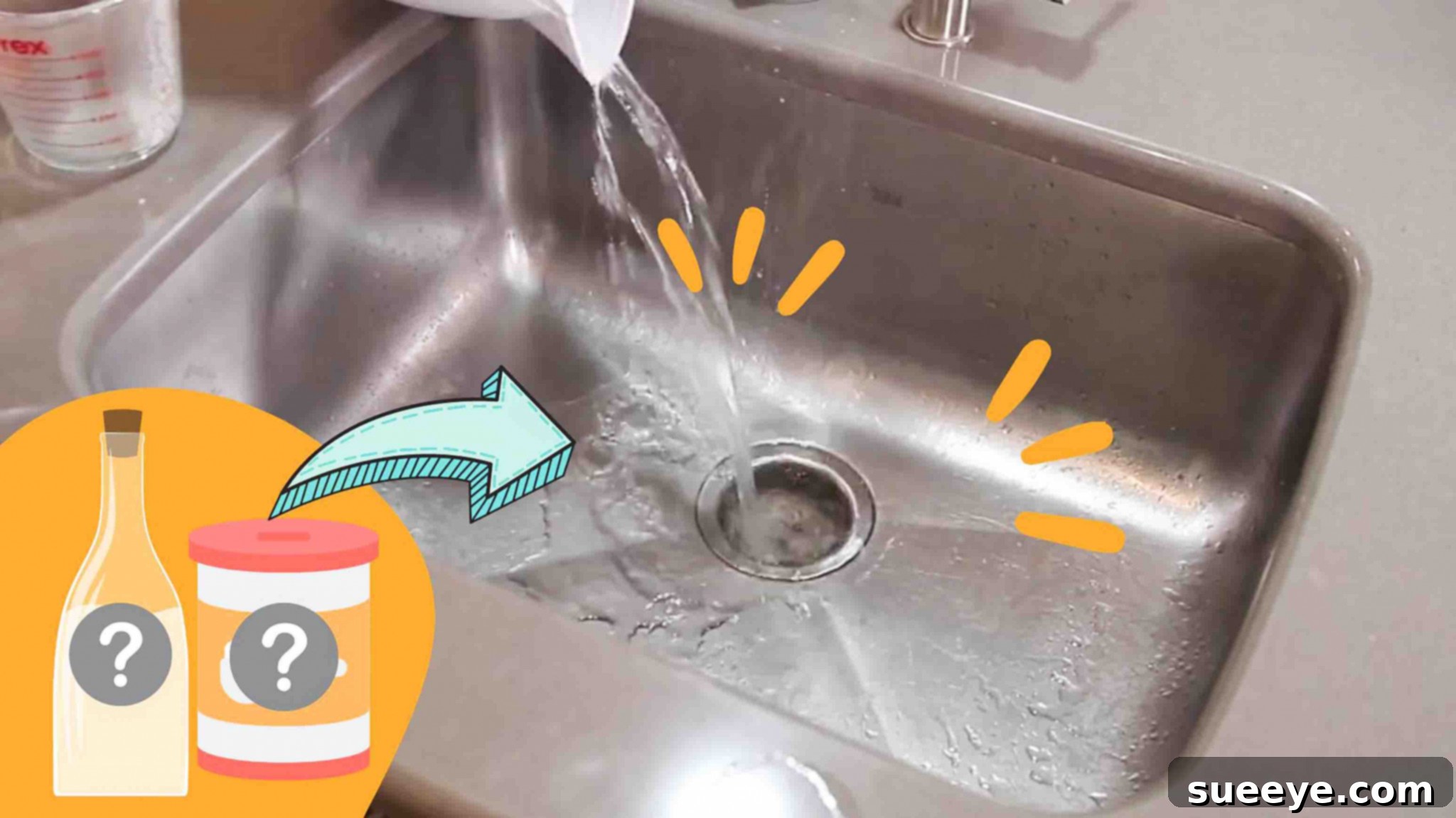
Effortlessly Unclog Your Kitchen Sink: The Ultimate Baking Soda and Vinegar Guide
A clogged kitchen sink is more than just an inconvenience; it’s a common household headache that can disrupt your daily routine, from washing dishes to preparing meals. Before you reach for harsh chemical drain cleaners or call a costly plumber, consider a simple, eco-friendly, and highly effective DIY solution that’s probably sitting in your pantry right now: baking soda and white vinegar. This time-tested method, popularized by experts like Pan The Organizer on YouTube, leverages basic chemistry to tackle stubborn clogs, saving you money and the hassle of professional intervention. Dive into this comprehensive guide to learn how to restore your sink’s flow with minimal effort and maximum impact.
Understanding Why Your Kitchen Sink Clogs
Kitchen sinks are particularly prone to blockages due to the constant flow of various substances. Identifying the common culprits can help you prevent future clogs and understand why the baking soda and vinegar method is so effective:
- Grease and Oils: Animal fats and cooking oils, when poured down the drain, cool and solidify as they travel through the pipes, gradually accumulating and narrowing the drain opening. They act as a sticky trap for other debris.
- Food Particles: Even with a garbage disposal, small food scraps like coffee grounds, rice, pasta, fruit peels, and vegetable bits can build up over time, especially when combined with grease.
- Soap Scum: The residue from dish soap, especially bar soap, can combine with hard water minerals to form a sticky film inside pipes, contributing to blockages.
- Hair: Although less common than in bathroom sinks, hair can sometimes find its way into kitchen drains, intertwining with grease and food particles to create formidable clogs.
- Mineral Deposits: In areas with hard water, mineral deposits can accumulate inside pipes, reducing their diameter and exacerbating the clogging process.
These elements combine to form a gunky, greasy blockage that slows drainage or stops it entirely. The good news is that for most organic clogs, baking soda and vinegar offer a powerful, non-toxic remedy.
The Science Behind the Solution: Baking Soda & Vinegar
The magic of this DIY drain cleaner lies in a fundamental chemical reaction. Understanding how these common household ingredients work together demystifies the process and assures you of its effectiveness:
Baking Soda (Sodium Bicarbonate – NaHCO₃): This white crystalline powder is an amphoteric compound, meaning it can react as both an acid and a base. In this context, it acts primarily as a mild abrasive and a base.
White Vinegar (Acetic Acid – CH₃COOH): White vinegar is a dilute solution of acetic acid, a weak acid. It’s known for its cleaning and deodorizing properties.
The Reaction: When baking soda and white vinegar combine, they undergo an acid-base neutralization reaction. This reaction produces carbon dioxide gas (CO₂), water (H₂O), and a salt (sodium acetate).
NaHCO₃ (s) + CH₃COOH (aq) → CH₃COONa (aq) + H₂O (l) + CO₂ (g)
The key to unclogging your drain is the vigorously effervescent carbon dioxide gas. This foaming action isn’t just for show; it creates physical agitation within the drain pipe. The bubbles expand and move, helping to dislodge and break apart the accumulated grease, food particles, and soap scum that form the clog. Furthermore, the combination of the mild abrasive quality of baking soda and the acidic nature of vinegar helps to dissolve and emulsify fatty deposits and breakdown other organic matter.
Adding boiling water before and after the chemical reaction enhances its efficacy. The heat from the boiling water helps to soften and melt congealed grease, making it easier for the baking soda and vinegar mixture to penetrate and break down the blockage.
Step-by-Step Guide: How to Unclog Your Kitchen Sink
Follow these simple, yet powerful steps to effectively clear your clogged kitchen drain. This method is safe for most plumbing systems and an excellent alternative to harsh chemical cleaners.
Materials You’ll Need:
- Baking soda (approximately 1 cup)
- White vinegar (approximately 1 cup)
- Boiling water (at least two pots)
Detailed Directions:
Step 1: Initial Flush with Boiling Water
Before introducing any chemicals, it’s crucial to prepare the drain. Carefully pour one pot of boiling water directly down your kitchen sink drain. The intense heat will help to soften any congealed grease and loosen other debris, making the subsequent steps more effective. If your sink is completely backed up with standing water, you may need to bail out as much water as possible before adding the boiling water.
Step 2: Introduce the Baking Soda
Immediately after the boiling water, pour one full cup of baking soda down the kitchen sink drain. Try to get as much of the baking soda directly into the drain opening as possible, rather than letting it sit in the basin. Once the baking soda is in place, let it sit for approximately five to ten minutes. This allows the baking soda to settle into the clog and begin its preliminary work of absorbing odors and mildly scrubbing the pipe walls.
Step 3: The Vinegar Reaction Begins
Next, pour one cup of white vinegar down the kitchen sink drain, directly on top of the baking soda. You will immediately notice a vigorous bubbling and foaming reaction. This is the carbon dioxide gas being released, which is crucial for breaking down the clog. Quickly cover the drain opening with a stopper or a plate to contain the chemical reaction within the pipe. This forces the expanding gas to push against the blockage, enhancing its effectiveness.
Allow this powerful concoction to work its magic for another five to ten minutes. During this time, the foaming action will be actively dislodging and breaking down grease, soap scum, and food particles.
Step 4: Final Flush with Boiling Water
After the five to ten minutes have passed, remove the stopper. Carefully pour a second pot of boiling water down the kitchen sink drain. This hot water will help to flush away any remaining loosened debris and residue from the chemical reaction, clearing the path for proper drainage.
Step 5: Rinse Thoroughly with Hot Tap Water
To ensure that everything is thoroughly flushed away and your drain is completely clear, run hot tap water for at least five minutes. This continuous flow helps to wash any lingering particles further down the plumbing system and confirms that your efforts have been successful. You should notice a significant improvement in drainage speed.
What if the Clog Persists?
For particularly stubborn clogs, you may need to repeat the entire baking soda and vinegar process once or twice. Sometimes, a persistent clog requires multiple rounds of treatment to fully break down. If after two or three attempts the drain still doesn’t clear, it might indicate a more severe blockage that requires different tools or professional assistance.
Benefits of This DIY Drain Cleaning Method
Choosing baking soda and vinegar over commercial drain cleaners offers several compelling advantages:
- Eco-Friendly and Non-Toxic: Unlike many store-bought chemical drain cleaners, baking soda and vinegar are natural, biodegradable, and safe for your home, family, and pets. They don’t release harmful fumes or contribute to water pollution.
- Cost-Effective: These ingredients are incredibly inexpensive and readily available in most grocery stores, making this method a budget-friendly alternative to expensive chemical solutions or plumber call-outs.
- Safe for Plumbing: Harsh chemical drain cleaners can corrode pipes, especially older ones, and damage septic systems. Baking soda and vinegar are gentle on your plumbing, including PVC and metal pipes.
- Simple and Accessible: No special tools or expertise are required. Anyone can perform this task with common household items.
- Odor Elimination: Beyond unclogging, the reaction also helps to neutralize unpleasant odors emanating from the drain, leaving your kitchen smelling fresher.
Preventative Measures: Keeping Your Sink Clear
The best way to deal with a clogged sink is to prevent it from happening in the first place. Incorporate these simple habits into your routine:
- Scrape Plates: Always scrape food scraps, especially greasy ones, into the trash or compost bin before rinsing dishes.
- Use a Drain Strainer: Install a mesh strainer over your drain opening to catch stray food particles and prevent them from entering the pipes.
- Proper Grease Disposal: Never pour cooking grease or oil down the drain. Instead, collect it in an old jar or can, let it solidify, and then dispose of it in the trash.
- Regular Hot Water Flush: Periodically, run hot water down the drain for a few minutes after heavy use, especially after washing greasy pans.
- Monthly Maintenance: Consider a monthly preventative treatment using the baking soda and vinegar method, even if your drain isn’t clogged. This helps to keep pipes clear and free of buildup.
When to Call a Professional Plumber
While the baking soda and vinegar method is remarkably effective for many common clogs, there are situations where professional help is warranted:
- Persistent or Recurring Clogs: If your drain repeatedly clogs despite your best efforts, it might indicate a deeper, more severe issue further down the plumbing line.
- Multiple Clogged Drains: If several drains in your home (e.g., kitchen, bathroom, utility sink) are simultaneously clogged, it points to a main line blockage, which is beyond DIY fixes.
- Foul Odors or Sewage Backup: These are serious signs of a significant blockage or sewer line issue that requires immediate professional attention.
- No Drainage Whatsoever: If water stands completely still and does not drain at all, the clog is likely too dense for a homemade solution.
- Gurgling Sounds: Gurgling from other drains when one is in use can indicate trapped air caused by a main vent stack issue or a partial main sewer line blockage.
Plumbers have specialized tools like drain snakes, hydro-jetting equipment, and inspection cameras to diagnose and resolve complex plumbing problems safely and effectively.
Conclusion: Embrace the Power of DIY
Don’t let a clogged kitchen sink ruin your day or your budget. With the simple combination of baking soda and white vinegar, you have a powerful, eco-friendly, and cost-effective solution at your fingertips. This method not only tackles the immediate problem but also empowers you with the knowledge to handle minor plumbing issues confidently. By understanding the science and following the detailed steps, you can enjoy a freely flowing kitchen sink and the satisfaction of a successful DIY project. Keep your drains happy and your wallet fuller by making this natural drain cleaner your go-to solution.