
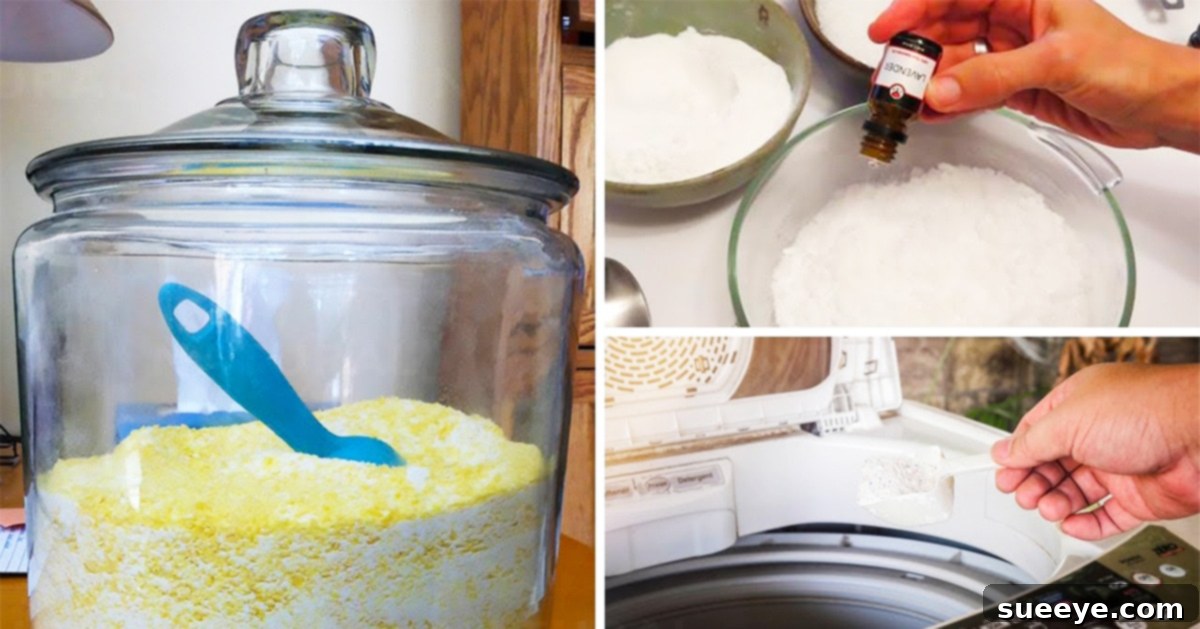
Unlock Softer Laundry Naturally: Your Ultimate DIY Fabric Softener Guide
In an era where health consciousness and sustainable living are paramount, many households are actively seeking ways to reduce their exposure to synthetic chemicals. From cleaning supplies to personal care products, the shift towards natural, homemade alternatives is gaining significant momentum. One common household staple often overlooked in this transition is fabric softener. Commercial fabric softeners, while delivering a pleasant scent and soft feel, often contain a cocktail of chemicals, dyes, and artificial fragrances that can irritate sensitive skin, contribute to indoor air pollution, and negatively impact our planet.
Fortunately, transforming your laundry routine into a healthier, more eco-friendly endeavor is surprisingly simple. Imagine achieving luxuriously soft clothes infused with your favorite natural scents, all while saving money and reducing your environmental footprint. This guide introduces an incredibly effective and easy-to-make homemade fabric softener, requiring just two primary natural ingredients found in most kitchens. Inspired by the ingenious tips from Natural Cures on YouTube, this recipe is a game-changer for anyone looking to slowly but surely convert their home products to natural, chemical-free alternatives. It’s a brilliant life hack that proves you don’t need expensive, store-bought solutions to achieve outstanding laundry results.
For those who, like me, consider fabric softener an indispensable part of their laundry process, this DIY solution offers an exciting avenue to maintain that desired extra softness and fresh fragrance without compromise. The beauty of this natural recipe lies in its versatility; you can effortlessly customize it with your preferred essential oils, allowing you to create unique scent profiles for different batches. It’s truly amazing how everyday items from your pantry can unlock such incredible potential, especially when you’re navigating a tight budget and aiming for a more sustainable lifestyle.
Why Choose Homemade Natural Fabric Softener?
The decision to switch to a homemade fabric softener extends beyond just cost savings. It’s a conscious choice for a healthier home and a healthier planet. Here’s a closer look at the compelling benefits:
Reduced Chemical Exposure
Commercial fabric softeners often contain ingredients like phthalates, artificial fragrances, dyes, and quaternary ammonium compounds (quats). These chemicals have been linked to skin irritation, respiratory issues, and even potential endocrine disruption. By making your own, you gain complete control over the ingredients, ensuring a non-toxic alternative that’s gentle on your skin and lungs, making it ideal for individuals with allergies, sensitive skin, or families with young children.
Environmental Friendliness
Each time you purchase a store-bought fabric softener, you’re contributing to plastic waste. This DIY recipe significantly reduces your plastic consumption as you can reuse your storage containers indefinitely. Furthermore, the ingredients—coarse salt and baking soda—are natural, biodegradable, and far less harmful to aquatic ecosystems compared to many synthetic chemicals found in conventional products.
Cost-Effectiveness
Laundry expenses can add up quickly, especially if you do multiple loads each week. Coarse salt and baking soda are incredibly inexpensive and widely available. A large batch of this homemade fabric softener will cost pennies per load compared to the dollars spent on commercial brands, leading to substantial savings over time.
Customizable Scents
Say goodbye to generic, overpowering laundry scents. With essential oils, you can personalize your fabric softener to match your mood, the season, or simply your favorite aroma. From calming lavender and uplifting citrus to invigorating eucalyptus, the possibilities are endless. Plus, essential oils offer additional benefits like natural antimicrobial properties, contributing to fresher laundry.
Supplies for Your DIY Fabric Softener: Simple Ingredients, Powerful Results
The beauty of this recipe lies in its utter simplicity, utilizing everyday ingredients to achieve remarkable results. Here’s what you’ll need:
- 17 oz. Coarse Salt: The unsung hero for fabric softening. Coarse salt, such as Epsom salt or sea salt, helps to naturally loosen fibers, preventing stiffness and enhancing the soft feel of your clothes. It also plays a crucial role in carrying the essential oils, dispersing the fragrance evenly throughout your wash.
- 6 tablespoons Baking Soda: A versatile powerhouse in natural cleaning. Baking soda (sodium bicarbonate) acts as a natural deodorizer, effectively neutralizing odors rather than just masking them. Its mild alkalinity helps to soften water, allowing your detergent to work more efficiently, and contributes to the overall softening effect on fabrics.
- 30 drops of your favorite Essential Oil (optional): This is where the magic of personalization happens. While optional, essential oils not only impart a wonderful, natural fragrance but many also possess beneficial properties. Consider lavender for relaxation, lemon or sweet orange for an uplifting scent, or tea tree oil for its natural sanitizing qualities. Adjust the quantity based on your desired scent strength.
Tools You’ll Need:
- A plastic mixing bowl (or any non-reactive bowl)
- A spoon or your hands for mixing
- An airtight container with a screwable lid for storage (e.g., a large glass jar, a repurposed plastic container, or an old fabric softener bottle)
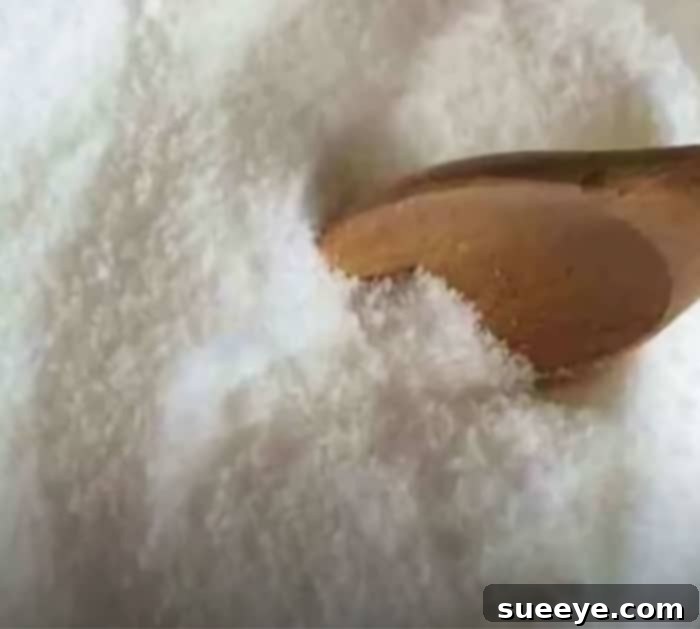
Directions: Making and Using Your Homemade Fabric Softener
Creating your own fabric softener is a quick and satisfying process. Follow these straightforward steps to get started:
Step 1: Gather Your Materials
Ensure you have all your ingredients and tools ready. Having everything laid out makes the process smooth and efficient. Make sure your mixing bowl and storage container are clean and dry.
Step 2: Combine the Ingredients
In your plastic mixing bowl, carefully pour in the 17 ounces of coarse salt. Next, add the 6 tablespoons of baking soda. If you’re using essential oils, now is the time to add your 30 drops (or more/less, depending on your preference) directly into the mixture. Mix all the ingredients thoroughly with a spoon or your clean hands until they are well combined. The mixture should have a uniform consistency, and the essential oils should be evenly distributed.
Step 3: Store Your Homemade Softener
Once your mixture is complete, transfer it to an airtight container with a secure lid. A glass jar with a screw-top lid works wonderfully, or you can repurpose an old fabric softener bottle for convenience. Label your container clearly, indicating it’s homemade fabric softener and the date it was made. Store the container in a cool, dry place away from direct sunlight. This homemade softener typically remains potent and effective for at least 45 days, allowing ample time to use up your batch.
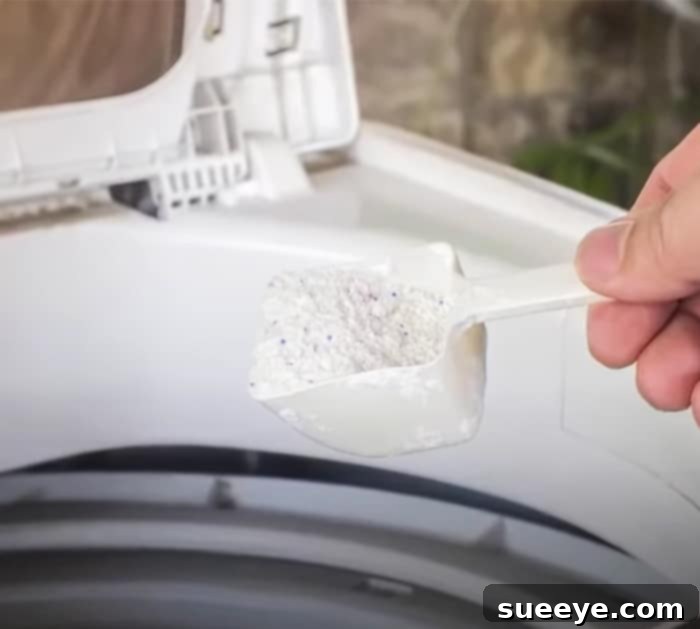
Step 4: Using Your Fabric Softener in the Wash
When you’re ready to do a load of laundry, this is how you incorporate your natural softener: Add approximately 3 tablespoons of the homemade fabric softener directly into the washing machine drum with your clothes. For best results, especially with top-loading machines, you can add it directly to the water during the rinse cycle to ensure it dissolves completely and distributes evenly. If your washing machine has a dedicated fabric softener dispenser, you can add the mixture there, ensuring it doesn’t get clogged. Adjust the amount based on your load size and desired softness – a larger load or harder water might benefit from a little extra.
Tips for Optimal Results and Troubleshooting:
- Dissolution: Ensure the salt dissolves properly. Using warm water or adding the softener during the rinse cycle can help.
- Fabric Compatibility: While generally safe, avoid using fabric softeners (even natural ones) on certain fabrics like microfiber cloths (can reduce absorbency), flame-retardant children’s sleepwear (can reduce effectiveness of flame retardant), or athletic wear (can clog moisture-wicking properties).
- Storage Longevity: While 45 days is a good estimate, ensure your container is truly airtight to prevent moisture from clumping the mixture, which could reduce its effectiveness.
- Experiment with Scents: Don’t be afraid to try different essential oil combinations. Blend lavender and cedarwood for a calming scent, or lemon and peppermint for an invigorating feel.
- Adjust as Needed: Water hardness, load size, and personal preference can all influence the ideal amount of softener to use. Start with 3 tablespoons and adjust up or down from there.
Embracing a Natural Laundry Lifestyle
Overall, this homemade natural fabric softener presents a compelling alternative to conventional store-bought products. It’s not just a fairly cheap and inexpensive way to manage your laundry expenses; it’s a commitment to a healthier, more sustainable household. Considering how frequently most of us do laundry, the long-term savings from using readily available, budget-friendly ingredients like salt and baking soda are significant. A single large batch of this DIY softener will last for quite some time, alleviating the need for frequent trips to the store and reducing continuous plastic waste.
The optional addition of essential oils provides a luxurious touch, allowing for personalized aromas that uplift or relax, without the concerns associated with synthetic fragrances. If budget is a primary concern, omitting the essential oils entirely still yields an effective fabric softener, ensuring your clothes are soft and fresh naturally. The satisfaction of creating something so useful with your own hands, knowing exactly what ingredients are touching your family’s clothes, is an invaluable benefit.
I highly encourage you to make a small batch of this homemade fabric softener and experience the difference for yourself. It’s a simple yet powerful step towards a more natural and mindful way of living. By choosing this easy DIY solution, you’re not just softening your clothes; you’re embracing a lifestyle that prioritizes health, sustainability, and personal well-being. Give it a try – your clothes, your wallet, and the planet will thank you.