
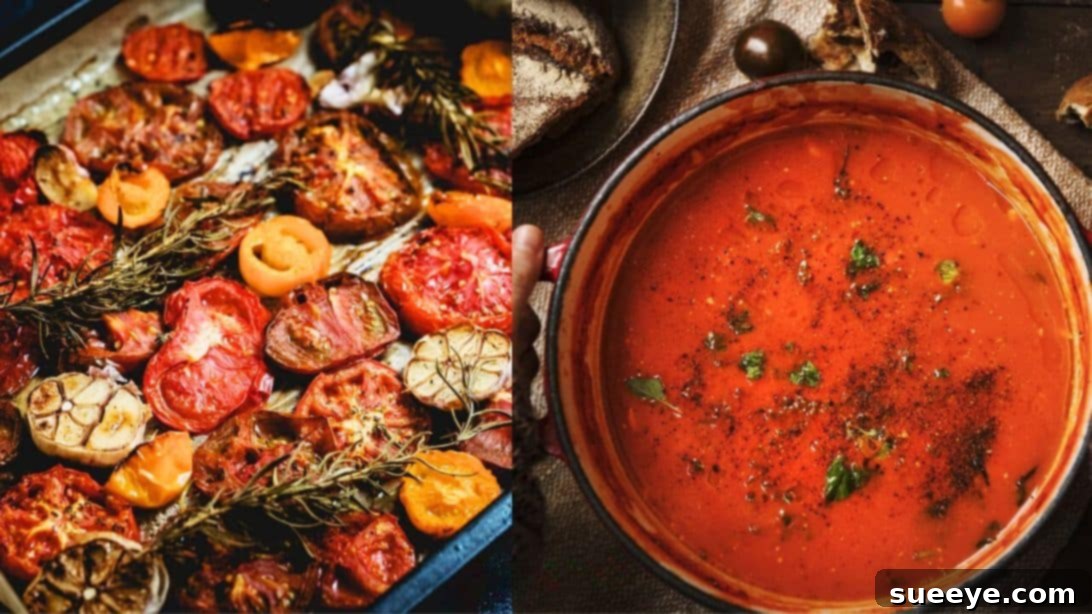
The Ultimate Homemade Roasted Tomato Soup: A Comforting Fall Classic
As the crisp air of autumn sweeps in and leaves turn vibrant hues, there’s an undeniable call for warm, comforting dishes that nourish both body and soul. For many, fall signals the season of hearty soups, flavorful stews, and delightful apple and pumpkin-spiced desserts. Among the myriad of seasonal offerings, a beautifully crafted tomato soup holds a special place. Forget the lackluster canned versions; once you experience the rich, complex flavors of a truly homemade, roasted tomato soup, your culinary world will be forever changed. It’s not just a meal; it’s an experience, a perfect embodiment of autumn’s bounty and warmth.
My personal journey to finding the quintessential tomato soup led me to countless variations, but this roasted tomato soup recipe, inspired by Delicious, stands in a league of its own. The roasting process transforms simple ingredients into an extraordinary symphony of flavors, bringing out an unparalleled sweetness and depth that is incredibly satisfying. It’s the kind of dish that makes you want to curl up by the fire, a bowl in hand, savoring every spoonful.
Why Roasted Tomatoes Make All the Difference in Your Soup
The secret to this soup’s incredible depth lies in the roasting process. Unlike simmering tomatoes directly in a pot, roasting them with aromatics like garlic, onions, and peppers caramelizes their natural sugars. This intensifies their flavor, adding a smoky sweetness and a rich umami dimension that you simply can’t achieve with raw or even canned tomatoes. This technique elevates the soup from a simple starter to a truly gourmet experience, making it a star dish for any fall gathering or a comforting weeknight meal.
When embarking on your tomato soup culinary adventure, prioritizing fresh ingredients is paramount. While convenience is tempting, canned tomatoes, though useful in a pinch, often fall short in delivering the vibrant, nuanced flavors that fresh, ripe tomatoes offer. Fresh herbs and carefully selected seasonings are also absolute must-haves, acting as the final brushstrokes that complete this culinary masterpiece. The beauty of this recipe is its adaptability; you can effortlessly adjust the texture to your liking – from a hearty, chunky consistency that retains some rustic charm to a silky, velvety smooth puree that melts in your mouth. Once you taste this homemade rendition, the thought of returning to store-bought canned tomato soup will become a distant memory.
RELATED: Unique Culinary Delights: Explore Our Tomato Soup Cake Recipe
This roasted tomato soup is incredibly versatile and pairs wonderfully with a variety of accompaniments. It shines brightest when served alongside a crisp, golden garlic grilled cheese sandwich, creating a classic comfort food duo. Beyond this perfect pairing, consider serving it with a plate of al dente pasta, a side of perfectly seasoned chicken, protein-rich beans, comforting roasted potatoes, or a fresh, vibrant salad to complete your meal. Each pairing offers a unique enhancement, making this soup a staple in your fall cooking repertoire.
Essential Ingredients for Your Perfect Roasted Tomato Soup
Crafting this exquisite roasted tomato soup begins with selecting the finest fresh ingredients. Each component plays a vital role in building the layers of flavor that make this recipe truly special. Here’s what you’ll need to gather:
- 3 lbs of cherry tomatoes: These small wonders are packed with intense sweetness, especially when roasted. If cherry tomatoes aren’t available, large ripe tomatoes, cut into halves or quarters with the tough core removed, work beautifully.
- 1 large or 2 small red onions: Red onions contribute a subtle sweetness and beautiful color to the roasted vegetable medley.
- 3 small snack peppers: These add a mild, sweet pepper flavor without overwhelming the tomatoes. Bell peppers can also be used.
- 1 whole head of garlic: Roasting an entire head of garlic transforms its pungent bite into a mellow, sweet, and nutty aroma, essential for the soup’s depth.
- 2 sprigs of fresh rosemary: Rosemary infuses the vegetables with its earthy, piney notes during roasting.
- 1 1/2 to 2 tablespoons of fresh thyme: Thyme adds a delicate, peppery-minty undertone that complements the tomatoes.
- Generous amount of olive oil: High-quality olive oil is crucial for coating the vegetables, aiding in caramelization, and enriching the soup’s texture and flavor.
- 1 large or 2 small white onions: These are sautéed later to form a sweet, aromatic base for the soup liquid.
- 2 tablespoons of butter: Butter adds richness and helps to sauté the onions to perfection, lending a silky mouthfeel to the finished soup.
- 1 tablespoon of tomato paste: A concentrated burst of tomato flavor that adds depth and umami, enhancing the roasted tomatoes.
- 2 3/4 cups of vegetable stock: The liquid base for the soup, providing body and carrying the flavors. Use a good quality stock for the best results.
- 1 tablespoon of dried oregano: This classic herb brings a warm, earthy, and slightly bitter note, pairing perfectly with tomatoes.
- Cayenne pepper or chili flakes (to taste): For a gentle warmth or a fiery kick, depending on your preference. Start small and add more if desired.
- 1 teaspoon of smoked or sweet paprika: Smoked paprika offers a wonderful smoky depth, while sweet paprika adds a vibrant color and mild, sweet pepper flavor.
- 1/2 tablespoon of balsamic vinegar: A touch of balsamic vinegar brightens the flavors, adding a subtle tang and complexity that balances the sweetness.
- 1 tablespoon of Worcestershire sauce: This secret ingredient adds an incredible umami punch and a savory depth, making the soup truly irresistible.
- 1/2 teaspoon of sugar: A small amount of sugar helps to balance the acidity of the tomatoes and enhances their natural sweetness.
- Fresh basil leaves: Stirred in at the end or used as a garnish, fresh basil provides a fragrant, peppery, and sweet finish.
- 1/2 cup of heavy cream (optional): For those who desire a lusciously creamy texture, heavy cream adds richness and a silky finish.
- Salt and black pepper to taste: Essential for seasoning throughout the cooking process and adjusting the final flavor profile.
Step-by-Step Guide: How to Craft Your Roasted Tomato Soup
Follow these detailed steps to create a roasted tomato soup that will impress and delight with its profound flavors and comforting warmth.
Step 1: Preparing Your Oven for Perfect Roasting
Begin by preheating your oven to 375°F (190°C). Ensuring your oven is at the correct temperature before introducing the vegetables is key to achieving that desirable caramelization and even roasting.
Step 2: Assembling the Aromatic Roasting Tray
On a large, sturdy baking tray, arrange your produce: the prepared tomatoes (cherry tomatoes whole, larger tomatoes cut and cored), the whole head of garlic (you can lightly smash it or leave it intact), the snack peppers, the red onion (roughly chopped or quartered), the fresh rosemary sprigs, and the fresh thyme leaves. Drizzle a generous amount of high-quality olive oil over all the vegetables. This oil is not just for preventing sticking; it’s vital for achieving a beautiful golden-brown caramelization. Season liberally with salt and freshly ground black pepper. Use your hands to gently toss and mix everything, ensuring each piece is well-coated. Finally, spread the seasoned vegetables evenly in a single layer across the baking tray, which allows for consistent roasting and maximum flavor development.
Step 3: The Magic of Roasting for Flavor Development
Carefully place the baking tray into your preheated oven. Bake at 375°F (190°C), preferably with the fan on (if your oven has this setting, as it helps with even browning), for approximately 50 to 60 minutes. The goal is to roast until the vegetables are tender, slightly shriveled, and beautifully caramelized at the edges. This caramelization is where the deep, complex, and sweet flavors of the soup truly begin to develop.
Step 4: Building the Soup Base and Simmering
Once the roasted vegetables are done, remove the tray from the oven. On your stovetop, place a large, heavy-bottomed pot or Dutch oven over medium heat. Add the butter and the white onion, finely chopped. Sauté the onion, stirring occasionally, until it becomes soft, translucent, and fragrant, typically for about 5-7 minutes. Next, add the tomato paste to the pot. Stir it into the onions and cook for another 1-2 minutes, allowing it to deepen in color and flavor. This step is crucial for mellowing its raw taste and intensifying its sweetness.
Now, carefully transfer all the glorious roasted vegetables from the baking tray into the pot, scraping in any flavorful juices left on the tray. Pour in the vegetable stock, then add the dried oregano, cayenne pepper (or chili), smoked or sweet paprika, balsamic vinegar, Worcestershire sauce, and a good pinch of salt and black pepper. Add a handful of fresh basil leaves at this stage to infuse their aroma. Stir everything together thoroughly, ensuring all ingredients are well combined. Bring the mixture to a gentle simmer, then reduce the heat to low, cover, and let it simmer for about 8 to 10 minutes. This allows all the flavors to meld beautifully and the ingredients to become even more tender.
Step 5: Blending and Finishing for Velvety Perfection
After the simmering time, remove the pot from the stove. Using an immersion blender, carefully blend the soup directly in the pot until it reaches your desired consistency. For an extra smooth and velvety texture, especially if you prefer no seeds or skins, carefully pour the blended soup through a fine-mesh sieve into another clean pot or bowl, pressing down on the solids to extract all the liquid. Discard any remaining pulp in the sieve. This step creates a restaurant-quality smooth soup.
Return the sieved (or directly blended) soup to the stove over low heat. If you’re adding heavy cream for a richer, creamier soup, now is the time to stir in the 1/2 cup of heavy cream. Gently heat the soup until it just begins to simmer again – do not boil after adding cream, as it can curdle. Once it reaches a gentle simmer, turn off the heat. Perform a taste test, adjusting the seasoning with more salt and pepper if needed to achieve your perfect balance of flavors.
Step 6: Serve and Savor Your Homemade Creation
Ladle the warm, aromatic roasted tomato soup into bowls. Garnish with a fresh basil leaf or a drizzle of olive oil, perhaps a sprinkle of black pepper. Serve immediately with crusty toast, warm bread, or the aforementioned legendary grilled cheese sandwich. Every spoonful is a testament to the power of fresh, roasted ingredients and simple, thoughtful cooking. Enjoy this deeply flavorful and comforting homemade masterpiece!
Tips for the Best Roasted Tomato Soup
To ensure your roasted tomato soup is nothing short of spectacular every time, consider these helpful tips and variations:
- Choose Ripe Tomatoes: The quality of your tomatoes directly impacts the soup’s flavor. Opt for ripe, juicy tomatoes, whether cherry, plum, or heirloom varieties, for the best results.
- Don’t Skimp on Roasting Time: The longer the vegetables roast (without burning), the more caramelized and intensely flavorful they become. Look for darkened, slightly charred edges on the tomatoes and onions.
- Adjust Spice to Your Liking: If you love heat, feel free to increase the cayenne pepper or chili flakes. For a milder soup, you can omit them entirely.
- Make it Creamy or Dairy-Free: The heavy cream is optional. For a lighter or dairy-free version, simply omit it. You can also substitute it with coconut milk for a hint of tropical creaminess, or a dairy-free milk alternative (ensure it’s unsweetened and unflavored).
- Herbs Matter: While rosemary and thyme are specified, feel free to experiment with other fresh herbs like oregano or marjoram for slightly different flavor profiles. Add delicate herbs like basil at the very end to preserve their freshness.
- Enhance Umami: The Worcestershire sauce is a fantastic umami booster. For a vegetarian/vegan version, use a plant-based Worcestershire sauce or a splash of tamari/soy sauce. A teaspoon of nutritional yeast can also add a cheesy, savory depth.
- Storage and Freezing: This soup freezes beautifully! Allow it to cool completely, then transfer it to airtight containers or freezer-safe bags. It can be stored in the freezer for up to 3-4 months. Reheat gently on the stovetop or in the microwave.
- Troubleshooting Thickness: If your soup is too thick, thin it out with a little extra vegetable stock or water until it reaches your desired consistency. If it’s too thin, you can simmer it longer to reduce, or stir in a cornstarch slurry (1 tbsp cornstarch mixed with 2 tbsp cold water) and simmer until thickened.
- Garnish creatively: Beyond fresh basil, consider a swirl of pesto, a dollop of crème fraîche or sour cream, homemade croutons, or even a sprinkle of Parmesan cheese for added texture and flavor.
Embrace the warmth and incredible flavor of this homemade roasted tomato soup. It’s more than just a recipe; it’s an invitation to savor the simple pleasures of home cooking, especially during the inviting chill of the fall season. Enjoy every comforting spoonful!