
Revitalize Your Furniture: The Ultimate DIY Vinyl and Leather Repair Guide
Has a favorite piece of furniture, perhaps a beloved sofa or a treasured armchair, fallen victim to unsightly tears or rips in its vinyl or leather upholstery? Before you consider tossing it out or spending a fortune on professional repairs, prepare for some truly exciting news. The ability to effectively mend torn vinyl and leather furniture is not only possible but also surprisingly achievable through a simple, ingenious DIY approach. This revelation was a game-changer, especially for anyone who, like me, might have a perfectly good piece of furniture languishing in a corner, saved by a hopeful intuition against last year’s decluttering spree. The sheer excitement of tackling such a project, knowing a viable solution exists, is incredibly motivating!
The secret weapon in this DIY arsenal comes in the form of an innovative product from Rust-Oleum: Leak Seal. Typically known as a robust rubber protective coating designed to fill cracks and seal leaks, rendering surfaces watertight, its application in furniture repair is nothing short of brilliant. This versatile product transcends its original purpose, demonstrating an unexpected efficacy in mending damaged upholstery. One can only marvel at the innovative mind that first conceived of utilizing this industrial-strength sealant for such a delicate repair task. It’s a testament to creative problem-solving and the endless possibilities of repurposing everyday items.
The Common Dilemma: Dealing with Damaged Upholstery
Every household eventually faces the challenge of damaged furniture upholstery. Whether it’s the result of playful pets, general wear and tear from years of use, accidental punctures, or even sun damage causing materials to crack and split, the appearance and comfort of our furniture can quickly diminish. The instinct often leans towards replacement, a decision that comes with a significant financial burden and contributes to landfill waste. Alternatively, professional upholstery repair services offer a solution, but often at a steep price, frequently upwards of $200 for even minor fixes, making it an impractical choice for many budget-conscious individuals.
The visible signs of damage – frayed edges, gaping holes, and expanding cracks – not only detract from your home’s aesthetic but can also worsen over time, compromising the structural integrity of the upholstery. Moreover, these tears can be uncomfortable, snagging clothes or exposing underlying foam. This creates a powerful incentive to find a practical, affordable, and durable repair method. The good news is that with the right approach, you can restore your furniture’s former glory and extend its lifespan significantly, saving both money and minimizing environmental impact.
Rust-Oleum Leak Seal: An Unconventional Hero for Upholstery
Let’s delve deeper into why Rust-Oleum Leak Seal is such an effective, albeit unconventional, choice for repairing torn vinyl and leather. This product is essentially a flexible, rubberized coating engineered for its superior sealing properties. When applied, it creates a durable, waterproof barrier that not only fills gaps and cracks but also bonds firmly to various surfaces. Its inherent flexibility is crucial for upholstery repair, as it allows the mended area to flex with the material, preventing re-tearing or stiffness often associated with less suitable adhesives.
Beyond Its Original Purpose: Why It Works for Fabric
While Leak Seal’s primary function is to seal leaks in roofs, gutters, and pipes, its core characteristics make it perfectly suited for upholstery. Its ability to adhere strongly to materials like vinyl and leather, combined with its rubberized flexibility, means it can effectively bridge tears, reinforcing the weakened area. The coating forms a robust yet pliable layer that helps to prevent the tear from spreading further, providing a long-lasting and aesthetically improved repair. Unlike rigid glues that can crack under stress, Leak Seal maintains its integrity, moving with the natural contours and movements of the furniture.
DIY Furniture Repair: A Step-by-Step Approach
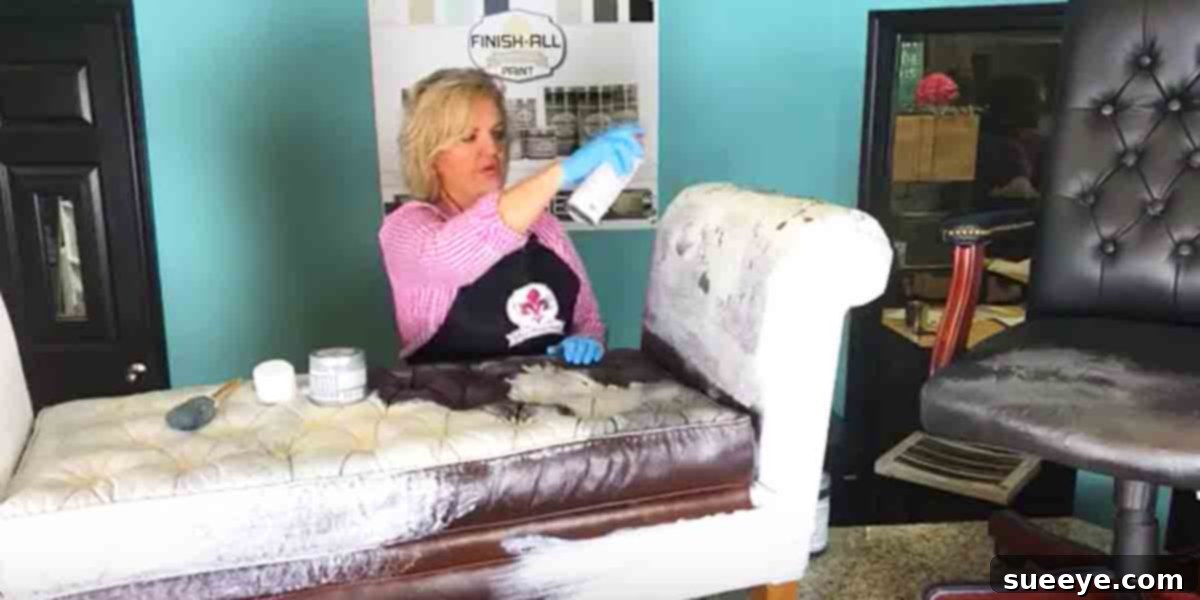
Embracing the DIY philosophy means taking control of your furniture’s longevity and appearance. While the original content hints at a tutorial by “Heirloom Tradition Paints,” understanding the general steps involved in using a product like Leak Seal will empower you to tackle similar repairs. This process, while seemingly daunting at first, is straightforward and immensely rewarding.
Preparation is Key
Before applying any repair product, thorough preparation is paramount. Begin by cleaning the damaged area meticulously. Use a mild soap and water solution, or a specialized leather/vinyl cleaner, to remove dirt, grease, and oils. Allow the area to dry completely. Next, carefully trim any loose or frayed threads or edges around the tear. A clean, defined edge will allow the Leak Seal to adhere more effectively and create a smoother finish. For larger tears, you might consider placing a small patch of similar material (if available and thin enough) underneath the tear to provide additional backing, though Leak Seal is often robust enough on its own.
Application Techniques for a Seamless Finish
When applying Rust-Oleum Leak Seal, remember that less is often more, especially in initial coats. Shake the can thoroughly before use. Apply the product in thin, even coats directly over the tear and slightly beyond its edges. The goal is to build up a strong, flexible layer. Allow each coat to dry to the touch according to the manufacturer’s instructions – typically 15-30 minutes – before applying the next. Depending on the size and depth of the tear, several coats might be necessary to achieve adequate coverage and strength. Pay attention to the texture; a smooth, consistent application will yield the best results.
Finishing Touches and Aesthetic Considerations
Once the final coat has dried completely and cured (this can take 24-48 hours), you’ll notice a durable, rubberized repair. While Leak Seal comes in a limited range of colors (often black, white, clear), you might want to blend the repair more seamlessly with your furniture’s existing color. Some DIY enthusiasts have reported success painting over the dried Leak Seal with flexible acrylic paints or specialized leather/vinyl paints that are designed to flex without cracking. Always test any paint on an inconspicuous area first to ensure compatibility and desired color match. For those seeking just to stop the rip and maintain functionality, the repair’s primary color might be perfectly acceptable.
Beyond the Sofa: Versatile Applications for Leak Seal
The utility of Rust-Oleum Leak Seal extends far beyond just sofas and armchairs. As mentioned, the leather seats in a car are prime candidates for this kind of repair. Minor cracks and tears on car seats can quickly propagate, but a timely application of Leak Seal can halt this progression, preserving your car’s interior and resale value. Imagine the satisfaction of stopping those annoying dashboard cracks or mending worn boat seats that are constantly exposed to the elements!
Consider its use for:
- Automotive Interiors: Car seat tears, dashboard cracks, door panel scuffs.
- Outdoor Furniture: Repairing rips in vinyl patio cushions or mesh seating.
- Recreational Vehicles (RVs): Mending worn RV upholstery, especially in high-traffic areas.
- Bags and Luggage: Fixing minor tears in synthetic leather bags or backpacks.
- Apparel: For certain types of vinyl or faux leather jackets (with careful application).
This product truly embodies the spirit of a multi-purpose DIY solution, demonstrating that a little creativity can unlock a wealth of applications for common household products.
The End of Ugly Duct Tape: Embracing Cost-Effective Solutions
For too long, the unsightly quick-fix of duct tape has been the go-to for many dealing with torn upholstery. While practical in a pinch, it’s an eyesore that often leaves sticky residue and offers no long-term solution. The advent of products like Rust-Oleum Leak Seal for furniture repair marks a significant advancement, offering a superior alternative that is both aesthetically pleasing and structurally sound. Forget the temporary, often embarrassing, duct tape solutions; it’s time for repairs that stand the test of time and maintain your furniture’s dignity.
The financial aspect of DIY repair cannot be overstated. With professional upholstery shops charging hundreds of dollars, and the cost of new furniture constantly rising, a DIY fix that costs a fraction of the price is incredibly appealing. A can of Rust-Oleum Leak Seal is a modest investment that can save you significant amounts of money, making it a truly budget-friendly solution for extending the life of your valuable possessions. This empowers homeowners to maintain their belongings without breaking the bank.
The Empowering Rise of DIY Culture
There’s a palpable shift in today’s world towards self-reliance and the satisfaction of “doing it yourself.” This growing DIY culture isn’t just about saving money; it’s about empowerment, learning new skills, and the immense pride that comes from successfully tackling a project you once thought required professional expertise. Knowing that there’s a practical, accessible solution for nearly everything, from minor home repairs to complex craft projects, fosters a comforting sense of capability and resourcefulness. It’s a movement that encourages experimentation, innovation, and sharing knowledge, epitomized by tutorials from creators like the “gal with Heirloom Tradition Paints.”
Online platforms have fueled this revolution, providing countless guides, videos, and communities where individuals can learn, share tips, and find inspiration. This democratization of knowledge means that specialized skills, once confined to tradespeople, are now within reach of anyone with a willingness to learn. This particular furniture repair method using Leak Seal is a perfect example of how unconventional thinking, combined with readily available products and clear instructions, can lead to remarkable results. It’s a powerful reminder that with a little effort and the right tools, you can transform challenges into triumphs, breathing new life into cherished items and making your home truly your own.
Conclusion: Don’t Replace, Repair and Revitalize!
In conclusion, the days of resigning perfectly good furniture to the landfill due to a simple tear are thankfully behind us. The discovery and application of products like Rust-Oleum Leak Seal for vinyl and leather repair represent a monumental leap for DIY enthusiasts and homeowners alike. This innovative approach offers a cost-effective, durable, and surprisingly simple method to extend the life and enhance the appearance of your beloved furniture, car seats, and much more.
So, if you have a torn piece of vinyl or leather furniture that you were about to give up on, think again! Embrace the spirit of DIY, channel your inner problem-solver, and give this miracle product a try. You might just find yourself as pumped up and satisfied as I was, turning what seemed like an insurmountable problem into a rewarding success story. It’s not just about fixing a tear; it’s about revitalizing your belongings and rediscovering the joy of self-sufficiency. Happy repairing!