
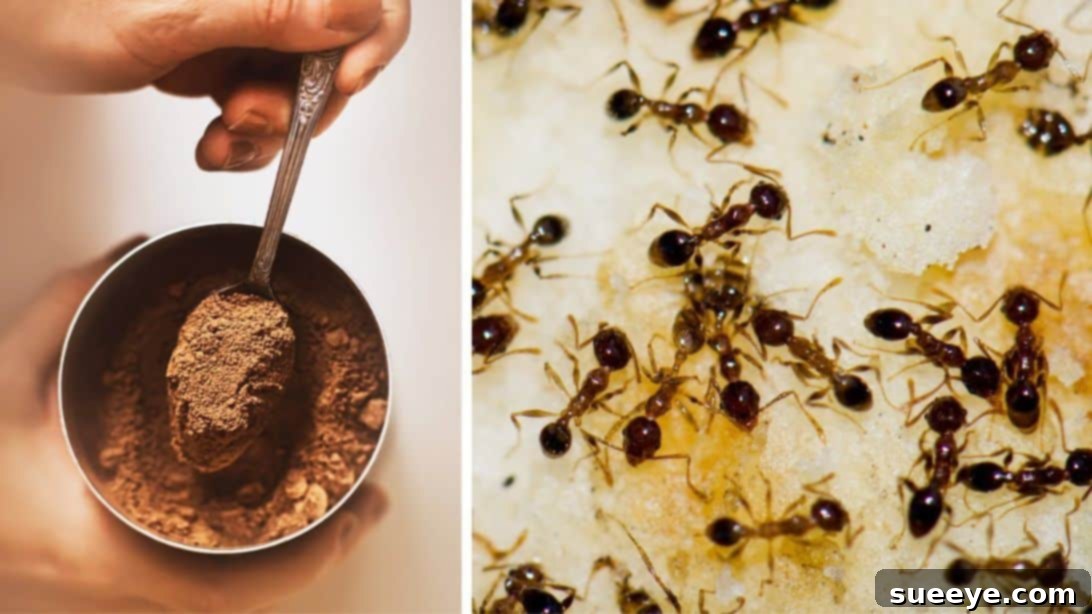
Natural and Safe Ant Control: Effective Remedies for Your Home and Garden
Ant infestations can transform a peaceful home and thriving garden into a battleground against tiny invaders. The sight of ants marching across kitchen counters or colonizing garden plants is a common frustration for many homeowners. While chemical insecticides offer a quick solution, they often come with significant health risks for families, pets, and the environment. Fortunately, there’s a better way.
This comprehensive guide explores a variety of natural, non-toxic, and highly effective methods to eradicate ants from your living spaces and outdoor areas. Inspired by traditional wisdom and expert tips, these remedies from sources like Joy Home Remedies provide safe alternatives to harsh chemicals, ensuring peace of mind while keeping your property ant-free.
Why Opt for Natural Ant Control?
The decision to switch from chemical-laden products to natural ant control methods is a wise one for several reasons. Chemical insecticides can leave behind toxic residues that are harmful to children, pets, and even adults, leading to respiratory issues, skin irritations, and other health concerns. They can also damage beneficial insects in your garden and contaminate soil and water.
Natural remedies, on the other hand, leverage ingredients commonly found in your pantry or garden, making them inherently safer and often more cost-effective. They work by repelling ants, disrupting their scent trails, or acting as deterrents, rather than relying on harmful poisons. This approach not only solves your immediate ant problem but also contributes to a healthier, more sustainable home and garden environment.
Top Natural Ant Repellents for Your Home and Garden
Cinnamon: A Fragrant Barrier
Cinnamon is much more than just a delightful spice; it’s a powerful natural ant deterrent. Ants rely heavily on their sense of smell to navigate, find food, and communicate. The strong aroma of cinnamon disrupts their olfactory senses, disorienting them and making it impossible to follow their pheromone trails. This confusion forces them to seek new, less-perfumed paths away from your protected areas.
How to Use: For indoor ant control, generously sprinkle ground cinnamon powder directly onto areas where ants are entering your home, along windowsills, doorframes, and behind appliances. You can also create a barrier around pet food bowls or pantry items. In the garden, lightly dust the soil around the base of plants that are frequently infested. This creates an invisible barrier, preventing ants from climbing stems to reach buds or fruits. For an enhanced effect, you can also place whole cinnamon sticks in cupboards or drawers.
Citrus: The Zesty Deterrent
The refreshing scent of citrus is often pleasing to humans but an absolute nightmare for ants. Citrus fruits, their peels, and essential oils contain compounds like d-limonene, which are toxic to ants and disrupt their respiratory system. Ants actively avoid areas treated with citrus, making it an excellent natural repellent.
How to Use: Harness the power of citrus by rubbing lemon or orange peels along entry points, baseboards, and window frames. You can also leave small pieces of dried citrus peel in areas where ants are often seen. For a potent spray, mix a few tablespoons of lemon juice or several drops of citrus essential oil (like orange, lemon, or grapefruit) with water in a spray bottle. Shake well and spray directly onto ant trails, infested plants, or suspected entry points. Regular application will reinforce the repellent effect, keeping your home and garden naturally pest-free.
Coffee Grounds: An Acidic Barrier
Many people are surprised to learn that used coffee grounds are a highly effective natural ant repellent. The high acidity and strong scent of coffee grounds are unpleasant and disorienting for ants, interfering with their ability to detect food sources and communicate. Furthermore, the texture of the grounds can act as a physical barrier, making it difficult for ants to cross.
How to Use: After brewing your morning coffee, collect the wet grounds. Allow them to dry slightly, then sprinkle them liberally around known ant entry points, along windowsills, and in garden beds where ants are present. You can also create a perimeter barrier around your home’s foundation. For potted plants or sensitive garden areas, mix the coffee grounds into the topsoil. As the grounds decompose, they will also add nitrogen to your soil, providing a dual benefit for your garden.
White Vinegar: The Multi-Purpose Solution
White vinegar is a staple in most kitchens, renowned for its cleaning and deodorizing properties. Its strong acetic acid content and pungent smell make it an excellent natural ant repellent. Ants despise the scent of vinegar, which also works to erase their scent trails, making it difficult for them to return to their nests or previously discovered food sources.
How to Use: Create your own powerful and non-toxic ant-repellant spray by mixing equal parts white vinegar and water in a spray bottle. For a stronger solution, you can use a ratio of one cup of vinegar to a quarter cup of water, as mentioned in the original tip. Shake the solution well before each use. Spray directly onto ants, ant trails, and potential entry points like cracks in walls, windowsills, and doorframes. You can also wipe down countertops and floors with this solution. The vinegar smell will dissipate quickly for humans but will linger long enough to deter ants. It’s safe for most surfaces, but always test on an inconspicuous area first.
Black Pepper or Cayenne Pepper: A Spicy Deterrent
If you’re looking for a quick and effective way to deter ants, look no further than your spice rack. Black pepper and cayenne pepper contain capsaicin, a compound that irritates ants and other insects. When ants come into contact with these spices, it creates an uncomfortable sensation, prompting them to avoid the treated areas.
How to Use: This method is incredibly simple and acts as a direct substitute for chemical insecticides in terms of immediate deterrent effect. Liberally sprinkle black pepper or cayenne pepper directly onto anthills, along visible ant pathways, and around the entry points of your home, such as windowsills and doorways. The ants will quickly retreat from these areas. Be cautious when using cayenne pepper around children or pets, as it can be irritating if ingested or rubbed into eyes.
Cloves: A Pungent Ant Barrier
Cloves, with their distinctively strong and warm aroma, are another potent natural ant repellent. The eugenol content in cloves is highly effective at disrupting ants’ navigation and communication systems. The powerful scent is overwhelming for ants, compelling them to steer clear of areas where cloves are present.
How to Use: To utilize cloves for ant control, simply crush a few whole cloves to release their aromatic oils. Sprinkle these crushed cloves near ant trails, around potential entry points like cracks and crevices, or directly into areas where ants are frequently observed. You can also place whole cloves in small sachets or decorative bowls within your pantry, food storage areas, or cupboards to prevent ants from invading your edibles. Replace the cloves every few weeks to maintain their strong scent and effectiveness.
Peppermint Essential Oil: A Refreshing Repellent
Peppermint essential oil is a powerful and aromatic solution known for warding off a wide variety of pests, including ants, spiders, and mice. The strong, minty scent is highly offensive to ants, interfering with their pheromone trails and sensory receptors, making it nearly impossible for them to navigate or find food.
How to Use: Create an effective and pleasant-smelling ant spray by adding 10-15 drops of peppermint essential oil to a cup of water in a spray bottle. Shake well before each use. Spray this solution directly onto ant trails, around entry points, and in any areas where you’ve noticed ant activity. For a more concentrated effect, you can also dab a few drops of undiluted peppermint oil onto cotton balls and place them in cupboards, drawers, under sinks, or near windows and doors. The refreshing aroma for humans is a major bonus, but remember to keep essential oils out of reach of pets, as some can be toxic if ingested.
Cedar: The Aromatic Shield
Cedarwood is well-known for its natural pest-repelling properties, particularly against moths, fleas, and also ants. The natural oils in cedar, especially cedrene, act as a powerful deterrent. Ants dislike the strong aroma and tend to avoid areas protected by cedar, making it an excellent long-term, natural barrier.
How to Use: One effective way to utilize cedar is to establish a perimeter barrier around your home. Line the foundation or garden beds with cedar mulch, which not only deters ants but also helps retain soil moisture and suppress weeds. Indoors, you can use cedar shavings or blocks. Fill a few small cloth sachets or decorative bowls with cedar shavings and place them strategically throughout your home – in closets, pantries, under beds, or near entry points. Cedar blocks or hangers can also be placed in wardrobes to protect clothing while deterring pests. Regularly refreshing the cedar’s scent by lightly sanding blocks or shaking sachets can prolong its effectiveness.
Cucumber: An Unexpected Repellent
While less commonly known than other remedies, cucumber can also serve as an effective ant repellent. Ants are known to dislike certain compounds found in cucumbers, particularly the bitter rind. The exact mechanism isn’t fully understood, but it’s believed that these compounds produce a scent or substance that is unpleasant or even toxic to ants, prompting them to avoid the area.
How to Use: Simply peel a cucumber and place the peels in areas where ants are problematic, such as near entry points, behind appliances, or on kitchen counters. For garden use, you can scatter cucumber peels around the base of plants or near ant trails. As the peels dry out, their effectiveness diminishes, so replace them daily to maintain a strong deterrent. This method is particularly useful for sensitive areas where you prefer not to use spices or oils.
Prevention is Key: Complementary Strategies for Ant-Free Living
While natural repellents are highly effective, the best defense against ants is a good offense. Implementing preventative measures alongside your chosen remedies can significantly reduce the chances of future infestations. Ants are primarily attracted to food, water, and shelter, so eliminating these allurements is paramount.
- Maintain Cleanliness: Regularly wipe down kitchen counters, sweep floors, and promptly clean up spills. Store food in airtight containers, especially sugary items, cereals, and pet food.
- Seal Entry Points: Inspect your home for cracks and crevices in walls, foundations, and around windows and doors. Seal these entry points with caulk or weather stripping to block ants’ access.
- Manage Moisture: Repair leaky pipes, faucets, and drains, as ants are constantly searching for water sources. Ensure proper ventilation in bathrooms and basements.
- Trim Vegetation: Keep tree branches and shrubs trimmed away from your house, as these can serve as bridges for ants to access your roof or windows.
- Proper Waste Management: Empty trash cans regularly and ensure they have tight-fitting lids. Rinse recyclable containers before placing them in bins.
Combining Methods for Maximum Effectiveness
For persistent ant problems, consider combining several natural methods. For example, you might use white vinegar spray for immediate eradication and cleaning, while placing cinnamon barriers at entry points and peppermint-soaked cotton balls in cupboards. This multi-pronged approach creates a more comprehensive and robust defense, overwhelming ants with multiple deterrents and making your home and garden truly inhospitable for them.
When to Consider Professional Help
While these natural remedies are incredibly effective for most common ant infestations, there might be rare instances of severe or recurring problems that require professional intervention. If you’ve diligently applied various natural methods and the ants persist in large numbers, it might indicate a deeply established colony or a more complex pest issue that requires expert assessment. Even in such cases, you can discuss eco-friendly and less toxic professional solutions with pest control specialists.