
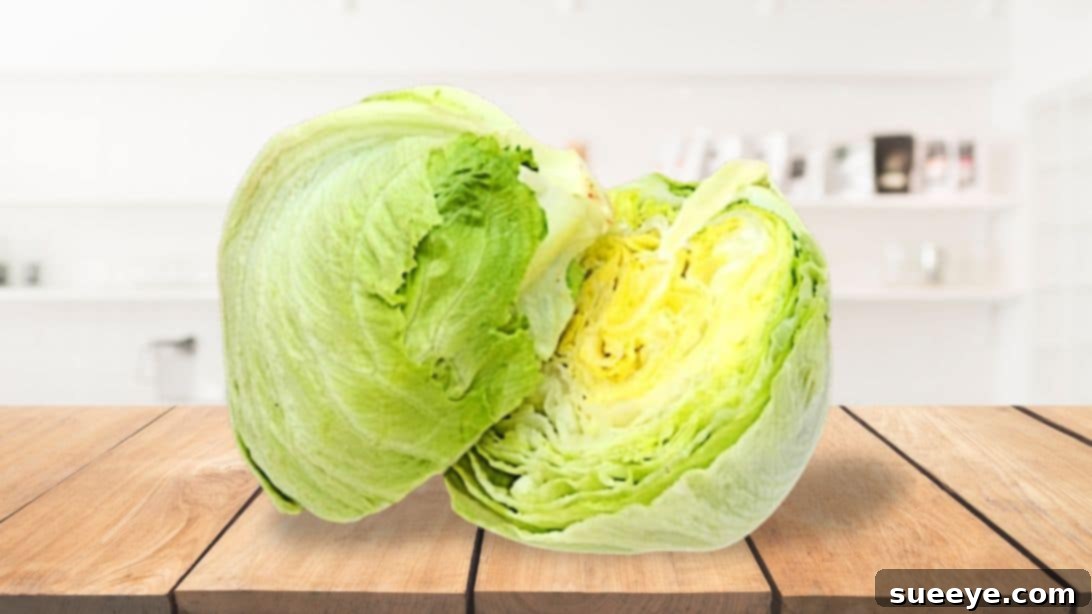
Have you ever reached for your crisp, fresh lettuce, only to find it sad, wilted, and destined for the compost bin just a few days after purchasing it? It’s a common frustration for home cooks and a significant source of food waste. The good news is that keeping your lettuce incredibly fresh and crisp for an extended period isn’t a kitchen mystery; it’s a simple science that anyone can master. With the right techniques, you can enjoy vibrant, flavorful lettuce in your salads, sandwiches, and wraps for up to three weeks, significantly cutting down on waste and saving you money.
Lettuce is a staple in countless delicious recipes, from refreshing salads and crunchy burger toppings to healthy wraps and vibrant side dishes. Its versatility makes it a must-have in many kitchens, yet its delicate nature often leads to premature spoilage. Many people unknowingly store their lettuce incorrectly, leading to rapid wilting, browning, and that unpleasant slimy texture. But what if there was a simple, effective hack that could change everything? There is! In this comprehensive guide, inspired by expert tips, we’ll dive deep into the secrets of optimal lettuce storage, ensuring your greens stay as fresh as the day you bought them.
Before we reveal the ultimate storage method, it’s helpful to understand why lettuce goes bad so quickly. The primary culprit behind wilting and browning is a natural plant hormone called ethylene gas. This gas is naturally produced by many fruits and vegetables as they ripen and decay. A classic example is the adage, “one bad apple spoils the whole bunch.” As an apple ripens, it emits ethylene gas, which then accelerates the ripening and decay of other nearby produce, including sensitive greens like lettuce.
Lettuce is highly sensitive to ethylene gas. When exposed to it, the leafy greens will prematurely ripen, leading to a breakdown of cell walls, browning, and that characteristic wilted appearance. This is why it’s crucial to segregate certain fruits and vegetables in your refrigerator. If you’ve ever noticed that pre-made salads or fresh greens stored next to ripe fruits like apples, bananas, or tomatoes deteriorate much faster, ethylene gas is likely the reason. To protect your delicate produce, always store high-ethylene producers separately from ethylene-sensitive items.
Conversely, if you ever need to ripen fruits or vegetables faster, placing them in a paper bag with an apple or banana can significantly speed up the process, thanks to the concentrated ethylene gas. But for extending the life of your lettuce, we need to minimize its exposure.
The Ultimate Hack: Keeping Lettuce Fresh, Crisp, and Slimy-Free
This simple yet incredibly effective method focuses on controlling three key factors: moisture, air exposure, and temperature. By addressing these, you can dramatically extend the shelf life of your lettuce and other leafy greens.
Step 1: Preparation is Key – Handle With Care
Before storing your lettuce, proper preparation sets the stage for success. For heads of lettuce (like romaine or iceberg) or whole leaves, resist the urge to wash them until you’re absolutely ready to use them. Excess moisture is one of the biggest enemies of fresh lettuce, promoting bacterial growth and sliminess. If your lettuce came in a plastic bag or container, do not remove it until you plan to eat it, as this initial packaging provides a protective barrier.
However, if you’re dealing with loose leaf lettuce, a pre-washed bag of mixed greens, or if you prefer to wash your produce immediately after purchase, the drying step is paramount. After washing, ensure your lettuce is thoroughly dry. You can achieve this with a salad spinner, which is highly effective at removing surface water. Alternatively, gently pat the leaves dry with clean paper towels. Any residual moisture will accelerate spoilage.
Step 2: The Airtight Bag and Paper Towel Method
This is where the magic happens. For loose lettuce leaves or even a whole head, this method works wonders:
- Gather Your Supplies: You’ll need a large, heavy-duty Ziploc bag (or a similar airtight container/produce bag) and a few sheets of paper towels.
- Layer with Paper Towels: If you’re storing loose leaves, place a layer of dry paper towels at the bottom of the Ziploc bag. Then, arrange your dry lettuce leaves on top of the paper towels. If you have a larger quantity, you can add another layer of paper towels in between layers of lettuce. For a whole head, simply wrap it loosely in a few sheets of dry paper towel. The paper towels act as a moisture-wicking agent, absorbing any excess condensation that might form inside the bag.
- Seal and Remove Air: This is a critical step. Seal the Ziploc bag almost completely, leaving a small opening (about an inch) at one end. Now, gently press out as much air as possible from the bag. For an even better “vacuum seal” effect, you can use a straw. Insert the straw into the small opening, suck out the remaining air, and quickly seal the bag completely as you remove the straw. Removing air minimizes oxygen exposure, which slows down the oxidation process and inhibits bacterial growth, further preventing sliminess and browning.
- The Plastic Barrier: The plastic bag itself serves multiple purposes. It creates a barrier against external ethylene gas from other produce in your fridge, and it helps maintain a consistent humidity level around the lettuce, preventing it from drying out while simultaneously protecting it from excess moisture.
Step 3: Optimal Refrigeration – The Coldest Spot
Once your lettuce is securely stored in its Ziploc bag with paper towels and minimal air, where you place it in the refrigerator makes a significant difference. Lettuce thrives in cold, consistent temperatures. The ideal temperature range for most leafy greens is between 32-35°F (0-2°C).
Generally, the coldest part of your refrigerator is the back of the bottom shelf or the crisper drawer. While crisper drawers are designed to regulate humidity, the sealed bag method often provides sufficient protection, so the key is consistent cold. Storing your carefully prepared lettuce in this optimal cold environment slows down its metabolic processes and the activity of spoilage-causing enzymes, allowing it to stay fresh and crisp for up to three weeks.
Reviving Wilted Lettuce: A Quick Fix
What if you forgot a head of lettuce and it’s looking a bit sad but not yet slimy or discolored? Don’t despair! You might be able to revive it. Fill a large bowl with ice water and submerge the wilted lettuce leaves in it for about 15-30 minutes. The cold water helps the lettuce absorb moisture, rehydrating its cells and often restoring its crisp texture. This trick works best for lettuce that is merely dehydrated, not spoiled.
Common Mistakes to Avoid for Maximum Freshness
To ensure your lettuce stays in peak condition, steer clear of these common pitfalls:
- Storing with Ethylene Producers: As discussed, keep apples, bananas, tomatoes, and other high-ethylene fruits and vegetables away from your lettuce.
- Leaving Lettuce Exposed to Air: Air exposure leads to dehydration and oxidation, quickly wilting and browning your greens. Always use an airtight container or sealed bag.
- Storing Wet Lettuce: This is arguably the biggest mistake. Excess moisture is a breeding ground for bacteria and is the primary cause of slimy lettuce. Always ensure leaves are completely dry before storing.
- Over-packing Your Refrigerator: A densely packed fridge can impede air circulation, creating inconsistent temperatures and potentially warmer spots, which are not ideal for delicate produce.
- Washing Lettuce Too Far in Advance (Without Proper Drying): While convenient, washing and then storing without meticulous drying will lead to rapid spoilage.
The Benefits of Mastering Lettuce Storage
Implementing these simple storage hacks offers numerous advantages:
- Reduced Food Waste: No more throwing away half-used heads of lettuce, contributing to a more sustainable kitchen.
- Cost Savings: By extending the life of your produce, you’ll buy less frequently and get more value from your groceries.
- Consistent Freshness: Enjoy crisp, flavorful lettuce whenever you want it, elevating your meals.
- Nutrient Retention: Fresh produce generally retains its nutritional value better than spoiled or wilted items.
- Convenience: Having ready-to-use fresh greens makes meal prep quicker and easier.
Beyond Lettuce: Applying These Principles to Other Greens
The principles outlined here for lettuce storage can often be applied to other delicate leafy greens such as spinach, kale, and even herbs, with slight variations. The core idea remains the same: control moisture, minimize air exposure, and maintain a cold temperature. For instance, like lettuce, celery can also be prone to losing its crispness. If you’re interested in keeping your celery equally fresh, you might find The Secret to Keeping Celery Crisp equally helpful.
By adopting these simple, science-backed storage methods, you’ll transform the way you keep your leafy greens. Say goodbye to limp, brown, and slimy lettuce, and hello to weeks of vibrant, crisp freshness. It’s an easy hack that makes a big difference in your kitchen, reducing food waste and ensuring your meals are always topped with the best quality ingredients. Give it a try, and taste the difference!
For a visual demonstration of these amazing tips, you can watch how Kitchen Tips Online on YouTube showcases these simple storing hacks to keep lettuce from getting slimy and gross. Their insights complement this guide perfectly, offering a practical walkthrough of the techniques discussed.