
The Hidden Dangers of Mixing Cleaning Products: A Comprehensive Safety Guide
In our pursuit of a sparkling clean home, it’s natural to seek out the most effective solutions. Many homeowners might be tempted to combine different cleaning products, believing that a blend of powerful chemicals will yield superior results. However, this common misconception can lead to incredibly dangerous, even fatal, consequences. Mixing household cleaning chemicals, even seemingly innocuous ones, can trigger violent reactions, release toxic gases, or create highly corrosive substances that pose severe risks to your health and the safety of your home. Understanding the chemical compositions and potential interactions of these products is paramount to preventing accidents. This guide will walk you through the most lethal combinations you must avoid, ensuring you clean with confidence and, more importantly, with safety.
Why Mixing Cleaning Products Is Extremely Dangerous
The allure of a “super cleaner” often stems from a lack of awareness about chemical properties. Each cleaning product is specifically formulated with active ingredients designed to tackle certain types of grime or germs. When these unique formulations are combined, they don’t simply become more potent; they can undergo unpredictable and hazardous chemical reactions. These reactions can produce toxic fumes that cause respiratory distress, chemical burns to the skin and eyes, internal organ damage, or even lead to explosions. The risks are not to be underestimated, and knowing what not to mix is as crucial as knowing how to clean effectively.
Common Cleaning Products You Should Handle With Care
Before diving into the dangerous mixtures, it’s important to recognize the common household cleaning agents that often contain potent chemicals. Always store these products in their original containers, away from children and pets, and always read their labels carefully for specific usage instructions and warnings.
- Bleach (Sodium Hypochlorite)
- Vinegar (Acetic Acid)
- Drain Cleaners (often containing lye/sodium hydroxide or sulfuric acid)
- Baking Soda (Sodium Bicarbonate)
- Ammonia (Ammonium Hydroxide)
- Rubbing Alcohol (Isopropyl Alcohol)
- Hydrogen Peroxide
Lethal Combinations You Must Avoid At All Costs
Here are the specific cleaning product combinations that pose significant risks and should never, under any circumstances, be mixed.
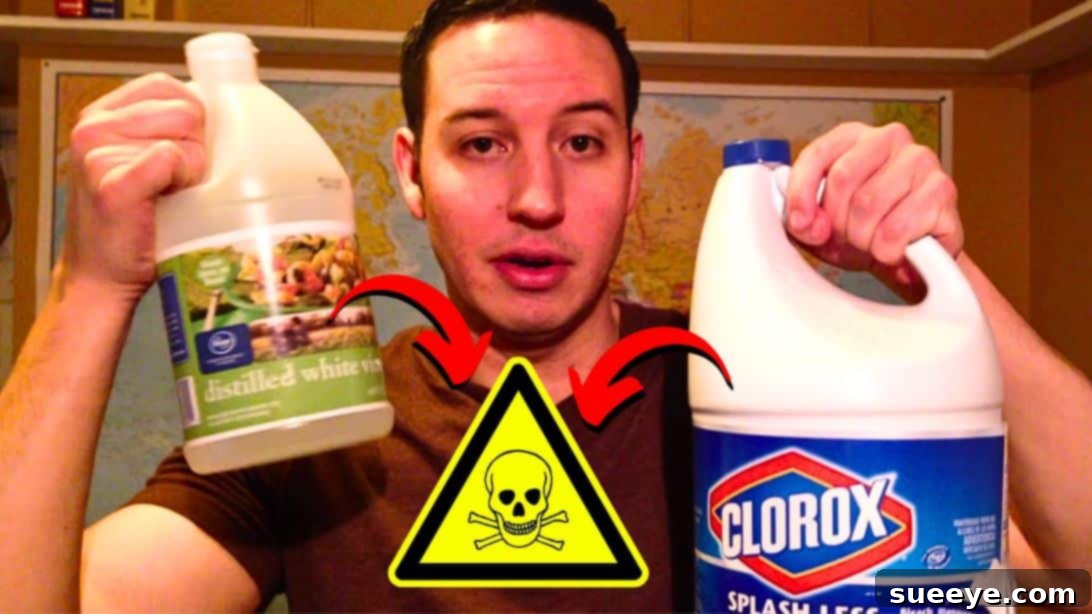
Bleach & Vinegar: The Peril of Chlorine Gas
This is arguably one of the most common and dangerously mistaken combinations. Bleach, a powerful disinfectant, contains sodium hypochlorite, while vinegar is a mild acid (acetic acid). When mixed, these two substances react to produce chlorine gas, a highly toxic chemical. Inhaling chlorine gas can cause severe respiratory problems, including coughing, shortness of breath, and chest pain. Exposure can also lead to burning eyes, irritated skin, and in severe cases, pulmonary edema or even death. This gas can quickly fill an enclosed space, making escape difficult. Instead of mixing, use bleach or vinegar separately for their intended cleaning purposes, ensuring adequate ventilation.
Different Types of Drain Cleaners: An Explosive Hazard
Drain cleaners are designed to dissolve stubborn clogs, and they achieve this through extremely potent chemical reactions. These cleaners typically fall into two categories: acid-based (e.g., sulfuric acid) or alkaline-based (e.g., lye/sodium hydroxide). Mixing different types of drain cleaners, or even using a second type if the first fails, is incredibly dangerous. The combination can lead to violent, uncontrolled chemical reactions, generating intense heat, explosive gases, or even causing the mixture to erupt from the drain. This can result in severe chemical burns, blindness, and property damage. Always use only one type of drain cleaner at a time, strictly following the manufacturer’s instructions, and never introduce another product if the first attempt is unsuccessful.
Vinegar and Baking Soda: An Ineffective Fizz
While often recommended in natural cleaning circles, mixing vinegar (an acid) and baking soda (a base) is largely ineffective for cleaning beyond a temporary fizz. When these two substances combine, they quickly neutralize each other, producing water, sodium acetate (a type of salt), and carbon dioxide gas. The fizzing action, while visually impressive, is fleeting and doesn’t provide significant cleaning power. What you’re left with is essentially salt water, which lacks the degreasing, disinfecting, or abrasive properties that either ingredient offers individually. For effective cleaning, it’s better to use baking soda as a gentle abrasive or deodorizer, and vinegar as a disinfectant or descaler, but always separately.
Bleach and Ammonia: The Threat of Chloramine Gas
This combination is extremely toxic and can be deadly. Ammonia is a common ingredient in many glass cleaners, window cleaners, and some floor waxes, and is also present in urine. Mixing bleach with ammonia creates chloramine gas, which is a highly dangerous respiratory irritant. Inhaling chloramine gas can cause severe shortness of breath, chest pain, nausea, vomiting, and fluid in the lungs (pulmonary edema). Prolonged or high-level exposure can lead to irreversible lung damage and be fatal. Always be vigilant about product labels, especially when cleaning bathrooms, to ensure you never mix these two potent chemicals. If you’ve used an ammonia-based cleaner, ensure the area is thoroughly rinsed and ventilated before even considering using bleach.
Bleach and Rubbing Alcohol: The Formation of Chloroform
Combining bleach with rubbing alcohol (isopropyl alcohol) can produce chloroform. While often associated with historical anecdotes of inducing unconsciousness, chloroform is a highly toxic substance. Even in relatively small amounts, inhaling chloroform can cause dizziness, nausea, headaches, and damage to the nervous system, liver, and kidneys. In poorly ventilated areas or with significant exposure, it can lead to unconsciousness, respiratory depression, and even death. The reaction can also be exothermic, meaning it generates heat, further increasing the danger. Never use these two products together; if you’ve cleaned a surface with alcohol, allow it to completely evaporate and rinse thoroughly before applying bleach.
Hydrogen Peroxide and Vinegar: The Risk of Peracetic Acid
Hydrogen peroxide and vinegar are both excellent, non-toxic cleaners when used individually. However, mixing them creates peracetic acid. While peracetic acid is used as an industrial disinfectant, it is highly corrosive and unstable in concentrated forms. When created inadvertently by mixing household quantities, it can cause severe irritation and chemical burns to the skin, eyes, and respiratory system. The fumes can be particularly irritating and harmful to inhale. It’s safe to use hydrogen peroxide and vinegar sequentially on a surface (e.g., spray with one, wipe, then spray with the other), but never mix them in the same container or apply them simultaneously as a combined solution.
General Safety Tips for Handling Cleaning Chemicals
Beyond avoiding specific combinations, adopting a general approach to chemical safety is essential for any household task involving cleaning products:
- Always Read Labels: Before using any cleaning product, take a moment to read the instructions, warnings, and ingredient lists. This is your first line of defense against chemical mishaps.
- Ensure Good Ventilation: Always open windows and doors or use exhaust fans when cleaning, especially with strong chemicals. Fresh air helps dissipate fumes and reduces inhalation risks.
- Wear Protective Gear: Gloves are a must to protect your skin from irritation and burns. Safety glasses are highly recommended, especially when dealing with sprays or potent liquids, to protect your eyes.
- Never Mix Products: Unless specifically instructed by the manufacturer on the product label, assume that cleaning products should never be mixed. When in doubt, don’t combine them.
- Store Properly: Keep cleaning products in their original, clearly labeled containers. Store them in a cool, dry place, out of reach of children and pets.
- Know What to Do in Emergencies: Have the Poison Control hotline number (1-800-222-1222 in the US) readily available.
- Do Not Transfer to Unmarked Containers: This can lead to dangerous mix-ups and accidental ingestion.
What to Do in Case of Exposure
If you or someone in your household experiences symptoms from chemical exposure (e.g., difficulty breathing, skin irritation, eye pain), act quickly. Move to fresh air immediately. If chemicals are on the skin, rinse with plenty of water for at least 15-20 minutes. For eye exposure, flush eyes with water for the same duration. Seek immediate medical attention or call emergency services (like 911 in the US) or Poison Control. Provide them with as much information as possible about the products involved.
Conclusion: Prioritize Safety Above All
Cleaning your home should never come at the expense of your health and safety. The seemingly harmless act of combining cleaning products can unleash dangerous chemical reactions with severe consequences, from irritating fumes to lethal gases. By understanding the potential hazards of common household cleaners and strictly adhering to safety guidelines, you can ensure a clean home without putting yourself or your loved ones at risk. Always read labels, never mix chemicals, ensure proper ventilation, and err on the side of caution. Your health is far more valuable than a sparkling surface achieved through dangerous means. Stay informed, stay safe, and clean with confidence, knowing you’ve made responsible choices.
*All images in this article are credited to Clean With Confidence via YouTube. We encourage you to visit their channel for more insightful content on cleaning safely and effectively.