
The cast iron skillet is a culinary icon, a versatile workhorse revered by home cooks and professional chefs alike. Its exceptional heat retention, even cooking, and natural non-stick properties (when properly cared for) make it an indispensable tool in any kitchen. However, this durable cookware, passed down through generations, requires specific attention and a clear understanding of its unique needs. Many enthusiastic cooks might unknowingly be making common mistakes that diminish their skillet’s performance and shorten its lifespan. Insights from culinary experts, including those highlighted by Mashed, reveal that many people are using their cast iron skillets all wrong. Understanding the essential do’s and don’ts is paramount to unlocking its full potential and ensuring it serves you well for decades to come. Let’s delve into the crucial practices and common pitfalls you might be encountering, ensuring your beloved cast iron remains a cherished part of your kitchen arsenal.
Mastering Your Cast Iron Skillet: Avoid These Common Mistakes for Longevity and Performance
Cast iron skillets are renowned for their incredible durability and ability to last for generations, often becoming treasured family heirlooms. Yet, despite their robust nature, they demand a particular kind of care to maintain their unique cooking properties and prevent common issues like rust or sticking. Many cooks, even experienced ones, often make subtle errors in their cast iron maintenance routine that can significantly impact the pan’s performance and longevity. Understanding these pitfalls is the first step towards transforming your cast iron experience from frustrating to truly rewarding. Let’s explore the most common mistakes and how to avoid them, ensuring your skillet remains a high-performing staple in your kitchen.
1. Neglecting Proper Seasoning
One of the most fundamental aspects of cast iron care is seasoning, and often, it’s the most misunderstood. Unlike modern non-stick pans with synthetic coatings, cast iron skillets develop their non-stick properties through a process called seasoning. This isn’t just about applying oil; it’s about baking thin layers of oil onto the pan’s surface at high temperatures, which polymerizes and forms a hard, slick, and protective coating. This polymerized oil fills the skillet’s naturally porous surface, creating a barrier that prevents food from sticking and protects the iron from rust. A well-seasoned pan will have a beautiful, dark, glossy sheen and feel smooth to the touch. Failing to season your skillet properly, or allowing the existing seasoning to degrade, is a direct path to food sticking, uneven cooking, and the dreaded appearance of rust. Regular, proper seasoning is the secret to a naturally non-stick, long-lasting cast iron pan.
2. Incorrect Seasoning Methods: Rethinking the Oven
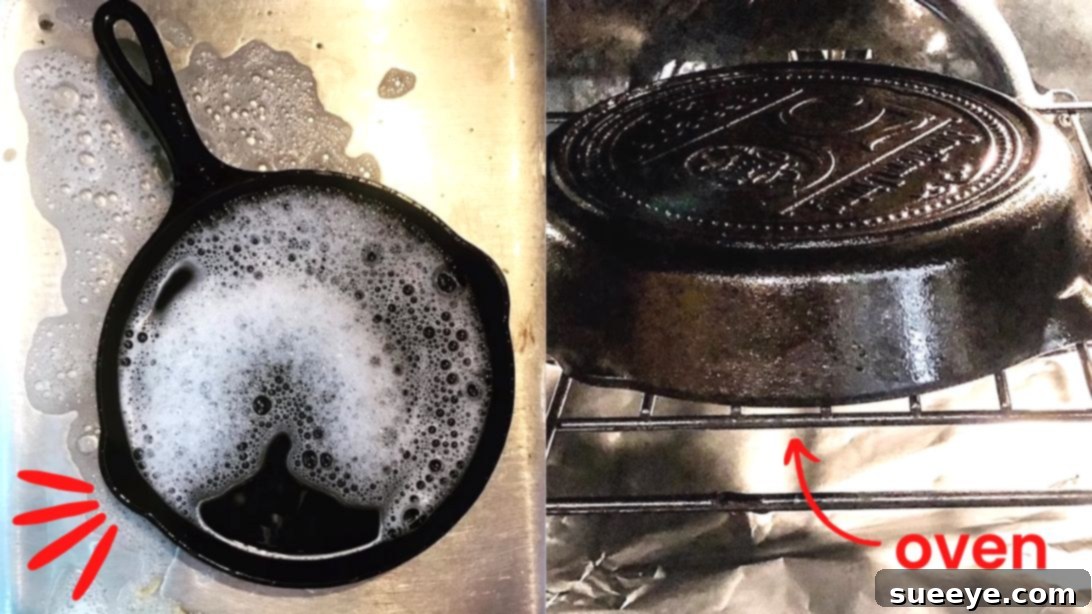
While many guides suggest oven seasoning, some cast iron experts argue that it’s not the most effective or efficient method for building a robust, non-stick surface. As Isaac Morton, founder of Smithey Ironware, suggests, oven seasoning primarily serves to protect the skillet from rust and the elements rather than creating a truly slick cooking surface. The high heat of an oven can certainly polymerize oil, but for a truly superior, cooking-ready seasoning, many advocate for stovetop seasoning. This method allows for more direct heat control and often results in a quicker, more durable buildup of seasoning layers. To properly season on the stovetop, apply a very thin layer of high smoke point oil (like grapeseed or flaxseed oil) to the entire surface, then wipe off any excess thoroughly with a paper towel – the pan should look dry, not oily. Heat the skillet over medium-high heat until it begins to smoke. Once it looks dry, apply another ultra-thin coat and repeat the heating process for 10 to 15 minutes. This process creates a stronger bond with the iron, but always ensure you have proper ventilation, as this method produces a considerable amount of smoke.
3. Cooking the Wrong Kinds of Foods
Not all foods are created equal when it comes to cast iron cooking, especially with newer or less established seasoning. Highly acidic foods, such as tomato sauces, lemon juice, or vinegar-based dishes, can be particularly problematic. The acid reacts with the exposed iron, potentially stripping away your hard-earned seasoning and imparting an undesirable metallic taste to your food. This doesn’t mean you can never cook with acidic ingredients, but it’s best to reserve them for well-seasoned, older pans and avoid long simmering times. Similarly, delicate foods like certain types of fish can be challenging. While a perfectly seasoned pan will handle them, fish is prone to sticking if the seasoning isn’t flawless, and its delicate texture can easily break apart. For best results, especially with new skillets, start with foods that benefit from high heat and a little fat, like searing steaks, frying eggs, or roasting vegetables, to build up your seasoning gradually.
4. Using the Dishwasher for Cleaning
This is arguably one of the quickest ways to ruin a cast iron skillet. The harsh detergents, high-pressure water jets, and intense heat of a dishwasher are the arch-nemesis of cast iron seasoning. Dishwashers will strip away the protective polymerized oil layer, leaving the bare iron exposed and highly susceptible to rust. Rust can appear almost immediately after a single wash cycle, turning your prized cooking tool into an orange, flaky mess. Cast iron requires a gentle, hand-washing approach. If you’re short on time or energy, simply wiping out food debris with a paper towel and a quick rinse under hot water might suffice for minor messes, followed immediately by thorough drying. Never, under any circumstances, should your cast iron skillet enter a dishwasher.
5. Inadequate Drying After Cleaning
Following a proper wash, the next critical step for cast iron care is meticulous drying. Any lingering moisture is a direct invitation for rust to form. Iron, when exposed to water and oxygen, quickly oxidizes, leading to those unsightly reddish-brown patches. Simply air-drying your skillet, or leaving it on a drying rack, is usually insufficient and risky. After washing, immediately wipe your skillet thoroughly with a clean towel. For absolute assurance, place the skillet back on the stovetop over low heat for a few minutes. This gentle heat will evaporate any residual moisture, ensuring the pan is bone dry. Once completely dry, it’s a good practice to apply a very thin layer of cooking oil (like vegetable or grapeseed oil) to the entire surface – inside and out – to provide an extra layer of protection against moisture and enhance the seasoning. This final oil rub is key to maintaining a healthy, rust-free skillet.
6. Storing Leftovers Directly in the Skillet
While cast iron skillets are perfect for cooking and serving, they are not designed for long-term food storage. Leaving food, especially acidic or salty dishes, in a cast iron pan after cooking can lead to several problems. Firstly, it can leach a metallic taste into your food, altering its flavor. Secondly, and more importantly, the food’s moisture and acidity can erode the seasoning layer, exposing the bare iron and making it susceptible to rust. Prolonged contact with food can also potentially lead to an excessive amount of iron leaching into the food, which, while not immediately toxic in typical circumstances, is generally not recommended. Always transfer leftovers to a separate storage container as soon as the meal is finished. This simple habit protects both your food’s flavor and your skillet’s seasoning.
7. Failing to Properly Preheat Your Skillet
Cast iron is known for its excellent heat retention, but it also takes time to heat up evenly. One of the most common reasons food sticks to a cast iron pan, even a well-seasoned one, is insufficient preheating. Dropping cold food onto a lukewarm skillet is a recipe for disaster. For optimal non-stick performance and even cooking, it’s crucial to allow your cast iron skillet to preheat gradually and thoroughly. Place your skillet on the stovetop over medium heat for at least 5 to 10 minutes before adding any oil or food. You can tell it’s ready when a drop of water quickly evaporates or when a little oil shimmers and spreads easily across the surface. This slow, even preheating ensures that the entire cooking surface reaches the desired temperature, creating a perfect environment for searing, frying, and preventing food from adhering to the pan. Alternatively, you can preheat it in the oven for 10-15 minutes at a moderate temperature (e.g., 350-400°F / 175-200°C) before transferring it to the stovetop for cooking.
8. Believing the “No Soap” Myth
For many years, the conventional wisdom dictated that soap should never touch cast iron. This myth originated from a time when soaps contained lye, a harsh chemical that would indeed strip away seasoning. However, modern dish soaps are much milder and, when used sparingly, are perfectly safe for cleaning cast iron. As experts from Field Company confirm, a little bit of mild dish soap won’t harm your seasoning, especially if it’s well-established. The key is to avoid harsh scouring pads or soaking the skillet in soapy water for extended periods. For stubborn, gunked-on food, a small amount of dish soap, combined with a stiff brush or sponge, can be very effective without damaging your pan’s protective layer. Rinse thoroughly and, as always, dry immediately and completely after washing.
9. Underestimating the Power of Salt for Scrubbing
When you encounter stubborn, stuck-on food bits that resist a simple rinse, coarse salt can be your cast iron’s best friend. Kosher salt, or any coarse salt, acts as a gentle yet effective abrasive. It’s inexpensive and, unlike steel wool (which can be too harsh if not used carefully during restoration), it won’t damage your seasoning layer while still effectively scraping away food residue. To use this method, pour a generous amount of coarse salt into the warm (not hot) skillet, add a tablespoon or two of oil, and then scrub vigorously with a paper towel or a stiff brush. The salt crystals work to dislodge food particles without harming the pan’s surface. Rinse out the salt, dry thoroughly, and apply a thin layer of oil. This technique is a fantastic, chemical-free way to keep your skillet impeccably clean.
10. Allowing Your Skillet to Soak
Just as with inadequate drying, letting your cast iron skillet soak in water is a major no-no. Whether it’s in the sink overnight or for just a few hours, prolonged exposure to water is a guaranteed path to rust. Even a well-seasoned pan can succumb to rust if left to soak, as water will eventually penetrate the seasoning and attack the underlying iron. As advised by the experts at Field Company, immediate cleaning after cooking is always the best approach. If food is truly stuck, instead of soaking, try the salt scrubbing method (Point 9) or deglaze the pan with a bit of water while it’s still warm on the stove. The goal is to minimize the time your cast iron is exposed to water to preserve its integrity and seasoning. Wipe it clean, dry it thoroughly, and perhaps apply a thin layer of oil immediately after use.
11. Using the Wrong Utensils
While cast iron is incredibly tough, its seasoning layer is not impervious to damage. Using harsh metal utensils with sharp edges can scrape away the delicate seasoning, creating bare spots where food will stick and rust can form. While a sturdy metal spatula is often preferred for searing and scraping the fond off the bottom of the pan, you need to be mindful of its impact on the seasoning. For general cooking and turning food, silicone spatulas are an excellent choice. As Elite Daily highlights, their flexible corners make it easy to maneuver food, and their heat resistance means they can withstand the high temperatures cast iron often reaches. Wooden spoons and spatulas are also safe and effective. Opt for utensils that are gentle on your pan’s surface to help preserve your seasoning and ensure a consistently non-stick cooking experience.
12. Prematurely Discarding a Rusty Skillet
One of the most remarkable qualities of cast iron is its incredible resilience and restorability. Many novice users might see a rusty pan and mistakenly believe it’s beyond salvage, destined for the trash. This couldn’t be further from the truth! Cast iron is practically indestructible, and rust is almost always treatable. Even a skillet that appears heavily rusted can typically be brought back to life with a little elbow grease and the right technique. The process usually involves thoroughly scrubbing away all the rust with steel wool, a wire brush, or even sandpaper, then washing the pan completely, and finally, re-seasoning it from scratch. It’s a testament to its robust nature that a rusty, neglected cast iron skillet can be fully restored to its former glory, ready to serve for many more decades. So, before you consider tossing that old, rusty pan, remember its potential for revival – it’s an investment that keeps on giving!
By understanding and avoiding these common cast iron mistakes, you can significantly enhance your cooking experience and prolong the life of your cherished cookware. Proper care and maintenance aren’t just chores; they are essential rituals that ensure your cast iron skillet performs at its best, delivering delicious results for years to come. Embrace these practices, and you’ll find your cast iron skillet becoming an even more invaluable and reliable companion in your kitchen.