
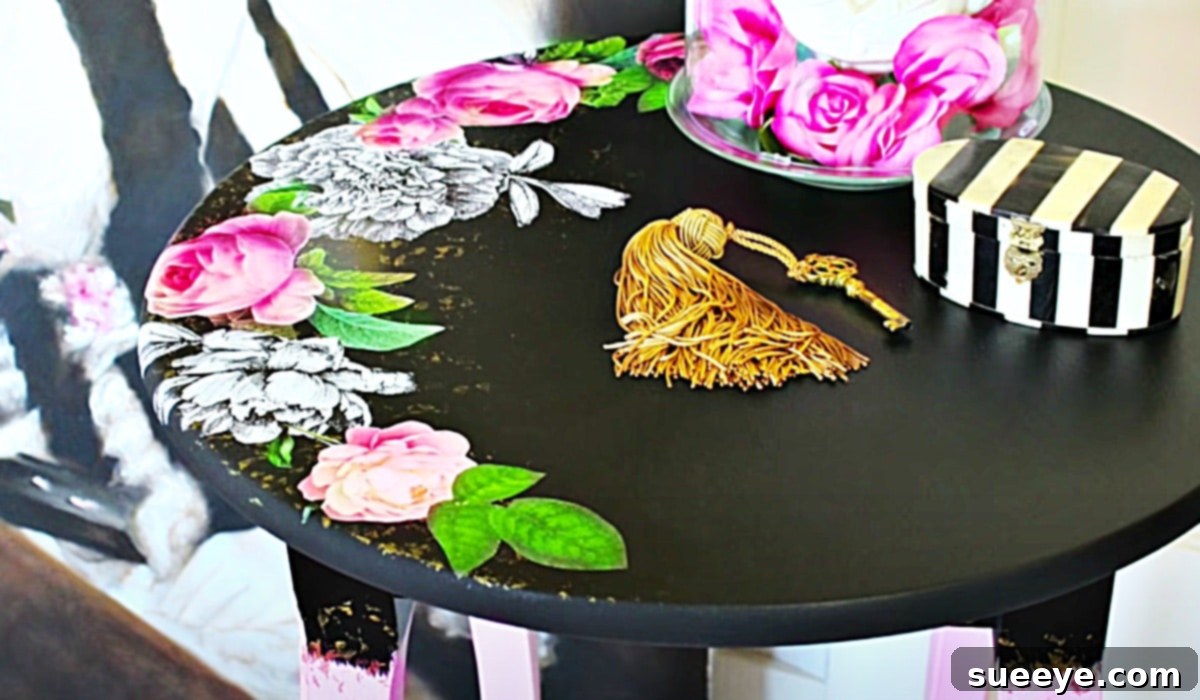
Transform Your Furniture: The Ultimate Victorian Gothic Table Makeover Guide
There’s an undeniable charm in giving forgotten treasures a new lease on life, especially when it comes to furniture. As an avid enthusiast of estate sales, garage sales, and the hidden gems found in thrift shops, I’m always on the hunt for pieces ripe for a stunning transformation. The sheer joy of discovering a diamond in the rough and reimagining its potential is a core part of my passion for home decor and crafting.
Recently, my attention was captured by an extraordinary Victorian Gothic table makeover tutorial by Mark Montano on YouTube. His vision resonated deeply with me, as I had the perfect candidate – a sturdy, yet uninspired, table patiently waiting in my garage for its moment of glory. This particular makeover concept, with its blend of elegant Victorian aesthetics and a touch of dramatic Gothic flair, is remarkably versatile. While a table is an ideal starting point, I can easily envision this intricate pattern adorning an antique bed frame, a dresser, or even a set of dining chairs, turning any piece into a captivating work of art.
The beauty of this project lies in its accessibility. It primarily utilizes chalk paint, a medium celebrated for its user-friendliness and beautiful matte finish. While Mark Montano favors the Americana brand for its quality, it’s worth noting that excellent alternatives like Waverly chalk paint can be found at incredibly reasonable prices, even at stores like Dollar Tree. The key is to embrace the creative process and allow your personal style to shine through, crafting a truly unique and artistic statement piece for your home.
Embarking on a furniture makeover journey not only breathes new life into old items but also provides an immensely satisfying creative outlet. This guide will walk you through the steps to achieve your own magnificent Victorian Gothic table, blending the practical aspects of painting and decoupage with the artistic vision required to create a truly one-of-a-kind piece.
Essential Materials for Your Victorian Gothic Table Makeover:
To begin this enchanting transformation, gather the following supplies. Having everything prepared beforehand will ensure a smooth and enjoyable crafting experience:
- A sturdy table (or desired furniture piece): Ensure it’s clean and structurally sound.
- Chalk Paint: Select a palette including matte black for the base, and accent colors such as pink, white, brown, and green. These will be used for detailing and adding depth.
- Metallic Paint (Gold): A touch of gold will add that quintessential Victorian opulence and highlight intricate details.
- Decoupage Glue: A reliable decoupage medium is crucial for adhering your chosen decorative elements smoothly.
- Crumpled Paper: This will be used for a unique texture application, adding to the aged, gothic aesthetic.
- Assorted Decorative Images: Think Victorian-era flowers, botanical prints, gothic motifs, or even old script. Print these on thin paper for best results.
- Paint Brushes and Rollers: Various sizes for base coats and fine detailing.
- Craft Knife or Scissors: For precise cutting of decoupage images.
- Sandpaper (fine-grit): Optional, for light distressing or smoothing imperfections.
- Cleaning Supplies: Rags, mild detergent, and water for preparing your furniture.
- Protective Drop Cloths: To keep your workspace clean.
- Matte Finish Spray: A durable spray sealant to protect your finished masterpiece and provide a consistent matte look.
Step-by-Step Directions to Achieve Your Victorian Gothic Masterpiece:
Transforming your ordinary table into an extraordinary Victorian Gothic creation is an exciting process that unfolds in a few carefully executed steps. Mark Montano’s approach provides an excellent framework, allowing for both precision and artistic freedom. Let’s delve into the detailed instructions:
Step 1: Thorough Furniture Preparation
The foundation of any successful furniture makeover is proper preparation. Begin by thoroughly cleaning your table. Use a mild detergent and water to remove any dirt, grease, or grime that may have accumulated over the years. Rinse well and allow the table to dry completely. For older pieces, a light sanding with fine-grit sandpaper can help create a smoother surface for paint adhesion, though chalk paint is generally forgiving and often doesn’t require extensive sanding. Ensure all dust is wiped away before proceeding.
Step 2: Applying the Dramatic Matte Black Base Coat
With your table clean and dry, it’s time to apply the striking matte black chalk paint. This deep, rich color forms the dramatic backdrop for your Victorian Gothic design. Apply thin, even coats, allowing adequate drying time between each application. Chalk paint dries relatively quickly, but patience here ensures a smooth, uniform finish. Depending on the original color of your furniture and the desired opacity, two to three coats may be necessary to achieve a solid, even black surface. Ensure the edges and any intricate carvings are fully covered.
Step 3: Selecting and Preparing Your Decoupage Elements
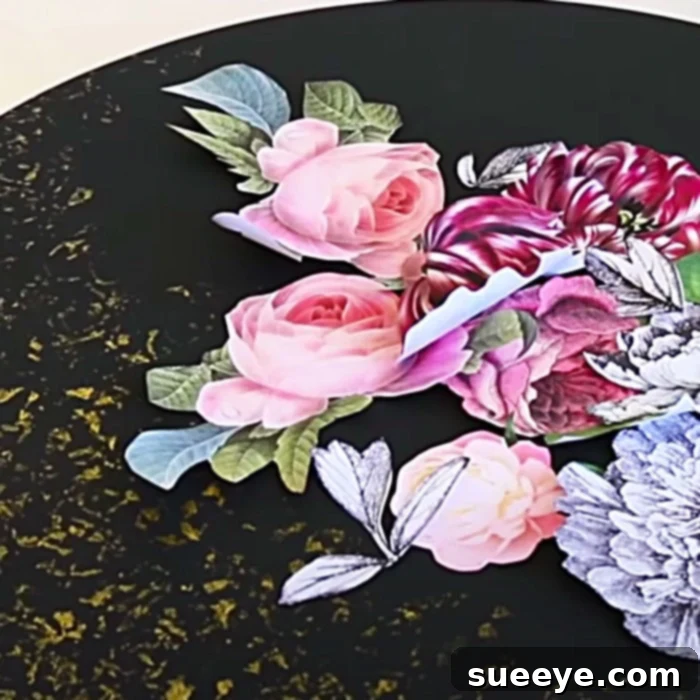
While the base coat dries, select and prepare the images you wish to decoupage onto the table. For a Victorian Gothic aesthetic, consider printing intricate botanical illustrations, delicate floral patterns, old-world script, or even subtle gothic motifs. Print these on thin paper, as thicker paper can be more challenging to work with and prone to bubbling. Carefully cut out your chosen flowers, leaves, and other design elements using a craft knife or sharp scissors. Precision here will contribute significantly to the professional finish of your piece.
Step 4: The Art of Decoupage Application
Once your black base coat is completely dry, you can begin the exciting process of decoupaging. Arrange your cut-out images on the table surface to visualize your design before gluing. Once satisfied with the layout, apply a thin, even layer of decoupage glue to the back of each paper cut-out. Carefully position the image onto the table, then gently smooth it down from the center outwards to remove any air bubbles or wrinkles. You can use your fingers, a soft cloth, or a specialized brayer tool for this. Once all images are adhered, allow them to dry completely. Then, apply a thin coat of decoupage glue over the top of the entire decoupaged area. This seals the paper and provides a smooth surface.
Step 5: Adding Depth and Texture with Crumpled Paper and Accent Colors
This is where the unique texture comes into play. Lightly crumple some thin paper (like tissue paper or delicate craft paper), then carefully flatten it out again. Adhere these crumpled pieces to strategic areas of your table using decoupage glue, creating subtle, aged textures that evoke an antique feel. Once dry, you can lightly brush over these textured areas with some of your accent chalk paints (pink, white, brown, green) to highlight the texture, or even dry-brush with gold metallic paint to give it a gilded, aged look. This layering adds incredible depth and character, moving beyond a simple painted surface.
Step 6: Fine Detailing and Metallic Accents
Now, bring out your gold metallic paint. Use a fine brush to carefully highlight the edges of the table, intricate carvings, or details within your decoupage images. A touch of gold can elevate the piece, adding that luxurious Victorian touch. You can also use your pink, white, brown, and green chalk paints for further artistic detailing, perhaps by lightly dry-brushing them over the black base in certain areas to create a subtle, aged patina, or by painting delicate patterns that complement the decoupaged elements.
Step 7: The Final Protective Matte Finish
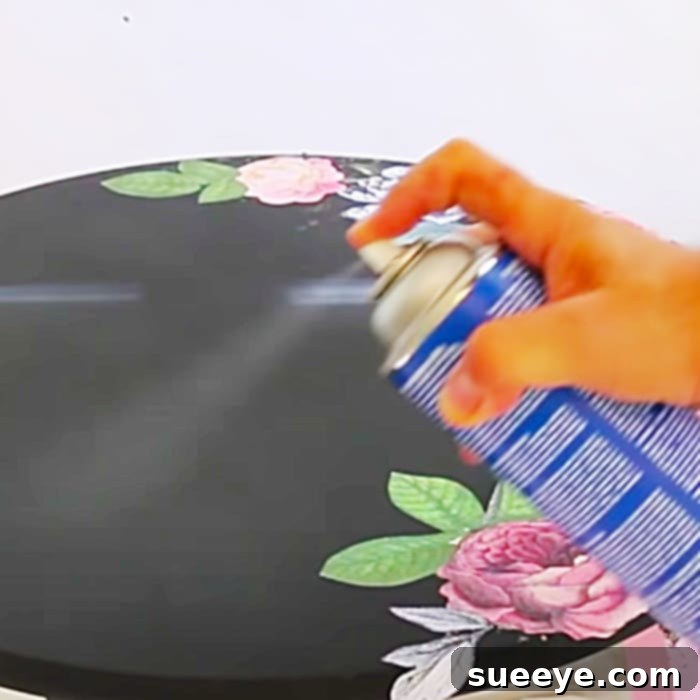
Once all your paint and decoupage layers are completely dry, and you are satisfied with your design, it’s time to protect your beautiful creation. Apply several thin, even coats of matte finish spray. This not only seals and protects the paint and decoupage from wear and tear but also unifies the entire surface with a consistent, elegant matte sheen. Allow ample drying time between each coat, typically a few hours. The number of coats will depend on the desired durability, but usually, 2-3 coats are sufficient for indoor furniture.
The Allure of Victorian Gothic Decor: Why This Style Captivates
The Victorian Gothic aesthetic is a fascinating blend of two powerful design periods: the opulence and intricacy of the Victorian era combined with the dramatic, often mysterious elements of Gothic art and architecture. This style appeals to those who appreciate history, rich detail, and a touch of the dramatic. It’s characterized by dark, moody colors, ornate patterns, a reverence for the past, and a certain romanticism. A Victorian Gothic table makeover doesn’t just change a piece of furniture; it imbues it with a story, a sense of gravitas, and an immediate focal point that draws the eye. It’s perfect for creating an atmosphere of elegant antiquity, whether in a dedicated gothic-themed room or as a striking accent in a more contemporary setting.
Choosing the Right Furniture Piece for Your Makeover
While the original inspiration was a table, this makeover technique is incredibly adaptable. When scouting for your next project at thrift stores or estate sales, look for pieces with good bones. Solid wood construction is always a plus. Consider the existing lines and details of the furniture; ornate carvings or interesting silhouettes will naturally lend themselves well to the Victorian Gothic aesthetic. Don’t be deterred by minor scratches or outdated finishes – these are precisely what chalk paint and decoupage are designed to cover and transform. Think about where the piece will live in your home and how its new style will complement or contrast with your existing decor.
Mastering Chalk Paint and Decoupage Techniques
Chalk paint has revolutionized DIY furniture makeovers. Its main advantage is excellent adhesion to most surfaces without the need for extensive sanding or priming. Its matte finish provides a beautiful, soft backdrop, ideal for the aged look often associated with gothic aesthetics. When working with chalk paint, remember to apply thin layers for a smoother finish. Decoupage, the art of decorating with paper cut-outs, is equally forgiving. The key is to use thin paper and ensure thorough smoothing to prevent bubbles. Don’t be afraid to experiment with different types of images – old book pages, botanical prints, or even personal photographs can create unique and personal designs. Layering multiple images can also add depth and interest.
Customizing Your Gothic Masterpiece
The beauty of DIY is the freedom to customize. While Mark Montano’s design is a fantastic starting point, feel free to make it your own. Consider different color palettes – perhaps a deep forest green or a rich burgundy base instead of black. Experiment with different types of decoupage imagery; perhaps old maps, celestial charts, or even intricate lace patterns. You could incorporate stenciling with metallic paints for added detail, or even apply small decorative appliques before painting. The crumpled paper technique can also be varied with different types of paper for unique textures. Let your imagination guide you in creating a piece that truly reflects your personal style.
Care and Maintenance for Your Transformed Furniture
Once your Victorian Gothic table makeover is complete and fully cured (which can take up to 30 days for the finish to harden completely), caring for it is simple. Dust regularly with a soft, dry cloth. For cleaning, use a damp cloth with mild soap, avoiding harsh chemical cleaners that could damage the matte finish. Protect the surface from extreme heat or moisture, and use coasters under drinks to prevent water rings. With proper care, your beautifully transformed piece will remain a stunning focal point in your home for years to come.
Conclusion: Embrace the Beauty of Upcycling
This Victorian Gothic table makeover by Mark Montano is more than just a craft project; it’s an invitation to unleash your creativity and breathe new life into an old piece of furniture. The transformation from an ordinary table to a dramatic, artistic statement piece is incredibly rewarding. I’m truly excited to begin work on my own garage-bound table, knowing that soon it will be as beautiful and unique as this stunning inspiration. So, gather your materials, embrace the process, and prepare to create a piece that adds elegance, history, and a touch of gothic allure to your home.