
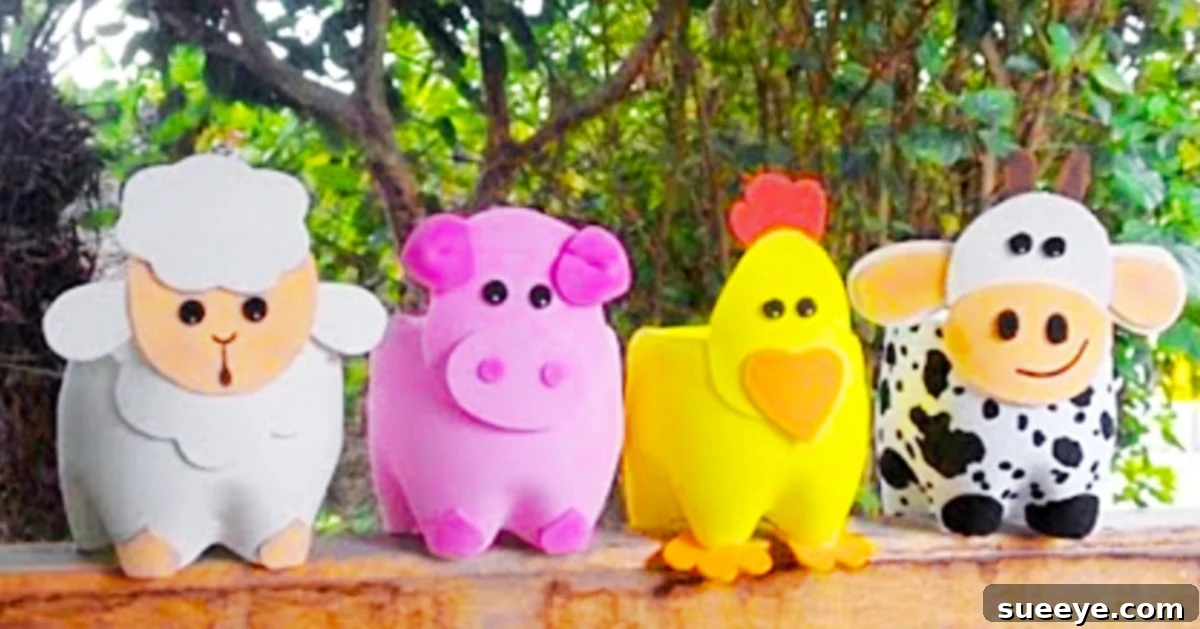
DIY Recycled Plastic Bottle Farm Animal Planters: Transform Your Garden with Charming Upcycled Decor
There’s an undeniable joy in discovering creative ways to beautify your home and garden, especially when those methods are both environmentally friendly and incredibly affordable. Our latest obsession began with a captivating video from Organic Garden on YouTube, showcasing hand-painted farm animal planters made from recycled soda and water bottles. The moment we laid eyes on these ingenious creations, we were smitten! These little animal characters are not just unbelievably cute; they represent a brilliant, sustainable solution for adding a whimsical touch to any outdoor space. We immediately envisioned them as perfect additions to our “My Secret Garden” patio theme, an ongoing passion project that seems to find its perfect complement in every delightful DIY idea we uncover.
The magic of these plastic bottle animal planters lies in their simplicity and charm. They offer an unparalleled opportunity to infuse your patio, balcony, or garden with personality and a rustic, handmade aesthetic, all without straining your budget. Our patio decor journey has been a testament to this, proving that dream spaces don’t require exorbitant costs. We’ve been meticulously planning a special corner of our patio, affectionately dubbed “gnome mountain,” where our unique collection of garden gnomes will reside alongside our very own magic wishing well, ingeniously crafted from a water bottle. These adorable plastic bottle animals are the perfect companions for this scene. They can easily be arranged on the “mountain” sides, perhaps with the help of a few small soil mounds to secure their playful positions, adding an extra layer of enchantment and narrative to our burgeoning secret garden. This project isn’t just about crafting; it’s about curating a personalized, eco-conscious haven.
Why Embrace Recycled Plastic Bottle Planters for Your Outdoor Space?
In today’s world, the principles of sustainability and mindful consumption are more important than ever. Engaging in DIY projects that repurpose discarded materials is a powerful way to contribute to a greener planet while unleashing your creative spirit. Crafting these farm animal planters from plastic bottles offers a plethora of benefits that extend beyond simple garden adornment:
- Champion Environmental Stewardship: Every plastic bottle you transform into a planter is one less bottle contributing to landfill waste or ocean pollution. This project is a tangible, impactful way to participate in the “reduce, reuse, recycle” movement, making a real difference one craft at a time.
- Unbeatably Budget-Friendly Decor: The primary raw material—plastic bottles—is typically free and abundant. This makes the project exceptionally cost-effective, allowing you to create a delightful collection of planters for minimal expense. Most other supplies, like paint and glue, are common craft staples.
- A Canvas for Limitless Creativity: Each bottle presents a blank slate for your artistic expression. Whether you envision a playful pig, a gentle cow, a fluffy sheep, or a cheerful chicken, the possibilities are vast. You can experiment with different animal shapes, paint colors, patterns, and facial expressions to make each planter truly unique and reflective of your style.
- Durable and Weather-Resistant: Plastic bottles are inherently robust and designed to withstand various environmental conditions. This makes them perfectly suited for outdoor use, capable of enduring sunlight, rain, and wind without degrading quickly, ensuring your animal planters remain charming features in your garden for seasons to come.
- Ideal for Small Plants and Seedlings: The size of most recycled bottles makes them perfect for housing small succulents, herbs, annual flowers, or for starting seedlings. They are an enchanting way to introduce greenery into compact spaces or to nurture young plants before they’re ready for the wider garden.
- Engaging Activity for All Ages: This project is a fantastic family-friendly activity. Children will love helping to paint and decorate the animals, fostering creativity, developing fine motor skills, and teaching valuable lessons about recycling and environmental responsibility in a fun, interactive manner.
- Unique and Personalized Garden Accents: Unlike generic, mass-produced garden ornaments, your hand-painted animal planters will boast a distinct character and charm. They add a personal, bespoke touch to your garden that store-bought items simply cannot replicate, making your outdoor space truly one-of-a-kind.
Essential Materials for Your Adorable Farm Animal Planters
Embarking on this fun crafting adventure begins with gathering your supplies. One of the best aspects of this project is that most materials are either readily available or can be found at a low cost, reinforcing its eco-friendly and budget-conscious nature. Here’s a comprehensive list to ensure you have everything you need:
- Recycled Plastic Water or Soda Bottles: Collect a variety of sizes and shapes to create a diverse “farm.” Ensure they are thoroughly cleaned and completely dry. Two-liter soda bottles are excellent for larger animals like cows or pigs, while smaller 500ml water bottles are perfect for sheep, chickens, or baby animals.
- A Soldering Iron (or Hot Woodcutter/High-Heat Craft Knife): This tool is essential for precisely and safely cutting the plastic into your desired animal shapes and for creating crucial drainage holes. If a soldering iron isn’t available, a very sharp craft knife can be used with extreme caution, though a hot tool offers cleaner, smoother cuts, particularly for intricate curves. Always work in a well-ventilated area and on a heat-resistant surface when using hot tools.
- A Hot Glue Gun and Glue Sticks: Indispensable for securely attaching any additional features, such as crafted ears, tails, or decorative embellishments, and for affixing the googly eyes that will bring your animals to life.
- Acrylic Craft Paint: These paints adhere exceptionally well to plastic surfaces and are available in an extensive palette of colors. Select shades appropriate for farm animals (e.g., white, black, pink, various browns, reds, yellows). For planters intended for permanent outdoor display, consider using outdoor-grade acrylic paints or a robust protective sealer.
- A Set of Paintbrushes: You’ll need an assortment of sizes. Larger brushes are ideal for applying base coats quickly and evenly, while smaller, finer-tipped brushes are crucial for adding intricate details like eyes, noses, mouths, spots, and textures.
- Googly Eyes: These small, wobbly additions are key to giving your animal planters their irresistible charm and personality. Available in various sizes at most craft stores, choose ones that complement the scale of your animals for the most endearing effect.
- Optional: Clear Acrylic Sealer/Varnish: If your finished planters will be exposed to the elements outdoors, a clear, weather-resistant sealer (either spray-on or brush-on) is highly recommended. It will protect your vibrant paintwork from fading, chipping, and the general wear and tear caused by sun and rain, ensuring your creations remain beautiful for longer.
- Optional: Permanent Markers: Useful for sketching initial outlines or adding very fine, permanent details before or after painting.
- Optional: Fine-Grit Sandpaper: Can be used gently to smooth any rough edges on the plastic after cutting, enhancing both safety and aesthetics.
Step-by-Step Directions: Crafting Your Adorable Farm Animal Planters
Now, let’s dive into the exciting process of transforming ordinary plastic bottles into extraordinary farm animal planters. Always prioritize safety, especially when operating hot tools. Ensure adult supervision is present if children are involved in any cutting stages.
1. Prepare and Clean Your Plastic Bottles
The foundation of any successful craft project is proper preparation. Start by thoroughly cleaning all your collected plastic bottles. Remove any labels, then wash the bottles inside and out with warm soapy water. Rinse them meticulously to remove all soap residue and allow them to air dry completely. A clean, dry, and smooth surface is essential for paint adhesion and a professional-looking finish. At this stage, you can also decide which animal each bottle will become, considering its shape and size – a tall, slender bottle might be perfect for a sheep, while a wider one could be an ideal pig.
2. Precisely Cut Out Your Animal Shapes
This step requires careful handling of your cutting tool. If you are using a soldering iron or hot woodcutter, it is imperative to work in a well-ventilated area, such as outdoors or near an open window, as heated plastic can release fumes. Place your plastic bottle on a heat-resistant surface or mat to protect your workspace. Refer to the original tutorial by Organic Garden for specific cutting guidelines for various animal shapes. Typically, this involves cutting around the bottle’s circumference to form the body, leaving an elevated section for the head and often small tabs that can be shaped into ears or other features. The hot tool will melt through the plastic, yielding relatively smooth and clean edges. If you’re new to this technique, practicing on a spare bottle first can help you gain confidence and precision. Wearing safety glasses and heat-resistant gloves is highly recommended.
3. Create Essential Drainage Holes
Once your animal shapes are successfully cut, the next critical step is to create proper drainage holes at the bottom of each planter. This is non-negotiable for the health of any plant you intend to put inside, as it prevents waterlogging, which can lead to root rot. Using your hot tool (soldering iron), carefully poke several small, evenly spaced holes in the very bottom of each plastic animal. If you opted for a craft knife for the main cuts, you can use a small drill bit or, with extreme caution and in a well-ventilated space, heat a metal skewer with a flame to melt through the plastic and create these necessary holes.
4. Bring Your Animals to Life with Paint
This is arguably the most enjoyable and artistic phase of the project: transforming plain plastic into vibrant farm animals! Consult the original tutorial for painting guides specific to each animal you’re creating. Start by applying a base coat of acrylic paint appropriate for your chosen animal – for instance, a soft pink for a pig, a creamy white for a sheep, or a warm brown for a cow. Apply thin, even coats, allowing each layer to dry completely before applying the next. You may need two or three coats to achieve opaque coverage. Once the base color is dry, switch to finer brushes to add intricate details: carefully paint eyes (if you’re not using googly eyes), noses, mouths, spots, stripes, or textured patterns like wool. This is where your creativity truly shines, allowing you to imbue each animal with its own unique personality. Allow all painted layers to dry thoroughly before proceeding.
5. Add Googly Eyes for Maximum Charm
With all the paint completely dry, it’s time to add that irresistible touch of whimsy: googly eyes! Using your hot glue gun, apply a small dab of hot glue to the back of each googly eye. Carefully position them on your animal’s “face,” ensuring they are symmetrical and give your creation the desired expression. This seemingly small detail makes an enormous difference, instantly bringing your plastic bottle creatures to life with an adorable, quirky appeal that is sure to delight.
6. (Optional) Apply a Protective Sealer for Longevity
If your finished farm animal planters are destined for outdoor life, especially in areas with direct sunlight, rain, or humidity, applying a clear, weather-resistant acrylic sealer is highly recommended. This protective layer will shield your beautiful paintwork from fading, chipping, and general deterioration caused by the elements, ensuring your charming creations maintain their vibrant colors and integrity for a much longer period. Follow the manufacturer’s instructions for the best application technique and allow adequate drying time.
Tips for Success and Inspiring Creative Variations
To make your crafting experience as smooth and enjoyable as possible, and to help you unlock even more creative possibilities, consider these valuable tips and ideas:
- Prioritize Safety: When using a soldering iron or any hot tool, always wear appropriate personal protective equipment, including safety glasses and gloves. Work in a well-ventilated area to disperse any fumes. Keep a bowl of water nearby to quickly cool the tool or for emergencies.
- Practice Makes Perfect: If you’re new to using a hot tool for cutting plastic, it’s a good idea to practice on a few scrap bottles first. This will help you get a feel for the tool’s temperature and speed, leading to smoother, more confident cuts on your actual planters.
- Explore Bottle Diversity: Don’t limit yourself to just one type of plastic bottle. Experiment with different sizes, shapes, and even colors of bottles. Taller, more slender bottles might inspire elegant giraffes or horses, while wider, squatter ones could become rounder animals like hippos or frogs.
- Consider Outdoor-Grade Paint: For planters that will be permanently outdoors, investing in acrylic paints specifically formulated for outdoor use will provide superior durability and color retention against UV rays and moisture. Alternatively, a high-quality outdoor sealant is crucial.
- Beyond the Farm: While farm animals are undeniably cute, let your imagination roam! You could create a collection of jungle animals, woodland creatures, marine life, or even fantastical beasts. The cutting and painting techniques are highly adaptable.
- Thoughtful Handmade Gifts: These delightful planters make exceptionally thoughtful and personalized gifts for gardening enthusiasts, teachers, or children. Fill them with a small, easy-to-care-for succulent, a packet of seeds, or even some candy for an extra special touch.
- Curate a “Farm” Display: Create a cohesive and charming display by grouping a whole “farm” of your animal planters together. Arrange them on a tiered plant stand, a garden shelf, or scatter them artfully around a specific area of your garden to tell a visual story.
- Smart Plant Selection: Choose plants that are well-suited for smaller containers and don’t require deep roots. Succulents, small herbs like thyme or oregano, miniature annuals, or even air plants are excellent choices. Ensure the plants you select are compatible with the light conditions of your chosen display location.
Integrating Your Charming Farm Animal Planters into Your Garden and Patio
Once your endearing collection of plastic bottle farm animal planters is complete, the exciting next phase involves strategically placing them within your outdoor sanctuary. These versatile, handcrafted pieces of decor can significantly enhance the aesthetic of virtually any garden or patio setting, infusing it with a unique blend of whimsy, personality, and eco-conscious charm.
- “Gnome Mountain” Enchantment: As envisioned for our own “gnome mountain” patio corner, these animal planters are ideal companions for your collection of garden gnomes and other miniature garden elements. You can arrange them artfully on small soil mounds, nestled among decorative rocks, or peeking out from behind low-growing foliage to create a dynamic, undulating landscape. A sheep planter grazing beside a gnome, or a cow observing from behind a miniature shrub, adds a delightful narrative and a sense of discovery to your garden.
- Charming Patio Table Centerpieces: Arrange a small cluster of your animal planters as an eye-catching centerpiece for your outdoor dining table, coffee table, or side tables. When filled with fragrant herbs like basil or mint, or small, brightly colored flowers, they add a rustic, playful, and aromatic touch to your al fresco dining or lounging experience.
- Brighten Up Window Ledges: Bring a cheerful burst of color and life to an outdoor window ledge, a garden shed window, or even a sturdy fence rail with a row of these delightful characters. They will instantly catch the eye and provide a charming focal point.
- Whimsical Pathway Edging: For a truly unique and engaging garden pathway, consider lining the edges with a series of different animal planters. This creates an inviting visual journey, encouraging visitors to explore and appreciate the handmade details as they stroll through your garden.
- Vertical Garden Accents: If you have a vertical garden, a pallet planter, or a wall-mounted display, these small animal pots can be ingeniously tucked into pockets, secured to shelves, or hung, adding an extra dimension of charm, texture, and interest to your vertical green space.
- Dedicated Kid’s Garden Corner: Spark a love for gardening in young ones by creating a dedicated “farm corner” within their play area or a safe section of the garden. The animal planters will undoubtedly delight children and can even be used to grow their own easy-to-care-for plants, such as cherry tomatoes, nasturtiums, or marigolds, fostering an early connection with nature.
- Heartfelt Gifts with a Plant: Beyond decorating your own space, these planters serve as incredibly thoughtful and personalized gifts. Fill one with a vibrant succulent, a small herb plant, or even a packet of seeds, and present it to a friend, family member, or neighbor. It’s a gift that beautifully embodies creativity, sustainability, and a personal touch, perfect for any occasion.
Conclusion: Cultivate Creativity and Sustainability in Your Garden
The journey of transforming humble plastic bottles into enchanting farm animal planters is far more than just a simple craft project; it’s a joyful embrace of creativity, a powerful statement of sustainability, and a beautiful expression of personal style. From the initial spark of inspiration found in the Organic Garden on YouTube tutorial to the final, proud display of your hand-painted creations, every step is infused with the profound satisfaction of making something beautiful and meaningful with your own hands.
These adorable, eco-friendly planters not only inject a unique, whimsical charm into any garden, patio, or even indoor space, but they also stand as a proud testament to the incredible power of upcycling. By choosing to repurpose plastic bottles, you’re not merely saving money on decor; you’re actively contributing to environmental conservation, one charming animal at a time. The simple act of giving new life to discarded materials can be immensely rewarding, fostering a deeper connection with your environment and inspiring others to explore similar sustainable and creative practices. So, gather your supplies, ignite your inner artist, and embark on this delightful DIY adventure. Your garden, your home, and indeed, the planet, will undoubtedly thank you for it!