
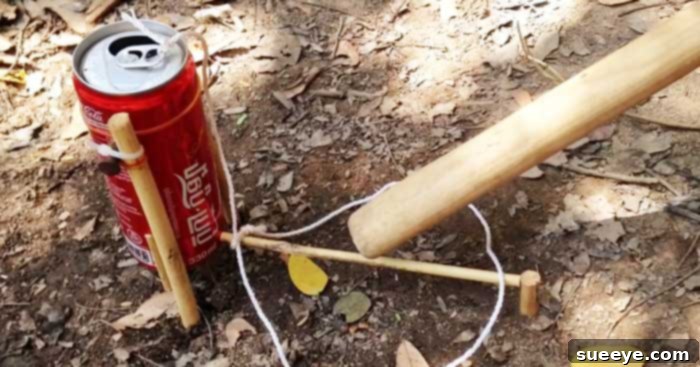
Humane DIY Bird Trap: Crafting a Simple Coke Can Catcher for Your Garden
Are unwanted feathered visitors frequently raiding your precious garden, feasting on your freshly sown seeds, ripe berries, or delicate produce? While birds are a beautiful part of nature, their foraging habits can sometimes become a nuisance for enthusiastic gardeners. Instead of resorting to harsh or harmful methods, what if there was an ingenious, humane, and incredibly simple solution to temporarily deter them from your cultivated spaces?
Enter the brilliant hack developed by Am Song, a clever DIY bird trap that promises to catch birds without causing them any harm. This eco-friendly method, often referred to as a “catch-and-release” system, gently secures a bird by its feet, allowing you to safely release it away from your garden and reset the trap for future use. It’s an innovative approach to garden protection that prioritizes the well-being of wildlife while safeguarding your harvest.
This guide will walk you through building your very own humane bird trap, transforming a discarded soda can into an effective tool for garden management. Not only is this project simple and cost-effective, but it also provides a unique opportunity to reuse common household items, aligning perfectly with sustainable living practices. Get ready to reclaim your garden with this smart, compassionate solution!
Why Choose This Humane DIY Bird Trap?
Opting for a homemade, humane bird trap presents numerous advantages over more aggressive methods of bird control. Firstly, its primary benefit is its non-lethal nature. Unlike nets, sonic repellents, or chemical solutions that can injure or stress birds, this coke can trap is designed purely for temporary capture and safe release. It ensures that no harm comes to the birds, maintaining the delicate balance of your garden’s ecosystem.
Secondly, this DIY bird trap is incredibly cost-effective. You’ll primarily be utilizing materials you likely already have around your home or can easily find in your garden, such as an empty soda can, rubber bands, and twigs. This eliminates the need to purchase expensive commercial bird repellents or trapping equipment, making it an accessible solution for every gardener on a budget.
Thirdly, it’s an excellent example of sustainable repurposing. By transforming an empty aluminum can into a functional garden tool, you’re giving new life to an item that might otherwise end up in a landfill. This aligns with environmentally conscious practices, reducing waste and promoting resourcefulness.
Finally, the “catch-and-release” aspect gives you complete control. Once a bird is safely caught, you have the option to release it in a location further from your garden, effectively teaching it to forage elsewhere. This temporary redirection can be far more effective in the long run than simply scaring birds away, as they tend to return to familiar feeding grounds. It’s a proactive, compassionate, and intelligent way to manage garden pests.
Materials Needed for This Ingenious Hack
Before you begin assembling your humane bird trap, gather the following simple materials. Most of these can be found in your recycling bin or backyard, making this a truly accessible DIY project.
- Coke Can: An empty, clean aluminum soda can is the central component of this trap. Any standard 12-ounce beverage can will work perfectly. Ensure it’s thoroughly rinsed and dried to remove any sugary residue that might attract unwanted insects.
- Zip Ties: You’ll need a few small to medium-sized zip ties to secure the can’s rotational axis within the trap’s frame. These provide a strong, durable, and adjustable fastening solution.
- Sticks or Twigs: You’ll need a variety of sticks:
- A small, straight, smooth twig that can pass through the can (approx. 6-8 inches long). This will act as the rotating axle.
- Two larger, sturdy twigs (at least 12-18 inches long) with a slight fork or natural curve at one end to form the supporting frame.
- A smaller, thinner twig for the trigger mechanism (approx. 4-6 inches long).
- A slightly thicker twig or small stump to serve as the ground stake for the trigger.
- Rubberband: A standard-sized rubber band is crucial for creating the tension needed for the trap’s trigger mechanism. Ensure it’s not too old or brittle, as it needs to hold tension reliably.
- String: A length of durable string, fishing line, or thin rope (approximately 2-3 feet) will be used to connect the can to the trigger. Choose a material that is strong enough to hold the can’s weight and won’t easily fray.
Step-by-Step Guide: Crafting Your Humane Bird Trap
Follow these detailed instructions to construct your effective and humane bird trap. Precision in each step will ensure the trap functions correctly and safely.
Step One: Preparing Your Soda Can
First, ensure your coke can is completely empty and thoroughly cleaned. Wash it out with water to remove any sugary residue that could attract ants or other undesirable creatures. Once clean, you’ll need to create two precise holes on opposite sides of the can, near the bottom. These holes will serve as the pivot points for the rotational twig.
To make the holes, you can use a small drill bit (around 1/8 to 3/16 inch, or slightly larger than your chosen twig’s diameter) or a sharp nail and hammer. It’s often easiest to mark the spots first with a marker, ensuring they are directly opposite each other for a balanced rotation. Carefully pierce or drill the holes, making sure they are clean and free of sharp burrs that could impede the twig’s movement or injure a bird. The consistency of these holes is key for the can to spin freely, which is essential for the trap to activate.
Image credit: Am Song via YouTube video.
Step Two: Inserting the Rotational Twig
Select a small, straight, and relatively smooth twig that is slightly longer than the width of your coke can. This twig will act as the axle around which the can rotates. Carefully thread this twig through the two holes you just created in the can. The can should rest on the twig, able to spin freely with minimal friction. If the twig feels too tight, gently widen the holes slightly, or find a slightly thinner twig. The goal here is a smooth, unimpeded rotation, as this movement is what triggers the trap.
Step Three: Constructing the Frame
Now, take your two larger, sturdier twigs. These will form the upright supports for your trap. Look for twigs with a natural ‘Y’ or a fork at one end, or simply sturdy straight ones. Position these two larger twigs upright in the ground, approximately 4-6 inches apart, ensuring they are stable. The distance between them should be just wide enough to comfortably hold the smaller rotational twig (with the can attached) horizontally between them, allowing the can to hang freely in the center.
Using your zip ties, secure the ends of the smaller rotational twig (the one passing through the can) to the inside of the two larger upright twigs. Wrap the zip ties securely, making sure the rotational twig is held firmly but still allows the can to spin easily. You might want to wrap the zip ties from the bottom of the inside of the large twig, over the rotational twig, and to the top of the outside of the large twig for maximum stability. This creates a sturdy frame from which your baited can will eventually hang.
Step Four: Building the Trigger Mechanism
This is the ingenious heart of the trap. You’ll need your rubber band, a small trigger twig, and a ground stake twig. First, firmly push a slightly thicker twig or small stump into the ground a few inches away from the frame you just built. This will serve as your ground stake.
Next, take your rubber band and attach one end to the ground stake. The other end of the rubber band needs to be connected to the smaller, thinner trigger twig. The rubber band should be taut when stretched from the ground stake to the trigger twig, creating tension. The trigger twig will then be positioned to hold down the ‘pop-top’ of the coke can when the trap is set. The goal is to create a delicate balance where the trigger twig holds the can’s pop-top down, but a slight disturbance (like a bird landing on the bait) will cause it to release, allowing the can to spin.
Image credit: Am Song via YouTube video.
Step Five: Final Setup and Baiting
With the frame and trigger mechanism in place, it’s time for the final adjustments. Take your string and securely tie one end to the pop-top of the coke can. Make sure it’s a strong knot that won’t slip. Now, twist the can around on its rotational twig multiple times. As you twist, the string will wrap around the rotational twig, causing tension. This tension is what will make the can spin rapidly when the trap is triggered.
Once you’ve built up enough twists and tension, carefully bring the free end of the string down. Create a slip knot at the end of the string. This slip knot is crucial; it allows the string to be easily released once a bird is caught. Place this slip knot delicately under the small trigger twig that is held by the rubber band (from Step Four). The tension from the twisted can and the string should be held in place by this trigger twig.
Finally, and perhaps most importantly, place some irresistible birdseed directly under the tension twig where the slip knot is. The idea is that a bird, attracted by the bait, will land on or disturb the tension twig while trying to reach the seeds. This disturbance will release the slip knot, allowing the twisted can to rapidly unwind, pulling the string taught and gently catching the bird by its feet. Ensure the bait is positioned so the bird must interact with the trigger to access it.
Tips for Success with Your Humane Bird Trap
To maximize the effectiveness of your DIY bird trap and ensure the well-being of the birds, consider these helpful tips:
- Strategic Placement: Place the trap in an area of your garden where you frequently observe bird activity, such as near a bird bath, feeder (if you use one), or the plants they are targeting. Ensure it’s in a relatively open spot, away from dense foliage, so you can easily monitor it.
- Regular Monitoring: This is paramount for humane trapping. Check your trap frequently – at least every hour or two, especially during peak bird activity times (early morning and late afternoon). Never leave a bird trapped for an extended period.
- Optimal Bait: Use high-quality birdseed that is known to attract the specific species you are trying to deter. Sunflower seeds, millet, or a wild bird mix are often effective. Freshness of the bait can also play a role in its attractiveness.
- Weather Considerations: Avoid setting the trap during extreme weather conditions such as heavy rain, strong winds, or very cold temperatures, as these can cause undue stress to a trapped bird.
- Patience is Key: Birds can sometimes be wary of new objects in their environment. It might take a day or two for them to become comfortable enough to approach the trap. Be patient and avoid moving the trap too frequently once it’s set.
- Keep Pets Away: Ensure that the area around the trap is inaccessible to domestic pets like cats and dogs, as they could interfere with the trap or harm a caught bird.
Humane Release and Resetting the Trap
Once you’ve successfully caught a bird, the humane release process is straightforward and critical for its welfare. Approach the trap calmly and quietly to minimize stress for the bird. Gently grasp the bird, ensuring it is secure but not squeezed. The slip knot on the string is designed for quick release. Simply untie or slide open the slip knot, and the string will loosen its grip on the bird’s feet. Release the bird in an open area away from your garden. It’s important to release birds quickly and gently to avoid causing them undue fear or injury.
After releasing the bird, you can easily reset the trap for future use. Simply re-twist the can on its axle, reform the slip knot, and secure it under the tension twig with fresh bait. This makes the humane bird trap a sustainable and reusable solution for ongoing garden protection.
Safety and Ethical Considerations
While this coke can bird trap is designed to be humane, it is crucial to adhere to certain safety and ethical guidelines to ensure no harm comes to the birds or other wildlife:
- Constant Vigilance: Never leave the trap unattended for long periods. A trapped bird can quickly become stressed, dehydrated, or vulnerable to predators.
- Avoid Injury: When handling a trapped bird, do so gently. Ensure your hands are clean and you are not applying too much pressure. If you are uncomfortable handling birds, you might consider alternative deterrents.
- Local Regulations: Before setting any trap, even a humane one, check your local wildlife and conservation laws. Some regions have specific regulations regarding trapping wild animals, regardless of intent.
- Target Specificity: This trap is designed for small birds. Be mindful that other small creatures, like squirrels, might also be attracted. If you find non-target animals, ensure their safe release and consider adjusting trap placement or bait.
- No Long-Term Confinement: This trap is intended for temporary catch-and-release, not for keeping birds confined. Its purpose is to deter, not to imprison.
Conclusion: An Eco-Friendly Solution for Gardeners
Protecting your garden from birds doesn’t have to involve harmful chemicals or permanent exclusion methods. The ingenious coke can bird trap, popularized by Am Song, offers a brilliant, humane, and incredibly simple DIY solution. By repurposing common household items, you can construct an effective catch-and-release system that safeguards your precious crops while upholding your commitment to ethical wildlife interaction.
This method not only proves to be cost-effective and environmentally friendly but also empowers gardeners with a sense of accomplishment in creating their own practical tools. Remember the key principles: careful construction, strategic baiting, and vigilant monitoring to ensure the well-being of the birds. It’s a testament to how simple innovations can lead to significant, positive impacts in our gardens and for the natural world around us.
Ready to see this clever trap in action and get a visual guide for each step? Watch the original video by Am Song to enhance your understanding and ensure your trap is perfectly set up for success!