
The Power of Garlic: Unveiling Its Remarkable Health Benefits
For centuries, garlic has been revered not just as a culinary staple that adds a pungent, delicious flavor to countless dishes, but also as a powerful medicinal plant. Often hailed as a “superfood,” this humble bulb boasts an impressive array of nutrients and bioactive compounds that offer profound benefits for overall health. From ancient civilizations utilizing it as a potent antibiotic to modern science uncovering its multifaceted protective properties, garlic has consistently proven its worth as a cornerstone of natural wellness. In an era dominated by pharmaceutical solutions, the timeless wisdom of incorporating natural remedies like garlic remains incredibly valuable for proactive health maintenance and disease prevention. Let’s delve into the myriad ways this incredible food can fortify your body and enhance your well-being.
Core Health Advantages of Garlic
The extensive research into garlic’s properties has identified several key areas where it delivers significant health benefits. These advantages stem from its unique composition, particularly the presence of sulfur-containing compounds like allicin, which is responsible for much of its therapeutic action and distinctive aroma.
- Exceptional Nutritional Value: A powerhouse of essential vitamins and minerals.
- Potent Antioxidant Properties: Fights cellular damage caused by free radicals.
- Powerful Germ-Fighting Abilities: Acts as a natural antibiotic, antiviral, and antifungal agent.
- Significant Cardiovascular Support: Promotes a healthy heart and circulatory system.
- Relief for Headaches and Congestion: Helps alleviate symptoms often associated with colds and allergies.
- Boosts Respiratory Health: Supports clear airways and healthy lung function.
- Aids in Treating Skin Conditions: Offers natural remedies for various dermatological issues.
Deep Dive into Garlic’s Extraordinary Benefits
Exceptional Nutritional Value: A Micronutrient Powerhouse
Garlic is far more than just a flavor enhancer; it’s a nutritional treasure trove. Despite its small size and the typical modest serving, it packs a substantial punch of essential micronutrients crucial for optimal bodily functions. It’s an excellent source of manganese, vitamin C, vitamin B6, and selenium, along with decent amounts of calcium, copper, potassium, iron, and phosphorus. Manganese plays a vital role in bone health and metabolism, while vitamin C is a well-known immune booster and antioxidant. Vitamin B6 is essential for brain development and function, and selenium contributes to thyroid hormone metabolism and DNA synthesis. These nutrients collectively support everything from energy production and nerve function to immune response and cellular repair, ensuring your body operates smoothly and efficiently.
Moreover, garlic’s unique sulfur compounds, especially allicin, are responsible for most of its health-promoting effects. When raw garlic is crushed, chopped, or chewed, alliinase enzyme converts alliin into allicin. This compound is unstable but quickly transforms into other beneficial organosulfur compounds. These compounds are what give garlic its distinctive smell and potent medicinal qualities, acting synergistically with its vitamins and minerals to deliver comprehensive health advantages.
Potent Antioxidant Properties: Shielding Your Cells
One of garlic’s most celebrated attributes is its powerful antioxidant capacity. Antioxidants are vital for protecting your body from oxidative stress, a process caused by an imbalance between free radicals and antioxidants. Free radicals are unstable molecules that can damage cells, proteins, and DNA, leading to various chronic diseases, including heart disease, cancer, and neurodegenerative disorders, as well as contributing to the aging process. Garlic is abundant in various antioxidant compounds, including flavonoids and its unique sulfur compounds, which effectively neutralize these harmful free radicals.
By scavenging free radicals, garlic’s antioxidants help prevent cellular damage, reduce inflammation, and support overall cellular health. This protective action is particularly beneficial for delicate tissues and organs. Furthermore, these antioxidants play a crucial role in preventing the oxidation of fats (lipids), a process that can lead to the formation of plaque in arteries. By inhibiting lipid oxidation, garlic helps maintain the integrity of your blood vessels and contributes significantly to cardiovascular wellness, making it a valuable ally in the fight against age-related decline and chronic illness.
Powerful Germ-Fighting Abilities: Nature’s Antibiotic
Garlic has earned its reputation as a natural antibiotic, antiviral, and antifungal agent, making it an invaluable tool in combating a wide range of infections. Its potent antimicrobial properties are largely attributed to allicin and other sulfur compounds, which can disrupt the cell walls and metabolic processes of various harmful microorganisms. Historically, it has been used to treat everything from minor skin infections to more serious internal ailments, long before the advent of modern pharmaceuticals.
During cold and flu season, incorporating garlic into your diet can significantly bolster your body’s defenses. Studies suggest that regular garlic consumption can reduce the frequency and severity of colds and flu by stimulating immune cells and directly attacking pathogens. Its antiviral properties make it effective against common respiratory viruses, while its antibacterial action helps ward off secondary bacterial infections that often complicate viral illnesses. Furthermore, garlic’s antifungal capabilities are useful in managing yeast infections and other fungal overgrowths, both internally and externally. Whether consumed raw for maximum potency or cooked into meals, garlic provides a robust line of defense against invaders, helping you stay healthier, especially during vulnerable times like the winter months.
Significant Cardiovascular Support: A Heart-Healthy Ally
Perhaps one of the most extensively researched benefits of garlic is its profound positive impact on cardiovascular health. Heart disease remains a leading cause of mortality worldwide, and incorporating natural remedies like garlic can play a crucial role in prevention and management. Garlic contributes to heart health through several mechanisms:
- Blood Pressure Regulation: Studies have shown that garlic can significantly lower high blood pressure, especially in individuals with hypertension. Its sulfur compounds, particularly allicin, appear to relax and dilate blood vessels, allowing blood to flow more freely and reducing the strain on the heart.
- Cholesterol Improvement: Regular garlic consumption has been linked to reductions in total and LDL (“bad”) cholesterol levels. While the effect might be moderate, consistent intake can contribute to a healthier lipid profile, which is vital for preventing atherosclerosis (hardening of the arteries).
- Prevention of Arterial Hardening: Garlic’s antioxidant properties help prevent the oxidation of LDL cholesterol, a key step in the formation of arterial plaque. By reducing plaque buildup, garlic helps maintain the elasticity and health of blood vessels, thereby lowering the risk of heart attacks and strokes.
- Anti-Thrombotic Effects: Garlic possesses mild anti-clotting properties, meaning it can help prevent the formation of blood clots that could otherwise lead to cardiovascular events. This effect is subtle but contributes to overall vascular health.
These combined actions make garlic an excellent natural supplement for maintaining a healthy heart and circulatory system, underscoring its role in a holistic approach to cardiovascular well-being.
Relief for Headaches and Congestion: A Natural Decongestant
Beyond its germ-fighting capabilities, garlic can also provide relief from common discomforts, particularly headaches and congestion often associated with colds, flu, and allergies. Its anti-inflammatory properties can help reduce swelling in the sinus passages, easing pressure that contributes to headaches. The sulfur compounds in garlic act as a natural decongestant, helping to thin mucus and clear blocked nasal passages and airways. This makes breathing easier and can alleviate the stuffiness and pressure that often accompany respiratory infections or allergic reactions.
For centuries, traditional remedies have utilized garlic for its ability to clear respiratory pathways. Inhaling the vapors from crushed garlic or consuming it in warm broths can provide soothing relief, making it easier to combat the uncomfortable symptoms of respiratory distress. While not a cure, its ability to mitigate symptoms makes it a valuable addition to your natural medicine cabinet during periods of illness or seasonal allergies.
Boosts Respiratory Health: Supporting Clear Airways
Garlic’s benefits extend significantly to the respiratory system, offering more than just temporary relief from cold symptoms. Its potent antimicrobial and anti-inflammatory properties make it a beneficial agent for maintaining overall lung health and addressing various respiratory conditions. For individuals suffering from chronic respiratory issues like asthma, bronchitis, or recurrent chest infections, garlic can provide supportive care.
The compounds in garlic help to loosen phlegm and act as an expectorant, facilitating the removal of mucus from the respiratory tract. This clearing action can be particularly helpful during periods of congestion or when dealing with productive coughs. Furthermore, by fighting off respiratory pathogens, garlic helps prevent infections from taking hold or worsening existing conditions. Regular consumption may help strengthen the respiratory system’s resilience, contributing to fewer instances of illness and a healthier breathing capacity over time. It’s a natural way to keep your lungs and airways functioning optimally.
Aids in Treating Skin Conditions: Topical and Internal Benefits
Garlic’s powerful antibacterial, antiviral, and antifungal properties are not limited to internal use; they also offer significant benefits for skin health. While direct application of raw garlic can be very potent and potentially irritating for sensitive skin, diluted forms or internal consumption can help address various dermatological concerns:
- Acne Treatment: Its antibacterial properties can help combat acne-causing bacteria, reducing inflammation and the frequency of breakouts. Consuming garlic internally can also support overall skin clarity by detoxifying the body.
- Antifungal Applications: Garlic has been traditionally used to treat fungal skin infections like athlete’s foot, ringworm, and even some forms of yeast infections. The allicin works to inhibit fungal growth. (Note: Topical application should be done with caution and often diluted to avoid skin irritation or burns).
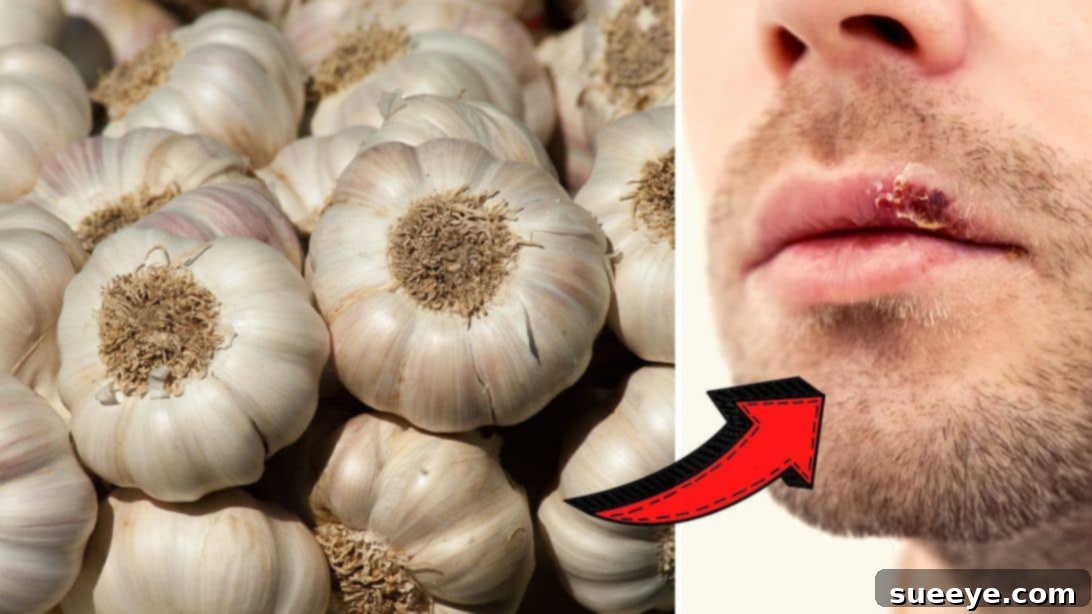
- Antiviral for Warts and Cold Sores: Some anecdotal evidence suggests garlic can help in managing viral skin conditions like warts and cold sores due to its antiviral compounds. Again, careful application is key.
- Anti-inflammatory Effects: For various skin irritations, the anti-inflammatory properties of garlic can help soothe redness and swelling, although it’s crucial to ensure it doesn’t cause further irritation.
It’s important to approach topical garlic application with care, as its strength can lead to skin burns in some individuals. Always dilute garlic juice or use garlic-infused oils for external use, or consult a dermatologist for severe conditions. However, incorporating garlic into your diet contributes to skin health from within, supporting its natural defense mechanisms and promoting a clearer complexion.
Incorporating Garlic into Your Daily Life
Integrating garlic into your diet is simple and can be incredibly rewarding. To maximize its health benefits, especially the allicin content, it’s often recommended to crush or chop raw garlic and let it sit for 5-10 minutes before cooking. This allows the alliinase enzyme to activate and form allicin. You can add raw garlic to salad dressings, dips like hummus, or incorporate it into cooked dishes towards the end of the cooking process to preserve some of its volatile compounds. For those who find the taste too strong, garlic supplements are also available, though whole food sources are generally preferred for their synergistic effects.
Conclusion: Embrace the Superfood Power of Garlic
From its ancient origins as a revered medicinal herb to its modern status as a scientifically-backed superfood, garlic continues to impress with its extensive range of health benefits. Its rich nutritional profile, potent antioxidant capabilities, powerful antimicrobial action, and remarkable support for cardiovascular, respiratory, and even skin health make it an indispensable ingredient for anyone looking to enhance their well-being naturally. By making garlic a regular part of your diet, you’re not just adding flavor; you’re investing in a healthier, more resilient you. Embrace the power of garlic and unlock its incredible potential for a vibrant life.
To learn more about practical ways to incorporate garlic into your home remedies and discover additional tips, consider watching insightful video tutorials like the one from Joy Home Remedies on YouTube. Their content often provides valuable, easy-to-follow advice for harnessing the natural goodness of ingredients like garlic.
*All images featured in this article are credited to Joy Home Remedies via YouTube. We encourage you to visit their channel for more inspiring and informative content on natural remedies and wellness.