
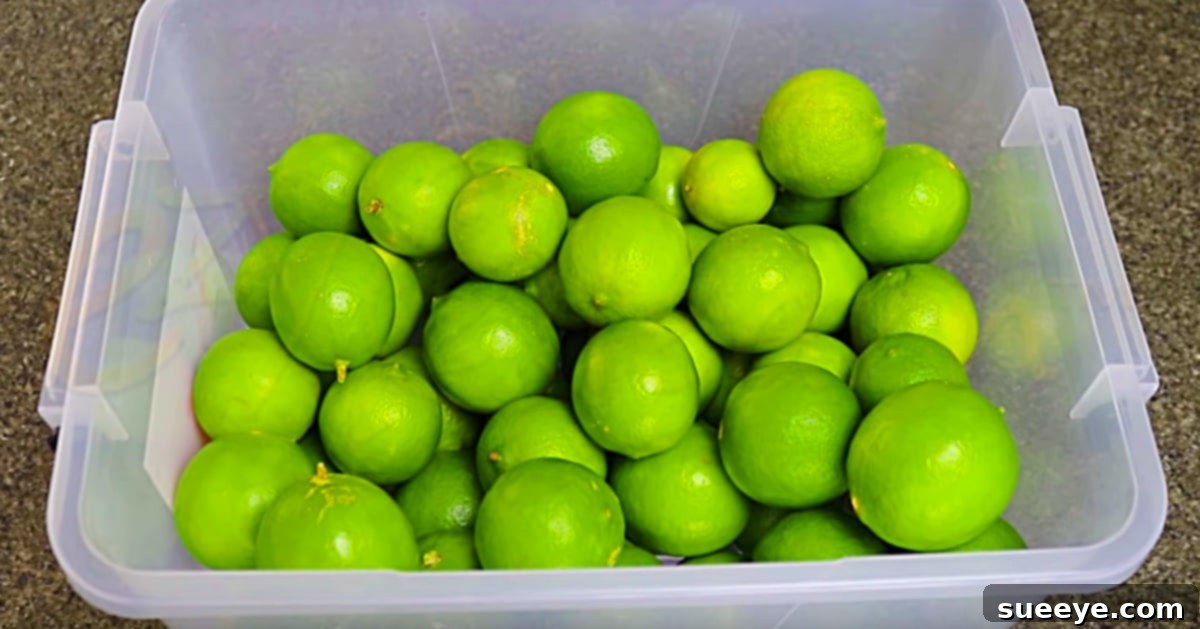
The Ultimate Guide to Keeping Limes and Lemons Fresh for Longer
There’s nothing quite like the vibrant zest and tangy juice of a fresh lime or lemon to elevate your cooking, brighten your cocktails, or add a zing to your morning water. Many of us love to stock up on these versatile citrus fruits, buying them in bulk to ensure a steady supply. However, the joy of a well-stocked kitchen can quickly turn into frustration when those beautiful limes and lemons begin to dry out, shrivel, or even mold within a week or two. Especially if they’ve already been cut, their freshness can diminish at an alarming rate, leading to wasted produce and money.
The good news is that extending the life of your citrus fruits is far easier than you might think. Forget about complex contraptions or expensive gadgets; some of the most effective methods rely on common household items and simple techniques. I recently stumbled upon an excellent video on YouTube by @ezy2learn that profoundly changed how I approach citrus storage. This resource beautifully illustrates a few straightforward yet incredibly powerful ways to keep your lemons and limes wonderfully fresh and juicy for significantly longer periods.
From invigorating margaritas to refreshing lemonade, or simply adding a burst of flavor to your favorite dishes, having perfectly fresh limes and lemons on hand is a game-changer. These simple strategies leverage natural preservatives, like vinegar, which work from the outside in, protecting the fruit’s integrity and locking in its essential moisture and flavor. Let’s dive into these effective techniques so you can enjoy your citrus bounty for weeks on end.
Why Do Limes and Lemons Go Bad So Quickly?
Before we delve into preservation methods, it’s helpful to understand why citrus fruits, despite their thick skins, tend to spoil relatively quickly when stored incorrectly. The primary culprits are moisture loss and oxidation. Limes and lemons naturally contain a high percentage of water, which slowly evaporates through their pores, especially in dry environments. This leads to them becoming hard, shriveled, and less juicy. Once cut, the exposed flesh rapidly loses moisture and reacts with oxygen in the air, causing it to dry out, discolor, and become more susceptible to mold growth.
Temperature and humidity also play crucial roles. Room temperature, especially in a warm kitchen, accelerates this process. Fluctuations in temperature can also stress the fruit, leading to quicker degradation. By understanding these factors, we can strategically apply preservation methods that counteract them, ensuring our citrus remains vibrant and flavorful.
Method 1: The Vinegar Soak for Extended Freshness
One of the most surprising yet incredibly effective methods for preserving limes and lemons involves a simple vinegar and water bath. Vinegar acts as a natural antimicrobial agent, helping to eliminate surface bacteria and mold spores that could otherwise lead to spoilage. This protective layer works wonders from the fruit’s exterior, keeping it fresh from the moment it leaves the soak.
Step-by-Step Directions for the Vinegar Soak:
The first crucial step in this process is to ensure your citrus fruits are clean and free from any dirt or residues. Take all your limes and/or lemons and rinse them thoroughly under cool, running water. You can gently scrub them with your hands or a soft brush to remove any lingering impurities.
Once rinsed, prepare your soaking solution. Find a large bowl, vat, or even a clean sink that can comfortably hold all your fruits. Fill it with a mixture of water and white vinegar. A good general ratio is typically 1 part white vinegar to 3-4 parts water. For example, if you use one cup of vinegar, add three to four cups of water. The vinegar doesn’t need to be overwhelming; its presence is enough to create an environment hostile to spoilage-causing microbes.
Submerge all your washed limes and/or lemons into this vinegar-water solution. Ensure they are fully immersed. Let them soak for at least 30 minutes. This duration allows the vinegar to work its magic, sanitizing the skins and providing that initial layer of protection.
After the soaking period, carefully remove each lime and lemon from the solution, one by one. The next step is paramount for preventing future mold growth: thorough drying. Gently but completely dry each fruit using a small, clean tea towel or a soft washcloth. Pay attention to any crevices or dimples on the skin where moisture might linger. Any residual moisture can promote mold, so take your time to ensure they are bone-dry before proceeding to the next storage step.
Method 2: Airtight Storage in the Refrigerator
Once your limes and lemons have been properly cleaned and dried using the vinegar soak method, the next critical step is to store them in an environment that minimizes moisture loss and exposure to air. This is where airtight storage in your refrigerator comes into play, offering a stable, cool, and humid environment that significantly extends their shelf life.
Step-by-Step Directions for Airtight Refrigeration:
For this method, you’ll need a large, heavy-duty zip-top freezer bag. Freezer bags are generally preferred over standard sandwich bags because they are thicker and more resilient, providing a better barrier against air and punctures. You can also use an airtight container if you prefer, but zip-top bags are often more efficient for space and air removal.
Carefully place your perfectly dry limes or lemons into the zip-top bag. Avoid overcrowding the bag; give the fruits a bit of room. Once the bag is reasonably full, it’s time to remove as much air as possible before sealing it. This step is incredibly important, as excess air inside the bag can still lead to oxidation and moisture loss, counteracting our efforts.
There are a few simple ways to remove air:
- Manual Pressing: Slowly close the zip-top seal, leaving a small gap. Then, gently press down on the bag to force the air out before fully sealing the remaining gap.
- Straw Method: Close the bag almost entirely, leaving a small opening. Insert a straw into the opening and suck out the air, then quickly seal the bag as you remove the straw.
- Water Displacement Method (Carefully): While typically used for vacuum sealing foods, you can adapt this. Place the bag with fruit (leaving the top unsealed) into a bowl of water, allowing the water pressure to push the air out. Once most air is out, seal the bag before lifting it from the water. Be extremely careful not to get any water inside the bag or on the fruit.
The goal is to create a near-vacuum environment, protecting the fruits from ambient air and locking in their natural moisture. Once all the air you can reasonably get out without a vacuum pump has been expelled, seal the bag completely and ensure it’s airtight.
Finally, place the sealed bag of limes and lemons into the bottom drawer of your refrigerator, commonly known as the crisper drawer. This location is ideal because crisper drawers are designed to maintain a higher humidity level and more consistent temperature than other parts of the fridge. This stable, cool, and slightly humid environment is crucial for keeping your citrus fruits fresh and juicy for weeks, even months. Avoid storing them near the front of the refrigerator door, where temperature fluctuations are more common.
Additional Tips for Maximizing Citrus Freshness
Beyond the vinegar soak and airtight refrigeration, there are several other smart strategies you can employ to ensure you get the most out of your limes and lemons, reducing waste and always having fresh flavor at your fingertips.
Choosing the Freshest Fruits at the Store
The longevity of your citrus often starts with its initial quality. When buying limes and lemons, look for fruits that are firm to the touch, heavy for their size, and have bright, even skin color. Avoid any that are soft, discolored, have wrinkled skin, or show signs of mold or bruising. A heavier fruit generally indicates more juice content, which means it’s fresher and will last longer.
Storage for Cut Limes and Lemons
Once a lime or lemon is cut, its shelf life dramatically decreases. To preserve a cut half or wedge for a few days:
- Plastic Wrap: Tightly wrap the cut surface with plastic wrap to minimize air exposure.
- Airtight Container: Place the wrapped fruit in a small airtight container.
- Cut-Side Down: If not wrapping, placing the cut side down on a plate in the fridge can offer some protection, but wrapping is far more effective.
Even with these methods, cut citrus is best used within 2-4 days.
Freezing Limes and Lemons: A Long-Term Solution
For truly long-term storage, freezing is an excellent option. This works especially well if you have an abundance of citrus and want to ensure none goes to waste.
Freezing Whole Fruits:
Wash and thoroughly dry the limes or lemons. Place them in a freezer-safe bag, removing as much air as possible, or individually wrap them in plastic wrap before bagging to prevent freezer burn and make them easier to separate. They can last in the freezer for 3-4 months. When ready to use, thaw them at room temperature for about 15-20 minutes or microwave briefly until soft. They might be slightly softer when thawed, but their juice and zest will still be vibrant.
Freezing Juice:
Juice your limes and lemons, then pour the fresh juice into ice cube trays. Once frozen solid, transfer the juice cubes to a freezer-safe bag. This allows you to easily grab a precise amount of juice whenever you need it for cooking or drinks. Frozen juice can last for several months.
Freezing Zest:
Before juicing or freezing whole fruits, zest the outer skin. Place the zest in a small freezer-safe bag or airtight container. Freezing zest is a fantastic way to capture its aromatic oils for future use in baking, marinades, or garnishes.
Common Mistakes to Avoid
- Room Temperature Storage for Too Long: While a few days on the counter won’t hurt, storing citrus at room temperature for extended periods will accelerate moisture loss and spoilage.
- Not Drying After Washing: As emphasized, moisture on the skin is an invitation for mold. Always ensure fruits are thoroughly dry before storing.
- Storing Near Ethylene Producers: Keep limes and lemons away from fruits like apples, bananas, and tomatoes, which release ethylene gas. This gas can accelerate the ripening and spoilage of other produce, including citrus.
The Benefits of Prolonged Citrus Freshness
Adopting these simple yet effective preservation techniques offers a multitude of benefits:
- Reduced Food Waste: By extending the life of your limes and lemons, you significantly cut down on the amount of produce that ends up in the bin, contributing to a more sustainable kitchen.
- Cost Savings: Buying in bulk becomes truly economical when you can prevent spoilage. You save money by not having to replace dried-out or molded fruits frequently.
- Convenience and Availability: Imagine always having perfectly fresh, juicy limes and lemons ready when you need them. No more last-minute runs to the grocery store or settling for sub-par ingredients.
- Enhanced Flavor: Fresh citrus yields the best flavor and aroma. Preserving their freshness means your culinary creations and beverages will always taste their best.
Conclusion
Keeping your limes and lemons fresh for longer doesn’t have to be a mystery or a chore. By integrating simple practices like the vinegar soak and effective airtight refrigeration, inspired by helpful resources like the @ezy2learn video, you can dramatically extend the shelf life of your favorite citrus fruits. Remember the key steps: wash, soak in a vinegar-water solution, thoroughly dry, and store in an airtight bag in the refrigerator’s crisper drawer.
Beyond these core methods, don’t forget the power of intelligent purchasing, proper handling of cut fruits, and the versatile options of freezing juice and zest for ultimate longevity. Embrace these easy kitchen hacks, and say goodbye to shriveled, wasted citrus. You’ll always have that perfect burst of tangy, aromatic freshness at your disposal, ready to brighten any dish or drink. Start applying these tips today and enjoy the taste of lasting freshness!