
Clogged drains are an inevitable part of homeownership, a nuisance that often strikes at the most inconvenient times. For many, the immediate response is to reach for a commercial drain cleaner, a powerful yet often toxic concoction promising a quick fix. However, the harsh chemicals found in these products pose significant risks to both your health and the environment, not to mention their potential to damage your plumbing over time. What if there was a simple, effective, and completely natural solution lurking in your kitchen pantry? Prepare to be amazed by a two-ingredient drain cleaner recipe that harnesses the power of common household items to tackle stubborn clogs safely and efficiently. Inspired by the brilliant insights shared by Colorful Canary on YouTube, this method offers a refreshing alternative to harsh chemicals, making drain maintenance a worry-free task. You’ll discover how easy it is to create a powerful cleaning agent using ingredients you likely already have, transforming your approach to household hygiene and sustainability.
Why Opt for a Natural Drain Cleaner?
In a world increasingly conscious of health and environmental impact, choosing natural cleaning solutions is more than just a trend; it’s a responsible lifestyle choice. When it comes to drain cleaners, the contrast between conventional and natural methods is stark. Understanding these benefits can empower you to make safer, smarter decisions for your home and family.
- Safety First: Protecting Your Health: Commercial drain cleaners are notorious for containing corrosive chemicals such as lye, sulfuric acid, and bleach. These substances can cause severe chemical burns to the skin and eyes upon contact. Inhalation of their fumes can lead to respiratory irritation, headaches, and other serious health complications. For homes with children or pets, the risk of accidental exposure is a constant concern. A natural drain cleaner, on the other hand, utilizes non-toxic ingredients, virtually eliminating these dangers. You can clean your drains without fear of harmful exposure, ensuring a safer living environment for everyone.
- Environmental Responsibility: Safeguarding Our Planet: The chemicals poured down our drains don’t simply disappear. They enter our wastewater systems, eventually making their way into rivers, lakes, and oceans. These pollutants can harm aquatic life, disrupt ecosystems, and even contaminate drinking water supplies. By choosing natural alternatives, you significantly reduce your ecological footprint, contributing to cleaner waterways and a healthier planet. It’s a small change with a profound global impact.
- Pipe Preservation: Longevity for Your Plumbing: While commercial drain cleaners are designed to dissolve clogs, their aggressive chemical reactions can also take a toll on your pipes. Repeated use can corrode metal pipes, weaken PVC, and even damage septic systems, leading to costly repairs down the line. Natural solutions, like the baking soda and vinegar combination, are gentle on your plumbing system. They work by creating a physical reaction that dislodges debris rather than dissolving pipes, helping to extend the lifespan of your drainage infrastructure.
- Cost-Effectiveness: Smart Savings for Your Wallet: Let’s be honest, store-bought drain cleaners can be expensive, especially if you deal with frequent clogs. The beauty of a natural drain cleaner lies in its affordability. Baking soda and distilled white vinegar are two of the most inexpensive and readily available pantry staples. By using these common items, you save money on specialized cleaning products, making drain maintenance an economical part of your household budget.
- Simplicity and Accessibility: Easy for Everyone: Forget about special trips to the hardware store for hazardous chemicals. The ingredients for this natural drain cleaner are likely already in your kitchen cabinet. This means you can tackle a clog the moment it arises, without delay. The process is straightforward, requiring no special equipment or expertise, making it an accessible solution for every homeowner.
The Science Behind the Sizzle: How Baking Soda and Vinegar Work
At first glance, it might seem incredible that two humble kitchen ingredients could effectively clear a clogged drain. However, the magic lies in a fascinating chemical reaction that generates power comparable to some commercial products, without any of the associated risks. Understanding this science not only demystifies the process but also highlights the ingenuity of this natural cleaning method.
- Baking Soda (Sodium Bicarbonate): The Gentle Abrasive and Deodorizer: Baking soda is a mild alkali, known chemically as sodium bicarbonate. When introduced into a drain, its fine granular texture acts as a gentle abrasive. This physical property helps to scour away grime, grease, and soap scum that cling to pipe walls, preparing the clog for the main event. Beyond its abrasive action, baking soda is also an excellent deodorizer, capable of absorbing unpleasant odors that often accompany stagnant drains. This dual action ensures that not only is the clog addressed, but any lingering smells are neutralized.
- Distilled White Vinegar (Acetic Acid): The Acidic Powerhouse: Distilled white vinegar is primarily a dilute solution of acetic acid. This mild acid is a formidable cleaning agent in its own right, known for its ability to dissolve mineral deposits, cut through grease, and act as a natural disinfectant. Its acidic nature is key to initiating the powerful reaction that clears drains.
- The Effervescent Reaction: A Clog-Busting Partnership: When baking soda (a base) meets vinegar (an acid), a classic acid-base reaction occurs. This reaction produces carbon dioxide gas, which manifests as the vigorous fizzing and bubbling you observe. This effervescent action isn’t just for show; it’s the core mechanism that dislodges clogs. The expanding gas creates pressure within the drainpipe, effectively pushing and breaking apart the accumulated debris that forms the blockage. It works like a mini-explosion within your pipes, physically breaking down the clog into smaller, manageable pieces that can then be flushed away. The pressure also helps to scour the sides of the pipes, clearing away buildup that could lead to future clogs.
- Beyond the Fizz: A Safer Breakdown: Unlike harsh chemical drain openers that rely on heat-generating, corrosive reactions to melt through clogs (which can sometimes damage pipes), the baking soda and vinegar reaction is relatively gentle on your plumbing. It relies on physical force and mild chemical action to break down organic matter, grease, and soap scum without the risk of pipe degradation. This makes it an ideal solution for maintaining the health and longevity of your entire plumbing system.
By understanding this simple yet effective chemistry, you can appreciate why this two-ingredient solution is not just an old wives’ tale but a scientifically sound method for keeping your drains clear and free-flowing. It’s an elegant demonstration of how natural ingredients can deliver powerful results when used correctly.
Ingredients For Your Eco-Friendly Drain Solution:
Gathering the components for this remarkably effective drain cleaner is perhaps the easiest step. You’ll only need two items, which are likely already staples in your pantry or cleaning cupboard. The quality and type of these ingredients are important for optimal results, ensuring your natural solution is as potent as possible.
- 1 cup of Baking Soda: Choose standard baking soda (sodium bicarbonate), often found in the baking aisle. Ensure it’s fresh for the most vigorous reaction. Its fine powdery texture is crucial for adhering to the clog and initiating the chemical process effectively.
- 1 cup of Distilled White Vinegar: Distilled white vinegar is preferred over other types (like apple cider vinegar) due to its higher acidity (typically 5% acetic acid) and lack of color, which prevents potential staining. It’s the acidic component that reacts with baking soda to produce the clog-busting fizz.
Step-by-Step Guide: How to Unleash the Power of Nature on Your Clogs
Now that you understand the powerful synergy between baking soda and vinegar, it’s time to put this knowledge into action. This simple, two-step process, followed by a crucial third step, will guide you through clearing even stubborn household clogs. For those with a double sink configuration, a quick preparatory step ensures the treatment is concentrated where it’s needed most.
Step 1: Preparation and the Baking Soda Base
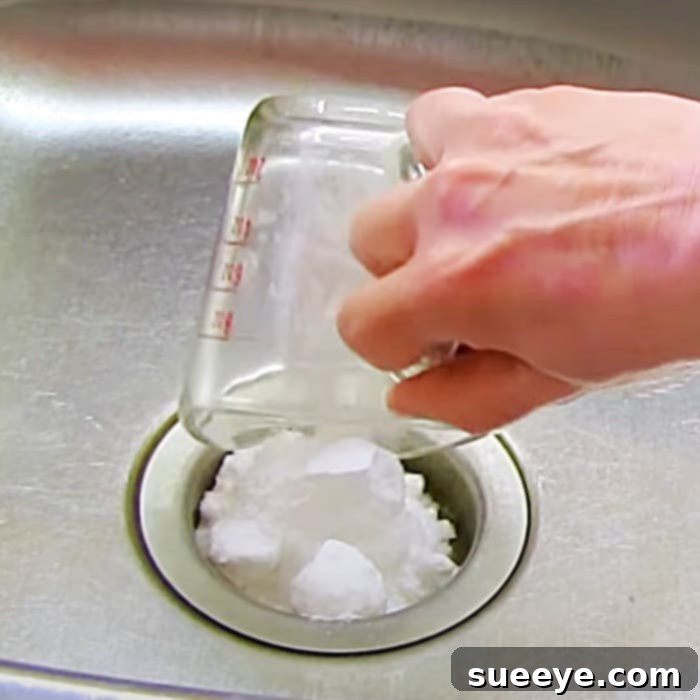
Before you begin, ensure the area around the drain is clear. If there’s standing water in the sink, try to remove as much of it as possible. This ensures the baking soda can reach the clog directly. If you have a double sink setup, it’s essential to seal the second drain with a stopper. This prevents the pressure generated by the chemical reaction from escaping through the other side, forcing it to focus entirely on the clogged drain. Once prepared, carefully pour one full cup of baking soda directly into the problematic drain. The goal is for the baking soda to settle as close to the clog as possible. If the drain is completely blocked, you may need to use a funnel or a spoon to ensure the baking soda gets past any superficial debris.
Step 2: Activating the Fizz with Vinegar
Immediately after the baking soda is in place, slowly pour one cup of distilled white vinegar down the same drain. You’ll instantly notice a vigorous fizzing and bubbling reaction. This is the carbon dioxide gas being produced as the baking soda and vinegar interact. The key here is to pour slowly to allow the reaction to occur deep within the drain, directly at the site of the clog. Once the vinegar is poured, quickly cover the drain with a stopper or a heavy cloth. This traps the carbon dioxide gas within the pipe, maximizing the pressure against the clog and preventing the fizzing action from simply escaping into the air. Let this powerful concoction sit and work its magic for at least 30 minutes, or even better, overnight for really tough clogs. The longer it sits, the more time the reaction has to break down grease, soap scum, and other organic matter.
Step 3: The Hot Water Flush – The Grand Finale
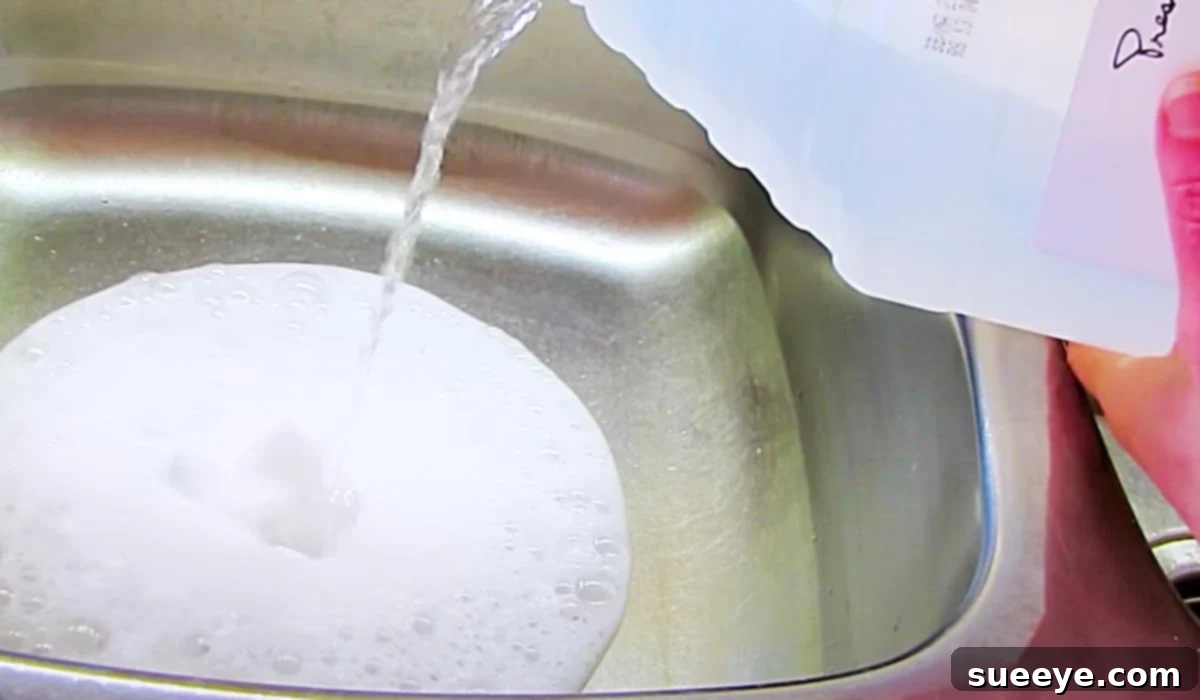
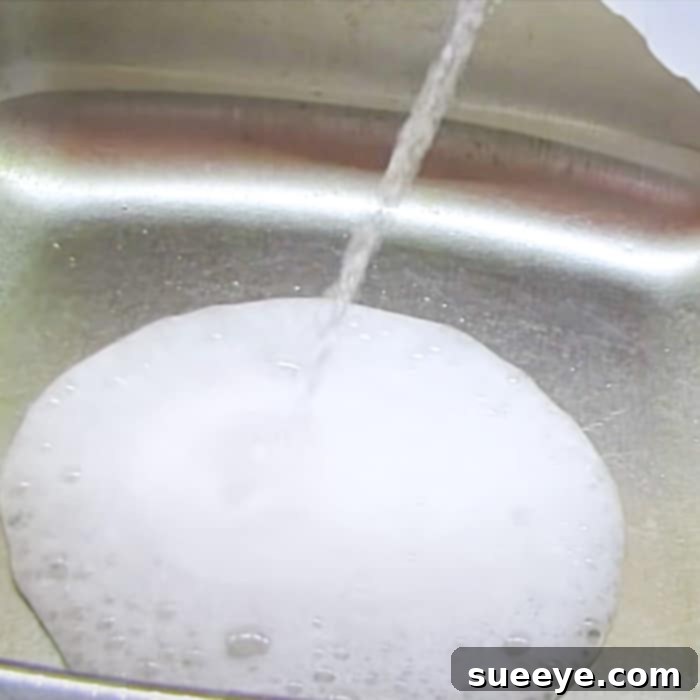
This final step is absolutely critical for the success of your natural drain cleaning. After the waiting period, remove the stopper. Then, pour a kettle full of boiling water (or the hottest tap water you can get) down the drain. The hot water will serve several purposes: it helps to melt away any lingering grease or fat that the baking soda and vinegar have loosened, and it thoroughly flushes away all the disintegrated clog particles, clearing the pipe. For exceptionally stubborn clogs, you may need to repeat the entire baking soda, vinegar, and hot water flush process one or two more times. If the clog still persists after a few attempts, it might indicate a more severe blockage that could require professional attention, such as a tree root intrusion or a collapsed pipe section, which are beyond the scope of this natural solution.
Beyond Clogs: Maintenance Tips for a Healthy Drain
Prevention is always better than cure, especially when it comes to keeping your drains clear. Incorporating simple habits into your routine can significantly reduce the likelihood of future clogs, saving you time, effort, and potential repair costs. Healthy drains contribute to a healthier home environment, free from unpleasant odors and plumbing emergencies.
- Regular Hot Water Flush: Make it a habit to flush your drains with very hot water for a few minutes after using the sink, especially after washing dishes. Hot water helps to melt grease and oils before they have a chance to solidify and cling to pipe walls. This simple daily practice can prevent a surprising amount of buildup.
- Utilize Drain Screens and Strainers: This is a simple yet incredibly effective barrier against clogs. Place drain screens or strainers over all your sink, shower, and bathtub drains. These inexpensive devices catch hair, food particles, soap scum, and other debris that would otherwise go down the drain and contribute to blockages. Remember to empty and clean them regularly.
- Mindful Disposal of Food Scraps: Avoid pouring cooking grease, oil, or fat down the drain. Even hot liquid fats will cool and solidify in your pipes, creating stubborn blockages. Instead, pour cooled grease into an old container (like a tin can) and dispose of it in the trash. Similarly, fibrous food waste like coffee grounds, potato peels, and eggshells should also be kept out of drains and garbage disposals if possible, as they can accumulate and cause problems.
- Monthly Maintenance with Baking Soda and Vinegar: To keep your drains in top condition, perform a preventative cleaning with baking soda and vinegar once a month. You don’t need a full cup of each for maintenance; half a cup of baking soda followed by half a cup of vinegar, left to sit for 15-30 minutes, and then flushed with hot water, can work wonders in preventing buildup before it becomes a problem.
- Proper Septic System Care: If your home has a septic system, be particularly mindful of what goes down your drains. Harsh chemicals from commercial cleaners can kill beneficial bacteria in the septic tank, disrupting its ability to break down waste. Natural solutions like baking soda and vinegar are much safer for septic systems.
By integrating these preventative measures into your household routine, you can significantly prolong the life of your plumbing system and avoid the frustration and expense of frequent clogs. A little proactive care goes a long way in maintaining a smoothly functioning and odor-free home.
Conclusion: Embrace the Power of Natural Cleaning
This two-ingredient natural drain cleaner recipe is a testament to the power of simple, non-toxic solutions for common household problems. It effectively tackles clogs without the health risks, environmental damage, or potential pipe corrosion associated with harsh chemical products. The ease of preparation, the affordability of the ingredients, and the impressive results make this method an indispensable addition to any eco-conscious home. You can now confidently address clogged drains, knowing you’re using a safe, efficient, and environmentally friendly approach. Say goodbye to noxious fumes and chemical worries, and embrace the peace of mind that comes with maintaining a clean, healthy home the natural way. This recipe works very well, and I don’t even worry about it splashing around, underscoring its safety and user-friendliness. Give it a try, and experience the transformative power of nature in your own plumbing system!