
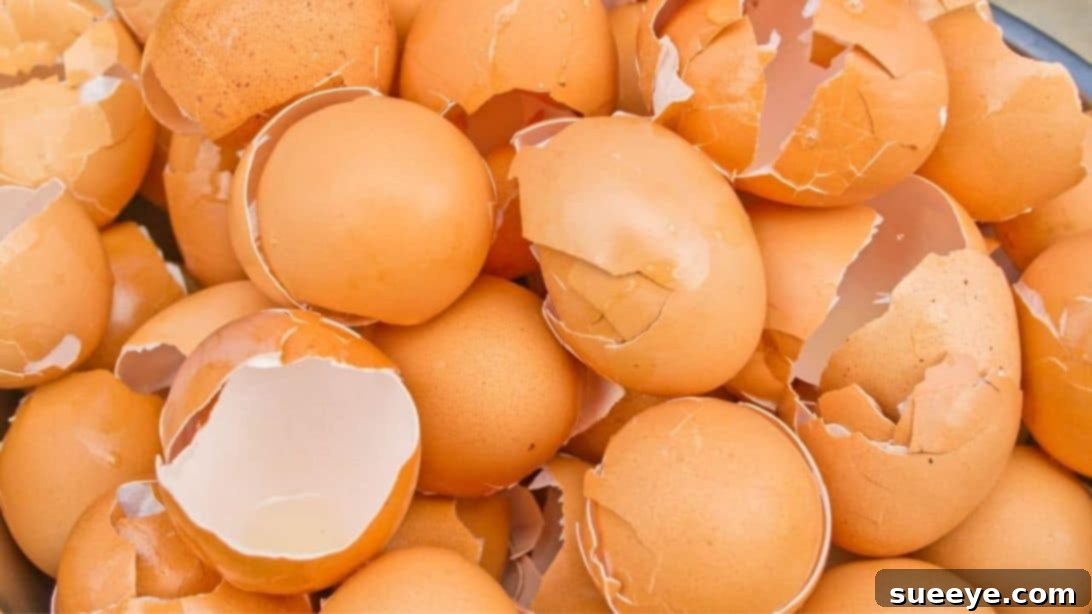
Unlock Your Garden’s Full Potential: The Ultimate Guide to Using Eggshells for Healthier Plants and Soil
Every day, countless eggshells are discarded as mere kitchen waste, destined for landfills. Yet, nestled within their fragile casings lies a powerful, free, and completely natural resource capable of revolutionizing your garden. For plant enthusiasts and home gardeners alike, the humble eggshell is a versatile tool, packed with essential nutrients that can transform your soil, nourish your plants, and even deter common pests. If you’re seeking sustainable, cost-effective ways to boost your garden’s health and vitality, prepare to be amazed by the incredible benefits of keeping your eggshells out of the trash and integrating them into your green space.
At first glance, an eggshell might seem like nothing more than a brittle, inert casing. However, beneath its unassuming exterior lies a treasure trove of calcium carbonate—the primary ingredient crucial for strong plant cell walls, vigorous growth, and balanced soil pH. Incorporating eggshells into your gardening routine is not only a fantastic way to reduce household waste, aligning perfectly with zero-waste principles, but also a brilliant strategy to provide your plants with a slow-release, natural calcium supplement they often crave. From nurturing delicate seedlings to enriching your compost and fending off common garden invaders, the applications are extensive and remarkably effective. Get ready to discover why you’ll never look at an empty eggshell the same way again.
Experienced gardeners have long understood the secret power of eggshells, and it’s time for this knowledge to be shared with everyone. Whether you’re an avid egg-eater with a constant supply or you need to source them from local bakeries or cafes, integrating eggshells into your garden care routine is simple and incredibly rewarding. Just remember a few basic preparation steps, primarily ensuring they are dry and properly crushed, and you’ll be well on your way to cultivating a more vibrant, resilient garden ecosystem. Let’s delve into the top five compelling reasons why eggshells are about to become your garden’s new best friend, offering practical insights and techniques for every gardener, inspired by valuable tips from sources like Natural Ways.
Transform Your Garden: Innovative Ways to Utilize Eggshells for Superior Plant Health
1. Cultivate Robust Seedlings with Eco-Friendly Eggshell Starters
One of the most creative and effective uses for eggshells in the garden is as biodegradable seedling pots. Instead of continually purchasing plastic seed-starting trays, you can easily repurpose your saved half-shells. Begin by carefully rinsing them to remove any residue and then pierce a small drainage hole at the bottom of each shell. Fill these miniature pots with your preferred seed-starting mix and sow your seeds as you normally would. The natural calcium within the shell provides a gentle yet powerful boost to young plants, promoting stronger cell development and a healthier root system right from germination.
The true genius of using eggshell starters becomes apparent when your seedlings are ready for transplanting into your garden beds. There’s no need to remove them from their eggshell homes, which often causes root disturbance and transplant shock. Simply crack the bottom of the shell slightly to allow the nascent roots to easily expand into the surrounding soil, then plant the entire eggshell and seedling directly into the ground. As the eggshell gradually decomposes over time, it continues to release its valuable calcium and other trace micronutrients, acting as a continuous, slow-release fertilizer. This method minimizes transplant stress and offers a steady nutrient supply, ensuring a smooth transition and a healthier, more vigorous start to your plants’ lives outdoors. It’s particularly beneficial for sensitive plants like tomatoes, peppers, and cucumbers that resent root disruption.
2. Supercharge Your Compost with an Essential Calcium Boost
Compost is widely regarded as the black gold of any garden, and eggshells are an incredibly valuable addition to any compost pile or bin. Rich in calcium carbonate, eggshells help to enrich your compost with a vital mineral that is absolutely crucial for overall plant health and robust growth. Calcium plays a pivotal role in numerous plant processes, including cell wall formation, nutrient transport within the plant, and maintaining the structural integrity of plant tissues. When incorporated into your compost, eggshells contribute to a more balanced and nutrient-dense profile, making the finished compost even more beneficial and potent for your plants.
Beyond their direct nutritional contribution, eggshells also assist in regulating the pH balance of your compost. This can be particularly useful if your compost pile contains a high proportion of acidic materials, helping to buffer and stabilize the pH to a more plant-friendly range. To get the most out of your eggshells for composting, ensure they are thoroughly rinsed and completely dried before adding them. Then, crush them into small, fine pieces before mixing them into your compost heap. The finer the pieces, the faster they will break down and release their invaluable nutrients into the compost, creating a richer, more powerful soil amendment. This simple step elevates the quality of your homemade compost, ensuring your garden receives a steady and robust supply of essential minerals, fostering a thriving microbial environment.
3. Provide Natural, Slow-Release Fertilizer for Sustained Plant Vigor
Beyond their utility in compost and as seedling starters, eggshells serve as an excellent direct, slow-release fertilizer for your garden soil. As highlighted earlier, they are primarily packed with calcium, but also contain beneficial trace amounts of other minerals like potassium, magnesium, and phosphorus – all vital for comprehensive plant development. Calcium deficiency can manifest in various detrimental ways, most notably as blossom end rot in popular garden vegetables such as tomatoes, peppers, squash, and zucchini, where the bottom of the fruit begins to rot. By incorporating eggshells directly into your soil, you provide a preventative measure against such common issues, ensuring a healthier crop.
To prepare eggshells for direct fertilization, rinse them thoroughly, allow them to dry completely, and then grind them into a very fine powder. A powerful blender or a dedicated coffee grinder works exceptionally well for this task, transforming the brittle shells into a fine dust that can be easily and evenly incorporated into the soil. You can sprinkle this eggshell powder directly around the base of your established plants, gently working it into the topsoil, or mix it thoroughly into the soil or potting mix before planting new specimens. The slow-release nature of eggshells means your plants will benefit from a continuous supply of calcium over many weeks and even months, leading to stronger root systems, healthier foliage, improved flower development, and ultimately, more abundant and higher-quality yields. This entirely natural approach supports vigorous plant growth and overall plant health without the need for synthetic chemicals.
4. Enhance Drainage and Deter Pests in Container Gardens and Raised Beds
For gardeners who utilize containers, pots, or raised beds, eggshells offer multiple invaluable advantages. Placing a generous layer of crushed eggshells at the very bottom of your containers, before adding any soil, can significantly improve drainage. This critical step helps prevent waterlogging, a common problem in potted plants that can lead to damaging root rot and hinder plant growth. Improved drainage ensures that excess water can escape efficiently, creating a healthier root environment.
Beyond enhancing drainage, this base layer also provides a slow and steady supply of calcium directly to the root zone as the shells gradually decompose over time. This targeted nutrient delivery supports the foundational health of your container plants. Furthermore, the sharp, irregular edges of crushed eggshells act as a formidable physical barrier against cutworms and other crawling pests. Cutworms, notorious for severing young seedlings at the soil line overnight, find it difficult and unpleasant to traverse a jagged eggshell barrier. This proactive, natural measure not only physically protects your precious container plants from damage but also ensures they receive the necessary calcium for strong, healthy growth, making your potted arrangements and raised beds more resilient and productive throughout the growing season. It’s an easy, dual-purpose solution for healthier container gardening.
5. Create an Organic Defense Against Snails and Slugs
One of the most persistent and frustrating nuisances for many gardeners is the destructive presence of snails and slugs, which can rapidly decimate young plants, leafy greens, and delicate flowers. Fortunately, eggshells offer an incredibly simple, highly effective, and entirely environmentally friendly solution to this common pest problem. The sharp, abrasive edges of crushed eggshells are exceedingly uncomfortable and even slightly damaging for the soft, sensitive bodies of slugs and snails.
By creating a protective barrier of crushed eggshells around the base of your most vulnerable plants, you effectively deter these slimy invaders. The process is straightforward: simply gather your dry eggshells, crush them with your hands or a rolling pin into medium-sized pieces (avoid grinding them into a fine powder, as the sharpness is key for deterrence), and then sprinkle them generously in a continuous ring around the plants you wish to protect. Snails and slugs will typically avoid attempting to cross this jagged, uncomfortable perimeter, opting instead for an easier path or simply moving on to less protected areas. This natural pest control method eliminates the need for potentially harmful chemical molluscicides, keeping your garden safe for beneficial insects, pets, and children, while effectively preserving the health and beauty of your plants. It’s a sustainable, cruelty-free way to manage these common garden pests.
Preparing Eggshells for Garden Use: Simple Steps for Maximum Benefit
To fully unlock and maximize the benefits of eggshells in your garden, a little preparation goes a long way. The process is remarkably straightforward, ensuring your shells are clean, dry, and perfectly ready for their new purpose. First and foremost, always rinse your eggshells thoroughly under running water to remove any lingering egg white or yolk residue. This crucial step prevents attracting unwanted pests (like flies or rodents) and avoids introducing potential pathogens into your garden soil or compost pile. Once rinsed, allow them to air dry completely. You can spread them out on a baking sheet, leave them on a countertop for a day or two, or even bake them at a very low temperature (around 200°F or 93°C) for about 10-15 minutes to expedite the drying and sterilizing process. Ensuring they are bone dry will prevent mold growth and make them significantly easier to crush effectively.
Once your eggshells are perfectly dry, the method of crushing them depends directly on their intended use in the garden. For deterring slugs and snails, a coarser crush achieved by hand or with a rolling pin is ideal, as the sharp, jagged edges are the primary deterrent. For incorporation into compost or as a general soil amendment to enrich the soil, aim for smaller, more fragmented pieces to accelerate their decomposition and nutrient release. If you’re looking to create a powerful, fast-acting calcium supplement that plants can absorb more readily, grinding them into an ultra-fine powder is the best approach. A dedicated coffee grinder or a powerful kitchen blender can achieve this in mere seconds, transforming the brittle shells into a fine dust that readily integrates with soil or can even be steeped in water for a calcium-rich plant tonic. Store your prepared eggshells in an airtight container in a dry place until you’re ready to use them, keeping them free from moisture and contaminants.
Embracing Sustainability: Reduce Waste, Nourish Nature, and Save Money
Utilizing eggshells in your garden is far more than just a clever gardening hack; it’s a powerful testament to sustainable living and a genuine commitment to eco-friendly practices. By diverting eggshells from the municipal waste stream, you actively participate in reducing landfill waste and significantly minimizing your household’s overall environmental footprint. This simple yet impactful act aligns perfectly with the core principles of organic gardening, where natural, readily available resources are ingeniously harnessed to create a thriving, balanced ecosystem without relying on synthetic fertilizers, harsh pesticides, or other chemical interventions.
Beyond the undeniable environmental benefits, using eggshells in your garden is also incredibly cost-effective. You are effectively transforming a free kitchen byproduct—something that would otherwise be thrown away—into a valuable, nutrient-rich garden input. This thoughtful repurposing saves you money on purchasing expensive store-bought soil amendments, specialized calcium supplements, and commercial pest control products. It’s truly a win-win-win situation: your garden flourishes with natural goodness, your wallet stays healthier, and you make a tangible contribution to a healthier planet. Embrace the circular economy right in your own backyard, proving that what was once considered waste can truly be a precious resource.
Your Garden’s Secret Weapon: Start Reaping the Benefits Today!
As we’ve thoroughly explored, eggshells are far more than just discarded waste; they are an invaluable, multifaceted resource that every gardener should embrace. From nurturing delicate seedlings and significantly enriching your compost to fertilizing your soil and providing organic pest control, their applications are vast, versatile, and remarkably effective. The abundant calcium carbonate they contain is a cornerstone for robust plant health, promoting stronger growth, preventing common deficiencies like blossom end rot, and fostering a more resilient and vibrant garden ecosystem.
So, the next time you crack an egg, pause for a moment before tossing the shell. Remember the incredible potential it holds for your plants and the broader environment. Make it a habit to collect them, prepare them with the simple steps outlined, and integrate them thoughtfully into your regular gardening routine. Your plants, your soil, and the environment will undoubtedly thank you for this sustainable choice. Start today and witness firsthand how this simple, often-overlooked kitchen scrap can quickly become one of the most powerful and effective tools in your comprehensive gardening arsenal. Happy gardening!
RELATED: Discover More Creative Garden & DIY Projects
Looking for more innovative ideas to enhance your home and garden, or perhaps a unique crafting challenge? Explore our collection of diverse DIY projects and expand your creative horizons.
How To Make A Faberge Egg