
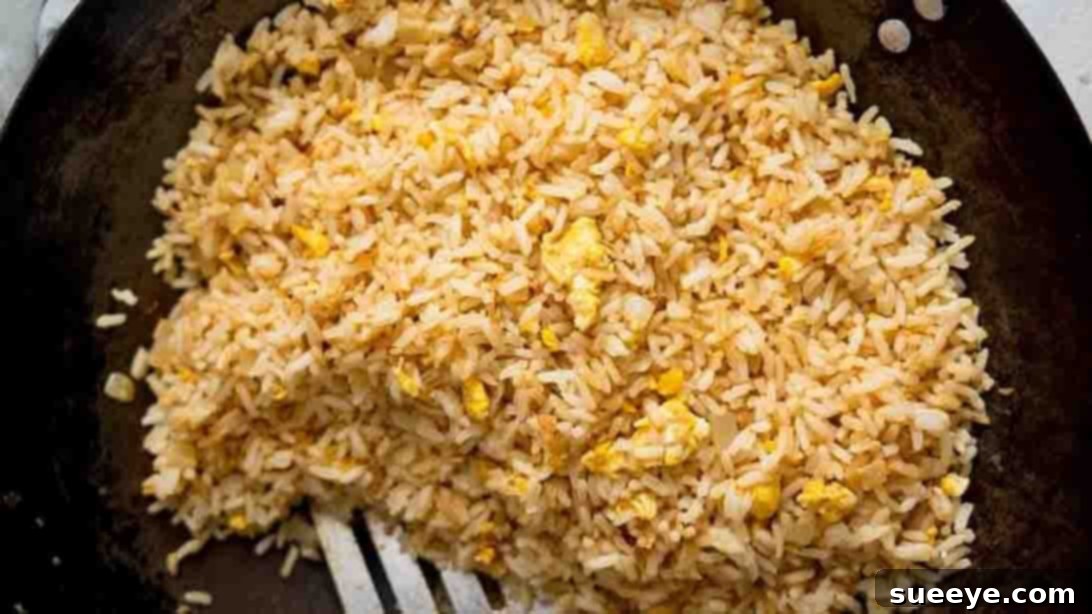
Egg fried rice is a beloved culinary masterpiece, celebrated for its exquisite balance of simplicity and profound flavor. This humble dish, born from everyday ingredients, possesses a remarkable ability to deliver immense satisfaction with every savory bite. It holds a cherished spot in countless kitchens worldwide, a testament to its universal appeal. This comprehensive recipe, inspired by the expert guidance from Kitchen Sanctuary, will empower you to recreate that restaurant-quality experience right in your own home. Its enduring charm lies not only in its delightful taste but also in its incredible versatility and the surprising ease of its preparation.
Embark on a culinary journey where fluffy, perfectly separated rice grains intertwine with golden, scrambled eggs and a symphony of savory seasonings. Kitchen Sanctuary’s method ensures a harmonious blend of textures and tastes, promising a dish that will leave you eager for another serving. Prepare to impress your taste buds and loved ones with a fried rice so good, it might just become your new signature dish.
RELATED: Unlock More Fried Rice Secrets with Our Special Egg Fried Rice Recipe!
Mastering the Art of Perfect Egg Fried Rice: A Comprehensive Guide
Creating truly exceptional egg fried rice is more than just combining ingredients; it’s about understanding the synergy between them and mastering a few fundamental techniques. While the concept might seem straightforward, achieving that coveted balance of flavor, texture, and aroma—often referred to as ‘wok hei’ (the breath of the wok)—requires attention to detail. This guide will walk you through each step, from ingredient selection to the final flourish, ensuring your homemade egg fried rice rivals the best takeaway.
The Foundation of Flavor: Understanding Your Ingredients
The secret to a truly memorable egg fried rice begins with high-quality, fresh ingredients. Each component plays a crucial role in building the layers of flavor that define this iconic dish. Pay close attention to these details, as they significantly impact the final outcome.
Ingredients:
- 2 tbsp Vegetable Oil: Essential for high-heat cooking. Opt for a neutral oil like canola, sunflower, or grapeseed, as olive oil’s flavor can be too strong.
- 1 Onion, peeled and diced: Provides a foundational sweetness and aromatic depth when sautéed.
- 2 cloves Garlic, peeled and minced: Delivers pungent, savory notes that are characteristic of Asian cuisine.
- 4 cups Boiled and Cooled Long-Grain Rice: This is arguably the most crucial ingredient. Using day-old, refrigerated rice is key to achieving a non-soggy, perfectly textured fried rice. Freshly cooked, warm rice will clump and become mushy.
- 1/2 tbsp Sesame Oil: A finishing oil that adds a distinct, nutty aroma and depth of flavor. A little goes a long way.
- 2 Eggs: The star of the dish, providing richness, protein, and that signature golden hue.
- 2 tbsp Dark Soy Sauce, divided: Contributes deep umami flavor and a beautiful caramel color to the rice.
- 1/4 tsp Salt: A fundamental seasoning to enhance all other flavors.
- 1/4 tsp Garlic Salt: Adds an extra layer of savory garlic flavor, complementing the fresh garlic.
- 1 tbsp Lemon Juice: A surprising secret ingredient that brightens the dish and balances the richness, adding a subtle tang without making it sour.
To Serve:
- 1/2 bunch of Spring Onions/Scallions, chopped: Adds a fresh, pungent, and slightly crisp garnish, offering a beautiful contrast in texture and flavor.
Unlocking the “Wok Hei”: Essential Tips for Fried Rice Mastery
Achieving restaurant-quality fried rice at home is entirely possible, even without a commercial wok burner. The key lies in understanding a few fundamental principles. Firstly, always use a large wok or a heavy-bottomed pan that can retain heat efficiently. This high heat is crucial for searing ingredients quickly and preventing the rice from steaming instead of frying. Secondly, work in batches if necessary; overcrowding the pan will inevitably lower the temperature and lead to soggy results. Finally, mise en place (having all your ingredients prepped and ready) is paramount, as fried rice cooks very quickly.
Directions:
Step 1: Building the Aromatic Base and Preparing the Rice Foundation
Begin by heating 1 tablespoon of vegetable oil in your large wok or pan over medium-high heat. Allow the oil to shimmer, indicating it’s ready. Add the diced onion and stir-fry constantly for about five minutes. The goal here is to soften the onions and allow them to turn translucent, releasing their natural sweetness without browning too much. This forms the aromatic foundation for your fried rice.
Once the onions are translucent, add the remaining tablespoon of vegetable oil along with the minced garlic. Continue to cook and stir for another 30 seconds. Garlic burns quickly, so keep a close eye and ensure it becomes fragrant but not browned. The kitchen will now be filled with an inviting aroma.
Next, introduce the star of the dish: the cooked and completely cooled long-grain rice. Remember, cold, day-old rice is essential for perfectly separated grains that fry instead of steam. Add 1/2 tablespoon of sesame oil over the rice. Using a sturdy spatula or wooden spoon, toss everything together meticulously for five minutes. Ensure the rice is thoroughly coated with the oil and aromatics, breaking up any clumps. This process heats the rice evenly and allows it to absorb the initial flavors, preparing it for the next stages of frying.
Step 2: Incorporating Eggs, Seasoning, and the Finishing Touch
After five minutes of frying and tossing, gently push the rice mixture over to one side of the pan, creating a clear space. Into this empty space, crack the two eggs. Add a small splash (about 1/2 tablespoon) of the dark soy sauce directly onto the eggs. Immediately begin to scramble the eggs in the cleared space until they are just set but still slightly moist. This rapid cooking ensures tender, flavorful egg pieces.
Once the eggs are scrambled, quickly mix them into the rice, distributing them evenly throughout the pan. Now, it’s time to build the core flavor profile. Add the remaining 1 1/2 tablespoons of dark soy sauce, 1/4 teaspoon of salt, and 1/4 teaspoon of garlic salt. Continue to stir-fry vigorously, ensuring all the rice grains are beautifully coated with the seasonings. This is where the magic happens, as the dark soy sauce imparts its signature rich color and umami depth.
Finally, for a bright and unexpected twist, drizzle 1 tablespoon of fresh lemon juice over the fried rice. The acidity from the lemon juice cuts through the richness, balancing the flavors and adding a subtle, refreshing zest that elevates the entire dish. Taste the fried rice at this point and make any necessary adjustments to the seasoning. Perhaps a pinch more salt or a dash more soy sauce, depending on your preference. Once perfectly seasoned, remove the fried rice from the pan immediately to prevent overcooking. Serve hot, garnished generously with freshly chopped spring onions. Enjoy this symphony of flavors and textures!
Common Pitfalls to Avoid for Flawless Fried Rice
While the recipe itself is straightforward, a few common mistakes can hinder your quest for perfect egg fried rice. Being aware of these will help you troubleshoot and achieve consistently excellent results. Firstly, using freshly cooked, warm rice is a cardinal sin. Warm rice contains too much moisture, leading to a gluey, clumpy texture instead of distinct, fluffy grains. Always use day-old, refrigerated rice, as the chilling process dries it out, making it ideal for frying. Secondly, not using enough heat is another common error. Fried rice needs high heat to quickly sear the ingredients and evaporate moisture, preventing sogginess. If your pan isn’t hot enough, the ingredients will steam rather than fry. Thirdly, overcrowding the wok or pan will dramatically lower the temperature, causing ingredients to release too much moisture and again, lead to steaming. If you’re cooking a large batch, it’s always better to divide the ingredients and cook in two smaller batches. Lastly, don’t over-sauce. While soy sauce is essential, too much can make the rice overly salty and wet, masking the delicate flavors of the other ingredients. Taste as you go and adjust seasonings gradually.
Customizing Your Fried Rice: Endless Possibilities
One of the most appealing aspects of egg fried rice is its incredible versatility. Once you’ve mastered the basic technique, you can easily customize it to suit your preferences or what you have on hand. For added protein, consider diced cooked chicken, shrimp, pork, or even tofu. Simply stir-fry your chosen protein before adding the onions, or cook it separately and add it back in with the rice. Vegetables are another fantastic addition; frozen peas, carrots, corn, or diced bell peppers can be added during the onion and garlic stage, giving them time to cook through. For a spicier kick, a dash of chili oil or a few finely chopped chilies can be incorporated. A drizzle of oyster sauce can also add another layer of savory umami. Don’t be afraid to experiment with different seasonings, always tasting and adjusting to create your perfect personalized fried rice.
Serving Suggestions and Perfect Pairings
Egg fried rice is a wonderfully versatile dish that can stand alone as a light meal or serve as a fantastic side dish. As a main course, it’s hearty enough on its own, especially if you’ve added extra protein and vegetables. Garnish with additional chopped spring onions, a sprinkle of toasted sesame seeds, or a drizzle of sriracha for those who enjoy a bit of heat. When serving it as a side, egg fried rice pairs beautifully with a wide array of Asian-inspired main courses. Think alongside sweet and sour chicken, General Tso’s chicken, beef and broccoli, stir-fried vegetables, or even grilled fish. Its neutral yet flavorful profile makes it an excellent accompaniment that complements rather than competes with other dishes. A simple cucumber salad or some pickled ginger can also provide a refreshing contrast to the rich flavors of the fried rice.
Storing and Reheating Your Delicious Creation
Should you find yourself with leftovers of this delightful egg fried rice, rest assured that it stores and reheats wonderfully. Allow the fried rice to cool completely to room temperature before transferring it to an airtight container. Refrigerate promptly, where it will remain fresh for up to 3-4 days. When you’re ready to enjoy it again, reheating fried rice correctly is key to maintaining its texture and flavor. The best method is to reheat it in a wok or large pan over medium-high heat with a small amount of oil. Break up any clumps and stir-fry until thoroughly heated through, about 5-7 minutes. You can also reheat it in the microwave, but be aware that it might lose some of its crispy texture. If using a microwave, stir halfway through reheating to ensure even warming. Adding a tiny splash of water or broth before microwaving can help prevent it from drying out.
The Perfect Egg Fried Rice Recipe: A Culinary Triumph
From its humble beginnings, egg fried rice has evolved into a global culinary icon, cherished for its comforting appeal and satisfying flavors. This Kitchen Sanctuary-inspired recipe provides not just instructions, but a pathway to mastering a dish that is both simple and profoundly rewarding. By following these detailed steps and embracing the subtle nuances of ingredient preparation and cooking technique, you’ll consistently create an egg fried rice that is fluffy, fragrant, and bursting with authentic taste. Whether you’re whipping up a quick weeknight dinner or serving it as part of a larger feast, this recipe promises to deliver a dish that will earn rave reviews and leave everyone craving more. Embrace the joy of home cooking and savor every delectable bite of your perfectly crafted egg fried rice.