
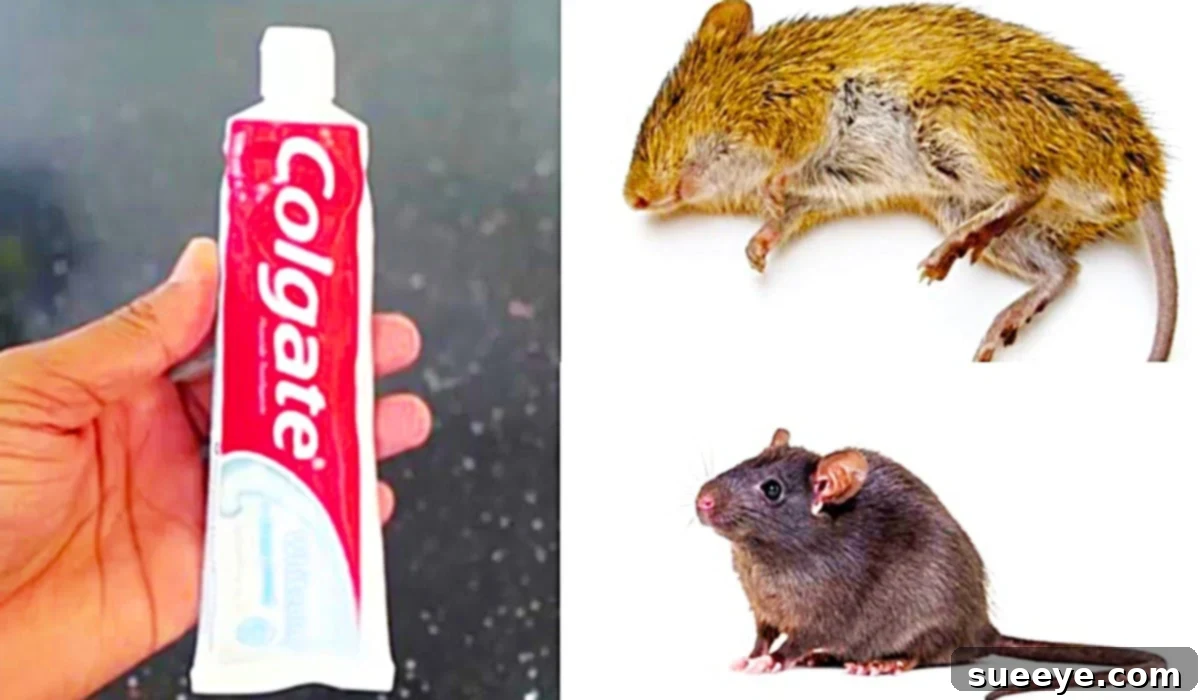
Ultimate Guide: How to Naturally Eliminate Mice and Rats with DIY Toothpaste Bait Balls
Dealing with a rodent infestation can be a frustrating and unsettling experience for any homeowner. Whether it’s the unsettling sound of scurrying in the walls, the discovery of droppings, or the visible presence of these unwanted guests, mice and rats are more than just a nuisance. They pose significant health risks, can cause considerable property damage, and simply make your living space feel unhygienic. The thought of these critters roaming freely in your home is enough to send shivers down anyone’s spine.
While various commercial solutions exist, many come with drawbacks like toxicity to pets and children, inhumane trapping methods, or the lingering smell of dead rodents in inaccessible places. This often leaves homeowners searching for safer, more natural, and equally effective alternatives. We’ve uncovered a remarkable DIY method that leverages common household ingredients to create powerful bait balls designed to repel and eliminate rodents efficiently. This innovative approach offers a practical, cost-effective, and surprisingly simple way to reclaim your home from these pervasive pests.
Inspired by an incredibly insightful video tutorial by Mr. Maker on YouTube, this guide will walk you through the process of creating these “bail balls” using ingredients you likely already have on hand. Prepare to transform your approach to pest control and ensure your home remains a sanctuary, free from unwanted furry intruders.
The Unseen Dangers of Rodent Infestations: Why Immediate Action is Crucial
Before diving into the solution, it’s essential to understand the full scope of problems that mice and rats can bring into your home. Beyond their unsettling presence, rodents are carriers of various diseases, can cause significant structural damage, and contaminate food and surfaces, making them a serious threat to your family’s health and property.
Health Risks Posed by Rodents
- Disease Transmission: Mice and rats are known carriers of numerous pathogens. These include Hantavirus Pulmonary Syndrome, Salmonella (food poisoning), Leptospirosis, and Lymphocytic Choriomeningitis (LCMV). Transmission can occur through direct contact with their urine, droppings, saliva, or bites, or indirectly through contaminated food and water, or even by inhaling airborne particles from dried rodent waste.
- Allergens and Asthma Triggers: Rodent droppings, urine, and dander can accumulate in ventilation systems and throughout your home, becoming airborne allergens. This can exacerbate asthma symptoms, especially in children, and trigger allergic reactions in sensitive individuals.
- Parasites: Rodents often carry fleas, ticks, and mites, which can then infest your home and transmit diseases to humans and pets, adding another layer of health risk.
Property Damage and Safety Hazards
- Structural Damage: Rodents constantly gnaw to keep their teeth from growing too long. They chew through wood, plastic, pipes, and even electrical wires, creating holes in walls, floors, and foundations. This can compromise the structural integrity of your home.
- Fire Hazards: Chewing through electrical wiring is one of the most dangerous habits of rodents. Exposed wires can lead to short circuits, power outages, and significantly increase the risk of house fires.
- Contamination of Food and Surfaces: Rodents will seek out food sources, contaminating pantries, kitchen counters, and food storage areas with their droppings and urine. Even packaged food can be compromised if chewed through, making it unsafe for consumption.
- Insulation Damage: They build nests in insulation, tearing it apart and compacting it, which reduces its effectiveness and increases energy costs.
Given these serious implications, it’s clear that a quick, effective, and safe solution to rodent control is not just a convenience, but a necessity for maintaining a healthy and secure home environment.
Ingredients For The Natural Rat and Mice Bait Balls Recipe
One of the most appealing aspects of this DIY bait ball recipe is that it utilizes ingredients commonly found in most kitchens and bathrooms. This makes the solution not only accessible but also incredibly cost-effective compared to store-bought traps and poisons. Each ingredient plays a crucial role, contributing to both the attractiveness and the effectiveness of the bait.
- 4 tablespoons of salted peanuts: Peanuts are a classic rodent attractant. Their strong aroma, high fat content, and palatable texture are irresistible to both mice and rats, drawing them towards the bait. The salted variety adds to the appeal, mimicking natural food sources they might encounter.
- 1 tablespoon of baking powder: This is the key “active” ingredient in the bait balls. When ingested by rodents, baking powder reacts with the acid in their stomachs to produce carbon dioxide gas. Unlike humans, rodents are unable to burp or pass gas effectively, leading to a build-up of pressure that becomes fatal.
- 2 tablespoons of flour: Flour acts as a binding agent, helping to hold all the ingredients together to form a consistent dough-like mixture. It also adds bulk to the bait, ensuring that rodents consume enough of the active ingredients.
- 2 tablespoons of toothpaste: Toothpaste serves multiple purposes. Firstly, its minty scent can initially attract some rodents, masking other smells they might be wary of. More importantly, it acts as another binding agent, contributing to the pliable texture needed to form the balls. While some speculate about fluoride’s role, its primary function here is textural and as an attractant/masking agent.
- 1 tablespoon of sugar: Sugar is a powerful attractant. Its sweet taste significantly enhances the palatability of the bait, making it even more tempting for rodents to consume, ensuring they take a sufficient dose of the active ingredients.
By combining these simple ingredients, you create a powerful, irresistible bait that targets rodents effectively without relying on harsh chemicals or complex preparations.
Step-by-Step Directions: Crafting Your Rodent-Eliminating Bait Balls
Creating these effective bait balls is remarkably simple and requires minimal effort. This process, beautifully demonstrated in the helpful video tutorial by Mr. Maker on YouTube, ensures you can quickly prepare a batch to tackle your rodent problem head-on.
Preparation: Mixing the Powerful Potion
- Gather Your Tools: You’ll need a medium-sized mixing bowl and a spoon or spatula for combining the ingredients. Ensure your work surface is clean.
- Add Dry Ingredients First: Begin by adding the 4 tablespoons of salted peanuts, 1 tablespoon of baking powder, 2 tablespoons of flour, and 1 tablespoon of sugar into your mixing bowl.
- Thoroughly Combine Dry Ingredients: Use your spoon or spatula to mix these dry components well. It’s important to ensure the baking powder and sugar are evenly distributed throughout the peanuts and flour. This preliminary mix helps to prevent clumping and ensures consistent potency in each bait ball.
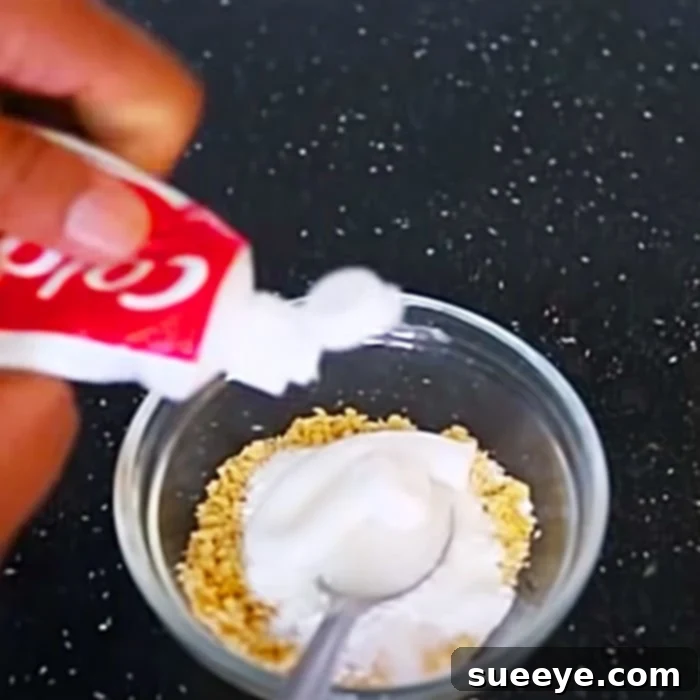
- Incorporate the Toothpaste: Next, add the 2 tablespoons of toothpaste to the dry mixture. This is where the magic truly begins, as the toothpaste will help bind everything together.
- Mix Until a Dough Forms: Start mixing vigorously. At first, it might seem crumbly, but continue to mix and press the ingredients together. The moisture from the toothpaste, combined with the fats from the peanuts, will eventually bind everything into a cohesive, dough-like consistency. You should be able to roll it into firm balls without it falling apart. If the mixture is too dry, you can add a tiny bit more toothpaste (half a teaspoon at a time) until the desired consistency is achieved. If it’s too wet, a small sprinkle of flour can help.
Formation and Strategic Placement
Once your mixture is perfectly combined, the next step is to form the bait balls and strategically place them in areas frequented by rodents. Proper placement is key to the success of this method.
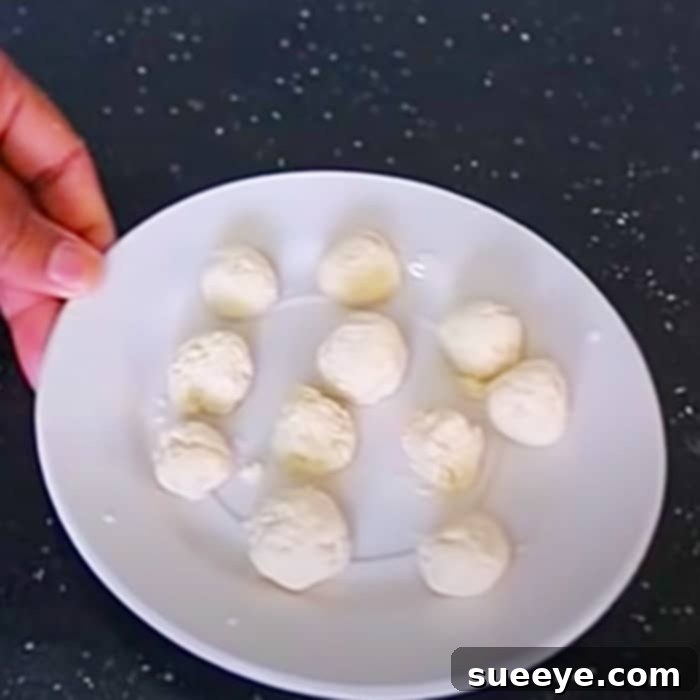
- Form Small Balls: Take small portions of the mixture, roughly the size of a marble or a small pea, and roll them between your palms to form firm, compact balls. The size should be manageable for a mouse or rat to pick up and consume easily.
- Identify Rodent Hotspots: Before placing the bait, observe your home for signs of rodent activity. Look for droppings, gnaw marks, smudge marks along baseboards, and listen for scratching sounds. Common areas include behind appliances (refrigerators, stoves), inside cabinets and pantries, basements, attics, garages, utility closets, and near entry points like vents or pipe openings.
- Strategic Placement: Place the formed bait balls wherever you have observed rodent activity. Rodents tend to stick to walls and secluded areas, so place the balls along baseboards, in corners, inside cabinets, and near any suspected entry points. Distribute them widely to increase the chances of discovery.
- Monitor and Replenish: Check the bait balls regularly. If they are gone or appear nibbled, replenish them. Rodent populations can be large, so consistent application is important. It may take a few days for the full effect to be observed.
- Safety First: Although this method uses common household ingredients, these bait balls are designed to be lethal to rodents. Always place them in areas inaccessible to children and pets. Consider using bait stations or placing them under furniture or inside PVC pipes where only rodents can reach them.
The Science Behind the Effectiveness: How Toothpaste Bait Balls Work
Understanding why this seemingly simple concoction is so effective adds to its appeal as a DIY rodent control solution. The secret lies in a clever combination of attraction and a specific physiological vulnerability of rodents.
Irresistible Attraction
The first step to successful rodent elimination is getting them to consume the bait. This recipe excels in attraction:
- Peanuts and Sugar: These provide a highly appealing scent and taste profile. Rodents are opportunistic feeders with a keen sense of smell, and the rich, nutty aroma of peanuts combined with the sweetness of sugar makes the bait irresistible, often overriding their natural caution.
- Toothpaste Scent: While some might find mint a repellent, certain rodents are surprisingly attracted to the novel scent, which can also help to mask any subtle ‘unnatural’ odors from the other ingredients.
The Lethal Reaction: Baking Powder’s Role
Once ingested, the baking powder becomes the primary agent of elimination. Here’s the mechanism:
- Ingestion and Digestion: Rodents consume the bait balls, attracted by the enticing flavors. The mixture travels to their digestive system.
- Acidic Stomach Environment: Like most mammals, rodents have stomach acids that aid in digestion.
- Gas Production: When baking powder (which typically contains sodium bicarbonate and a weak acid) comes into contact with the stomach acids, a chemical reaction occurs, producing carbon dioxide gas.
- Inability to Relieve Gas: Crucially, rodents (both mice and rats) lack the physiological ability to burp or vomit. This means they cannot expel the gas that rapidly builds up in their digestive tracts.
- Internal Pressure and Fatal Outcome: As more gas is produced and trapped, it creates immense internal pressure on their organs. This pressure leads to severe discomfort, internal damage, and ultimately, a fatal outcome. This method is often considered more humane than sticky traps, as it leads to a relatively swift demise after consumption.
This ingenious combination ensures that rodents are not only drawn to the bait but are also effectively eliminated once they consume it, providing a potent yet accessible solution to your infestation.
Comprehensive Rodent Control: Beyond Bait Balls
While these DIY toothpaste bait balls are a highly effective tool in your pest control arsenal, a holistic approach is always best for long-term rodent management. Integrating these bait balls with other preventative measures will significantly reduce the chances of future infestations.
Sanitation: Eliminating Food and Water Sources
Rodents are primarily attracted to homes by the availability of food and water. By denying them these essentials, you make your home far less appealing.
- Proper Food Storage: Store all food, including pet food, in airtight containers made of glass, metal, or thick plastic. Never leave food out on counters overnight.
- Cleanliness is Key: Regularly clean up crumbs, spills, and food debris from floors, counters, and under appliances. Empty trash cans frequently and use bins with tight-fitting lids.
- Address Water Leaks: Fix any leaky pipes or dripping faucets, as even small water sources can sustain a rodent population. Empty pet water bowls overnight.
Exclusion: Sealing Entry Points
Preventing rodents from entering your home in the first place is the most effective long-term strategy.
- Inspect Your Home Thoroughly: Look for any gaps, cracks, or holes in your foundation, walls, and around utility lines (pipes, wires, vents). Mice can squeeze through openings as small as a dime, and rats through a quarter-sized hole.
- Seal All Openings: Use materials that rodents cannot chew through, such as steel wool, hardware cloth, cement, or metal flashing. Pay special attention to gaps around doors, windows, and garage doors.
- Screen Vents and Chimneys: Install screens over all vents, including dryer vents, and cap chimneys to prevent entry.
- Trim Vegetation: Keep tree branches and shrubs trimmed away from your house, as these can provide easy access points to your roof.
Habitat Reduction: Making Your Home Less Welcoming
Clutter provides excellent hiding and nesting spots for rodents, both inside and outside your home.
- Reduce Clutter: Keep basements, attics, garages, and storage areas clean and organized. Avoid stacking boxes or materials directly against walls.
- Exterior Cleanliness: Remove woodpiles, leaf litter, and debris from around your home’s foundation. Store firewood at least 20 feet away from the house and elevate it off the ground.
Ongoing Monitoring
Even after you’ve implemented these measures and used the bait balls, it’s wise to continue monitoring for any signs of renewed activity. Regular inspections will help you catch any new infestations early.
By combining the potent effectiveness of the DIY toothpaste bait balls with these proactive prevention strategies, you can establish a robust defense against rodent infestations, ensuring your home remains clean, safe, and pest-free for the long haul.
Safety Considerations and Best Practices
While the ingredients in these bait balls are common household items, it’s crucial to remember that they are formulated to be toxic to rodents. Therefore, responsible handling and placement are paramount to ensure the safety of your family and pets.
- Keep Away from Children and Pets: This is the most critical safety precaution. Even though it’s a “natural” solution, the bait balls are still harmful if ingested by non-target species. Place them in areas completely inaccessible to curious toddlers, dogs, and cats. Consider using enclosed bait stations or placing them in crevices, behind heavy appliances, or inside sections of PVC pipe that only rodents can enter.
- Wear Gloves During Preparation and Placement: Always wear disposable gloves when mixing the ingredients and placing the bait balls. This not only maintains hygiene but also prevents leaving human scent on the bait, which could deter rodents.
- Proper Disposal of Rodents: Once rodents consume the bait, they may die in hidden locations. If you find a deceased rodent, always wear gloves to handle it. Place it in a plastic bag, seal it, and dispose of it in an outdoor trash bin. Avoid direct skin contact and wash your hands thoroughly afterward.
- Ventilate Areas: If a rodent dies in an enclosed space, proper ventilation is important before and after removal, especially to dissipate any potential airborne pathogens.
- Store Ingredients Safely: Keep all raw ingredients for the bait balls stored separately and out of reach of children and pets.
- Monitor Effectiveness and Adjust: If you’re not seeing results after a few days, reassess your placement strategy. Rodents are intelligent and can be wary. You might need to move the bait balls to new locations or increase the quantity in heavily infested areas.
By adhering to these safety guidelines, you can effectively tackle your rodent problem using this natural solution while safeguarding the well-being of everyone else in your home.