

The pursuit of a simplified life, often embodied by minimalism, resonates with many of us, regardless of the season. It’s a journey toward greater intentionality, where every item in our space serves a purpose or brings genuine joy. Yet, this path is not without its challenges. Often, the desire to declutter clashes with deeply ingrained habits, emotional attachments, or simply an inefficient approach. While everyone’s journey to simplify is unique, insights from resources like Abundantly Minimal on YouTube offer invaluable guidance, highlighting key decluttering mistakes to avoid. As someone who has wrestled with holding onto objects long past their utility, from sentimental gifts to everyday items “just in case,” I understand the struggle. Reconsidering what truly adds value to our lives is the first step towards a truly clutter-free existence. This article will delve into common pitfalls that can derail your decluttering efforts and provide actionable strategies to navigate them successfully, leading you to a more organized, peaceful, and intentional living environment.
Achieving a truly minimalist or simplified space isn’t just about throwing things away; it’s about making conscious choices that align with your lifestyle goals. By understanding and avoiding these critical mistakes, you can transform your home into a sanctuary that supports your well-being, reduces stress, and frees up mental and physical space. Let’s explore these common decluttering errors and how to strategically sidestep them for lasting results.
1. Don’t Declutter Just for the Sake of It: Embrace Intentional Decluttering
One of the most counterproductive decluttering mistakes is to simply remove items without a clear purpose or strategy. This often leads to a cycle of decluttering and re-cluttering, or worse, discarding items you genuinely need only to repurchase them later. Intentional decluttering means approaching each item with a thoughtful question: “Does this truly serve a purpose in my life, or does it bring me genuine joy?”
Many individuals fall into the trap of decluttering merely because it’s a popular trend or because they feel obligated to do so. However, true minimalist living is not about deprivation; it’s about discerning what adds value. Before you even begin, take a moment to define your goals. Are you aiming for a more functional kitchen? A serene bedroom? Or simply less visual noise? Being intentional ensures that every decision you make aligns with your vision for a simplified life. Without this clarity, you risk creating voids that will quickly be filled by new, equally unnecessary items. Avoid the impulse to give or throw things away just to reduce volume; instead, pause, reflect, and make conscious choices that contribute to your long-term goal of an organized, purposeful home. This thoughtful approach not only prevents regret but also fosters a more sustainable relationship with your possessions, reducing waste and promoting mindful consumption.
2. Don’t Take on Too Much at Once: Prioritize Small, Manageable Steps

The vision of a perfectly organized home can be incredibly motivating, but attempting to tackle your entire living space in one go is a surefire way to invite overwhelm and burnout. This common decluttering mistake often leads to numerous half-finished projects, leaving your space feeling even more chaotic than when you started. Imagine emptying every closet, drawer, and shelf simultaneously; the sheer volume of items can be paralyzing.
Instead, adopt a strategy of focused, targeted decluttering. Start with one small, manageable area – perhaps a single drawer, a shelf in your pantry, or a corner of your desk. This “micro-decluttering” approach allows you to achieve quick wins, which build momentum and confidence. When you successfully clear and organize one small section, you’re more likely to feel motivated to move on to the next. This method also helps prevent decision fatigue. By concentrating on a limited number of items, you can more effectively determine if each item is important, where it should ideally be stored, and how it fits into your desired organizational system.
Breaking down the immense task of decluttering into bite-sized chunks makes the entire process feel less daunting and more achievable. Consider setting a timer for 15-30 minutes and committing to decluttering just one small area during that time. Consistency over intensity is key. By working on small sections at a time, you’ll find yourself systematically transforming your space without the stress of an endless, overwhelming project. Remember, the goal is progress, not perfection, and small, consistent efforts lead to significant, lasting results in your quest for a more organized and simplified home.
3. Don’t Only Follow the Guidelines of Others: Cultivate Your Personal Minimalism
In the age of social media and influencer culture, it’s easy to get caught up in emulating someone else’s definition of minimalism. However, one significant decluttering mistake is believing there’s a universal “one-size-fits-all” approach to a simplified life. What works for a single person in a studio apartment might be entirely impractical for a family of five in a larger home, and vice-versa. True minimalism is deeply personal; it reflects your unique values, needs, and lifestyle.
Attempting to strictly adhere to someone else’s rules – whether it’s a specific number of items, a particular aesthetic, or a rigid decluttering method – can lead to frustration and a sense of failure. Instead, the most effective approach is to find a system that genuinely works for *you*. This involves a process of self-discovery, where you identify what truly matters and what genuinely adds value to your life. Take the time to reflect: What are your daily routines? What hobbies do you pursue? What responsibilities do you have? Your possessions should support these aspects of your life, not hinder them.
Eliminate things that do not hold any personal value, are rarely used in a practical sense, or simply do not align with the kind of life you want to live. This means you might keep more books than a popular minimalist guru, or perhaps fewer kitchen gadgets than your neighbor. The beauty of personalized minimalism is its flexibility and adaptability. It’s about designing a space and a life that feels authentic to you, freeing you from societal pressures and external expectations. Embrace the journey of discovering your own unique decluttering philosophy, allowing it to evolve as your life changes, and you’ll find lasting satisfaction in your simplified home.
4. Don’t Become Overly Sentimental: Master Emotional Detachment
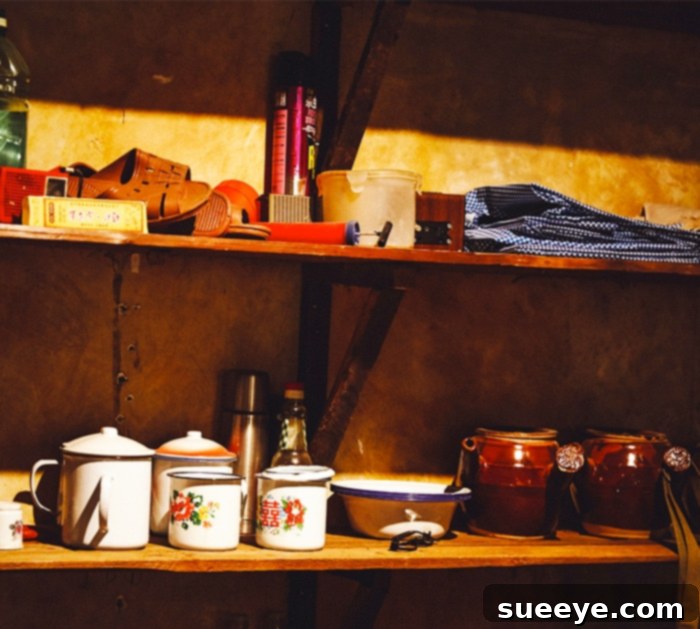
One of the most challenging aspects of decluttering, and a significant mistake many of us make, is allowing sentimentality to override practical decision-making. It’s perfectly natural to feel a flood of emotions when you come across items that evoke cherished memories – an old concert ticket, a childhood toy, or a gift from a loved one. However, becoming overly sentimental can severely hinder your progress, often leading to keeping 99% of things you initially intended to part with. I confess, this is a personal struggle, as I often weave intricate stories around objects, justifying their retention based on perceived emotional value.
While acknowledging the emotional weight of certain items is important, it’s equally crucial to approach them with a level head during the decluttering process. Memories are not inherently tied to physical objects; they reside within us. The goal isn’t to erase the past, but to ensure that your physical space serves your present and future. To navigate sentimental clutter effectively, consider these strategies:
- Create a Memory Box: Designate one special container for truly meaningful keepsakes. This limits the volume and encourages selectivity.
- Digitize: For photos, letters, or children’s artwork, consider scanning them to create digital archives. This preserves the memory without the physical bulk.
- Ask Key Questions: “Does this item truly represent the memory, or is the memory itself enough?” “Do I need this physical object to cherish the person or event?” “Would seeing this item occasionally in a memory box be more impactful than it collecting dust in a drawer?”
- One-In, One-Out: For new sentimental items, consider if an older one can be re-evaluated and released.
By detaching the memory from the object, you can honor your past without allowing it to clutter your present. This process takes practice and compassion but ultimately frees you to live more fully in a space that reflects your current aspirations rather than being anchored by a multitude of physical reminders.
5. Don’t Let Decluttered Items Stay in Your Space: Complete the Cycle
You’ve done the hard work: you’ve sorted, decided, and designated items for donation, selling, or disposal. Congratulations! But the decluttering process isn’t truly complete until those items have physically left your home. A critical and often overlooked decluttering mistake is allowing “decluttered” items to linger in a designated corner, garage, or even a packed car trunk. This creates a psychological loophole, inviting second thoughts and the temptation to reclaim items you’ve already decided to release.
The longer these items remain in your space, the higher the risk of “re-cluttering.” You might start questioning your decisions, thinking, “Could this add value back into my life?” when, in reality, you’ve already determined it doesn’t. This not only undermines your hard work but also keeps your home feeling unfinished and partially cluttered. The mental relief and physical space you gain from decluttering are only fully realized when the items are truly gone.
To avoid this pitfall, make the removal of items an immediate priority:
- Schedule Immediate Drop-offs: As soon as you have a box of donations, put it in your car and schedule a trip to a charity shop or recycling center. Don’t let it sit for days.
- Set a Deadline: For items to sell, give yourself a strict deadline. If they haven’t sold by then, commit to donating them.
- Dispose Promptly: Trash should go out with the regular garbage, and recycling should be handled efficiently.
By swiftly removing decluttered items, you reinforce your decisions, prevent regret, and fully embrace the benefits of your newly simplified space. This final, decisive step is crucial for maintaining momentum and ensuring that your decluttering efforts lead to a truly clutter-free and more intentional living environment. The feeling of a completely cleared space is incredibly liberating and serves as a powerful motivator for sustaining your minimalist journey.
Embrace a Freer, More Intentional Lifestyle
Embarking on a decluttering journey is more than just tidying up; it’s an opportunity to redefine your relationship with your possessions and, by extension, your life. By actively avoiding these five common decluttering mistakes – decluttering without intention, taking on too much at once, ignoring your personal definition of minimalism, becoming overly sentimental, and failing to remove items promptly – you set yourself up for lasting success.
Each step you take towards an organized and simplified home contributes to a profound sense of peace and clarity. Imagine a space where every item has a purpose, where memories are cherished without being tethered to excess objects, and where you have the freedom to live more intentionally. This is the promise of mindful decluttering. I know I am constantly striving to incorporate these tips into my own life, aiming for that ideal of a truly free, light, and minimalist space. It’s an ongoing process, but by being aware of these pitfalls, we can all move closer to creating environments that genuinely support our well-being and aspirations.