
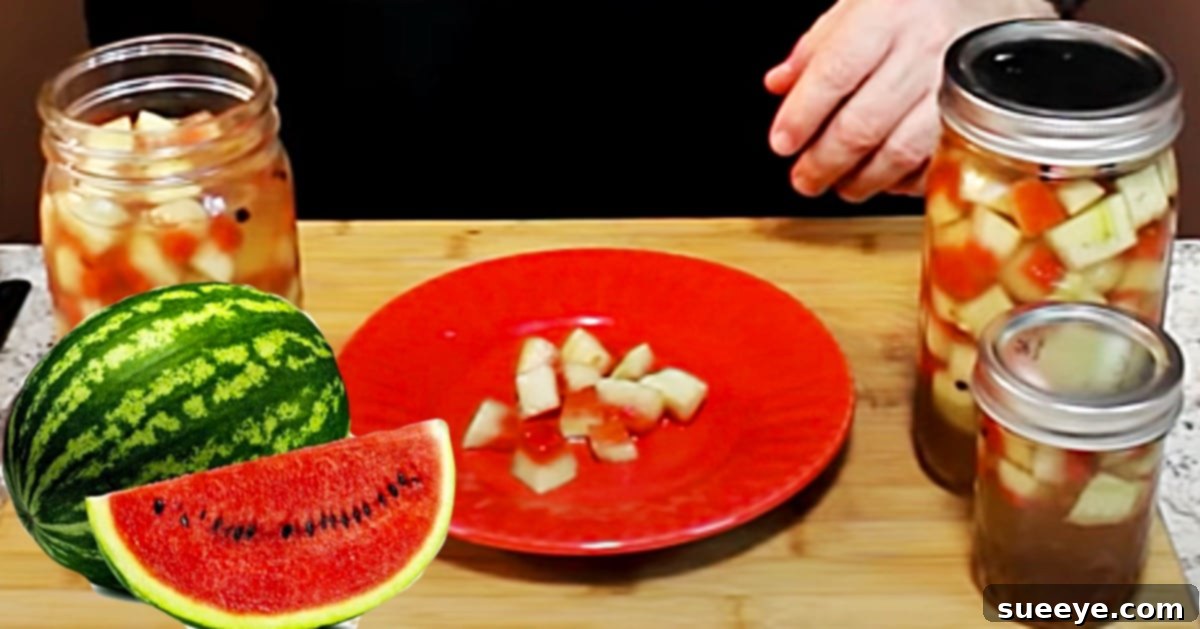
The Ultimate Guide to Delicious Pickled Watermelon Rind: A Sweet, Tangy, and Zero-Waste Delight
For devoted pickle enthusiasts, the quest for unique and exquisite pickled delights is a never-ending journey. And if you count yourself among the most passionate pickle aficionados, prepare to embark on an exciting culinary adventure with pickled watermelon rind. This often-overlooked part of the watermelon, typically discarded, holds the potential for an incredibly delicious and surprisingly versatile treat. We recently stumbled upon a pickled watermelon rind video tutorial recipe by Cooking With Shotgun Red on YouTube, and it immediately captured our attention. Having explored countless pickle varieties, from classic dill to spicy bread and butter, the idea of pickling watermelon rind was a revelation—a pristine frontier in the world of tangy preserves.
What makes this particular recipe stand out? It’s the meticulously crafted brine, truly the heart and soul of any exceptional pickle. This brine recipe isn’t just good; it’s phenomenal, striking a perfect balance of sweet, sour, and savory notes that elevate the humble watermelon rind to gourmet status. The use of apple cider vinegar, with its distinct sharpness and complex fruity undertones, adds an incredible depth of flavor that a simple white distilled vinegar can’t quite match, though both options yield delicious results. Beyond its superb taste, one of the most appealing aspects of this recipe is its simplicity and accessibility. There’s no need for a complicated canning bath or specialized equipment; these delightful pickles go straight into the fridge, making them an ideal project for beginners and seasoned picklers looking for a quick and rewarding experience.
Why Pickled Watermelon Rind Deserves a Spot in Your Pantry
Beyond its novelty, pickled watermelon rind offers a unique textural experience—crisp yet tender, a delightful contrast to the typically soft flesh of the fruit. It’s a fantastic way to minimize food waste, transforming a discarded component into a vibrant, flavorful snack or condiment. Environmentally conscious cooks will appreciate the “nose-to-tail” philosophy applied to fruit, maximizing every part of your produce. Flavor-wise, these pickles deliver an intriguing sweet and tangy punch, often with a subtle warmth from spices, making them incredibly versatile. They can brighten up a dull sandwich, add a zesty crunch to a salad, or simply be enjoyed straight from the jar as a refreshing snack. This recipe provides a gateway to exploring new flavors and textures, proving that sometimes, the best culinary discoveries are found in the most unexpected places.
The Magic Behind the Brine: Crafting the Perfect Flavor Profile
The success of any pickle lies squarely in its brine, and this recipe delivers a masterclass in flavor balance. A great brine is not just about vinegar and salt; it’s about a symphony of ingredients working in harmony to transform and preserve. The combination of sweet (sugar), sour (vinegar), salty (kosher salt), and aromatic spices (peppercorns, red pepper flakes, coriander seeds) creates a complex liquid that infuses the watermelon rind with incredible depth. The initial bite of the apple cider vinegar mellows over time, marrying beautifully with the sweetness, while the spices add a nuanced warmth and fragrance that is both inviting and addictive. Understanding the role of each ingredient in the brine is key to appreciating why this recipe yields such spectacular results, turning a simple process into an art form.
Essential Ingredients for Your Watermelon Rind Pickles
Gathering the right ingredients is the first step towards creating your magnificent batch of pickled watermelon rind. This recipe utilizes common pantry staples, ensuring that your journey from curiosity to deliciousness is as smooth as possible. Here’s what you’ll need to prepare this exceptional treat:
- 1 cup of water: Forms the base of your brine, helping to dissolve the sugars and salts and balance the acidity of the vinegar.
- 1 and 1/2 cups of vinegar (apple cider or white distilled): Apple cider vinegar is highly recommended for its richer, fruitier notes and softer acidity, which complements the watermelon rind beautifully. However, white distilled vinegar can be used for a sharper, more traditional pickle flavor if preferred.
- 1 and 1/2 cups of white sugar: Essential for balancing the vinegar’s tang and creating that delightful sweet-and-sour profile. For those who enjoy an extra sweet pickle, feel free to increase this to 2 cups to achieve a candied rind effect.
- 1 teaspoon whole black peppercorns: Adds a classic, aromatic heat and subtle earthy undertones that are characteristic of good pickles.
- 1/2 teaspoon red pepper flakes: Introduces a gentle warmth and a hint of spice, elevating the flavor profile without overpowering the natural sweetness of the rind. Adjust this amount based on your preference for heat.
- 3 tablespoons kosher salt: Crucial for flavor, preservation, and maintaining the crisp texture of the watermelon rind. Kosher salt is preferred for its pure taste and lack of anti-caking agents found in table salt.
- 2 teaspoons coriander seeds: Offers a unique citrusy, floral, and slightly nutty aroma, adding an intriguing layer of complexity to the brine.
Step-by-Step Guide to Crafting Your Watermelon Rind Pickles
Making these delightful pickled watermelon rinds is a straightforward process that yields incredibly rewarding results. Follow these detailed steps to ensure your pickles turn out perfectly crisp, tangy, and bursting with flavor:
Preparation: Harvesting the Watermelon Rind
The journey begins with preparing the watermelon rind itself. Start by selecting a large, ripe watermelon. Carefully slice the watermelon in half, then into manageable wedges. Enjoy the sweet, red flesh, and then turn your attention to the rind. Using a sharp knife or a vegetable peeler, meticulously remove all of the green outer skin from the rind. You want to be left with only the pale white and light green part of the rind, free from any tough green exterior or pink flesh. This white part is the prime candidate for pickling, offering the perfect texture to absorb the brine’s flavors. Once peeled, cube the white rind into approximately 1-inch pieces. Consistency in size is important here, as it ensures even pickling and a uniform texture in your final product.
Brine Creation: The Heart of the Pickle
With your watermelon rind prepared, it’s time to create the spectacular brine. In a medium saucepan, combine the water, your chosen vinegar (apple cider for a richer flavor, or white distilled for a sharper tang), white sugar, whole black peppercorns, red pepper flakes, kosher salt, and coriander seeds. Bring this mixture to a rolling boil over medium-high heat, stirring occasionally to ensure that the sugar and salt fully dissolve. Once boiling, reduce the heat to low and let it simmer for about 5-7 minutes. This simmering process allows the spices to infuse deeply into the liquid, creating a wonderfully aromatic and flavorful brine that will be absorbed by the watermelon rind.
Assembly: Combining Rind and Brine
While your brine is simmering, pack your prepared watermelon rind cubes tightly into clean, sterilized canning jars or airtight glass containers. Sterilizing your jars isn’t strictly necessary for fridge pickles, but it’s a good practice to ensure cleanliness and can help prolong freshness. Once the brine has simmered and its flavors have melded, carefully pour the hot brine over the watermelon rind in the jars, ensuring that all the rind pieces are completely submerged. Fill the jars almost to the top, leaving about a quarter-inch of headspace. The hot brine will help to slightly soften the rind, making it more receptive to the flavors.
Cooling and Refrigeration: The Final Steps
Once filled, securely seal your jars with lids. Allow the jars to cool completely at room temperature on your countertop. This cooling process is important as it allows the rind to continue absorbing the brine as the liquid slowly cools. Once the jars have reached room temperature, transfer them to your refrigerator. These pickles don’t require a traditional canning bath for preservation; they are designed for immediate refrigeration. For the best flavor, allow the pickles to sit in the refrigerator for at least 24-48 hours before enjoying. This resting period allows the flavors to fully meld and deepen, transforming the watermelon rind into a truly spectacular pickled treat.
Tips for Perfect Pickled Watermelon Rind Every Time
To ensure your pickled watermelon rind turns out perfectly every time, consider these helpful tips:
- Choose the Right Watermelon: While any watermelon can work, those with thicker rinds will yield more substantial and satisfying pickle pieces. Look for watermelons that feel heavy for their size.
- Rind Thickness Matters: Aim for a consistent thickness when cubing your rind. This ensures uniform texture and pickling throughout the batch.
- Adjust Sweetness and Spice: Don’t be afraid to customize! If you prefer a sweeter pickle, increase the sugar. For more heat, add extra red pepper flakes or even a slice of jalapeño to the jar.
- Sterilize Your Jars (Optional but Recommended): While not strictly required for fridge pickles, sterilizing jars helps prevent spoilage and is good practice. You can sterilize by boiling jars in water or running them through a hot dishwasher cycle.
- Patience is Key: The longer the pickles sit in the refrigerator, the more intense and developed their flavor will become. Resist the urge to dive in too soon!
- Storage: Stored in an airtight container in the refrigerator, these pickled watermelon rinds can last for several weeks, if not months, though their crispness might slightly diminish over time.
Serving Suggestions and Culinary Creativity
Pickled watermelon rind is surprisingly versatile and can elevate a variety of dishes. Here are a few ideas to inspire your culinary creativity:
- As a Side Dish: Serve alongside grilled meats like pork chops or chicken for a bright, tangy contrast.
- On Sandwiches and Burgers: Chop them up and add them to your favorite sandwich or burger for an unexpected crunch and burst of flavor.
- In Salads: Dice the pickles and toss them into green salads or potato salads for an exciting sweet-and-sour element.
- Cheese Boards: They make an excellent addition to a charcuterie or cheese board, pairing wonderfully with sharp cheeses and savory meats.
- Garnish for Cocktails: A creative garnish for certain cocktails, adding a unique pickled twist.
- Straight from the Jar: Sometimes, the best way to enjoy them is simply on their own, as a refreshing and satisfying snack.
Frequently Asked Questions (FAQs) About Pickled Watermelon Rind
We’ve gathered some common questions you might have about making and enjoying pickled watermelon rind:
- Q: Can I use different spices in the brine?
- A: Absolutely! Feel free to experiment with other pickling spices like mustard seeds, dill seeds, bay leaves, or even star anise for different flavor profiles. Adjust to your taste preferences.
- Q: How long do these refrigerator pickles last?
- A: When stored in the refrigerator in an airtight container, pickled watermelon rind can typically last for 3-4 weeks, and sometimes even longer. Always use your best judgment regarding freshness.
- Q: What if I don’t have apple cider vinegar?
- A: White distilled vinegar is a perfectly acceptable substitute. It will result in a sharper, more straightforward pickle flavor. The original recipe suggests both, so choose what you prefer or have on hand.
- Q: Can I make a smaller batch?
- A: Yes, you can easily halve the recipe for a smaller batch. Just ensure you maintain the correct proportions for the brine ingredients.
- Q: Will the pickles be crunchy?
- A: Yes, the white part of the watermelon rind is quite firm and will retain a satisfying crunch when properly pickled. The hot brine will slightly tenderize it, but the pickle will remain crisp.
Embrace the Flavor: Your Next Pickle Obsession Awaits!
This pickled watermelon rind recipe is nothing short of spectacular, transforming a commonly discarded part of a fruit into a culinary gem. It’s a testament to the magic of pickling—how simple ingredients, combined with a little time and care, can create something truly extraordinary. Whether you’re a seasoned pickler or just dipping your toes into the world of home preservation, this easy, no-canning required recipe from Cooking With Shotgun Red is an absolute must-try. Prepare to be delighted by the vibrant flavors and crisp texture of your very own homemade pickled watermelon rind. Happy pickling!