
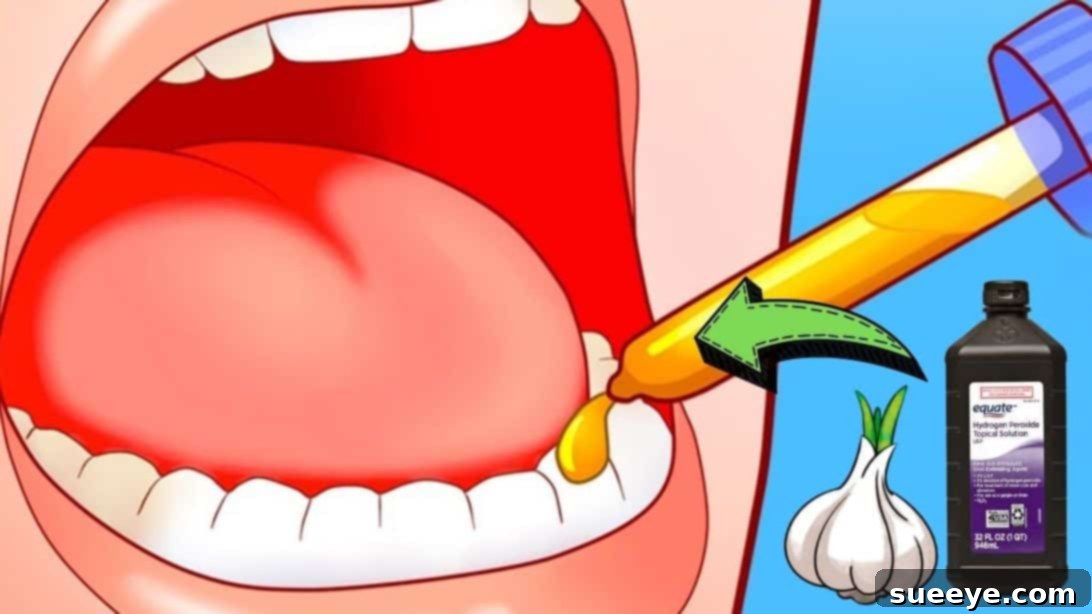
Effective Home Remedies for Toothache Relief: Temporary Solutions for Dental Pain
A sudden toothache can be an incredibly distressing and distracting experience, disrupting your daily routine and making even simple tasks feel impossible. When you’re in discomfort and unable to reach a dentist immediately, knowing how to find temporary relief can be a lifesaver. While these home remedies are not a substitute for professional dental care, they can offer much-needed respite from throbbing pain and sensitivity until you can schedule an appointment.
This comprehensive guide explores several effective, accessible, and natural ways to alleviate toothache pain. From simple cold compresses to herbal solutions and common household items, we’ll delve into how each method works to provide comfort. Remember, these solutions aim to manage symptoms; the underlying cause of your toothache always requires a dentist’s diagnosis and treatment.
Understanding Toothaches and Why Prompt Care is Essential
Toothaches can stem from a variety of causes, including cavities, gum disease, cracked teeth, exposed tooth roots, or even sinus infections. The pain can range from mild sensitivity to sharp, throbbing agony, often worsening with chewing or temperature changes. While temporary relief is important, it’s crucial to understand that delaying professional dental attention can lead to more severe complications, such as infections spreading to other parts of the body. Home remedies offer a bridge, not a permanent fix, emphasizing the importance of a dental visit.
Materials for Temporary Toothache Relief
Many effective toothache remedies utilize common household items. Here’s a list of what you might need:
- Ice pack or ice cubes in a plastic bag
- Peppermint tea bags or dried peppermint leaves
- 3% Hydrogen peroxide
- Fresh garlic cloves
- Table salt
- Warm water
- Clean cloth or towel
- Measuring spoons and a cup
Detailed Directions for Home-Based Toothache Relief
1.) Cold Compress for Numbing Pain and Reducing Swelling
One of the quickest and most inexpensive ways to combat toothache pain is through a cold compress. This method works by constricting blood vessels, which in turn reduces swelling and inflammation. The cold also helps to numb the nerve endings in the affected area, providing immediate pain relief. When your brain receives strong cold signals, these can override the pain signals, effectively distracting it from the discomfort.
How to Apply:
- Take an ice pack, or fill a plastic bag with a few ice cubes.
- Wrap the ice pack or bag in a thin cloth or towel to prevent direct contact with your skin, which can cause ice burns.
- Apply the wrapped cold compress to the outside of your cheek, over the area of the aching tooth.
- Hold it in place for approximately 15 to 20 minutes.
- You can repeat this process every few hours as needed, allowing a break in between applications to prevent skin irritation.
This method is particularly effective for toothaches accompanied by swelling or trauma.
2.) Peppermint Tea: A Soothing and Mildly Numbing Rinse
Peppermint is not only a refreshing herb but also possesses mild anesthetic and anti-inflammatory properties that can help soothe a toothache. The menthol in peppermint can provide a cooling sensation that temporarily numbs the painful area, while its anti-inflammatory compounds may reduce swelling.
Using Peppermint Leaves for a Mouth Rinse:
- Add 1 teaspoon of dried peppermint leaves to a cup of boiling water.
- Allow the mixture to steep for about 20 minutes, giving the beneficial compounds time to infuse into the water.
- Strain the leaves, and let the tea cool down to a comfortable temperature.
- Swish the peppermint tea around in your mouth, focusing on the affected area, for about 30 seconds to a minute.
- Spit out the tea. Do not swallow it.
- Repeat this rinse several times a day as needed for temporary relief.
Using Peppermint Tea Bags:
If you don’t have dried leaves, a standard peppermint tea bag can also be effective:
- Brew one peppermint tea bag in a cup of boiling water as you normally would for drinking tea.
- Once brewed, remove the tea bag and let it cool completely. You can even place it in the refrigerator for a few minutes.
- Apply the cooled, still-damp tea bag directly to the throbbing area of your gum or tooth for a few minutes.
- The cool temperature combined with the peppermint’s properties will offer temporary soothing relief.
3.) Hydrogen Peroxide Rinse: Antiseptic Action for Oral Health
Hydrogen peroxide is a potent antiseptic that can help kill bacteria, reduce plaque, and aid in healing bleeding gums, all while providing temporary relief from toothache discomfort. Its effervescent action can also help to clean out debris from around an infected tooth. It’s particularly useful if your toothache is accompanied by a foul taste or smell, indicating a possible bacterial infection.
How to Use as a Mouth Rinse:
- Ensure you are using a 3% hydrogen peroxide solution, which is commonly available. Higher concentrations can be too harsh and harmful.
- Mix equal parts of 3% hydrogen peroxide with water. For example, if you use 1 tablespoon of hydrogen peroxide, mix it with 1 tablespoon of water.
- Swish this diluted solution around in your mouth for about 30 to 60 seconds, concentrating on the painful area.
- It is absolutely crucial to not swallow the hydrogen peroxide solution, as it can be harmful if ingested.
- After spitting out the solution, rinse your mouth thoroughly several times with pure water to remove any residual peroxide.
This rinse can be used once or twice a day to help manage pain and keep the area clean until you can see a dentist. It’s an excellent option for temporary relief and oral hygiene maintenance.
4.) Garlic: Nature’s Antibiotic and Pain Reliever
Garlic has been used for centuries in traditional medicine for its powerful medicinal properties. It contains allicin, a compound known for its strong antibacterial, antiviral, and antifungal effects. When applied to an aching tooth, garlic can help kill harmful bacteria that might be contributing to the pain, and it also acts as a natural pain reliever.
Methods of Application:
- Making a Paste: Peel one fresh garlic clove and crush it thoroughly to form a paste. You can add a pinch of salt to the paste, which also has antiseptic properties. Apply this paste directly to the affected tooth and gum area.
- Chewing: If the pain is manageable, you can slowly chew a fresh garlic clove directly on the side of the aching tooth. This releases allicin and other beneficial compounds directly onto the affected area.
Repeat this natural treatment for a few days if needed, or until the pain subsides enough for you to get professional dental care. Be aware that garlic has a strong odor, but its benefits for temporary toothache relief are well-regarded.
5.) Saltwater Rinse: Simple, Effective Disinfection
A saltwater rinse is one of the simplest, safest, and most effective natural remedies for a toothache. Salt acts as a natural disinfectant, helping to reduce bacteria in the mouth and clean the area around the aching tooth. It also helps to draw out fluids from inflamed tissues, which can reduce swelling and provide significant pain relief. This isotonic solution helps maintain a healthy balance in your mouth, which is beneficial for healing.
How to Prepare and Use:
- Mix half a teaspoon (approximately 2-3 grams) of common table salt into a glass (about 8 ounces or 240 ml) of warm water. The warmth of the water is comforting and helps the salt dissolve more easily.
- Stir thoroughly until the salt is completely dissolved.
- Take a mouthful of the saltwater solution and swish it around vigorously in your mouth for at least 30 seconds, or longer if comfortable. Ensure the solution reaches all areas, especially around the painful tooth.
- Spit out the saltwater. Do not swallow it.
- Repeat this process several times a day, particularly after meals and before bedtime, to keep the area clean and manage pain effectively.
This remedy is particularly useful for dislodging food particles caught between teeth and reducing inflammation, which can often exacerbate toothache pain.
When to Seek Professional Dental Care Immediately
While these home remedies can provide temporary relief, it is crucial to recognize when a toothache requires immediate professional attention. Consult a dentist as soon as possible if you experience:
- Severe pain that does not subside with home remedies.
- Fever, chills, or general malaise.
- Swelling in your face, jaw, or neck.
- Difficulty breathing or swallowing.
- Pain lasting for more than one or two days.
- Pain when opening your mouth wide.
- A persistent foul taste in your mouth.
These symptoms could indicate a serious infection or other underlying issue that requires prompt diagnosis and treatment by a qualified dental professional. Home remedies are palliative, not curative.
Conclusion: Bridging the Gap to Dental Health
Living with a toothache can be debilitating, but having a repertoire of effective home remedies can provide a vital bridge to comfort until you can receive professional dental care. Cold compresses, peppermint tea, hydrogen peroxide rinses, garlic, and saltwater solutions each offer unique benefits, from numbing pain and reducing inflammation to combating bacteria and keeping the affected area clean.
Remember, while these methods are excellent for temporary relief, they do not address the root cause of your dental pain. A visit to your dentist is essential for a proper diagnosis and treatment plan to ensure your long-term oral health. Utilize these remedies wisely to manage discomfort and prioritize your dental appointment to resolve the issue permanently.
*All image credit belongs to BRIGHT SIDE via YouTube. Follow and subscribe to their channel for more insightful tutorials!
Quick Reference: Your Go-To Toothache Relief Methods