
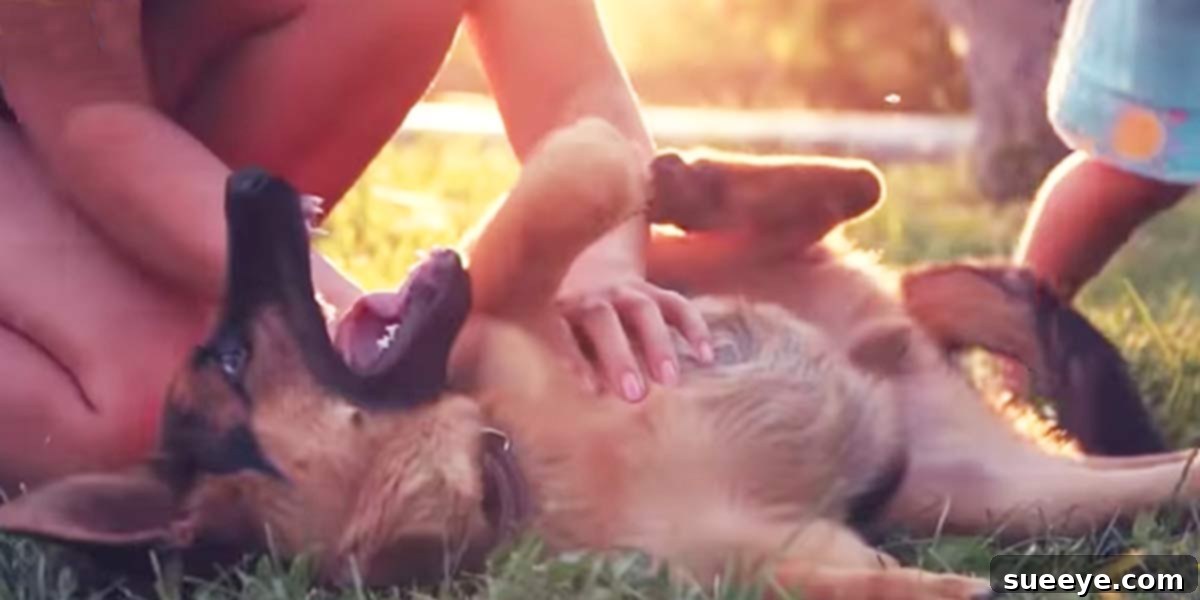
Our cherished pets are more than just animals; they are beloved family members who bring immense joy and companionship into our lives. Fostering a deep, intuitive understanding of their needs, emotions, and intentions is paramount to building a truly strong and harmonious relationship. Many dog owners often find themselves puzzled by their canine companion’s seemingly inexplicable behaviors. The universal desire to truly know what our dogs are thinking, feeling, and trying to communicate is a common thread that unites pet lovers worldwide.
You are certainly not alone in this sentiment. Misinterpreting dog behavior is quite common, leading to frustration for both pet and owner. However, the encouraging news is that decoding canine body language – the subtle and not-so-subtle cues your dog uses every day – is far more straightforward and accessible than you might initially imagine. It’s a skill that can be learned, practiced, and mastered, opening up an entirely new level of connection with your furry friend.
Gaining clear insight into your dog’s emotional state – whether they are feeling joyful, playful, anxious, fearful, or distressed – can profoundly impact their interactions with other dogs, with new people, and crucially, with you. The signals are constantly being broadcast; we just need to learn how to perceive them and interpret their meaning accurately. Once you become familiar with these pivotal cues and consistently observe your dog, your perception will transform. What once felt like watching a foreign film without subtitles will become as clear and comprehensible as watching a movie in your native tongue, allowing for a richer, more meaningful dialogue.
Dogs inherently understand each other with remarkable ease, often communicating complex messages through subtle shifts in posture, gaze, and movement. This intuitive communication comes naturally to them, honed over millennia of social interaction within their species. As humans, however, we don’t possess the same innate abilities. To genuinely connect with your dog, effectively guide their behavior, provide comfort when needed, and even manage a particularly confident or dominant personality, mastering their body language is not just beneficial – it’s indispensable. It’s the foundation upon which mutual respect and trust are built, leading to a happier, healthier life for both of you.
The Foundation of Canine Communication: Why Understanding Body Language Matters for Your Dog
Dogs communicate primarily through their body language, far more than through vocalizations like barking or whining. Every single part of your dog’s body – from the tip of their nose to the end of their tail – works in concert to express their current emotional state and intentions. Understanding these intricate signals allows you to anticipate their needs, prevent potential conflicts, alleviate stress, and celebrate their joy. It’s about proactive care and building a relationship based on true understanding, rather than relying on guesswork, which can often lead to miscommunication and stress for both parties.
Beyond Words: The Silent Language Your Dog Constantly Speaks
Imagine trying to talk to someone who doesn’t speak your language, relying solely on their gestures. That’s essentially the challenge we face with our dogs, but with an added layer of complexity as their “gestures” are often subtle and combined in unique ways. Their “grammar” is the way they combine these physical signals. By consciously tuning into this silent language, you empower yourself to be an exceptional pet parent, fostering an environment where your dog feels truly understood, safe, and secure. This understanding can dramatically reduce behavioral issues and enhance their overall well-being.
Decoding the Dog’s Dictionary: Key Body Language Signals Every Owner Should Know
The Expressive Tail: A Complex Story Beyond Simple Wags
The tail is perhaps the most iconic and frequently misunderstood part of a dog’s communication toolkit. Many people instinctively associate a wagging tail solely with happiness, but its meaning is far more nuanced and context-dependent. The tail’s position, the speed of its wag, and even the direction it wags can reveal a wealth of information about your dog’s current mood and intentions. A quick observation can tell you if they are content, alert, fearful, or even aggressive.
- High and Stiff Wag: Often indicates excitement, alertness, or even a challenge. This isn’t necessarily a sign of friendliness, but rather heightened arousal and readiness to engage or react. It warrants careful observation.
- Low and Tucked: This is a clear and universal sign of fear, anxiety, or submission. The dog is trying to make itself appear smaller, less threatening, and is likely feeling vulnerable or overwhelmed.
- Relaxed, Natural Position (varies by breed): A content and calm dog will hold its tail in a neutral position, which can differ significantly depending on the breed (e.g., curled high for a Pug, naturally high for a Beagle, or naturally low for a Greyhound). This indicates comfort.
- Broad, Loose Wag (often accompanied by wiggling body): This is the classic “happy dog” wag, indicating genuine joy, excitement, and a strong desire for friendly interaction or play. It’s a clear invitation for engagement.
- Slow Wag with a Low Position: Can suggest uncertainty, apprehension, or a cautious approach. The dog might be assessing a new situation or person and feeling a bit reserved.
- Rapid, Short Wags (especially high tail): Can signify intense excitement or tension. Again, context is crucial here; it could be anticipatory excitement or a pre-cursor to a defensive reaction.
The Story in Their Ears: A Window to Their Focus and Emotions
A dog’s ears are highly mobile and incredibly expressive, constantly adjusting to gather information from their environment and convey their inner state. Their position can tell you a great deal about what your dog is paying attention to, how they feel about it, and their readiness to act. Breeds with floppy ears might show these signals through subtle changes in how those ears are held against the head.
- Forward and Alert: Indicates strong interest, focus, and attentiveness. The dog is processing a sound or sight and is fully engaged, ready to react or investigate further.
- Flattened Back Against the Head: A strong signal of fear, anxiety, or extreme submission. The dog is trying to appear as unthreatening and small as possible, often feeling threatened or overwhelmed.
- Slightly Pulled Back: Can indicate a friendly greeting, mild apprehension, or uncertainty. Often seen during a polite social interaction where the dog wants to appear non-confrontational.
- Relaxed and Natural: When ears are in their normal, resting position (which varies by breed), it usually means the dog is calm, comfortable, and at ease in its surroundings.
Eyes That Speak Volumes: Gaze, Dilation, and the “Whale Eye”
The eyes are often called the windows to the soul, and this holds profoundly true for dogs as well. A dog’s gaze, the shape of their eyes, and even pupil dilation can reveal deep emotional insights. Learning to read these subtle cues can help you understand fear, trust, aggression, and discomfort even before other body parts signal it.
- Soft, Relaxed Gaze: A clear sign of comfort, trust, and affection. Often seen when a dog looks at its beloved owner or is feeling secure in its environment.
- Hard Stare, Direct Eye Contact: Can be a challenge, a warning, or a sign of aggression. Avoid prolonged, direct eye contact with an unknown or anxious dog, as it can be perceived as confrontational and threatening.
- “Whale Eye” (Sclera Showing): When the whites of the eyes are visible, especially at the corners, it’s often a strong sign of stress, fear, or discomfort. The dog may be feeling cornered, threatened, or overwhelmed and is looking for an escape.
- Dilated Pupils: Can indicate excitement, fear, or heightened arousal. Context is absolutely key to interpreting this sign correctly. Is the dog playing or facing a perceived threat?
- Squinting or Blinking: Often a calming signal, used to diffuse tension, show submission, or indicate mild discomfort. It can also be a physical reaction to bright light or pain.
Mouth and Muzzle Signals: From Stress Licks to Playful Panting
The mouth, lips, and muzzle area are rich in communicative signals, often used to express stress, appeasement, or clear warnings. These signals can be very quick and subtle, requiring keen observation.
- Lip Licking (without food present): A very common calming signal, indicating stress, anxiety, or an attempt to appease. It’s a dog’s way of saying, “I’m not a threat,” or “I’m feeling uncomfortable.”
- Yawning (without being tired): Another powerful calming signal, often seen when a dog is stressed, uncomfortable, or trying to relieve tension. It’s an attempt to de-escalate.
- Panting (without exertion or heat): While dogs pant when hot or after exercise, excessive panting in a cool, resting dog can indicate stress, fear, or anxiety.
- Tight, Closed Mouth: Can signify tension, stress, or a dog trying to suppress a reaction. The muscles around the muzzle appear rigid.
- Snarling/Showing Teeth: A clear and unmistakable warning sign of potential aggression. This is a dog saying, “back off, or I will bite.” Respect this signal immediately.
- Soft, Relaxed Mouth, Sometimes Open with Tongue Slightly Out: Indicates a calm, happy, and relaxed dog. This is often seen when they are content and comfortable.
- Play Bow (Front End Down, Rear End Up): An undeniable and clear invitation to play! This is a universal signal that any subsequent actions, like chasing or nipping, are part of a friendly game.
Full Body Posture: The Overall Message Your Dog Sends
While individual body parts provide crucial clues, it’s the dog’s overall posture that ties everything together, offering the most comprehensive picture of their emotional state. Understanding the whole package is essential for accurate interpretation.
- Relaxed Posture: Loose muscles, even weight distribution, a soft facial expression, and the tail in a natural position. The dog is comfortable, content, and at ease.
- Cowering/Crouching: Body lowered to the ground, tail tucked, head down, attempting to appear smaller and less noticeable. A clear sign of fear, extreme submission, or profound anxiety.
- Stiff, Tense Posture: Muscles rigid, weight shifted forward or backward, often accompanied by a hard stare. Indicates alertness, readiness to react, or potential aggression. The dog is preparing for something.
- “Pancake” or Rolling Over: Exposing the belly can be a sign of extreme submission (often to appease a perceived threat) or a genuine invitation for a belly rub from a trusted individual. Context is absolutely crucial here to differentiate.
- Leaning Away/Turning Head or Body: A sign of discomfort, wanting to avoid interaction, or disinterest. The dog is attempting to create distance.
Piloerection (Raised Hackles): What the Fur Says About Arousal
When a dog’s fur stands up along its spine, particularly over the shoulders and rump, it’s called piloerection or “raised hackles.” This is an involuntary physiological reflex, very similar to goosebumps in humans, and indicates heightened arousal. It’s important to note that it doesn’t always mean aggression; it simply signifies that the dog is feeling something intensely – it could be fear, excitement, alarm, or a defensive reaction. It’s a sign to pay closer attention to other body language cues.
Understanding Calming Signals: The Dog’s Diplomacy and De-escalation Tactics
Dogs are incredibly sophisticated communicators, and they are masters of de-escalation. They use a specific set of behaviors, universally known as “calming signals,” to communicate their peaceful intentions, avoid conflict, and calm themselves or others. Recognizing these signals is key to being a truly empathetic and responsible dog owner, allowing you to intervene and support your dog before situations become overwhelming.
- Head Turns: Turning their head away, or even their entire body, to avoid direct confrontation or to signal they are not a threat.
- Lip Licking and Yawning: As mentioned, these are classic and frequently observed signs of stress or an attempt to diffuse tension in themselves or in the situation.
- Softening the Eyes/Blinking: Reducing direct eye contact to appear less threatening and more approachable.
- Sniffing the Ground: A dog might suddenly become very interested in sniffing the ground when feeling uncomfortable, stressed, or wanting to avoid interaction, a clear displacement behavior.
- Slow Movements: Moving slowly, freezing, or even changing pace abruptly can be an attempt to appear non-threatening and to calm a tense situation.
- Curving (Arcing) to Approach: Instead of a direct, head-on approach (which can be perceived as confrontational), a dog might walk in a wide arc to signal friendly intentions and avoid confrontation.
Decoding Different Emotional States: A Holistic Approach to Your Dog’s Feelings
By learning to combine and interpret these individual signals in context, we can begin to paint a much clearer and more accurate picture of our dog’s overall emotional state. It’s rarely just one signal; it’s the combination that tells the full story.
Signs of a Happy and Relaxed Dog: The Picture of Canine Contentment
A truly happy and relaxed dog will exhibit a comforting combination of several positive signals:
- Loose, broad tail wag (often with whole body wiggles, indicating profound joy)
- Soft, relaxed eyes, sometimes with a gentle squint or slow blink
- Relaxed mouth, slightly open, perhaps with a soft tongue or a “smile”
- Forward-facing or relaxed ears, not tense or pulled back
- Loose, fluid body posture, possibly initiating play bows or inviting interaction
- Actively seeking out interaction, affection, and playtime
Signs of Fear or Anxiety: Recognizing When Your Dog Needs Support
A fearful or anxious dog might display a clear set of behaviors signaling distress:
- Tail tucked firmly between legs, sometimes pressed tightly against the belly
- Ears flattened back against the head or lowered significantly
- “Whale eye” (sclera visible) or markedly dilated pupils, showing fear
- Repeated lip licking, yawning (without tiredness), or excessive panting
- Cowering, trembling, trying to hide or make itself as small as possible
- Avoidance of eye contact, turning head or body away from the perceived threat
- Excessive drooling, sudden shedding, or involuntary urination
Signs of Stress or Discomfort: Subtle Cues of Overwhelm
Stress can manifest in various ways, often subtly and before full-blown fear sets in:
- Persistent lip licking or yawning, even in quiet environments
- Pacing, restlessness, or an inability to settle down
- Excessive scratching (when not itchy) or sudden, intense grooming
- Shaking off (when not wet), a common displacement behavior
- Becoming “mouthy” or nippy, or conversely, unusually withdrawn and unresponsive
- Subtle stiffness in body posture or a momentary frozen stance
- Increased sniffing of the ground or sudden interest in irrelevant objects
Signs of Aggression or Warning: Preventing Conflict and Ensuring Safety
It’s absolutely crucial to recognize warning signs to prevent escalation. These are typically signals that a dog feels threatened and is attempting to create distance or defend itself:
- Stiff body posture, weight often shifted forward, ready to lunge
- Hard stare, direct, unblinking eye contact
- Tight, closed mouth, possibly snarling or baring teeth, especially canines
- Tail held high and stiff, or rapidly vibrating in a short, stiff arc
- Ears forward and tense, sometimes slightly flattened to the side
- Growling, snapping, or barking with a low, guttural, threatening tone
- Raised hackles (piloerection) along the spine
It’s vital to remember that these are clear warning signals, and the dog is attempting to communicate its discomfort and desire for space. Ignoring them can lead to a bite, as the dog feels its warnings are not being heeded.
The Importance of Context: Putting All the Pieces Together for Accurate Understanding
Interpreting dog body language is not about looking at one signal in isolation. It’s about observing the entire dog – their posture, facial expression, tail, ears, and overall demeanor – and combining this with the context of the situation. A yawn could mean tiredness or stress. A tail wag could mean happiness or high arousal. Always consider the broader picture:
- The environment: Is it noisy, crowded, unfamiliar, or overwhelming?
- The interaction: Who or what is the dog interacting with (person, other dog, object)?
- Recent events: Has anything startling or unusual just happened?
- Your dog’s individual personality: Is your dog generally confident, timid, reactive, or calm?
- Past experiences: Does your dog have a history of positive or negative experiences in similar situations?
By taking a holistic, contextual approach, you’ll gain a much more accurate and nuanced understanding of what your dog is truly trying to convey at any given moment.
Building a Stronger Bond Through Profound Understanding
Learning to accurately read your dog’s body language is one of the most powerful and rewarding tools you can acquire as a pet owner. It allows you to move beyond simply living with your dog to truly understanding and connecting with them on a deeper level. This skill significantly enhances your ability to:
- Prevent problematic behaviors: By recognizing early signs of stress, fear, or overstimulation, you can proactively remove your dog from uncomfortable situations before they escalate into undesirable behaviors.
- Provide appropriate comfort and reassurance: When you know your dog is anxious or distressed, you can offer targeted support, create a safe space, and help them feel secure.
- Enhance training effectiveness: Understanding your dog’s focus, arousal levels, and emotional state helps you tailor your training approach for maximum effectiveness, making sessions more productive and enjoyable for both of you.
- Improve social interactions: You can guide your dog through polite and positive greetings with other dogs and people, fostering good social skills and preventing potential conflicts.
- Deepen your relationship: When your dog feels truly seen, heard, and understood, the bond between you strengthens exponentially, built on trust, empathy, and mutual respect. This leads to a happier, more harmonious life together.
Just as dogs effortlessly interpret each other’s signals, you too can become fluent in canine communication. This journey of learning is incredibly rewarding, transforming your relationship with your furry companion into one of profound mutual understanding. Invest the time in observing, learning, and reacting appropriately to their language, and you will unlock a deeper, more meaningful connection with your best friend. Start observing your dog today; every flicker of an ear, every subtle shift in posture, and every wag of a tail holds a rich message waiting to be heard and understood.