
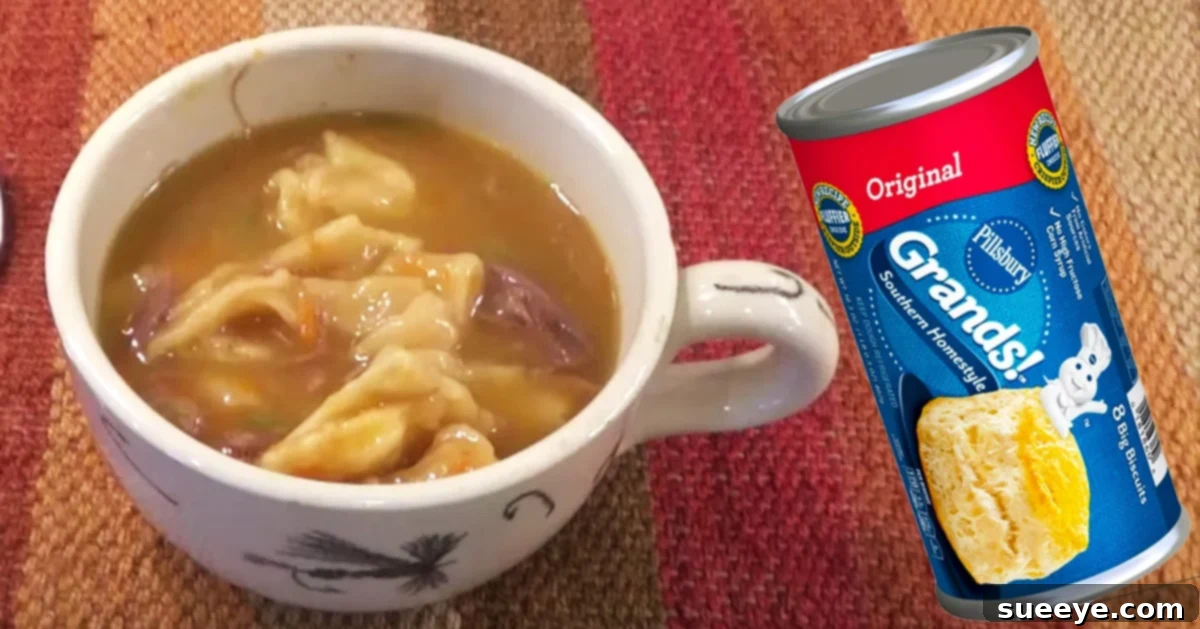
Hearty & Authentic: Crafting the Perfect Squirrel and Dumplings
There’s a unique charm in returning to the roots of culinary tradition, especially when it involves wild game and time-honored recipes. The squirrel and dumplings recipe, famously shared by Phil Crockett on YouTube, is a testament to this enduring appeal. This classic comfort dish takes an unexpected turn by utilizing squirrel as its star protein, offering a delightful twist on the more common chicken and dumplings. It’s a culinary journey that celebrates resourcefulness, flavor, and the simple pleasure of a warming, hearty meal.
While chicken often takes center stage in most dumpling recipes, the use of squirrel introduces a distinctive, earthy flavor that many enthusiasts of wild game cherish. Cooked properly, the squirrel meat becomes incredibly tender, soaking up the rich broth and delivering a depth of flavor that rivals its poultry counterpart. This particular recipe stands out for its simplicity and accessibility, requiring only a handful of ingredients and leveraging the convenience of canned biscuits to streamline the dumpling preparation process. For those who enjoy squirrel hunting, this recipe offers a delicious and practical way to transform a successful hunt into an unforgettable dining experience. Even for those new to wild game, the allure of recreating a cherished family recipe, as Phil Crockett does with his favorite dish, is undeniably compelling.
The Rustic Charm of Squirrel and Dumplings: A Culinary Tradition
Squirrel and dumplings is more than just a meal; it’s a piece of culinary history, deeply rooted in the traditions of Southern and Appalachian cooking. In times past, and still for many today, squirrel was a readily available and sustainable source of protein, especially in rural areas where hunting was a way of life. This dish exemplifies the ingenuity of home cooks who knew how to make the most of their resources, transforming humble ingredients into nourishing and incredibly satisfying fare. The slow simmering process not only tenderizes the meat but also extracts all its savory goodness, creating a rich broth that is the soul of the dish. Paired with soft, fluffy dumplings, it’s a meal that evokes warmth, nostalgia, and the comforting feeling of home.
What makes Phil Crockett’s approach particularly appealing is its balance of authenticity with modern convenience. By incorporating canned biscuits, the recipe bypasses the often time-consuming task of preparing dumplings from scratch, making this hearty meal achievable even on a busy weeknight. This innovative shortcut doesn’t detract from the dish’s inherent charm; instead, it opens the door for more people to experience the unique flavors and comforting embrace of squirrel and dumplings. It’s an inexpensive dish that promises big flavors, proving that extraordinary meals don’t always require an extensive shopping list or complex techniques. This recipe is an invitation to explore a different side of comfort food, one that is rich in heritage and packed with flavor.
Essential Ingredients for an Unforgettable Meal:
Crafting a memorable pot of squirrel and dumplings begins with a concise yet potent list of ingredients. Each component plays a crucial role in building the layers of flavor and texture that define this classic comfort food. This recipe prioritizes fresh, quality ingredients, ensuring a robust and authentic taste experience.
- 2 large squirrels: The star of the dish, ideally cleaned, boiled, de-boned, and shredded. Sourcing can be through hunting or, in some regions, specialty butchers.
- 4-6 cups chicken stock: Forms the flavorful base of the soup. High-quality chicken stock (homemade or store-bought) is essential for a rich, savory broth.
- 16 oz refrigerated biscuits: The secret to quick and easy dumplings. Any brand of canned flaky biscuits will work wonderfully.
- 2 carrots: Peeled and chopped, these add a touch of sweetness and vibrant color.
- 2 celery sticks: Diced, providing aromatic notes and a pleasant crunch.
Diving Deeper into the Ingredients:
The choice and preparation of each ingredient are paramount to the success of this wild game stew. Let’s explore why each item is indispensable:
The Squirrel: A Lean, Flavorful Protein
The squirrel meat is truly what sets this dish apart. When prepared correctly, it offers a lean, slightly nutty flavor that is distinct from chicken, yet equally satisfying. The process of cleaning, boiling, de-boning, and shredding is crucial. Boiling the squirrels for an extended period ensures the meat becomes incredibly tender and easily separates from the bone, making it a joy to eat. This slow-cooking method also allows any gamey notes to mellow, resulting in a beautifully delicate yet flavorful protein that readily absorbs the savory goodness of the broth.
Chicken Stock: The Foundation of Flavor
While the squirrel provides the unique protein, the chicken stock is the backbone of the entire dish. It’s what creates the rich, comforting liquid that bathes the meat and dumplings. Using a good quality chicken stock is non-negotiable for achieving a deeply savory and aromatic base. Homemade chicken stock will always yield the best results, lending a complexity that store-bought versions might lack. However, a good quality, low-sodium store-bought stock can be an excellent substitute, allowing you to control the seasoning precisely.
Refrigerated Biscuits: The Speedy Dumpling Solution
Perhaps the most ingenious aspect of Phil Crockett’s recipe is the use of refrigerated biscuits for the dumplings. This shortcut significantly cuts down on preparation time without sacrificing the beloved chewy texture of traditional dumplings. These canned wonders, when rolled out and cut into squares, puff up beautifully in the simmering broth, creating soft, delectable morsels that soak up all the delicious flavors of the stew. This convenience factor makes squirrel and dumplings an approachable recipe for even novice cooks, proving that quick solutions can still lead to authentic, satisfying results.
Carrots and Celery: Aromatic Essentials
Carrots and celery form the classic aromatic base, often referred to as mirepoix when combined with onions. In this recipe, they add essential sweetness, earthiness, and a subtle crispness that contrasts wonderfully with the tender meat and soft dumplings. Chopping them into uniform pieces ensures they cook evenly and integrate seamlessly into the stew. These vegetables not only enhance the flavor profile but also contribute vital nutrients and appealing color, making the dish more wholesome and visually attractive.
Step-by-Step Directions: Crafting Your Squirrel and Dumplings
Preparing this comforting squirrel and dumplings dish is a straightforward process, designed to maximize flavor with minimal fuss. Follow these detailed steps to bring this rustic culinary masterpiece to life in your kitchen. Each stage is crucial for achieving the perfect texture and taste, from the initial preparation of the squirrel to the final simmer that brings all the components together.
Step 1: Preparing the Squirrel
The journey begins with the squirrel. First, ensure the squirrels are properly skinned and thoroughly cleaned. This initial cleaning is vital for both hygiene and taste. Once cleaned, place the squirrels in a large pot. Add enough water or, for an even richer flavor, chicken broth to fully submerge the squirrels. Bring the pot to a rolling boil, then reduce the heat to a gentle simmer. Cover the pot and allow the squirrels to cook for a minimum of 4 hours. This extended simmering time is critical; it ensures the meat becomes incredibly tender, falling off the bone easily, and infuses the cooking liquid with a wonderful gamey essence. After simmering, carefully remove the squirrels from the pot, let them cool slightly, then de-bone and shred the meat into bite-sized pieces. Reserve the cooking liquid if you used water, as it can contribute to the final broth.
Step 2: Preparing the Easy Dumplings
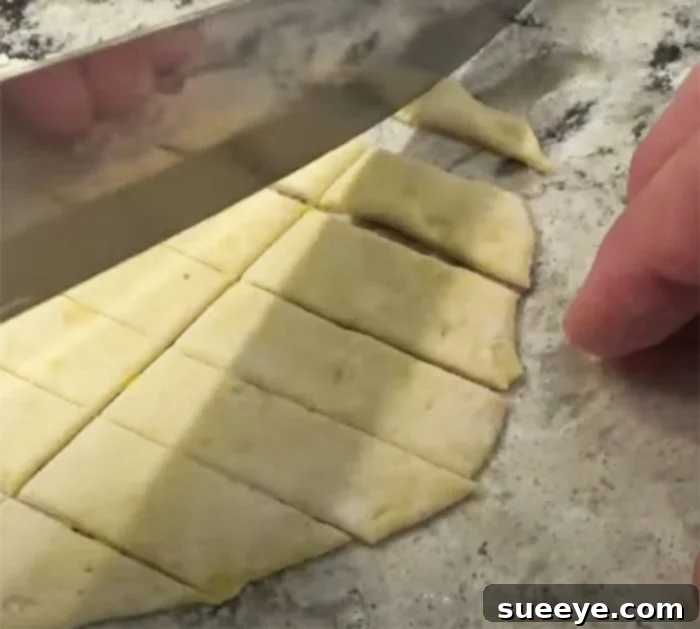
While the squirrel simmers, you can prepare the effortless dumplings using refrigerated biscuits. On a lightly floured surface, take each biscuit and roll it out until it’s about ¼-inch thick. This step helps create a thinner, more tender dumpling. Once rolled, cut each biscuit into small, uniform squares, approximately 1×1 inch. The size is flexible, but consistent pieces will cook more evenly. Set these prepared dumplings aside, ready to be added to the stew later. The beauty of using canned biscuits lies in their convenience; they save a considerable amount of time without compromising the classic comfort of homemade dumplings.
Step 3: Assembling and Simmering the Stew
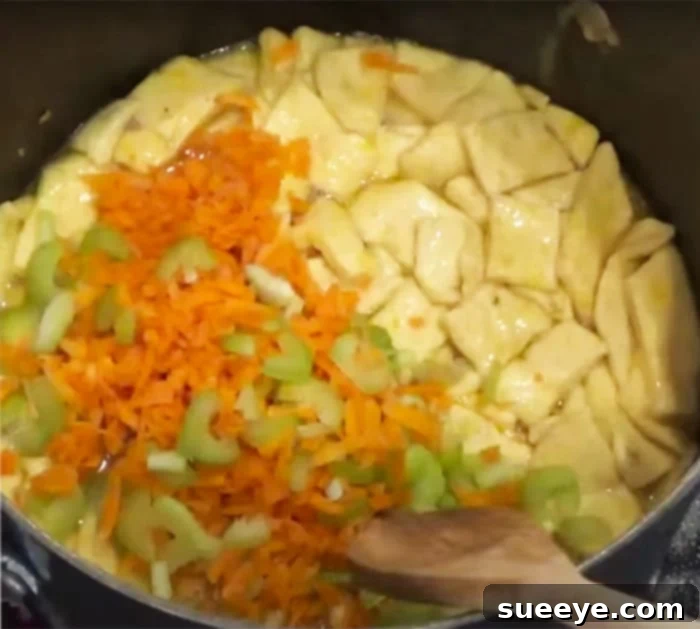
Once your squirrel is shredded and your dumplings are ready, it’s time to bring everything together. In a large pot or Dutch oven, combine the 4-6 cups of chicken stock (and any reserved squirrel cooking liquid). Bring the stock to a boil. Once boiling, add the shredded squirrel meat, along with the chopped carrots and diced celery. Stir well to combine all the ingredients. Reduce the heat to a gentle simmer. Carefully drop the prepared biscuit squares into the simmering broth. Do not overcrowd the pot; add them in batches if necessary to ensure even cooking. Once all the dumplings are added, cover the pot tightly and let the stew simmer for approximately 20 minutes. During this time, the dumplings will cook through, becoming light and fluffy, and the vegetables will soften, melding their flavors with the rich broth and tender squirrel. For visual guidance and additional expert tips, remember to watch Phil Crockett’s full tutorial on YouTube for comprehensive instructions and details.
Serving Suggestions and Customization for Your Squirrel and Dumplings
Once your squirrel and dumplings are ready, bubbling with rich aroma, it’s time to savor the fruits of your labor. This dish is a complete meal in itself, offering protein, vegetables, and a comforting carbohydrate, making it perfect for a hearty dinner. To truly enhance the experience, serve it piping hot in deep bowls, perhaps with a sprinkle of fresh parsley for a touch of color and brightness. It pairs wonderfully with a side of cornbread to soak up any leftover broth, or a simple green salad for a fresh contrast. Some might enjoy a dash of hot sauce for an extra kick, or a dollop of sour cream for added creaminess.
Making it Your Own: Variations and Additions
While the recipe provides a fantastic foundation, feel free to customize it to your personal taste. Consider adding other root vegetables like diced potatoes or parsnips for extra heartiness. A chopped onion and a few cloves of minced garlic sautéed briefly before adding the stock can deepen the aromatic profile. For those who enjoy a spicier kick, a pinch of red pepper flakes can be incorporated. Fresh herbs such as thyme, rosemary, or bay leaves added during the simmering phase will infuse the stew with even more complexity. If you’re feeling ambitious, you could also experiment with homemade dumplings, though the convenience of canned biscuits is hard to beat for a quick meal.
This recipe also serves as an excellent blueprint for other wild game. If squirrel isn’t available, or if you prefer a different kind of game, rabbit or even certain cuts of venison could be prepared in a similar fashion. The key is to ensure the meat is slow-cooked until incredibly tender, allowing it to meld seamlessly with the rich broth and fluffy dumplings. This adaptability ensures that the spirit of this comforting dish can be enjoyed by a broader audience of wild game enthusiasts.
Embracing the Wild Game Culinary Experience
Overall, making squirrel and dumplings is a fantastic way to celebrate the bounty of hunting season and explore the rich flavors of wild game. It provides a wonderful variety to typical preparations like fried squirrel, offering a complete and satisfying meal with every component. It’s inspiring to see how people creatively utilize what nature provides, turning humble ingredients into extraordinary dishes. For those who might not have considered squirrel as a culinary option, this recipe truly opens up new perspectives. If I ate squirrel, I would undoubtedly try this recipe out; its convenience, coupled with the nostalgic comfort of chicken and dumplings, makes it an irresistible prospect. It’s a journey back to a time of resourcefulness and simple, delicious eating, proving that some of the best meals come from traditions rooted in nature’s offerings.
This dish is not just about eating; it’s about connecting with a heritage of self-sufficiency, appreciating the cycle of nature, and transforming wild-caught game into nourishing, soul-satisfying food. It’s an invitation to step outside the conventional and embrace a truly authentic culinary adventure. So, whether you’re a seasoned hunter or simply curious about exploring wild game cuisine, this squirrel and dumplings recipe is a must-try. It promises a truly unique and delicious experience that embodies the true spirit of comfort food.