
Craft Your Own Rustic Industrial Masterpiece: The DIY Barn Pulley Light Fixture
In a world increasingly dominated by mass-produced goods, there’s an undeniable allure to crafting something with your own hands – especially when it results in a truly unique conversation piece for your home. Imagine a lighting fixture that not only illuminates your space but also tells a story, blending the robust history of industrial design with the warm, inviting appeal of rustic charm. This isn’t just any DIY project; it’s an opportunity to create a stunning focal point, a bespoke element that perfectly captures the sought-after aesthetic of vintage industrial decor. When we first encountered the concept of transforming an antique barn pulley into a functional, beautiful light, we knew immediately it was a project we simply had to undertake for our own homes. The raw, authentic character exuded by such a piece promises to infuse any room with an unparalleled sense of history and warmth, making it far more than just a light source – it’s a statement that reflects your personal style and ingenuity.
The Timeless Appeal and Rich History of Barn Pulleys
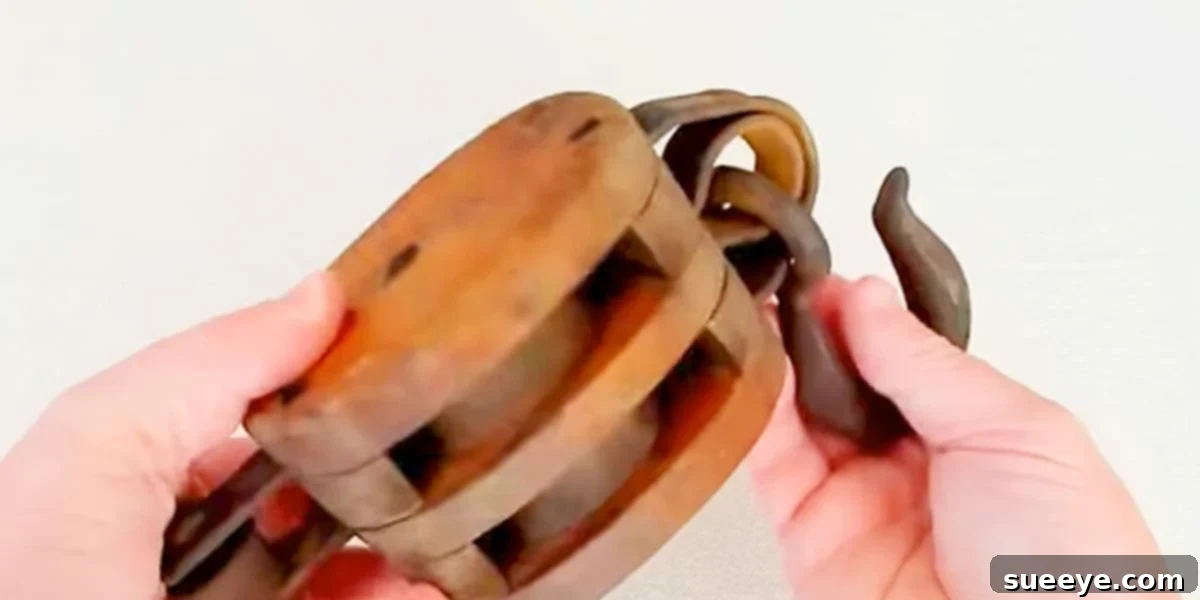
For centuries, the humble pulley has stood as a testament to simple yet powerful engineering, diligently performing the heavy lifting that shaped industries and simplified daily tasks. While their applications have been incredibly diverse, from maritime rigging to construction sites, perhaps none are as iconic and collectible today as the barn pulleys. These sturdy workhorses, typically featuring robust wood sheaves (the wheels) nestled within durable cast-iron housings, evoke images of a bygone agricultural era. They are more than just old tools; they are relics of ingenuity and perseverance, each bearing the marks of a working past.
In the late 1800s, as American agriculture began to mechanize, barn pulleys became indispensable tools on farms across the nation. Their primary role was revolutionary: to efficiently move vast quantities of hay from horse-drawn carts directly into the cavernous lofts of barns. This mechanized system offered a profound antidote to the back-breaking, often exhaustive labor of traditional hay slinging with a pitchfork. Farmers no longer had to rely solely on brute strength; instead, a system of ropes and pulleys, often powered by draft animals, could elevate tons of feed with relative ease. This innovation significantly increased efficiency, saved countless hours of arduous work, and ultimately transformed the productivity of farms. The very materials – the weighty cast iron, the dense, often weathered wood – speak volumes about their intended purpose: enduring strength and unwavering reliability, designed to withstand the rigors of farm life for generations.
Today, these historical artifacts have transcended their original utilitarian purpose. Their inherent beauty, born from years of honest work and exposure to the elements, has made them highly coveted decorative items. The rich patina, a natural result of age and oxidation on the cast iron, coupled with the characterful wear on the wooden sheaves, tells a unique story. Each scratch, each faded mark, is a whisper from the past, adding depth and authenticity that modern replicas simply cannot replicate. This blend of rugged functionality and aged aesthetic makes them perfect candidates for upcycling into striking home decor, especially as a centerpiece for unique lighting solutions that echo a simpler, more industrious time.
Inspired Innovation: Why DIY This Unique Industrial-Look Fixture?
The inspiration for this particular project stemmed from a common scenario: admiring a high-end, industrial-look fixture in a glossy home decor catalog, only to be deterred by its exorbitant price tag. With some models soaring upwards of $500, acquiring such a statement piece can often feel out of reach for many homeowners. However, for the creative and resourceful individual, such price points present not a barrier, but an exciting challenge. The vision was clear: to replicate that captivating industrial aesthetic, with its exposed elements and vintage charm, but for a mere fraction of the retail cost. This DIY approach empowers you to bypass the hefty markups and directly engage with the creation process, resulting in a piece that is not only budget-friendly but also imbued with a profound sense of personal satisfaction and accomplishment.
The core of this project, a genuine barn pulley, can be sourced from various places, often at surprisingly values. While our chosen pulley, acquired for $22, wasn’t the absolute cheapest we encountered (prices can range anywhere from a modest $3 for a well-worn piece to $75 or more for a particularly large or well-preserved example), it was selected for its exceptional condition, cleanliness, and the exquisite, well-developed patina that instantly lent it an authentic, aged character. The beauty of these salvaged pieces lies in their individuality; no two are exactly alike, ensuring your fixture will be truly one-of-a-kind. Finding the right pulley is often the most enjoyable part of the hunt, as it involves exploring antique shops, flea markets, architectural salvage yards, and online marketplaces, each offering its own unique treasures and contributing to the narrative of your finished piece.
Gathering Your Materials: Crafting Affordability and Style
Beyond the primary pulley, the beauty of this DIY project lies in its modular nature and the relatively accessible cost of additional components. To achieve the desired multi-pulley look and secure mounting, we integrated a second, smaller screw-base pulley and a sturdy cast-iron bracket. These foundational pieces, essential for both aesthetic balance and functional support, were a fantastic find at a local garage sale, costing us only $8 for the pair. This highlights the potential for significant savings through smart sourcing and a keen eye for treasure in unexpected places, proving that high style doesn’t always come with a high price tag. Garage sales, thrift stores, and even online classifieds can be goldmines for these unique, budget-friendly components.
The electrical components are where you can truly refine the vintage industrial appeal. We opted for a high-quality, cloth-covered cord, reminiscent of early 20th-century wiring, which adds an undeniable layer of authenticity and visual texture. Paired with a classic brass light socket and an Edison-style bulb, known for its visible, decorative filament and warm, inviting glow, these elements collectively amounted to approximately $40 from a specialized lamp supply shop. The Edison bulb, in particular, is crucial for capturing that iconic vintage industrial vibe, casting a soft, ambient light that enhances the overall rustic aesthetic. While the initial investment in these quality components might seem a little higher than standard parts, their contribution to the fixture’s overall charm, character, and crucially, safety, is invaluable. For enhanced protection of your decorative bulb and to further lean into the industrial aesthetic, you might also consider adding a robust metal bulb cage. These cages are not only practical, preventing accidental damage to the bulb, but also add another layer of visual interest, reinforcing the utilitarian origins of the design and completing the authentic industrial look.
When considering all components—the main pulley, additional hardware, cord, socket, and bulb—the total investment for a DIY fixture often hovers around $70-$90, a dramatic contrast to the hundreds of dollars charged for similar catalog items. This stark difference underscores the incredible value and personal reward inherent in undertaking such a project yourself. It’s not just about saving money; it’s about investing your time and creativity into something tangible and beautiful, something that truly tells a story in your home.
Planning Your Project: Key Considerations for a Safe and Stunning Outcome
Before diving into the assembly, a thoughtful planning phase will ensure a smooth and successful outcome. The first step involves assessing where your new light fixture will reside. Consider the existing decor of the room; will this rustic industrial piece complement a modern minimalist space, or enhance an already farmhouse-themed kitchen? Its versatility is one of its strengths, but thoughtful placement will maximize its impact. Furthermore, evaluate the ceiling height and available space. A pulley fixture, especially one with multiple elements, often has a significant drop, so ensure it won’t impede movement or feel overwhelming in a smaller area. Proper spacing is key to maintaining aesthetic balance and functionality.
Another critical aspect is structural support. Authentic barn pulleys, particularly larger ones, can be surprisingly heavy. Before installation, it’s imperative to identify a ceiling joist or suitable blocking capable of bearing the fixture’s weight safely. Never rely solely on drywall anchors for such a substantial piece; the potential for damage or injury is too great. Safety should always be paramount throughout the planning and installation phases. If you are uncertain about your ceiling’s capacity or the proper method for securing heavy fixtures, it is always advisable to consult with a qualified professional. Additionally, while the electrical wiring for a single pendant light might seem straightforward, understanding basic electrical principles and safety precautions is crucial. Ensure all connections are secure, insulated, and compliant with local electrical codes. If you lack experience with home electrical work, consider hiring a licensed electrician for the final hook-up to ensure everything is done correctly and safely, providing peace of mind.
Sourcing your materials also deserves careful attention. Beyond the initial pulley hunt at antique markets, many online retailers specialize in vintage-style electrical components, offering a wide array of cloth cords, brass sockets, and unique Edison bulbs in various shapes and filament designs. These specialty shops often provide high-quality, UL-listed parts, which are essential for safety and longevity. Don’t rush this part; selecting the right components will not only enhance the aesthetic appeal but also contribute to the overall durability and safety of your finished light fixture. Carefully chosen materials elevate a good DIY project to an exceptional one.
Bringing Your Vision to Life: A Glimpse into the Assembly Process
While a detailed step-by-step guide often accompanies specific tutorials (like those offered by creative DIY platforms such as Shabby DIY), understanding the general flow of assembly can help you mentally prepare for this rewarding project. The process typically begins with preparing your pulley. If you’ve acquired an antique piece, it might require a thorough cleaning to remove dirt, rust, or old grease. A wire brush, degreaser, and a bit of elbow grease can bring out its natural beauty and existing patina. Some enthusiasts opt to seal the metal with a clear coat to prevent further rust and preserve its aged look, though this is purely optional and depends on your desired aesthetic. This initial preparation ensures your pulley is not only clean but also ready for its new, illuminated life.
Next comes the careful integration of the electrical components. This involves securely wiring the light socket to your chosen cloth-covered cord. It’s important to ensure proper polarity and insulation here, following all electrical safety guidelines to prevent hazards. Once the socket is wired, the cord will be strategically threaded through your pulleys. This is where the design truly comes to life, as you determine the desired drop and tension of the cord to create the perfect display. The second, smaller screw-base pulley can be utilized to guide the cord to its final position, allowing for an elegant and functional suspension that contributes to the fixture’s dynamic appearance.
Finally, the entire assembly, including the main pulley and supporting bracket, is meticulously mounted to the reinforced ceiling joist. This step requires precision and a commitment to secure fastening. The Edison-style bulb is then screwed into the brass socket, and if you’ve chosen one, the metal bulb cage is secured around it. Each stage requires attention to detail, but the satisfaction of seeing your vision transform from individual components into a cohesive, functional, and visually striking light fixture is immeasurable. This project isn’t just about illuminating a space; it’s about crafting an atmosphere, adding a touch of personalized history and industrial elegance to your home, a testament to your hands-on creativity.
Customization and Personalization: Making It Uniquely Yours
One of the greatest advantages of DIY projects is the boundless opportunity for customization. The barn pulley light fixture is no exception, offering myriad ways to tailor it to your specific tastes and interior design. Beyond the initial choice of pulley – whether a single, double, or even triple sheave; large or small – you can experiment with various cord options. While cloth-covered cords are popular for their vintage appeal, they come in a spectrum of colors and patterns, allowing you to introduce a subtle pop of color or maintain a neutral palette that perfectly complements your existing decor. You could also explore different types of sockets, perhaps opting for a ceramic or Bakelite finish instead of brass, depending on the exact nuance of industrial style you aim for.
The choice of bulb itself offers significant creative freedom. While the Edison-style bulb is a classic for this fixture, modern LED Edison bulbs combine the vintage aesthetic with energy efficiency, providing the best of both worlds. You can also play with different bulb shapes – globe, torpedo, or tubular – to create distinct visual effects and alter the overall ambiance. For a more dramatic statement, consider incorporating multiple light sources, perhaps suspending two or three smaller pulley fixtures at varying heights, or integrating a dimmer switch to control the ambiance from bright task lighting to a soft, warm glow. Some enthusiasts even paint their cast-iron pulleys or brackets to match a specific color scheme, though many prefer to preserve the authentic, weathered patina. The possibilities are truly endless, limited only by your imagination and the boundaries of safe electrical practices, ensuring your fixture is as unique as your home.
Illuminate Your Home with History and Style
In conclusion, the DIY barn pulley light fixture stands as a testament to the powerful synergy between history, function, and personalized style. It’s more than just a lighting solution; it’s an artistic statement that breathes new life into forgotten utilitarian objects, transforming them into captivating elements of modern home decor. By undertaking this project, you’re not only saving a significant amount of money compared to commercial alternatives but also embarking on a rewarding journey of creation, resulting in a piece that holds genuine personal value and a story all its own – a story you helped write.
Embrace the rugged elegance, the industrial charm, and the undeniable character that only an authentic barn pulley can bring to your living space. This project offers a tangible connection to the past, merging the enduring strength of cast iron and wood with contemporary design sensibilities. For those eager to delve into the practical steps and visualize the assembly process, many excellent resources, including detailed video tutorials from creative DIY platforms like Shabby DIY, offer comprehensive guidance to help you successfully complete your own unique pulley light fixture. Get ready to illuminate your home with a piece that is truly one-of-a-kind, reflecting your craftsmanship, your appreciation for timeless design, and your passion for personalized home decor.