
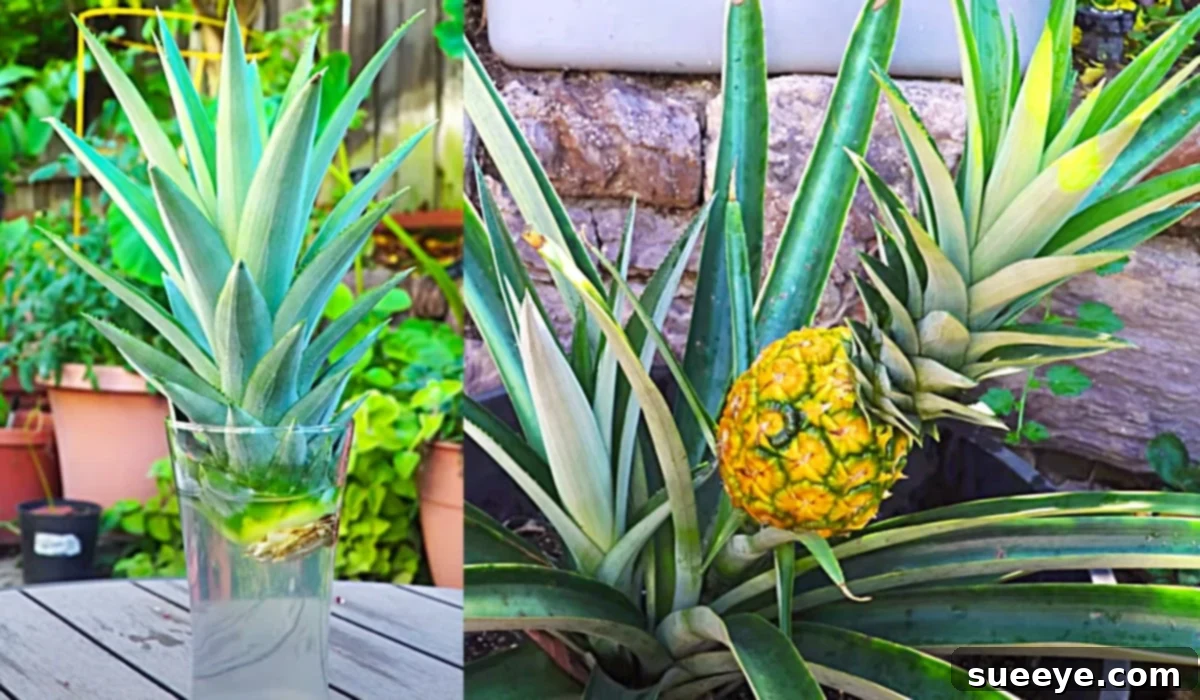
Mastering the Art of Growing Pineapples: A Comprehensive Guide to Regrowing in Containers
There’s something incredibly satisfying about enjoying fresh produce you’ve grown yourself. Among the many fruits that can brighten a home garden, the pineapple stands out as a unique and rewarding project. Imagine slicing into a sweet, juicy pineapple, knowing it came from your very own plant, cultivated with care right in your living space or backyard. Pineapples are not just a tropical delight for the palate; they’re also packed with health benefits, including the enzyme Bromelain, known for its digestive and anti-inflammatory properties, alongside essential vitamins and antioxidants.
While often associated with sunny, exotic locales, growing a pineapple doesn’t require a tropical climate if you master the art of container gardening. In fact, one of the most accessible and exciting ways to start your pineapple journey is by simply using the leafy crown of a store-bought pineapple. This sustainable approach not only reduces waste but also provides a fascinating educational experience for gardeners of all levels. Inspired by amazing resources like California Gardening on YouTube, countless enthusiasts have discovered the joy of transforming a discarded fruit top into a thriving, beautiful plant, eventually yielding its own delicious fruit.
Why Embark on Your Own Pineapple Growing Journey?
Beyond the simple pleasure of fresh fruit, cultivating your own pineapple offers a multitude of benefits:
- Sustainable Living: By regrowing a pineapple from its top, you actively participate in reducing food waste and embracing a more circular economy in your kitchen and garden.
- Personal Satisfaction: There’s an unmatched sense of accomplishment that comes from nurturing a plant from its humble beginnings to a fruit-bearing stage. It’s a testament to patience and care.
- Cost-Effective Gardening: Your initial investment is simply the pineapple you buy to eat. Everything else you need is likely already in your home or easily acquired, making it an incredibly budget-friendly gardening project.
- Unique Houseplant: Even before it fruits, a pineapple plant with its striking, spiky foliage makes for an attractive and exotic houseplant. It adds a touch of tropical elegance to any room.
- Freshness and Flavor: Homegrown pineapples often boast a superior flavor profile compared to store-bought varieties, as they can be harvested at peak ripeness and enjoyed immediately.
- Educational Project: It’s a wonderful learning opportunity for children and adults alike, teaching about plant biology, patience, and the rewards of sustained effort.
Understanding the Pineapple Plant: A Tropical Marvel
The pineapple, scientifically known as Ananas comosus, is a member of the Bromeliad family, renowned for its ability to thrive in warm climates. What makes the top of a pineapple so special for propagation is its meristematic tissue – a region of active cell division located at the base of the crown. This tissue has the potential to develop into roots, allowing the plant to regenerate. While pineapples adore heat and sunshine, their adaptability to container growing means even those in cooler climates can successfully cultivate them indoors or move them outdoors during warmer months.
Essential Materials for Regrowing Pineapple in Containers
Starting your pineapple growing adventure requires only a few basic items, many of which you might already have:
- A Fresh, Ripe Pineapple: The star of our show! Choose a pineapple with healthy, green, firm leaves and no signs of disease, rot, or insect damage on the crown. It should feel heavy for its size and ideally have a sweet aroma at the base.
- A Sharp Knife: Essential for a clean cut if you choose to slice the crown off, though twisting is often preferred. A clean knife minimizes the risk of introducing bacteria.
- A Glass or Jar: A clear glass allows you to observe the root development, providing fascinating insight into the plant’s growth process. Ensure it’s large enough to support the crown without the leaves touching the water.
- Clean Water: Room temperature tap water works perfectly. You’ll be changing this regularly to keep it fresh.
- A Plant Container (with drainage holes): Start with a pot around 6-8 inches in diameter. As your plant grows, you’ll eventually need a larger one (up to 10-15 gallons) to accommodate its size and root system, especially if you hope for fruit. Terracotta pots can provide better aeration, while plastic retains moisture more effectively.
- Well-Draining Potting Soil: This is crucial. Pineapples detest soggy feet. A good mix would be a standard potting mix amended with perlite, sand, or coco coir to enhance drainage. A slightly acidic pH (5.5 to 6.5) is ideal.
Step-by-Step Directions for Regrowing a Pineapple
1. Preparing the Pineapple Crown for Rooting
This initial step is vital for success. You need to separate the leafy crown from the fruit while preserving the base where roots will emerge. There are two primary methods:
- Twisting Method: Hold the pineapple with one hand and firmly grasp the leafy crown with the other. Twist the crown until it cleanly separates from the fruit. This method often removes a small core of fruit flesh, which is beneficial as it minimizes residual fruit that could rot.
- Cutting Method: If twisting is difficult, use a sharp, clean knife to slice off the top 1 inch of the pineapple, leaving some fruit attached to the crown. Carefully trim away any remaining fruit flesh from the base of the crown, ensuring no sugary residue is left behind. This is critical to prevent mold and rot.
Once separated, peel off several layers of the small, lower leaves from the base of the crown. You should expose about 1-2 inches of the bare stem. This exposed area contains the root primordia – the dormant root nodes that will awaken in water. After preparing, it’s highly recommended to let the crown dry or “cure” in a cool, dry place for 1-2 days. This allows the cut surface to callus over, significantly reducing the risk of rot once it’s placed in water or soil.
2. Water Propagation: Encouraging Root Growth
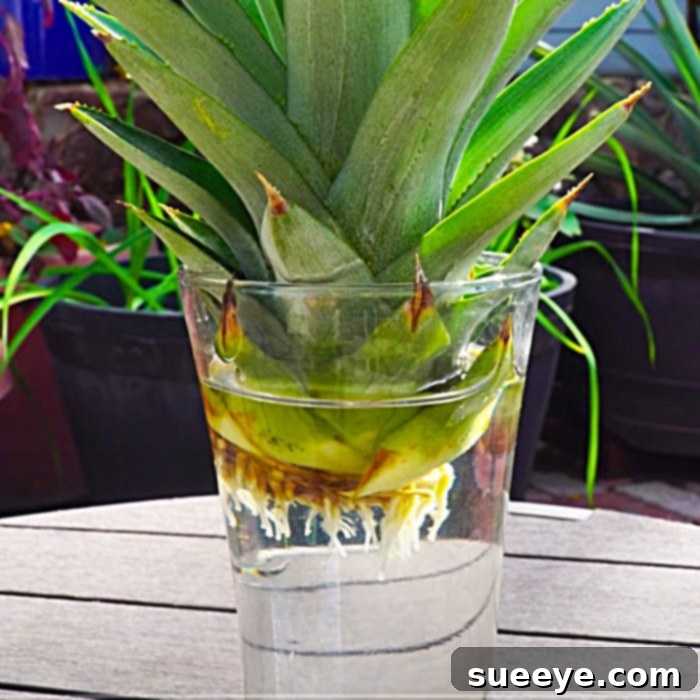
After the crown has cured, it’s ready for its first bath. Fill your glass or jar with about an inch of clean, room-temperature water. Place the pineapple crown into the glass, ensuring that only the bare stem is submerged and the bottommost leaves are well above the waterline. Position the glass in a spot that receives bright, indirect sunlight and maintains a warm temperature. Avoid direct, intense sunlight at this stage, as it can overheat the water and stress the crown.
The key to successful water propagation is vigilance. Change the water daily, or at least every other day, to prevent the buildup of bacteria and mold, which can quickly lead to rot. Within a few weeks, you should start to see small white roots emerging from the base of the stem. Patience is crucial here; some crowns may take longer than others, sometimes up to a month or more to show significant rooting. If you notice any signs of mushiness or foul odor, remove the crown, trim any affected parts, and try again with fresh water and a clean glass.
3. Planting the Rooted Crown
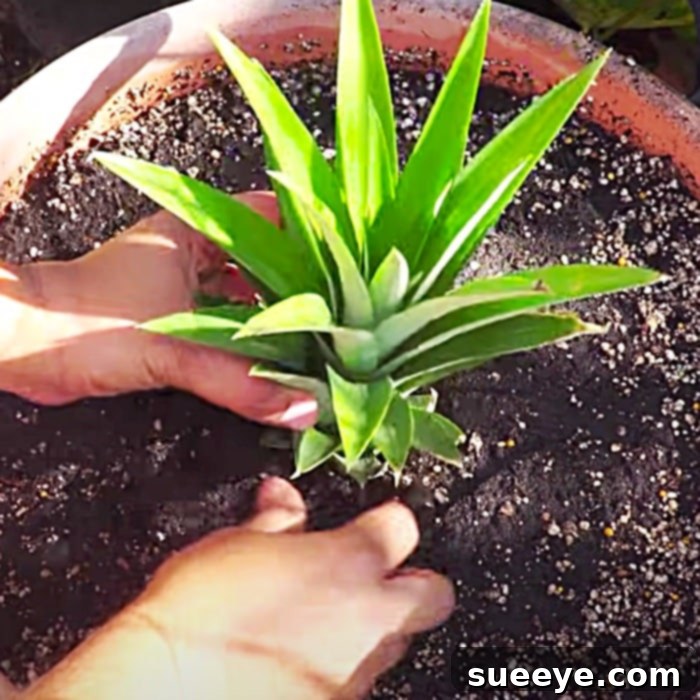
Once the roots are about 1-2 inches long and well-developed, your pineapple crown is ready for its permanent home in the soil. Choose a pot that is approximately 6-8 inches in diameter with excellent drainage holes. Fill it with your chosen well-draining potting mix, leaving about an inch of space from the rim.
Create a small depression in the center of the soil. Carefully place the rooted pineapple crown into the hole, ensuring that the base of the crown (where the roots emerge) is covered by soil, but the lowest leaves are still above the soil line. Gently firm the soil around the base to provide stability, being careful not to damage the delicate new roots. Water the plant thoroughly immediately after planting until water drains from the bottom of the pot. This helps settle the soil around the roots. For the first few weeks, keep the newly potted plant in a bright location but out of intense, direct afternoon sun to allow it to acclimate.
Ongoing Care for Your Thriving Pineapple Plant
Once planted, your pineapple will need consistent care to grow into a robust, fruit-producing specimen:
- Sunlight Requirements: Pineapple plants are sun-lovers. They thrive in full sun, meaning at least 6-8 hours of direct sunlight per day. If growing indoors, place your plant in the brightest south-facing window possible. Consider supplementing with a grow light during shorter winter days to ensure adequate light exposure.
- Watering Schedule: Water thoroughly when the top 1-2 inches of soil feel dry to the touch. Pineapples are somewhat drought-tolerant but perform best with consistent moisture. However, avoid overwatering at all costs, as this is the quickest way to cause root rot. Ensure excess water drains freely from the pot.
- Fertilization: During the active growing season (spring and summer), feed your pineapple plant every 2-4 weeks with a balanced liquid fertilizer or a slow-release granular fertilizer. Opt for a formula that is slightly acidic, suitable for bromeliads or acid-loving plants. Reduce or stop fertilization during fall and winter.
- Temperature and Humidity: Being tropical plants, pineapples prefer warm temperatures, ideally between 65-95°F (18-35°C). Protect them from frost or temperatures below 50°F (10°C). They also appreciate high humidity. If your indoor environment is dry, consider misting the leaves occasionally or placing the pot on a pebble tray filled with water (ensuring the pot doesn’t sit directly in the water).
- Repotting: As your pineapple plant grows, its root system will expand, and it will eventually become root-bound. You’ll notice growth slowing down, and roots might start emerging from the drainage holes. When this happens, repot your plant into a larger container, progressively moving up to a 10-15 gallon pot for a mature plant.
- Pest and Disease Management: Pineapple plants are generally hardy, but they can occasionally encounter pests like mealybugs or scale insects. Inspect your plant regularly. If pests are found, treat them with neem oil or insecticidal soap. Good air circulation and proper watering can prevent most fungal issues.
Patience is a Virtue: Flowering and Fruiting
This is where patience truly pays off! A pineapple plant grown from a crown can take anywhere from 1.5 to 3 years to flower and produce fruit. Don’t be discouraged by the wait; the journey itself is rewarding. The plant will first grow into a sizable, lush green specimen. When it’s mature and healthy, it will eventually send up a central flower stalk, culminating in a beautiful purple flower that later develops into a small, green pineapple. The fruit will then slowly mature, changing color and growing larger over several months.
You can sometimes encourage flowering in a mature plant by placing ripe apples or bananas near its base and covering the plant with a plastic bag for a few days. The ethylene gas released by the ripening fruit can trigger the flowering process. However, ensure the plant is already mature enough to support fruiting before attempting this.
Harvesting Your Homegrown Treasure
Knowing when to harvest your pineapple is key to enjoying its peak sweetness and flavor. Look for these signs:
- Color Change: The skin of the pineapple will begin to change from green to yellow, starting from the base and moving upwards.
- Aroma: A ripe pineapple will emit a distinct, sweet, and tropical fragrance from its base.
- Firmness: While the skin will soften slightly, the fruit should still feel firm when gently squeezed.
- Ease of Plucking: The fruit should be relatively easy to twist or pull from the plant with a gentle tug.
Once harvested, simply twist or cut off the crown again, and if it’s healthy, you can start the entire process anew, creating a continuous cycle of homegrown pineapples!
Conclusion: The Sweet Reward of Your Efforts
Regrowing a pineapple from its crown is more than just a gardening project; it’s an adventure in sustainable living, a lesson in patience, and a pathway to enjoying the freshest, most flavorful fruit possible. While it may take some time to harvest your first homegrown pineapple, the journey of nurturing this exotic plant is incredibly rewarding. From the simple act of preparing the crown to watching the roots emerge, and finally, witnessing a tiny fruit transform into a ripe, golden treasure, every step is a testament to nature’s marvels and your dedication.
So, next time you’re enjoying a delicious pineapple, don’t discard the top! Give it a chance to become a vibrant, fruit-producing plant. You’ll not only be adding a unique tropical touch to your home but also contributing to a greener, more sustainable lifestyle. Happy growing!