
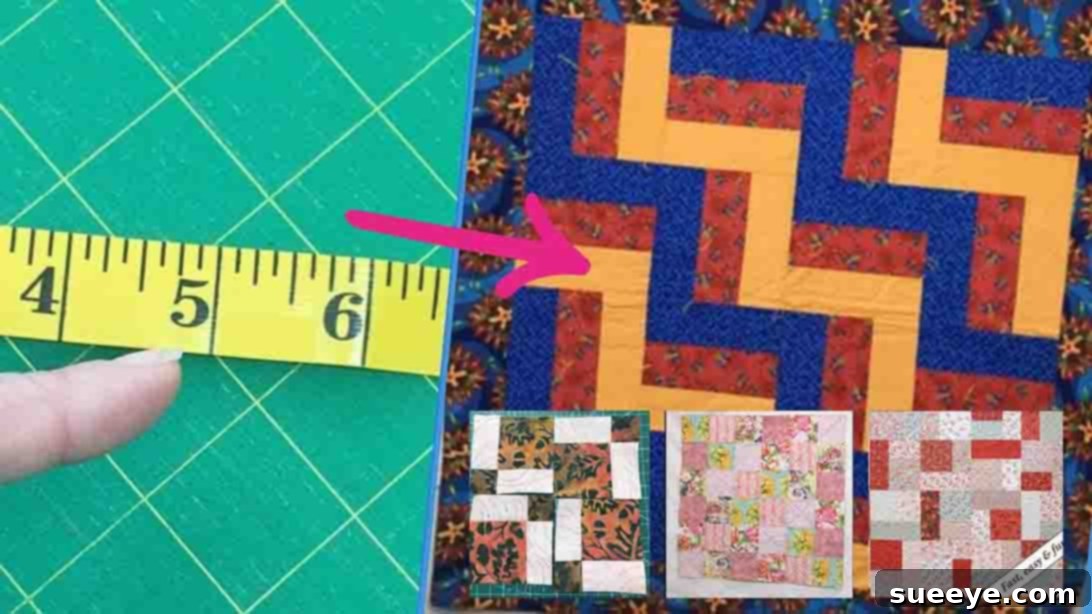
Top 5 Easy Quilt Patterns for Beginners: Your Perfect Starting Point
Are you eager to dive into the rewarding world of quilting but feel overwhelmed by complex patterns and intricate techniques? You’ve come to the right place! Quilting is a beautiful craft that combines creativity, precision, and the immense satisfaction of creating something tangible and warm. For newcomers, selecting the right pattern is absolutely crucial for building confidence, developing fundamental skills, and avoiding unnecessary frustration. That’s why we’ve carefully curated a list of the top 5 beginner-friendly quilt patterns that are not only straightforward to master but also deliver beautiful, quick results.
We firmly believe these five patterns offer the ideal gateway into your quilting adventure. They focus on teaching essential techniques such as accurate cutting, consistent piecing, and thoughtful fabric layout, all while ensuring you complete your project with a stunning quilt you’ll be incredibly proud of. Even seasoned quilters frequently revisit these designs when they need a fast, satisfying project or want to showcase a particular fabric collection. Prepare to embark on your creative journey with these fantastic patterns, expertly demonstrated and championed by True Blue Quilts on YouTube. Let’s explore these wonderful and approachable quilt patterns together!
Why Beginner-Friendly Quilt Patterns Are Your Best Bet
Starting your quilting journey with simple patterns is paramount for a successful and enjoyable experience. Firstly, these patterns provide a low-pressure environment to learn and practice foundational skills. You’ll become proficient with tools like the rotary cutter, achieve a consistent seam allowance on your sewing machine, and master the art of pressing seams correctly – all without the added complexity of intricate designs. Secondly, quick-finish projects offer immediate gratification. There’s an incredible boost of motivation that comes from seeing your fabric pieces rapidly transform into a beautiful quilt top, encouraging you to continue learning and creating.
Furthermore, many beginner-friendly patterns often utilize pre-cut fabrics, such as jelly rolls or fat quarters. This significantly reduces the most time-consuming part of quilting – the initial fabric cutting – allowing you to jump straight into the exciting sewing phase. By removing these early barriers, these patterns empower new quilters to build essential skills incrementally, foster creativity, and ultimately complete a project from start to finish. This hands-on experience is invaluable and lays a solid foundation for tackling more complex designs in the future.
#1 The Speedy Jelly Roll Race Quilt: A Dash to Finish
If your goal is to complete a stunning quilt top with remarkable speed and minimal fuss, the Jelly Roll Race Quilt is undoubtedly the champion. This pattern has earned legendary status for its lightning-fast assembly and inherent simplicity, making it a beloved choice for both novices and experienced quilters alike. The secret to its efficiency lies in the “jelly roll” itself – a convenient, pre-packaged bundle typically containing 40 (or sometimes 20) strips of fabric, each precisely 2.5 inches wide and 42 inches long. These coordinated fabric collections eliminate the need for extensive fabric selection, matching, and the laborious process of cutting individual strips, allowing you to bypass straight to the sewing machine.
The construction process is brilliantly straightforward: you begin by sewing all your jelly roll strips together, end-to-end, forming one extraordinarily long, continuous strip. Once this lengthy strip is prepared, you then fold it in half lengthwise, sew the raw edges together, fold it again, and repeat the sewing process. Each pass through your sewing machine sees your quilt top magically expand, growing wider and wider with surprising speed, much like a spiraling race. Before you know it, you’ll have a complete quilt top ready for batting and backing, often in just a few hours. This method is incredibly forgiving, beautifully showcases the diverse fabrics within a jelly roll, and provides an exhilarating sense of accomplishment for any budding quilter.
#2 Classic Patchwork Quilt: The Foundation of Quilting
The term “patchwork” is almost synonymous with quilting itself, and for excellent reasons. A traditional patchwork quilt, particularly one constructed from simple squares, serves as the fundamental building block of this intricate craft. This foundational pattern meticulously teaches you the very essence of piecing fabrics together to create a larger, cohesive design. Starting with squares is an unparalleled approach for beginners because it simplifies both the cutting process and the demands of sewing precise seams. You will meticulously learn to cut accurate squares, sew them together in orderly rows, and then join these rows to form your expansive quilt top. This systematic process inherently reinforces the critical importance of maintaining a consistent 1/4-inch seam allowance – an absolute cornerstone skill for any quilter.
What makes the basic patchwork quilt truly captivating, despite its apparent simplicity, is the boundless array of layout possibilities it offers. Once you have meticulously created a collection of individual squares, you seamlessly transition into the role of a designer. You possess the creative freedom to arrange them in a rigid grid for a clean, minimalist aesthetic, or you can dynamically play with color and value to conjure stunning checkerboard patterns, vibrant stripes, or even an entrancing gradient effect. This pattern actively encourages creative exploration, allowing you to experiment with a wide spectrum of fabric choices – from harmonious solids to whimsical, playful prints. It’s an empowering and enlightening experience that unequivocally demonstrates how even the most rudimentary shapes can yield magnificent and visually complex results, thereby providing a perfect and robust foundation for your ongoing quilting journey.
#3 Dynamic Rail Fence Quilt: Mastering Strip Piecing
The Rail Fence quilt pattern offers an excellent progression for beginners eager to move beyond basic squares and delve into more dynamic designs. It serves as a fantastic introduction to strip piecing, a highly efficient technique where multiple fabric strips are sewn together along their long edges to create a “strip set” before being cut into individual blocks. For the Rail Fence, you typically sew two, three, or four strips of varying widths and/or colors in a sequence. Once sewn and carefully pressed, these strip sets are then cross-cut into smaller, uniform segments. Each of these segments then becomes a distinct Rail Fence block.
The true charm and versatility of the Rail Fence pattern come alive during the layout stage. By simply rotating these rectangular blocks, you can unlock a multitude of captivating visual effects. Arrange all blocks in the same orientation for a classic striped look, alternate their direction to form a dynamic zig-zag pattern, or strategically orient them to create an intricate illusion of woven fabric. This pattern is superb for practicing accurate strip cutting and maintaining consistent seam allowances across longer lengths of fabric. Simultaneously, it provides a wonderful opportunity to explore how the simple orientation of a block can dramatically alter the overall aesthetic and perceived complexity of your quilt. It’s a quick and satisfying project that consistently looks far more intricate than its actual construction, significantly boosting your confidence in your developing quilting skills.
#4 Timeless Turning Twenty Quilt: A Classic with Convenience
The Turning Twenty quilt pattern has a rich history and has firmly established itself as a timeless favorite among quilters of all proficiency levels, particularly shining as an ideal choice for beginners. Its enduring popularity is rooted in its remarkable ability to create a substantial, impressive, and often full-sized quilt top using a relatively modest number of fabric pieces: precisely 20 fat quarters. For those new to quilting terminology, a “fat quarter” is a generously sized piece of fabric, typically measuring 18 x 22 inches, which is cut from a full yard of fabric. These pre-cut bundles are exceptionally convenient for beginners as they provide a pre-selected, coordinating assortment of fabrics, eliminating the need to purchase large quantities of yardage and simplifying fabric choice.
The true genius of the Turning Twenty pattern lies in its specific, yet beautifully straightforward, cutting and layout instructions. You will learn to precisely cut your fat quarters into various smaller rectangles and squares, and then follow an intuitive and simple assembly method. The brilliance of the design is in how these seemingly simple individual units combine seamlessly to create a sophisticated and visually engaging block that appears far more intricate than its underlying construction suggests. This pattern is exceptionally beneficial for developing and honing your precision cutting skills, as well as gaining a deeper understanding of how different sized pieces can fit together harmoniously to form a cohesive and striking whole. The end result is a gorgeous, often full-sized, quilt that boasts a professional finish, offering immense satisfaction and a significant sense of accomplishment for any budding quilter.
#5 The Magical Disappearing Nine-Patch Quilt: A Transformation in Fabric
Once you’ve successfully completed a few simpler projects and have gained a solid foundation in your cutting and piecing skills, the Disappearing Nine-Patch quilt pattern presents itself as the perfect, exciting next step. This pattern is genuinely magical in its ability to transform a very basic block into something remarkably intricate and visually captivating with just a few strategic cuts. You begin by constructing a classic nine-patch block – this involves simply sewing together nine squares (arranged in three rows of three) to form a larger, cohesive square. This foundational step provides excellent practice for maintaining consistent seam allowances and accurately matching points, which are crucial skills.
The “disappearing” aspect of the pattern comes into spectacular play after your initial nine-patch block is fully assembled and pressed. You then make two precise cuts through the exact center of the block, one horizontally and one vertically, effectively dividing the original nine-patch into four smaller, unequal-sized units. The true fun and creativity ignite as you begin to rearrange and reorient these four newly cut units. By simply rotating them and experimenting with their placement, you can create a surprising array of secondary patterns, dynamic movements, and fascinating optical illusions. What began as a simple grid transforms into a complex-looking, dynamic design with minimal effort. This pattern not only significantly boosts your confidence in both cutting and piecing but also strongly encourages creative exploration in layout, ensuring that each Disappearing Nine-Patch quilt you create will be uniquely yours and wonderfully exciting.
Essential Tools for Your Beginner Quilting Journey
To successfully embark on your exciting quilting adventure, having the right basic tools at hand can make an immense difference, significantly smoothing your learning curve and enhancing your overall experience. While you certainly don’t need a professional-grade studio filled with specialized equipment, a few key items will prove invaluable:
- Sewing Machine: Any basic sewing machine capable of performing a straight stitch will work perfectly for all these beginner patterns.
- Rotary Cutter: A sharp rotary cutter (a 45mm size is commonly recommended for general use) enables quick, clean, and highly accurate cuts through multiple layers of fabric.
- Self-Healing Cutting Mat: An indispensable item that protects your work surfaces and prolongs the life of your rotary blade.
- Acrylic Rulers: Essential for precise measurements and guiding your rotary cutter for perfectly straight cuts. A 6″ x 24″ ruler and a versatile square ruler (such as a 6.5″ or 12.5″ square) are excellent starting points.
- Fabric Shears: A good pair of fabric-only scissors will be useful for trimming threads, clipping curves, or making occasional fabric cuts not suited for the rotary cutter.
- Iron and Ironing Board: Absolutely crucial for pressing seams open or to one side. Proper pressing ensures your blocks lie flat, reduces bulk, and helps your quilt top come together accurately and squarely.
- Good Quality Thread: A strong, medium-weight 100% cotton thread is generally recommended for piecing quilting fabrics.
- Straight Pins or Fabric Clips: These are vital for holding fabric pieces securely together before you sew, ensuring alignment and preventing shifting.
Top Tips for Successful Beginner Quilting
As you delve into these exciting and approachable quilt patterns, keep these practical tips in mind to ensure a smooth, enjoyable, and rewarding quilting experience:
- Measure Twice, Cut Once: Accuracy in cutting is paramount in quilting. Take your time with the rotary cutter and ruler, ensuring every cut is precise before you make it.
- Consistent Seam Allowance: The standard quilting seam allowance is 1/4 inch. Practice this relentlessly until it becomes second nature. A ‘scant’ 1/4 inch (a tiny bit less than a full 1/4 inch) is often preferred by experienced quilters to account for the thread’s thickness.
- Pressing is Your Secret Weapon: Never underestimate the transformative power of proper pressing. It helps your seams lie flat, minimizes bulk, and is critical for ensuring your quilt blocks are square and accurate.
- Don’t Fear Mistakes: Every single quilter, regardless of their experience level, makes mistakes. A seam ripper is an indispensable tool and your best friend! Embrace the learning process, and view errors as opportunities to improve.
- Start Simple, Then Grow: These patterns are chosen for a reason – their simplicity. Master the fundamental techniques with these designs before attempting more complex patterns.
- Utilize Visual Tutorials: Videos, such as the fantastic resources provided by True Blue Quilts on YouTube, are incredibly invaluable visual aids that can guide you through each step.
- Enjoy the Creative Process: Remember that quilting is a journey of creativity, relaxation, and personal expression, not just a race to the finish line. Savor the moments of making, learning, and accomplishment.
Ready to Stitch Your First Quilt?
There you have it – five incredibly accessible and immensely rewarding quilt patterns, each perfectly suited for beginners. Every one of these designs offers a unique and valuable learning experience, helping you build a strong and confident foundation in quilting while simultaneously creating something truly beautiful. From the lightning-fast assembly of the Jelly Roll Race to the magically transforming Disappearing Nine-Patch, you are now equipped with the essential knowledge and inspiration to choose your very first exciting quilting project.
Don’t hesitate any longer to unleash your inner quilter! Gather your chosen fabrics, set up your sewing machine, and confidently pick one of these fantastic patterns to begin. Remember to continually utilize valuable resources like the helpful tutorial videos from True Blue Quilts on YouTube to guide you meticulously through each and every step. Happy quilting, and prepare to be utterly amazed by the beautiful creations you are capable of bringing to life!