
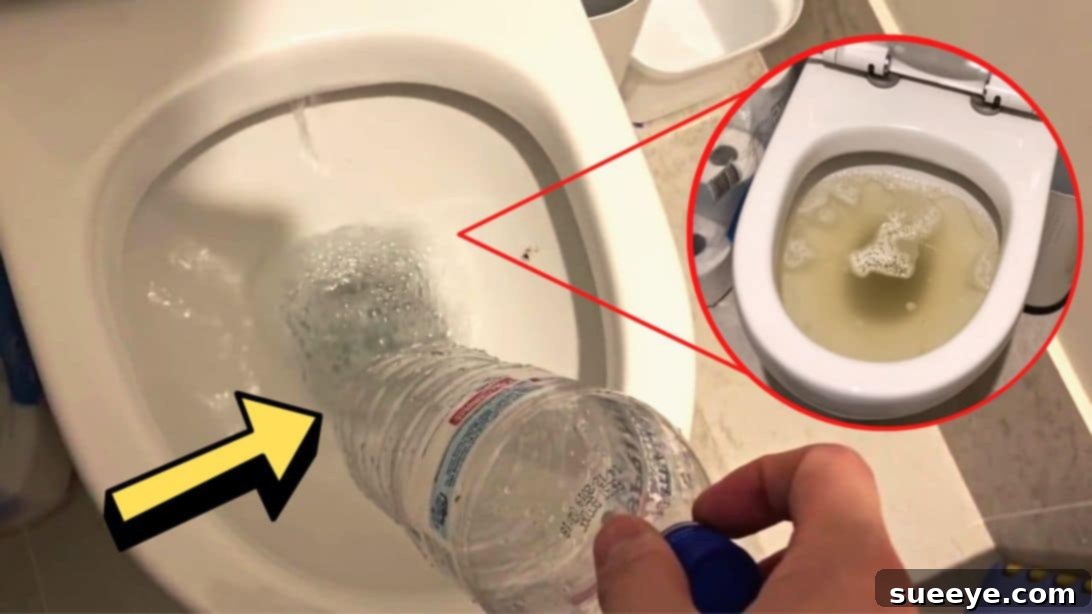
There are few household emergencies as inconvenient and unsettling as a clogged toilet, especially when you find yourself without the most essential tool for the job: a plunger. Whether you’re a guest in someone else’s home, dealing with an unexpected blockage late at night, or simply haven’t replaced your old plunger yet, this common predicament can leave you feeling helpless. Panic can quickly set in, but what if a surprisingly simple, readily available item could save the day? Enter the humble plastic bottle – your unlikely hero in the face of a plumbing crisis. This innovative and incredibly handy hack has proven to be a lifesaver for countless individuals, transforming a moment of panic into a quick, effective solution.
This ingenious method utilizes basic household items to create a makeshift plunger, leveraging principles of pressure and suction to dislodge common blockages. While a dedicated, high-quality plunger remains an indispensable investment for any bathroom, knowing this plastic bottle trick can provide immense peace of mind. It’s a brilliant temporary fix that’s easy to execute, works remarkably well for many common clogs, and best of all, utilizes an item you likely already have around the house. Prepare to turn a potential disaster into a manageable DIY project, all thanks to the resourcefulness shared by plumbing enthusiasts like Handyman for the Everyman, who meticulously tested and demonstrated this peculiar yet highly effective method for unclogging a toilet without a plunger.
Understanding Toilet Clogs and the Plastic Bottle Solution
Before diving into the “how-to,” it’s helpful to understand why toilets clog and how our DIY plastic bottle plunger actually works. Most toilet clogs occur when too much waste or non-flushable items (like excessive toilet paper, wet wipes, or sanitary products) create a blockage in the S-trap or further down the drainpipe. The principle behind effective plunging, whether with a traditional tool or our clever plastic bottle toilet hack, is to create a strong vacuum seal over the drain opening and then use rapid push-and-pull motions to dislodge the obstruction. The sudden changes in water pressure generated by these motions can either push the clog through the pipe or pull it back, breaking it apart and allowing water to flow freely again.
The plastic bottle essentially acts as a makeshift plunger head. By cutting off its bottom, you create an open end that can be inserted into the toilet bowl and sealed against the drain. The flexible nature of many plastic bottles allows them to conform somewhat to the shape of the opening, enhancing the seal. When you push down, you force water and air pressure into the pipe; when you pull up, you create suction. This alternating pressure is key to breaking up and moving stubborn toilet blockages. This emergency toilet repair method capitalizes on basic physics to provide a surprising amount of force for a simple tool.
Materials for Your DIY Toilet Plunger
Gathering your materials for this emergency plumbing solution is incredibly simple. You only need two items, both of which are common household staples:
- Plastic Bottle: A sturdy plastic bottle, preferably one with a handle or a shape that’s easy to grip, is ideal. Bottles from soda, juice, or even some cleaning products (thoroughly rinsed, of course!) can work. Aim for a bottle that’s large enough to cover the drain opening but still fits comfortably into the toilet bowl. A 1.5-liter or 2-liter soda bottle is often perfect due to its rigidity and size, making it an excellent candidate for this no plunger hack. Ensure the bottle is clean to maintain hygiene.
- Scissors: A pair of robust scissors will be needed to cut the bottom off the plastic bottle. Ensure they are sharp enough to make a clean cut through the plastic without too much effort. Utility scissors or kitchen shears are usually best for this task, providing precision and ease when crafting your DIY toilet plunger.
Beyond these essential tools, it’s always wise to have a few extra items on hand for any plumbing job: rubber gloves for hygiene, old towels or rags to catch any splashes, and perhaps a bucket, just in case the water level rises unexpectedly. These additional items will help you manage the mess and maintain cleanliness while you unclog your toilet.
Step-by-Step Directions: How to Unclog a Toilet with a Plastic Bottle
Step 1: Prepare Your DIY Plunger and the Toilet
Your first task is to transform your ordinary plastic bottle into an effective emergency plunger. Take your chosen plastic bottle and carefully cut off the bottom section. An ideal cut will be about half an inch to an inch from the very bottom. The goal is to create an open end that is wide enough to cover the toilet drain but still rigid enough to maintain its shape during the plunging action. A clean, even cut will help create a better seal against the toilet’s drain opening. Once the bottom is removed, you’ll be left with a bottle that resembles a funnel or a makeshift scoop. Always exercise caution when using scissors to prevent injury. This initial preparation is crucial for the effectiveness of your clogged toilet fix.
Before you begin plunging, it’s a good idea to lay down some old towels or newspaper around the base of the toilet. This will help absorb any splashes and protect your flooring. If the toilet bowl is completely full or overflowing, remove some water using a small cup or container into a bucket to prevent spillage during the process. You want enough water to submerge the opening of your plastic bottle plunger, but not so much that it’s at risk of overflowing. Wearing rubber gloves is highly recommended for hygiene purposes throughout this home remedy for clogged toilet.
Step 2: Execute the Plunging Action
With your bottle prepared and your workspace protected, it’s time for the main event to clear the toilet blockage. Carefully insert the cut end of the plastic bottle into the toilet bowl, maneuvering it so that the open end is positioned directly over the drain opening. Try to create as tight a seal as possible between the bottle’s edge and the porcelain surface of the toilet bowl. This seal is crucial for generating effective pressure and suction. The more water you have covering the bottle’s opening, the better the hydraulic seal will be, maximizing the force applied to the clog.
Once you have a good seal, begin plunging with a series of vigorous pull-and-push motions. Imagine you are using a regular plunger – the action is very similar. Push the bottle down firmly, then quickly pull it back up, repeating this motion several times. The goal is to create a strong surge of water pressure that will dislodge or break apart the clog. You should feel a significant resistance and then a release of pressure with each push and pull. Continue this motion for about 10-15 seconds, or until you notice the water level in the toilet bowl starting to recede. This rhythmic motion is key to making this simple plumbing fix effective.
Step 3: Assess and Repeat if Necessary
After your initial round of plunging, gently remove the plastic bottle from the toilet. Now, it’s time to test if your efforts to unclog the toilet have paid off. Slowly flush the toilet or, if you’re cautious about potential overflow, fill the bowl with a large amount of water from a separate bucket and observe if it drains down smoothly and quickly. A successful flush means the clog has been cleared, and your plastic bottle toilet hack has worked!
If the water level doesn’t go down or drains slowly, don’t despair. Some clogs are more stubborn and require additional effort. Simply reposition your plastic bottle plunger and repeat the vigorous push-and-pull motions. You might need to adjust the angle of the bottle or try to get an even tighter seal. Continue plunging and testing as needed, or until the toilet flushes down completely and efficiently. Persistence is key with this hack, and often, a few rounds of plunging are enough to clear most common toilet blockages. Remember, this is a DIY plumbing emergency solution, so be patient and methodical.
When Is the Plastic Bottle Hack Your Best Bet?
This ingenious plastic bottle toilet hack is particularly effective for minor to moderate clogs caused by excessive toilet paper or small objects. It’s an ideal solution when:
- You’re in an immediate emergency and don’t have access to a traditional plunger. This is its primary purpose as an emergency toilet repair.
- You’re away from home (e.g., at a friend’s house, in a vacation rental) and a clog occurs, making it a convenient quick toilet fix.
- The clog is recent and hasn’t had time to become heavily compacted, responding well to hydraulic pressure.
- You prefer a quick, no-cost DIY approach before investing in or retrieving a plunger, making it one of the best home remedies for clogged toilet situations.
Important Considerations and Safety Tips
While this DIY plumbing emergency hack is simple, a few precautions can make the process smoother and safer:
- Hygiene First: Always wear rubber gloves to protect your hands from toilet water, which can contain bacteria. Thoroughly wash your hands and any exposed skin afterward.
- Protect Your Surroundings: Lay down old towels or newspapers to prevent splashes from staining your bathroom floor or walls. This prevents additional cleanup from your clogged toilet fix.
- Avoid Overfilling: If the toilet bowl is very full, remove some water before plunging to prevent overflow and mess. A full bowl dramatically increases the risk of spillage.
- Be Gentle but Firm: While you need to apply force to dislodge the toilet blockage, avoid excessive aggression that could damage the toilet bowl or plumbing. You’re trying to create pressure, not brute force.
- Rinse Thoroughly: After clearing the clog, thoroughly rinse the plastic bottle and your gloves, then dispose of the bottle responsibly if you don’t plan to keep it for future emergencies.
When to Call a Professional Plumber
While the plastic bottle toilet hack is a fantastic emergency solution, it’s important to recognize its limitations. There are situations where a DIY approach simply won’t suffice, and professional help is necessary. You should consider calling a licensed plumber if:
- The clog persists: After several attempts with the plastic bottle (and perhaps even a traditional plunger, if you acquire one), the toilet remains clogged. This could indicate a more severe or deeply lodged blockage that requires specialized tools like a snake or hydro-jet.
- Multiple fixtures are affected: If other drains in your home (sinks, bathtubs) are also draining slowly or backing up, it’s a strong sign of a main sewer line blockage. This is a complex issue requiring professional assessment and repair.
- Foul odors are present: Persistent sewage odors, especially if accompanied by slow drains, can indicate a serious issue within your plumbing system, such as a broken vent pipe or a severe backup.
- Water constantly backs up: If the toilet constantly threatens to overflow or water backs up whenever you use other water fixtures, it’s a clear sign of a significant problem beyond a simple clog, potentially involving the main line.
- There’s structural damage: If you suspect any damage to the toilet itself or the pipes, do not attempt further DIY fixes; call a professional immediately to prevent further costly damage.
Ignoring these signs can lead to more extensive and costly damage to your home’s plumbing system, turning a minor issue into a major headache. Knowing when your DIY plumbing emergency is beyond your scope is crucial.
Preventative Measures to Avoid Future Clogged Toilets
Prevention is always better than a cure, especially when it comes to plumbing. By adopting a few simple habits, you can significantly reduce the likelihood of experiencing future toilet clogs and avoid needing to unclog a toilet without a plunger in the first place:
- Mind What You Flush: The golden rule for toilets is: only flush human waste and toilet paper. Avoid flushing “flushable” wipes (they rarely are), paper towels, feminine hygiene products, cotton balls, dental floss, hair, or any other foreign objects.
- Use Less Toilet Paper: Encourage family members to use only the necessary amount of toilet paper. If you have older plumbing, consider using thinner, rapidly dissolving toilet paper to minimize buildup.
- Educate Children: Teach children what can and cannot be flushed to prevent toys or other items from accidentally falling into the bowl. Explain the consequences of flushing improper items.
- Regular Maintenance: Occasionally pouring a mixture of hot water and dish soap (not boiling water, which can crack porcelain) down the toilet can help break down grease and buildup in the pipes, serving as a proactive home remedy for a clogged toilet.
- Install a Waste Bin: Keep a waste bin next to the toilet for all non-flushable items. This simple addition can drastically reduce what ends up in your pipes, saving you from future toilet blockage solutions.
Beyond the Emergency: The Importance of a Real Plunger
While this plastic bottle toilet hack is a brilliant emergency fix for a clogged toilet, it’s crucial to reiterate that it’s a temporary solution, not a permanent replacement for a dedicated plunger. A high-quality toilet plunger is specifically designed to create an optimal seal and provide the necessary suction and pressure to clear most clogs efficiently and hygienically. There are different types of plungers, with flange plungers being best suited for toilets due to their extended rubber flap that fits snugly into the drain opening. Investing in one is a small price to pay for reliable, stress-free clog removal, ensuring you’re always prepared for the inevitable toilet blockage.
*A special thank you to Handyman for the Everyman via YouTube for demonstrating and providing the inspiration for this incredibly useful and resourceful toilet unclogging method. For more ingenious DIY hacks and practical advice, we highly recommend visiting his channel and subscribing! Your support helps content creators share valuable knowledge with everyone.