
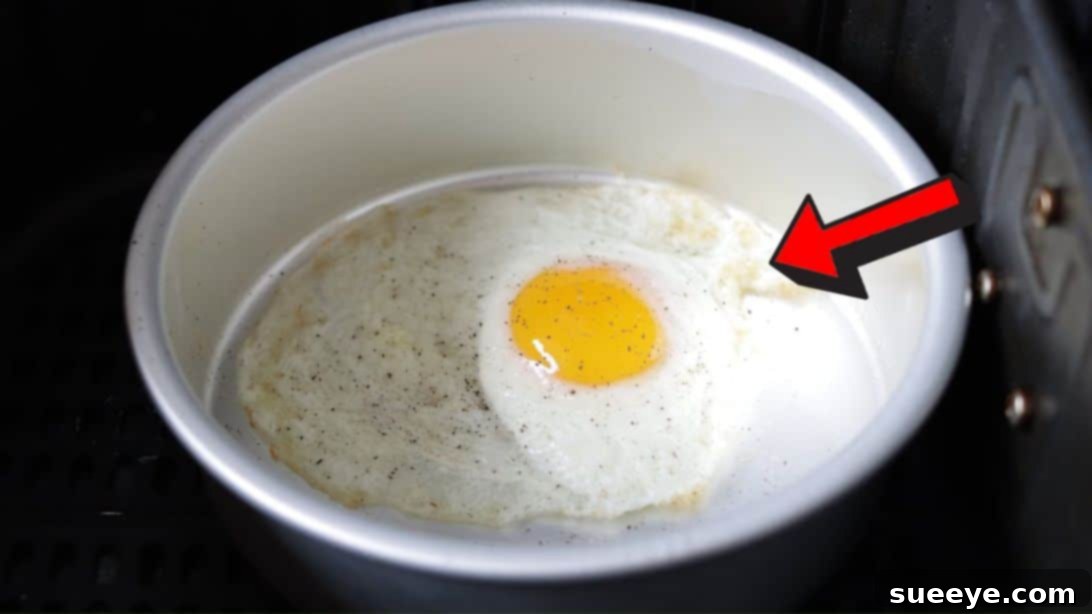
While the traditional stovetop method often reigns supreme for cooking eggs, there are countless scenarios where an air fryer becomes your best friend. Imagine traveling full-time in an RV, facing a temporary kitchen renovation, or simply living in a compact space without conventional cooking appliances. In these moments, knowing how to effortlessly whip up a fried egg in your air fryer is a game-changer. This comprehensive guide will walk you through the simple steps to achieve perfectly cooked fried eggs using this versatile appliance, ensuring you never have to miss out on a delicious breakfast, brunch, or a quick, protein-packed snack.
The air fryer’s popularity has soared due to its ability to deliver crispy, perfectly cooked food with minimal oil, and eggs are no exception. Far from being a niche trick, frying eggs in an air fryer is incredibly easy and yields consistent results. Whether you prefer a runny yolk, a jammy consistency, or a fully firm egg, the air fryer offers precise control. This method is a must-try for all egg lovers seeking convenience without compromising on taste or texture. Beyond the air fryer, it’s worth noting the many innovative ways to cook food without a stovetop, even leveraging appliances like microwaves for quick solutions. But for a truly satisfying fried egg experience, the air fryer stands out.
Why Choose the Air Fryer for Fried Eggs?
Opting for the air fryer to make your fried eggs offers a unique set of advantages that traditional methods often can’t match. Firstly, it’s a remarkably clean cooking method. Say goodbye to oil splatters on your stovetop and countertop – the air fryer keeps everything contained within its basket. Secondly, it requires significantly less oil, making it a healthier alternative for those conscious about their fat intake. You only need a light spritz to prevent sticking, rather than a pool of oil for pan-frying.
Consistency is another key benefit. Air fryers circulate hot air evenly, leading to a uniformly cooked egg with minimal burnt edges or undercooked centers, which can sometimes be a challenge with pan-frying. It’s also incredibly convenient. Once you set the temperature and timer, you can walk away and attend to other tasks, returning to a perfectly cooked egg. This hands-off approach makes it ideal for busy mornings or when you’re preparing multiple breakfast items. For those in small living spaces or temporary accommodations, the air fryer is a compact, multi-functional kitchen essential that simplifies meal preparation.
Essential Tools for Perfect Air-Fried Eggs
Getting started with air-fried eggs requires only a few basic items, most of which you likely already have in your kitchen. The key is to ensure they are suitable for use within your air fryer’s basket.
- Cooking Spray or Cooking Oil: A light coating is essential to prevent the egg from sticking to your pan. Non-stick cooking sprays are convenient, but you can also use a small amount of olive oil, avocado oil, or butter applied with a pastry brush or paper towel. This ensures easy removal and a clean finish.
- Small Oven-Safe Pan or Dish: This is crucial. Your pan must fit comfortably inside your air fryer basket without touching the sides, allowing for proper air circulation. Look for small ramekins, metal pie pans, silicone molds, or other oven-safe dishes. The material should be able to withstand the temperatures of your air fryer. Make sure it has a flat bottom for even cooking.
- Fresh Eggs: The star of the show! Always opt for fresh eggs for the best flavor and texture. Room temperature eggs can sometimes cook a bit more evenly, but eggs straight from the fridge work perfectly fine for this method.
- Spatula: A thin, flexible spatula is ideal for carefully lifting the delicate fried egg from the pan once it’s cooked, ensuring it doesn’t break.
Note: If you don’t have a small pan, some resourceful cooks also use a piece of parchment paper or a silicone baking mat molded into a cup shape directly in the air fryer basket. Just ensure it’s secure and won’t get blown around by the air circulation.
Step-by-Step Guide: How to Fry an Egg in an Air Fryer
Achieving a perfectly fried egg in your air fryer is surprisingly straightforward. Follow these five simple steps for a delicious and hassle-free meal.
Step 1: Prepare Your Pan for Non-Stick Success
Before cracking your egg, it’s vital to prepare your small, oven-safe pan to prevent sticking. Generously spray the inside surface of your pan with cooking spray, ensuring all areas that the egg might touch are covered. Alternatively, if you prefer cooking oil, lightly coat the pan. You can do this by adding a few drops of oil and spreading it evenly with a pastry brush or a paper towel. This initial step is key to ensuring your beautifully cooked egg slides out effortlessly once done.
Step 2: Gently Crack Your Egg into the Oiled Pan
With your pan prepared, carefully crack one egg directly into the center of the oiled dish. Take care not to break the yolk, unless you prefer a scrambled-egg-like texture. If you’re cooking multiple eggs, ensure each egg has its own separate pan or sufficient space if using a larger, divided baking dish, to prevent them from merging as they cook. The goal is a perfectly round, distinct fried egg.
Step 3: Position the Pan in the Air Fryer Basket
Carefully pull out your air fryer basket. Gently place the pan, with the cracked egg inside, into the center of the basket. Ensure the pan sits level and there’s enough space around it for the hot air to circulate freely. This even air circulation is what allows the egg to cook uniformly. Once positioned, slide the air fryer basket securely back into the main unit.
Step 4: Set Your Air Fryer: Temperature and Time for Desired Doneness
This step is where you customize your egg to perfection. Set your air fryer to approximately 375°F (176°C), which is considered a medium-high heat setting. The cooking time will vary depending on how you like your yolk. For a perfectly runny yolk with firm whites, start with 3 minutes. If you prefer a jammy, slightly set yolk, aim for 4 minutes. For a fully firm, well-done yolk, cook for 5 minutes or slightly longer. It’s always a good idea to check on your egg in the last minute of cooking to ensure it’s reaching your preferred doneness, as air fryer models can vary slightly in their heating efficiency.
Step 5: Remove, Season, and Serve Your Air-Fried Egg
Once your egg has reached your desired level of doneness, carefully remove the air fryer basket. Using oven mitts, gently take the hot pan out of the basket. With your thin spatula, carefully slide the fried egg onto a plate. Be gentle to maintain its shape, especially if you have a runny yolk. Immediately season your air-fried egg with a pinch of salt and freshly ground black pepper. Now, it’s ready to be served and enjoyed!
Tips for Achieving Air-Fried Egg Perfection
To elevate your air-fried egg experience and ensure consistent success, consider these expert tips:
- Preheat for Consistency: While not strictly necessary for eggs, preheating your air fryer for 2-3 minutes at the desired temperature can help ensure a more consistent cooking environment and slightly quicker cooking times, especially if you’re making multiple batches.
- Don’t Overcrowd: If you’re cooking more than one egg, use separate small pans or ensure plenty of space between eggs in a larger dish. Overcrowding can hinder air circulation, leading to uneven cooking.
- Adjust for Egg Size: Larger eggs (jumbo or extra-large) may require an additional 30 seconds to 1 minute of cooking time to reach the same doneness as standard large eggs.
- For a Steamed Effect (and Firm Whites): If you prefer very firm whites and a slightly different texture, you can add a tiny splash of water (about 1 teaspoon) to the bottom of your pan before adding the egg, or even loosely cover the pan with a piece of aluminum foil for the first minute or two of cooking. This creates a mini-steaming environment.
- Experiment with Doneness: The beauty of air frying is the control it offers. Don’t be afraid to experiment with 30-second increments to find your absolute perfect yolk consistency. Note your preferred time and temperature for future reference.
- Season After Cooking: Always season your egg immediately after it’s removed from the air fryer. The heat helps the salt and pepper adhere and brings out the flavors best.
Creative Variations and Serving Suggestions
An air-fried egg is a versatile base for countless meal ideas. Elevate your simple fried egg with a sprinkle of shredded cheese (cheddar, mozzarella, or a Mexican blend work well) during the last minute of cooking for a melty, cheesy topping. Add a pinch of your favorite dried herbs like chives or parsley, or a dash of paprika for extra flavor and color. For a spicy kick, a drizzle of hot sauce after cooking is always a winner.
Serve your perfectly air-fried egg on a slice of toasted sourdough, atop a bed of creamy avocado toast, or as the crowning glory on a breakfast sandwich. It’s also an excellent addition to a breakfast bowl with roasted vegetables, a side of bacon, or even a simple green salad for a quick, healthy lunch. Don’t limit fried eggs to just breakfast; they make fantastic additions to ramen noodles, grain bowls, or even burgers.
Frequently Asked Questions About Air Fryer Fried Eggs
Can I cook multiple eggs at once in the air fryer?
Yes, you can! The main consideration is ensuring each egg has its own designated space or pan and that the air fryer basket isn’t overcrowded. If you have multiple small ramekins that fit comfortably side-by-side without touching, you can cook several eggs simultaneously. Just be mindful of air circulation for even cooking.
What kind of pan works best for air fryer fried eggs?
Small, oven-safe dishes are ideal. This includes ceramic ramekins, silicone molds, small metal pie tins, or even small cast-iron skillets if they fit. The key is that the material can withstand air fryer temperatures (typically up to 400°F/200°C) and the pan allows for air circulation around it.
Can I cook other types of eggs in an air fryer?
Absolutely! The air fryer is surprisingly versatile for eggs. You can make hard-boiled or soft-boiled eggs directly in the basket (no water needed), bake eggs in ramekins with various fillings, or even prepare simple scrambled eggs in a heat-proof dish. Each method offers its own benefits in terms of convenience and cleanup.
Is it healthier to cook eggs in an air fryer?
Compared to traditional pan-frying that often uses a generous amount of butter or oil, air frying requires only a minimal amount of cooking spray or a light brush of oil. This reduction in added fats makes air-fried eggs a generally healthier option, while still delivering that satisfying fried egg experience.
Conclusion: Enjoy the Simplicity of Air-Fried Eggs
Mastering the art of making a fried egg in an air fryer opens up a world of convenience and culinary possibilities. Whether you’re short on time, kitchen space, or simply looking for a cleaner, healthier way to prepare your eggs, this method is a clear winner. With just a few simple steps and minimal equipment, you can achieve perfectly cooked, delicious fried eggs every single time. So, pull out your air fryer, crack an egg, and savor the simplicity and delightful taste of this modern kitchen marvel. Enjoy your air-fried eggs!