
Comprehensive Guide to Natural Toenail Fungus Remedies
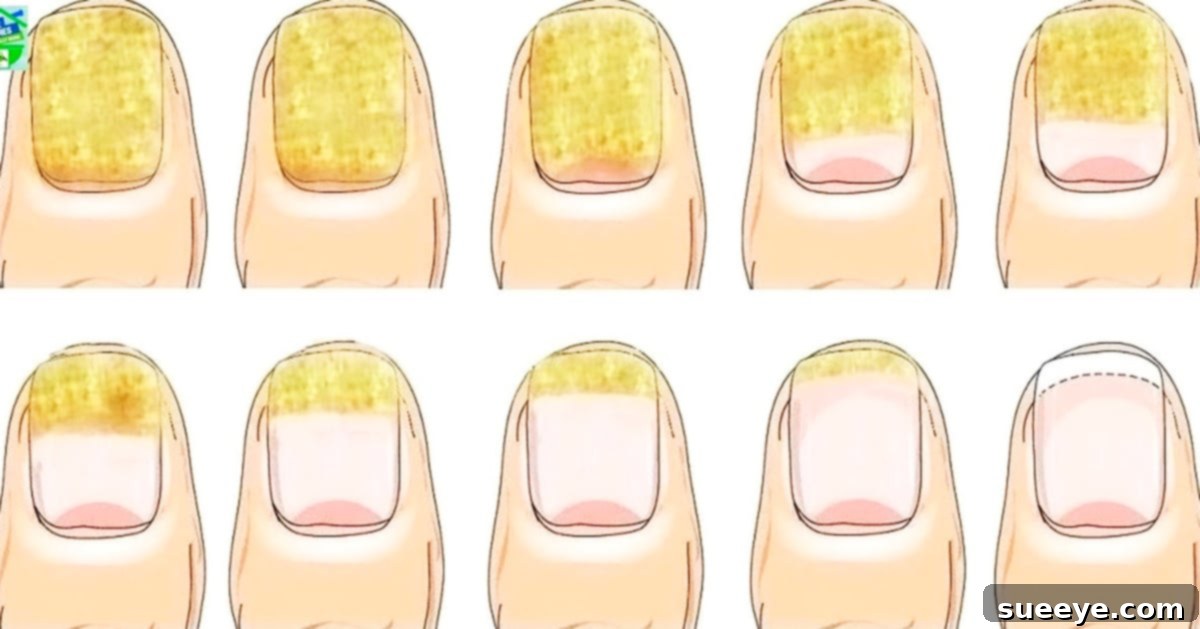
Toenail fungus, medically known as onychomycosis, is a common and often persistent condition affecting millions worldwide. It’s an infection beneath the surface of the nail, caused by fungi, yeasts, or molds. The tell-tale signs are often difficult to ignore: inflammation, swelling, discoloration (typically yellow, brown, or white), thickening, and the crumbling or splitting of the nail. Beyond being an aesthetic concern, an untreated fungal infection can lead to discomfort, pain, and even total loss of the toenail. While there are numerous over-the-counter and prescription treatments available, many people seek natural, cost-effective solutions found right in their homes. This guide explores a range of popular and inexpensive natural remedies that can help combat toenail fungus and restore the health of your nails. For further visual guidance, you can explore various Natural Cures on YouTube offering tips and tricks on product usage and application.
Understanding Toenail Fungus: Causes and Risk Factors
Before diving into treatments, it’s crucial to understand what makes toenail fungus thrive. Fungi are microscopic organisms that don’t require sunlight to survive. They prefer warm, moist, and dark environments, making our shoes and socks ideal breeding grounds. The primary culprits are usually dermatophytes, the same fungi that cause athlete’s foot. However, yeasts and molds can also lead to toenail infections.
Several factors can increase your susceptibility to onychomycosis. Age is a significant factor, as nails can become more brittle and prone to cracking, allowing fungi to enter. Athlete’s foot, if left untreated, can easily spread to the nails. Other common risk factors include diabetes, a weakened immune system, poor blood circulation in the feet, excessive sweating, and minor skin or nail injuries. Regularly wearing tight, non-breathable footwear that traps moisture, or walking barefoot in public damp areas like swimming pools, gyms, and showers, can also contribute to the development and spread of toenail fungus.
Preventing Toenail Fungus: Essential Tips for Healthy Nails
Prevention is always better than cure, especially when dealing with stubborn fungal infections. Adopting a few simple hygiene habits can significantly reduce your risk of developing toenail fungus:
- Maintain Excellent Foot Hygiene: Wash your feet daily with soap and water, paying close attention to the areas between your toes. Crucially, dry your feet thoroughly after washing, as moisture creates a perfect environment for fungi.
- Trim Nails Properly: Always cut your toenails straight across, not too short, and avoid rounding the corners. This helps prevent ingrown toenails and reduces areas where fungus can take hold. Use clean, disinfected nail clippers and files.
- Choose Breathable Footwear: Opt for shoes made of natural, breathable materials like leather or canvas. Avoid tight-fitting shoes that can pinch your toes and create a warm, humid environment. Change your socks daily, especially if your feet tend to sweat. Materials like cotton or wool that wick away moisture are excellent choices.
- Protect Your Feet in Public Areas: Always wear sandals or flip-flops in public showers, locker rooms, swimming pools, and other damp communal spaces to avoid direct contact with fungi.
- Avoid Sharing Personal Items: Do not share nail clippers, files, socks, or shoes with others, as this can easily transmit fungal spores.
Effective Natural Remedies for Toenail Fungus
Many common household items possess antifungal and antibacterial properties that can be harnessed to treat toenail fungus. Consistency and patience are key, as natural treatments often take time to show significant results, typically several weeks to months.
Apple Cider Vinegar
Apple cider vinegar (ACV) is a powerhouse due to its acidic nature. The acetic acid in ACV helps create an inhospitable environment for fungi, inhibiting their growth and spread. At the same time, it possesses mild antibacterial properties that can help prevent secondary infections. To use, mix equal parts apple cider vinegar and warm water in a basin. Soak your affected toenails in this solution for 30 minutes daily. For best results, continue this routine every day for several weeks, or even a few months, until the infected nail grows out and a healthy nail takes its place. Remember to thoroughly dry your feet after each soak.
Tea Tree Oil
Tea tree oil, derived from the Australian tea tree (Melaleuca alternifolia), is renowned for its potent antifungal and antiseptic qualities, largely attributed to a compound called terpinen-4-ol. It’s a popular choice for various skin ailments, including fungal infections. To apply, mix a few drops of pure tea tree oil with one teaspoon of a carrier oil such as olive oil or coconut oil. Using a cotton ball or swab, apply this mixture directly onto the affected toenail and the surrounding skin. Allow it to sit for approximately 10-15 minutes, then gently scrub the nail with a soft toothbrush. Repeat this process 3-4 times a day until the infection clears and healthy nail growth is observed. Always perform a patch test first, as undiluted tea tree oil can be irritating to some skin types.
Baking Soda
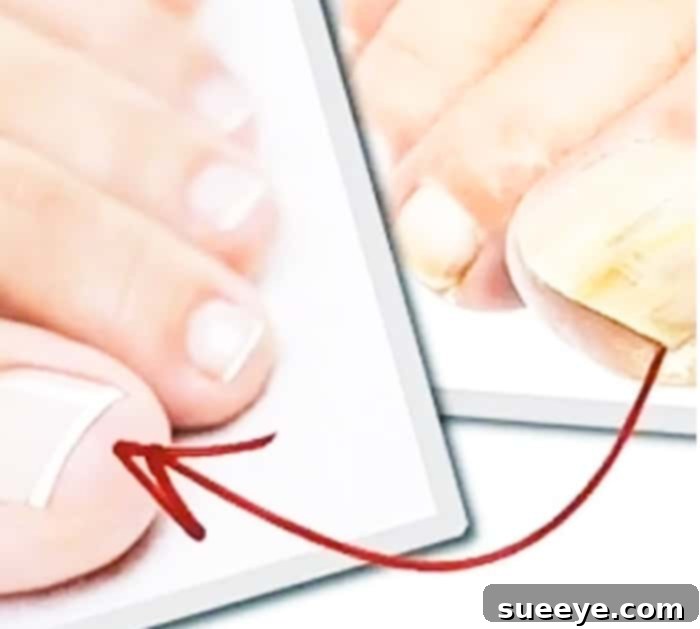
Baking soda (sodium bicarbonate) works by creating an alkaline environment, which can inhibit the growth of fungi, as most fungi prefer acidic conditions. It also has mild antiseptic properties and can help neutralize odors associated with fungal infections. To create a powerful foot soak, combine 1/2 cup of baking soda, 1/4 cup of 3% hydrogen peroxide, and 1/2 cup of Epsom salt in 4 cups of hot water. Stir the ingredients well until they dissolve. Then, add 1/4 cup of white vinegar to the mixture. Soak your affected toenails in this solution for about 10 minutes. This combination leverages the antifungal properties of hydrogen peroxide and vinegar, along with the soothing and deodorizing effects of Epsom salt and baking soda. Consistent application multiple times a week can yield positive results.
White Vinegar
Similar to apple cider vinegar, white vinegar is a common household staple known for its acetic acid content, which can fight against various types of fungi. It’s a simple, effective, and readily available solution for toenail fungus. To prepare a white vinegar soak, mix one part white vinegar with two parts warm water in a basin. Ensure the water is warm, not hot, for comfort. Submerge your affected toenails in this mixture for approximately 10-15 minutes daily. The acidic nature of the vinegar helps to kill the fungus and restore the pH balance of the nail and surrounding skin, making it less hospitable for fungal growth. Regular use is crucial for visible improvement.
Oil of Oregano
Oil of oregano is a highly potent essential oil known for its strong antifungal, antibacterial, antiviral, and anti-inflammatory properties. Its primary active compound, carvacrol, is particularly effective against various fungal strains. Due to its potency, oil of oregano must always be diluted before topical application. Mix 2 drops of pure oil of oregano with one teaspoon of a carrier oil, such as olive oil, coconut oil, or jojoba oil. Apply this diluted mixture directly onto your infected toe and the surrounding skin. Leave it on for at least 30 minutes, or even overnight if comfortable, before rinsing. Perform this treatment once or twice daily. Always do a patch test on a small area of skin first to check for any sensitivity, as it can be quite strong.
Listerine Mouthwash
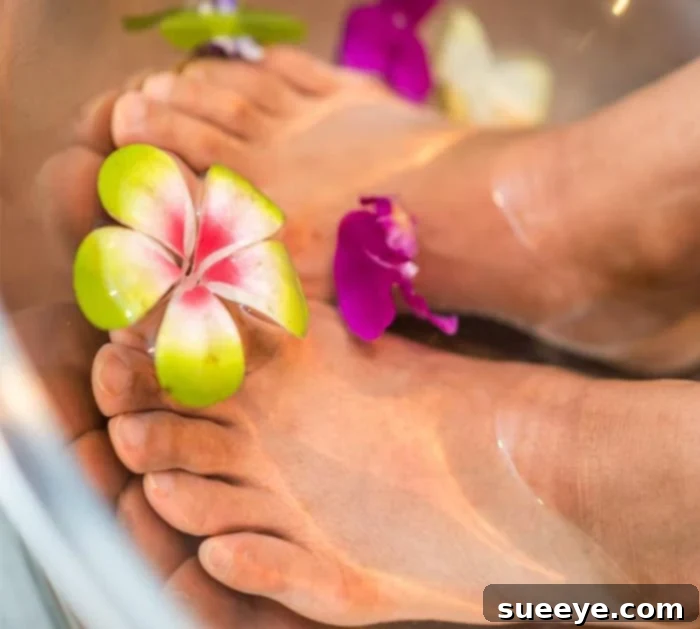
Interestingly, Listerine mouthwash, especially the original amber formula, contains several antiseptic ingredients that can be effective against toenail fungus. Ingredients like menthol, thymol, eucalyptol, and methyl salicylate are known for their strong antifungal and antibacterial properties, typically used to kill germs in the mouth. To use Listerine for toenail fungus, fill a small tub or basin with enough undiluted Listerine mouthwash to cover your affected toes. Soak your foot for about 30 minutes. After soaking, you can lightly scrub the toenail with a clean toothbrush or nail brush to help remove any softened, infected nail material. Repeat this daily for optimal results. The strong antiseptic agents work to kill the fungi and keep the infection from spreading.
Garlic
Garlic has been used for centuries in traditional medicine for its powerful medicinal properties, including its antifungal capabilities. The key active compound in garlic is allicin, which is released when garlic is crushed or chopped. Allicin has demonstrated potent antifungal activity against various types of fungi. To create a topical treatment, you can either use commercially available garlic oil or create your own. Mix garlic oil with an equal amount of white vinegar. Apply this mixture directly onto and around the toenail. For enhanced absorption and protection, cover the treated area with a bandage. Leave the mixture on for a few hours, then remove the bandage and wash your foot. Applying this several times a week can help combat the fungus. Alternatively, crushed fresh garlic cloves can also be applied directly, but caution should be exercised as it can sometimes cause skin irritation.
Important Considerations and When to See a Doctor
While natural remedies offer an accessible and often effective approach to treating toenail fungus, it’s vital to set realistic expectations and understand their limitations. Consistency is absolutely paramount; natural treatments typically require daily application over an extended period—often weeks or even months—to yield noticeable improvements. The infected nail must grow out completely, which is a slow process.
It’s also crucial to maintain impeccable foot hygiene throughout the treatment period to prevent re-infection. If home remedies do not produce results after several weeks, if the infection worsens, if you experience increased pain, or if the nail appears severely damaged, it’s time to consult a healthcare professional. Individuals with underlying health conditions, especially diabetes, should be particularly cautious and seek medical advice promptly if they suspect a toenail fungus infection, as complications can be more severe. A doctor can accurately diagnose the condition and recommend appropriate medical treatments, which might include oral antifungal medications or topical prescriptions.
Conclusion
Battling toenail fungus can be a frustrating experience, but the power of nature offers a convenient and effective arsenal of remedies. From the acidic strength of apple cider vinegar and white vinegar to the potent antifungal properties of tea tree oil, oil of oregano, and garlic, many solutions are readily available in your home. Baking soda and Listerine mouthwash also provide unique benefits in creating an inhospitable environment for fungal growth. By consistently applying these natural treatments and adhering to good foot hygiene practices, you can significantly improve the health and appearance of your toenails. Remember, patience and persistence are your greatest allies on the path to clear, healthy, and beautiful nails.