
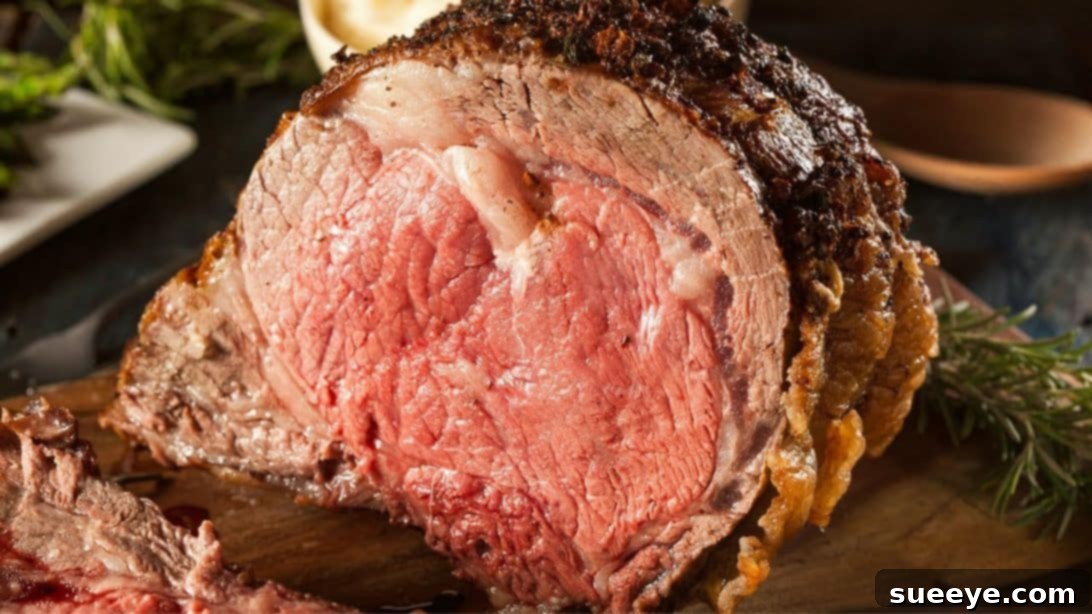
There are few culinary delights that command as much respect and anticipation as a perfectly cooked prime rib roast. Often reserved for the most special occasions, holiday gatherings, or grand celebrations, this majestic cut of beef is the ultimate showstopper. The pressure to impress guests with a succulent, juicy, and tender prime rib can be daunting, but with the right guidance, it’s an achievable feat for any home cook. Imagine carving into a beautifully browned exterior, revealing a rosy, tender interior, all while guests gaze in admiration. This isn’t just a meal; it’s an experience, a centerpiece that creates lasting memories and leaves everyone craving more. For those moments when you truly want to elevate your culinary game and ensure an unforgettable dining experience, a prime rib roast is unequivocally the go-to choice.
Mastering this dish means understanding a few key techniques, from selecting the best cut to precise seasoning, and finally, crafting the perfect accompanying gravy. While many recipes promise perfection, not all deliver with consistent results. That’s why we’re incredibly excited to share a truly fail-proof method that guarantees a mouthwatering prime rib every single time. This comprehensive guide doesn’t just focus on the roast itself; it also provides a fantastic tutorial for making a rich, flavorful gravy using the precious drippings from the meat. This ensures that every component of your meal is infused with deliciousness, creating a harmonious and indulgent experience from start to finish. Prepare to transform your kitchen into a haven of aromatic bliss and delight your guests with a prime rib that will be talked about for years to come.
RELATED: Discover More Delicious Roasts: Easy Pork Roast Stuffed with Garlic Onion Sauce Recipe
Our featured recipe comes courtesy of Camirra’s Kitchen on YouTube, a trusted source known for clear, easy-to-follow instructions and consistently delicious results. What makes this particular recipe stand out is its simplicity combined with its unwavering ability to produce a prime rib that is both incredibly tender and bursting with flavor. Camirra’s approach demystifies the process, making it accessible even for those who might be new to roasting such a premium cut of meat. Beyond the primary focus on the roast, the included tutorial for creating a rich, savory gravy from the rendered pan juices is a game-changer. This ensures that no drop of that precious, meaty essence goes to waste, transforming it into a velvety, umami-packed sauce that perfectly complements the prime rib. It’s a complete culinary package designed for success, helping you achieve a restaurant-quality meal right in your own kitchen.
Ingredients for the Ultimate Prime Rib Roast:
Crafting a truly spectacular prime rib begins with selecting high-quality ingredients and understanding the role each plays in developing deep, rich flavors and achieving that coveted tender texture.
- Prime Rib Roast: Choose a well-marbled prime rib, preferably bone-in, for superior flavor and moisture retention. Aim for a roast that is evenly cut and has a good fat cap for rendering and a crispy exterior.
- 1 stick (½ cup) Unsalted Butter: Essential for creating a rich, flavorful crust and acting as a basting agent. Using unsalted butter allows you to precisely control the overall saltiness of the dish.
- Fresh Rosemary: Opt for fresh sprigs for a vibrant, pungent, and aromatic fragrance that perfectly complements beef. Avoid dried rosemary for this recipe as its flavor can be less intense.
- Fresh Thyme: Like rosemary, fresh thyme sprigs infuse the roast with earthy, slightly peppery, and herbaceous notes. Fresh herbs are crucial for maximum flavor.
- 1½ tablespoons Dijon Mustard: Acts as a tenderizer, adds a subtle tangy depth, and helps the herb crust adhere beautifully to the meat, creating a barrier that locks in moisture.
- ¾ cup Dry Red Wine: A full-bodied dry red wine, such as Cabernet Sauvignon, Merlot, or Pinot Noir, adds significant depth and richness to the pan juices, which are crucial for the gourmet gravy.
- Roughly Chopped Onions: These aromatics form a flavorful bed for the roast in the pan, infusing the drippings with sweet, savory notes and preventing the meat from sitting directly in liquid.
- Minced or Grated Garlic: Fresh garlic provides a pungent, aromatic foundation for both the herb butter mixture and the roast itself, contributing a classic savory profile.
- 1½ cups Beef Broth: High-quality beef broth adds essential moisture and concentrated beef flavor to the roasting pan, forming the liquid base for your rich, homemade gravy.
- Garlic and Herb Seasoning: A pre-mixed blend ensures balanced flavor; look for one with salt, pepper, garlic powder, onion powder, and various dried herbs for convenience and consistency.
- Buttery Steakhouse Seasoning: This blend often contains notes of garlic, onion, and a rich, buttery flavor enhancer, perfect for adding a robust, restaurant-style finish to your beef roast.
- Maggi Seasoning: A unique liquid seasoning that contributes a deep, savory umami flavor, significantly enhancing the overall meaty profile of the roast. A little goes a long way.
- Worcestershire Sauce: A classic beef enhancer, offering a tangy, savory, and slightly sweet kick that penetrates the meat, adding complexity and aiding in tenderization.
- Optional for Gravy: Cornstarch slurry (typically 1-2 tablespoons cornstarch mixed with an equal part cold water until smooth) for thickening the gravy to your desired consistency.
Step-by-Step Guide to Cooking a Perfect Prime Rib Roast:
Achieving a showstopping prime rib involves careful preparation and precise cooking. Follow these detailed steps to ensure a tender, juicy, and incredibly flavorful roast that will become the highlight of your meal.
Step 1: Prepare and Season the Prime Rib
Begin by bringing your prime rib to room temperature. This is a crucial step that promotes even cooking from the edge to the center of the roast, preventing the outer layers from overcooking while the inside remains cold. If it’s been refrigerated, allow it to sit out for at least 2-3 hours before you plan to cook it. As demonstrated in the instructional video, carefully score the fat cap of the prime rib in a crosshatch pattern. This technique serves multiple purposes: it allows the seasonings to penetrate deeper into the meat, helps the fat render more effectively during roasting (resulting in a crispy, golden-brown crust), and prevents the fat cap from shrinking excessively and pulling away from the meat. Place the prepared prime rib on a deep baking sheet or directly into your sturdy roasting pan. Generously rub the entire surface of the roast with Maggi seasoning, ensuring every crevice and scored line is thoroughly coated for an even layer of savory umami flavor. Follow this with a liberal splash of Worcestershire sauce, which adds a tangy depth, a hint of spice, and further helps tenderize the meat. Finally, sprinkle both the garlic and herb seasoning and the buttery steakhouse seasoning all over the roast. Take your time to rub these seasonings in thoroughly, making sure all sides—top, bottom, and ends—are completely covered. This initial seasoning layer is foundational to the rich, complex flavor profile of your prime rib.
Step 2: Craft the Aromatic Butter Mixture and Roasting Bed
In a separate mixing bowl, combine the softened unsalted butter with finely chopped fresh rosemary and thyme, minced or grated fresh garlic, and Dijon mustard. Use a sturdy spoon or spatula to thoroughly mix these ingredients until they are well combined, forming a fragrant, herbaceous paste. Next, pour in approximately three-quarters of the dry red wine (reserving the remaining portion for a later step) and continue to mix until the butter mixture is smooth and harmonious. This aromatic compound butter will be a key player in developing a mouthwatering, golden-brown crust and infusing the meat with incredible flavor. Liberally rub this entire butter mixture all over the seasoned prime rib, ensuring it’s completely coated. The Dijon mustard not only adds flavor but also helps the butter adhere beautifully, creating an even layer that will protect and flavor the roast. Now, prepare your roasting pan: evenly spread the roughly chopped onions across the bottom of the pan. Place additional sprigs of fresh thyme and rosemary directly on top of the onions. This creates an aromatic bed that elevates the roast slightly, allowing air to circulate, promoting even cooking, and infusing the pan drippings with even more savory, herbaceous flavor. This combination sets the stage for both a perfectly cooked roast and an exquisite gravy.
Step 3: Roast the Prime Rib to Perfection
To finalize the roasting setup, pour the remaining dry red wine into the roasting pan, followed by the beef broth. These liquids will combine with the rendered fat and aromatics to create the foundational flavors for your incredible gravy. Place a sturdy roasting rack on top of the onions and herbs in the pan. Carefully transfer the butter-coated, seasoned prime rib onto the rack, ensuring it sits elevated above the liquid. This setup allows for even roasting, prevents the bottom of the roast from boiling, and encourages the formation of that desirable crispy crust. Place the entire roasting pan into a preheated oven. Roasting temperatures and times can vary significantly depending on your specific oven, the size of your prime rib, and your desired level of doneness. Therefore, it’s absolutely crucial to follow the precise temperature and timing guide provided in Camirra’s Kitchen video for accurate instructions. A good quality meat thermometer (either an instant-read or a probe thermometer that stays in the roast) is your best friend here. For a classic medium-rare prime rib, aim for an internal temperature of 120-125°F (49-52°C) when removed from the oven, as the roast will continue to cook and rise in temperature during the resting phase. For medium, target 130-135°F (54-57°C). Once cooked to your preferred doneness, carefully remove the roast from the oven and transfer it to a clean cutting board. Tent it loosely with aluminum foil and allow it to rest undisturbed for at least 20-30 minutes, or even up to 45 minutes for larger roasts. This resting period is absolutely critical; it allows the juices to redistribute throughout the meat, resulting in a significantly more tender, moist, and juicy slice.
Step 4: Craft the Rich Gravy and Serve
While your majestic prime rib is resting, it’s the perfect time to transform those incredibly flavorful pan drippings into a luscious, savory gravy. Carefully strain all the rendered juice and pan liquids from the roasting pan into a clean saucepan. Discard the cooked onions, herb sprigs, and any excess solids, leaving behind only the rich liquid. Place the saucepan over medium heat, bringing the liquid to a gentle simmer. In a separate small bowl, prepare a cornstarch slurry by whisking together 1-2 tablespoons of cornstarch with an equal amount of cold water until it forms a smooth, lump-free mixture. Once the pan juices are simmering gently, slowly whisk in the cornstarch slurry, a little at a time, stirring consistently with a whisk to prevent lumps. Continue to stir gently as the gravy heats and begins to thicken. Cook until it reaches your desired consistency – a velvety, pourable sauce that beautifully coats the back of a spoon. Taste the gravy and adjust seasonings if necessary, adding a pinch of salt or freshly ground black pepper as needed. Once the prime rib has finished resting, carve it against the grain into thick, impressive slices, approximately ½ to ¾ inch thick. Arrange the slices elegantly on a warm platter. Serve immediately, generously spooning the rich, homemade gravy over each portion. This perfectly paired gravy elevates the already magnificent flavors of the prime rib, creating a truly unforgettable and indulgent dining experience for your guests.
Tips for Prime Rib Roast Perfection:
Elevate your prime rib game with these expert tips, ensuring every roast is a masterpiece:
- Invest in a Good Meat Thermometer: This is arguably the single most important tool for cooking prime rib to your desired doneness. An accurate instant-read thermometer or a probe thermometer that stays in the roast during cooking will eliminate guesswork and guarantee perfect results every time.
- Don’t Skip the Resting Time: Resting is non-negotiable! This critical period allows the meat’s fibers to relax and reabsorb the juices that have been pushed to the center during cooking. Carving too soon will cause the juices to run out, leaving you with dry meat. Resting ensures a uniformly juicy and tender roast.
- Carve Against the Grain: Always slice prime rib against the grain of the meat. This technique shortens the muscle fibers, making each bite incredibly tender, easy to chew, and more enjoyable.
- Preheat Your Roasting Pan (Optional): Some chefs prefer to preheat the empty roasting pan in the oven before adding the roast. This can create a better initial sear on the bottom of the meat, enhancing the crust.
- Consider a Reverse Sear (Advanced Technique): While this recipe follows a traditional roasting approach, a reverse sear (roasting at a very low temperature for a longer time, then finishing with a short blast of high heat) can also yield incredible results, ensuring extremely even cooking from edge to edge and a fantastic, crispy crust.
- Make Extra Gravy: A delicious, rich gravy is an integral part of the prime rib experience. If you anticipate a large crowd or simply love gravy, don’t hesitate to double the liquid ingredients for more luscious sauce.
- Leftovers (If Any!): Properly stored, prime rib leftovers are a gourmet treat. They are fantastic for sandwiches, quesadillas, beef tacos, or even a quick beef stir-fry. Store them in an airtight container for up to 3-4 days in the refrigerator.
Serving Suggestions for Your Elegant Prime Rib:
A magnificent prime rib deserves equally delightful and well-paired accompaniments to complete the feast. Classic pairings often include creamy mashed potatoes, which are perfect for soaking up the rich gravy, or fluffy roasted potatoes seasoned with rosemary and garlic. Vibrant green vegetables like roasted asparagus, sautéed green beans with toasted almonds, or a colorful medley of root vegetables (carrots, parsnips, turnips) can add freshness and balance. Yorkshire puddings are another traditional and highly recommended pairing, offering a light, airy texture that complements the rich beef beautifully. A crisp, fresh green salad with a light vinaigrette can also provide a welcome contrast to the richness of the main course. For beverages, a robust red wine like the one used in the recipe (Cabernet Sauvignon, Merlot, or even a bold Zinfandel) will beautifully complement and enhance the savory flavors of the prime rib. To conclude the meal, consider a light and refreshing dessert to balance the richness, such as a fresh fruit tart, a berry crumble, or a simple sorbet.
There you have it – a comprehensive guide to preparing a prime rib roast that is guaranteed to impress even the most discerning palates. This recipe, meticulously inspired by Camirra’s Kitchen, takes the guesswork out of cooking this often intimidating cut of meat, consistently delivering a result that is tender beyond belief, unbelievably juicy, and bursting with rich flavor. From the initial precise seasoning to the final luscious gravy, every step is designed to maximize taste and ensure a truly memorable dining experience for you and your guests. Don’t reserve this culinary masterpiece for just the holidays; any special occasion, or simply a desire for an extraordinary meal, can be elevated by the presence of this truly perfect prime rib. Gather your ingredients, follow these detailed instructions, and get ready to earn rave reviews from your delighted guests!
*All images and recipe inspiration are credited to Camirra’s Kitchen via YouTube. We highly recommend visiting her channel and subscribing for more fantastic culinary insights and delicious recipes!
Frequently Asked Questions About Prime Rib Roast:
Q: What is the best type of prime rib to buy for roasting?
A: For the best flavor, tenderness, and juiciness, look for a bone-in prime rib roast with good marbling (streaks of fat within the lean meat). The bones add flavor and insulation, helping the roast cook more evenly. “Choice” or “Prime” grades of beef are preferable for their higher fat content and quality.
Q: How much prime rib should I plan per person?
A: A general rule of thumb is to plan on ½ to ¾ pound of bone-in prime rib per person. If you’re buying boneless, aim for about ½ pound per person. This usually accounts for a generous serving and potential delicious leftovers.
Q: Is it necessary to score the fat cap of the prime rib?
A: Scoring the fat cap is highly recommended. It allows the seasonings to penetrate more deeply into the meat and helps the fat render more efficiently during roasting, resulting in a crispier, more flavorful crust and a less greasy result. It also prevents the fat cap from shrinking too much and distorting the roast.
Q: Why is resting the prime rib after roasting so important?
A: Resting is crucial for a juicy prime rib. It allows the internal temperature of the roast to equalize and the juices, which have been pushed to the center during cooking, to redistribute throughout the meat. If you carve immediately, these precious juices will run out, leaving you with dry, tough meat. Resting ensures a uniformly juicy and tender roast.
Q: Can I prepare parts of the prime rib recipe ahead of time?
A: Yes, you can. You can season the prime rib and apply the aromatic butter mixture up to 24 hours in advance. Keep it covered loosely in the refrigerator. Remember to bring it back to room temperature for 2-3 hours before you plan to roast it to ensure even cooking.
Q: What internal temperature indicates medium-rare for prime rib?
A: For a perfect medium-rare, remove the prime rib from the oven when its internal temperature reaches 120-125°F (49-52°C). It will continue to rise to about 130-135°F (54-57°C) during the resting period. Always use a reliable meat thermometer inserted into the thickest part of the roast, away from any bones.