
Every DIY enthusiast, crafter, or home repair hero has faced that moment of dread: a super glue mishap. Whether it’s a droplet on your skin, a stubborn blob on a precious surface, or fingers accidentally fused together, the strong, fast-acting nature of super glue (also known as cyanoacrylate adhesive) can turn a simple project into a sticky situation. Unlike ordinary glues that might wash off with water, super glue forms an incredibly strong bond quickly, making its removal seem like a formidable challenge. But fear not! This comprehensive guide is designed to equip you with effective, safe, and easy-to-follow methods for removing super glue from almost anything. We’ll walk you through tested techniques that promise to restore your skin and belongings, ensuring you’re prepared for any sticky situation.
Super glue is renowned for its powerful adhesive properties, making it indispensable for countless repairs and creative projects. Its ability to create a strong, durable bond between various materials – from plastics and metals to ceramics and wood – is a major advantage. However, this strength also means that accidental contact requires a more strategic approach than just soap and water. Understanding the science behind its rapid bonding helps demystify the removal process. The glue cures by reacting with trace amounts of moisture on surfaces, creating a polymer chain that forms a near-instantaneous bond. Our goal is to reverse or break this bond safely and efficiently.
RELATED: How to Remove Hot Glue in Seconds
Before diving into removal methods, a word on prevention and safety is crucial. Always work in a well-ventilated area, wear protective gloves (latex or nitrile gloves are ideal, avoid fabric gloves as glue can bond them to skin), and protect your work surface with newspaper or a plastic sheet. If super glue comes into contact with your eyes or mouth, seek immediate medical attention. For skin contact, avoid aggressive pulling or prying apart skin that has bonded, as this can cause tearing. Remember, staying calm and acting quickly with the right method is key to a successful removal. Keep this article bookmarked if super glue is a frequent companion in your creative endeavors!
Here’s another DIY solution that you might find interesting: How to Repair Broken Glasses with Super Glue and Baking Soda
How to Safely Remove Super Glue From Skin and Various Objects
Accidental contact with super glue is a common occurrence, but with the right approach, it can be removed without damage. Here, we outline the most effective methods, categorized for skin and objects, ensuring you have a solution for every scenario.
1 – Gentle Abrasion (Suitable for Skin and Durable Surfaces)
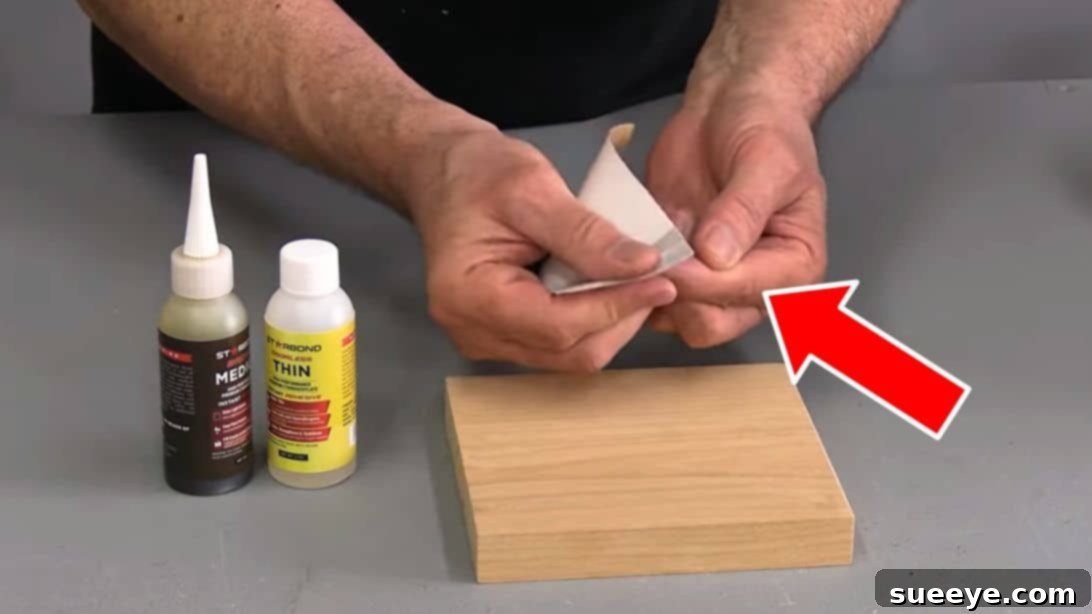
If you find yourself with super glue on your fingers or a non-delicate, flat surface, gentle abrasion can be a surprisingly effective method. The key word here is “gentle.” For skin, once the glue has completely dried and formed a thin layer, you can try using a very fine-grit sandpaper (e.g., 220-grit or higher) or a pumice stone. The goal is to carefully buff away the dried glue without irritating your skin. Work slowly and apply minimal pressure, always in one direction, lifting the glue flakes rather than grinding them into your skin. This method is best for small, dried spots and should never be used on wet glue, sensitive skin, or areas near eyes or open wounds. Alternatives for skin include emery boards or even a sugar scrub, which provides mild abrasive action.
2 – Acetone (The Go-To Solvent for Cyanoacrylate)
Did you know that acetone is a highly effective solvent for cyanoacrylate (CA) glue, which is the main component of super glue? Yes, it can dissolve the strong bonds that super glue forms, making it an invaluable tool for removal. You can easily find acetone in your home, typically as nail polish remover (ensure it specifies “contains acetone” and is not an “acetone-free” formula), or at any nearby hardware or beauty supply store.
Using Acetone on Skin:
For super glue on your fingers or hands, soak the affected area in warm, soapy water for a few minutes to soften the glue and surrounding skin. Then, apply a small amount of acetone to a cotton ball or swab. Gently dab and rub the glue-covered area. Avoid vigorous scrubbing, which can irritate your skin. As the acetone works, the glue will begin to soften, whiten, and peel away. You may need to repeat the process, refreshing the cotton ball as the glue dissolves. Once the glue is gone, wash your hands thoroughly with soap and water, and apply a good moisturizer, as acetone can be drying to the skin. Do not use acetone on sensitive areas like lips, eyelids, or on open wounds.
Using Acetone on Surfaces:
Acetone can also be used effectively on various surfaces such as wood, glass, ceramics, and some plastics. However, extreme caution is advised. Always perform a patch test in an inconspicuous area first to ensure acetone won’t alter the color, finish, or integrity of the material. For wood surfaces, apply acetone to a cloth and gently dab the glue spot. Allow it to sit for a minute or two to soften the glue, then carefully scrape it off with a plastic scraper or old credit card. Repeat if necessary. For non-porous surfaces like glass or metal, you can apply acetone directly. Remember to wipe clean with a damp cloth afterward.
3 – Debonder (Specialized Super Glue Remover)
Another highly effective product specifically designed for removing cyanoacrylate adhesives is a debonder. These specialized removers are formulated to break down the super glue bond efficiently. They often come with an applicator and may have a thicker viscosity compared to liquid acetone, which allows them to stay on the affected area a little bit longer, increasing their efficacy. Many debonders are also formulated to be less harsh on skin than pure acetone, though caution is still advised.
How to Use Debonder:
For skin contact, apply a small amount of debonder directly onto the super glue. Let it sit for the recommended time (check product instructions, usually a few minutes). You’ll notice the glue starting to soften and become gummy. Gently rub the area or use a dull object like a spoon or the edge of a credit card to help lift the softened glue. Repeat the application if needed until all the glue is removed. Afterward, wash the area thoroughly with soap and water. For objects, apply debonder to the glue, allow it to work, then carefully scrape or wipe away the residue. Debonders are particularly useful for larger glue spills or when dealing with delicate finishes that might react poorly to acetone.
Important Note for Acetone and Debonder:
While both acetone and debonder are powerful tools for super glue removal, it is absolutely crucial to test them on an inconspicuous spot first, especially when using them on colored fabrics, finished wood, painted surfaces, or certain plastics. These solvents can sometimes alter the color, dull the finish, or even dissolve the material of the object. A small test area can save you from irreversible damage.
4 – Warm Soapy Water and Oil (Gentler Alternatives for Skin)
For super glue on skin that isn’t too severe or for very sensitive skin areas, warm soapy water combined with oil can be an effective, gentler alternative to solvents. Submerge the affected skin in warm water with a generous amount of dish soap for 5-10 minutes. The warmth and soap help to soften the glue and loosen its grip. After soaking, gently try to peel or roll the glue off with another finger. If this doesn’t work completely, apply a common household oil such as vegetable oil, olive oil, baby oil, or even petroleum jelly to the glued area. Rub the oil into the glue for several minutes. The oil helps to break down the bond and moisturize the skin, allowing the glue to release. This method often requires patience and repeated application but is very safe for skin.
Advanced Methods: Removing Super Glue from Diverse Surfaces
Beyond skin, super glue can find its way onto a myriad of surfaces, each requiring a tailored approach. Here are additional strategies for common household items and materials:
5 – Mechanical Removal and Scraping (For Durable Surfaces)
When solvents aren’t an option or don’t fully remove the glue, mechanical removal can be effective for durable surfaces. For hard, non-porous materials like glass, metal, or some finished woods, carefully use a razor blade (held at a shallow angle to avoid scratching), a plastic scraper, or a utility knife to gently pry or shave off the dried glue. Always work slowly and deliberately, applying minimal pressure. For more stubborn or embedded glue, fine-grit sandpaper (as mentioned earlier) or a sanding block might be necessary, again, always testing on an hidden area first. This method works by physically breaking the glue’s bond or grinding it down, making it suitable for situations where the surface itself can withstand the abrasion.
6 – Freezing (Effective for Fabric and Small Items)
The principle behind freezing is that super glue becomes brittle when exposed to extreme cold. This method is particularly useful for delicate fabrics, clothing, or small objects where chemical solvents might cause discoloration or damage. Place the item with the super glue into a freezer for several hours, or until the glue is completely frozen and hard. Once frozen, carefully remove the item and immediately try to chip, peel, or crack the glue off. You can use a blunt object, like a spoon handle or the back of a butter knife, to gently tap and break the brittle glue. For fabric, you can often gently pick off the pieces. This method is highly effective for loosening the adhesive’s grip, allowing for easier, non-chemical removal.
7 – Lemon Juice or Vinegar (Mildly Acidic Alternatives)
For small, fresh super glue spots on skin or very delicate surfaces where acetone might be too harsh, acidic household items like lemon juice or white vinegar can sometimes help. Apply a small amount of lemon juice or white vinegar to the glue spot using a cotton ball. Let it soak for several minutes. The mild acidity can help to slowly break down the cyanoacrylate bond. This method is generally slower and less potent than acetone or debonder but offers a gentler option for minor incidents. Rinse the area thoroughly with water afterward.
Post-Removal Care and Final Tips
After successfully removing super glue from your skin, always wash the area thoroughly with soap and water to remove any residue from the glue or solvents. Applying a moisturizer is highly recommended, especially after using acetone, to prevent dryness and maintain skin health. For objects, ensure all glue residue and cleaning agents are wiped away. For delicate items, a gentle polish or conditioner might be appropriate to restore their original finish. Remember, patience is key. Avoid aggressive scrubbing or pulling, which can cause more harm than good. If you’re dealing with a valuable or extremely delicate item, or if the glue is in a sensitive area, it’s always wise to consult a professional restorer or a medical expert rather than risking further damage.
Removing super glue doesn’t have to be a stressful ordeal. By understanding the properties of cyanoacrylate and having a repertoire of removal techniques at your disposal, you can confidently tackle any sticky situation. From household staples like acetone and oil to specialized debonders, you now possess the knowledge to keep your skin safe and your belongings pristine. Happy crafting and DIY-ing!