
Beans have long been celebrated as a nutritional powerhouse, a true superfood packed with essential nutrients that contribute significantly to overall well-being. They are an exceptional source of dietary fiber, robust plant-based protein, and a rich array of vitamins and minerals, including iron, folate, magnesium, and potassium. Incorporating beans into your diet can lead to a multitude of health benefits, from promoting a healthy digestive system and reducing issues like constipation to fostering a thriving gut microbiome. Furthermore, their high fiber content helps regulate blood sugar levels, supports heart health by lowering cholesterol, and contributes to sustained satiety, which can aid in weight management.
However, despite their undeniable nutritional value, many people hesitate to embrace beans due to a common, albeit uncomfortable, side effect: gas and bloating. This digestive discomfort can deter even the most health-conscious individuals from enjoying this versatile legume. The good news is that experiencing bloating and excessive gas after eating beans is not an inevitable fate. The secret lies in understanding how to prepare them correctly. Through insightful resources, such as the comprehensive video from Choosing My Health on YouTube, we can learn effective techniques to make beans incredibly digestible, allowing you to reap all their incredible benefits without the unwanted aftermath.
This article will delve into various proven methods for degasifying beans right in your own kitchen. You’ll discover how simple culinary adjustments can transform beans from a potential source of discomfort into a wonderfully stomach-friendly staple. Not only will we cover strategies for preparing dried beans, but we’ll also explore ways to make canned beans more digestible. Moreover, we’ll shed light on which bean varieties are inherently easier on the digestive system and which ones tend to produce more gas, empowering you to make informed choices. Get ready to transform your bean-cooking game and enjoy this remarkable plant-based protein to its fullest!
RELATED BEAN-INSPIRED RECIPES:
- Easy Skillet Cheesy Baked Green Beans Recipe: A delightful and comforting side dish that brings beans to the forefront.
- Instant Pot White Beans Recipe: Perfect for busy schedules, this recipe ensures tender, flavorful white beans with minimal effort.
- White Beans and Ham Soup Recipe: A hearty and savory soup that makes for a complete and satisfying meal.
- Slow Cooker Red Beans and Rice: A classic comfort food, slow-cooked to perfection for maximum flavor and ease.
Understanding the Science: Why Beans Cause Gas and Bloating
To effectively combat the gassy effects of beans, it helps to understand why they occur in the first place. The primary culprits are complex carbohydrates known as oligosaccharides, specifically raffinose, stachyose, and verbascose. Unlike other carbohydrates, humans lack the enzyme alpha-galactosidase, which is necessary to break down these particular sugars in the small intestine. As a result, these undigested oligosaccharides travel to the large intestine, where they become a feast for our gut bacteria.
While beneficial, the fermentation process carried out by these bacteria produces various gases, including hydrogen, carbon dioxide, and methane. This gas accumulation leads to the uncomfortable symptoms of bloating, abdominal discomfort, and flatulence. The good news is that with proper preparation techniques, we can significantly reduce the amount of these gas-producing sugars, making beans much friendlier to your digestive system.
Comprehensive Guide: How to Prepare Dried Beans for Optimal Digestion
Transforming dried beans into a digestive-friendly meal involves several key steps that target the gas-producing compounds. Here are the most effective methods:
1 – The Power of Soaking: Reducing Gas-Producing Sugars
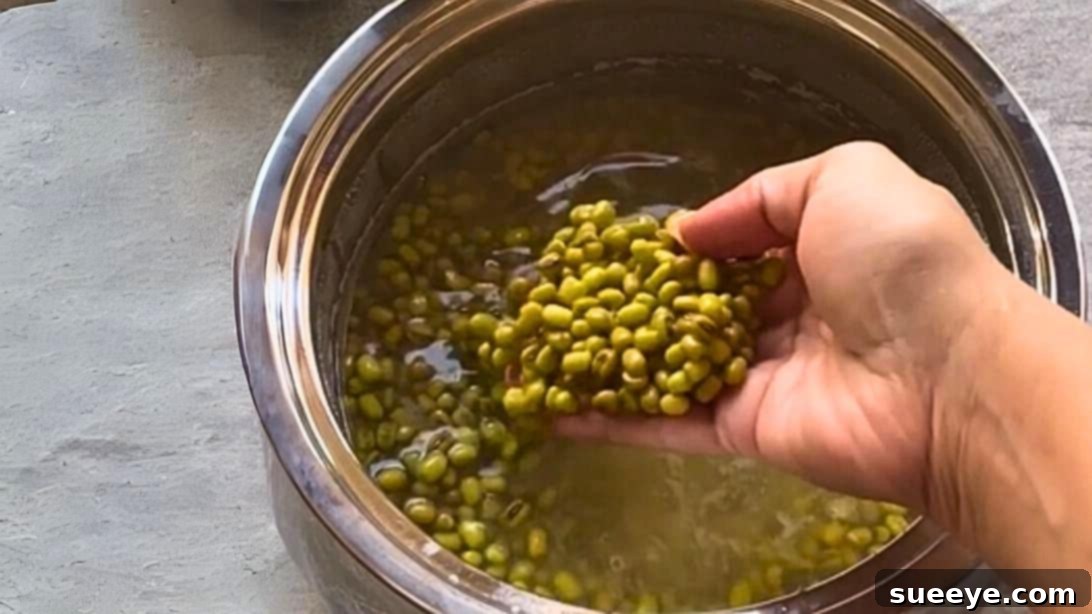
Soaking is perhaps the most fundamental step in preparing dried beans, and it plays a crucial role in improving their digestibility. This process helps to dissolve and leach out a significant portion of the indigestible oligosaccharides into the soaking water. It also rehydrates the beans, reducing cooking time and ensuring a more even texture.
Traditional Long Soak Method:
Place your dried beans in a large pot or bowl and cover them with at least three times their volume in fresh, cold water. Ensure there’s plenty of room for the beans to expand. Let them sit for a minimum of 6 to 8 hours, or preferably overnight (up to 12 hours). For best results, especially with larger beans or if you are particularly sensitive, consider draining the soaking water and replacing it with fresh water once or twice during the soaking period. After soaking, thoroughly drain the beans and rinse them vigorously under cold running water. This step is crucial for washing away the released oligosaccharides.
Quick Soak Method (for time constraints):
If you’re short on time, you can use the quick soak method. Place the beans in a pot and cover them with water (again, at least three times the volume of beans). Bring the water to a rolling boil for 2-3 minutes, then remove the pot from the heat, cover it, and let it stand for 1-2 hours. Drain and rinse thoroughly before proceeding with cooking. While this method is faster, the long soak is generally more effective at reducing gas-producing compounds.
2 – Pressure Cooking: A Rapid Path to Digestibility
The high-pressure environment of an Instant Pot or traditional pressure cooker is incredibly effective at breaking down the tough fibers and complex sugars in beans, making them significantly easier to digest and reducing cooking time dramatically. It’s an excellent method for those who frequently cook beans.
After soaking and rinsing your beans as described above, add them to your pressure cooker. Pour fresh water until it is at least 2 inches (about 5 cm) above the beans. You can add your preferred seasonings, such as bay leaves, garlic, or a strip of kombu (see below for more on kombu). Seal the pressure cooker and set the cooking mode on high pressure for approximately 15-25 minutes, depending on the type and age of the beans. Always refer to your pressure cooker’s manual for specific cooking times. Allow for natural pressure release for 10-15 minutes before quick releasing any remaining pressure. This method not only speeds up the process but also yields perfectly tender beans.
3 – Baking Soda: The Alkaline Advantage
Adding a small amount of baking soda (sodium bicarbonate) to your soaking water is a highly effective, yet often overlooked, method for making beans more digestible. Baking soda creates an alkaline environment that helps break down the pectin in the beans’ cell walls, which are often responsible for their firmness. More importantly, this alkalinity can also assist in neutralizing and breaking down those hard-to-digest oligosaccharides.
For every cup of dried beans, add 1/4 teaspoon of baking soda to your soaking water. Let them soak for a shorter duration of about 3 to 4 hours, or overnight if preferred. It’s crucial to rinse the beans several times after soaking with baking soda to remove any residual taste and the dissolved sugars. This step not only helps with digestion but can also significantly speed up cooking time and contribute to an extra creamy, buttery texture in your cooked beans.
4 – Kombu: The Umami-Rich Digestive Aid
Kombu, a type of edible kelp or seaweed, is a secret weapon in the world of bean cooking. It contains enzymes, notably alpha-galactosidase, which are the very enzymes humans lack to digest oligosaccharides. By adding kombu to your beans during cooking, you’re introducing a natural digestive aid that actively helps break down these complex sugars, making the beans easier on your stomach.
Beyond its digestive benefits, kombu also imparts a subtle yet rich umami flavor to your beans, enhancing their overall taste profile without making them taste “seaweedy.” Simply add a 4-6 inch strip of dried kombu to the pot with your beans and cooking water. You can leave it in during the entire cooking process or remove it before serving, depending on your preference. It’s a simple addition that offers a twofold benefit: improved digestion and enhanced flavor.
5 – Special Seasonings: Nature’s Carminatives
Certain herbs and spices are renowned for their carminative properties – meaning they help prevent the formation of gas or aid in its expulsion. Incorporating these into your bean dishes can make a significant difference in how you feel after eating them.
- Ajwain (Carom Seeds): Widely used in Indian cuisine, ajwain seeds are potent digestive aids. Their strong, pungent flavor works wonders in bean and lentil dishes.
- Epazote: A traditional herb from Mexican cuisine, epazote is often added to bean dishes precisely for its gas-reducing properties. It has a distinctive, strong flavor.
- Ginger: Fresh ginger, whether grated or sliced, is a well-known digestive stimulant that can be added to the cooking water.
- Turmeric: This golden spice is not only a powerful anti-inflammatory but also aids in digestion, making it a great addition to bean recipes.
- Fennel: Often chewed after meals in some cultures, fennel seeds have carminative effects. Add them whole or ground to your bean dishes.
- Cumin: A staple in many cuisines, cumin is excellent for digestion and complements the flavor of most beans beautifully.
Just add a pinch or a teaspoon of these seasonings to your pot while the beans are cooking. Experiment to find your favorite combinations and the ones that work best for your system.
How to Degas Canned Beans: Quick and Effective Tips
While dried beans offer the most control over the degassing process, canned beans are incredibly convenient. Even though they are pre-cooked, they still contain some of the gas-producing oligosaccharides and their canning liquid can be quite rich in them. Here’s how to make canned beans more digestible:
- Rinse and Short Soak: This is the simplest and most effective step. Drain the canning liquid thoroughly, then place the beans in a colander and rinse them vigorously under cold running water for at least 1-2 minutes. You can even go a step further by placing the rinsed beans in a bowl, covering them with fresh water, and letting them soak for 30 minutes to an hour. This short soak helps leach out additional sugars and reduces the sodium content. Always discard the soaking water before use.
- Cook with Acidic Ingredients (Towards the End): Incorporating acidic ingredients like lemon juice, vinegar, or tomatoes into your bean dishes can help break down their cell walls, making them softer and easier to digest. However, it’s crucial to add these acidic components towards the end of the cooking process. Adding them too early can toughen the beans and extend cooking time, especially if you’re simmering them. Once the beans are nearly cooked, introduce your acidic ingredients to enhance flavor and aid digestion without compromising texture.
Beans With the Least Gas and the Most: Making Smart Choices
It’s important to recognize that not all types of beans are created equal when it comes to gas production. Their varying compositions of oligosaccharides and fiber types mean some varieties are naturally easier on the digestive system than others.
Beans that are generally easier to digest (lower gas potential):
- Adzuki Beans: Smaller and quicker cooking, adzuki beans are often considered one of the easiest beans to digest. They are common in Asian cuisine, often used in sweet preparations.
- Black-Eyed Peas: These legumes are known for being relatively low in gas-producing sugars and are a popular choice in Southern US cooking.
- Mung Beans: Small, green, and quick-cooking, mung beans are frequently used in Indian and Asian dishes. They are very tender and generally well-tolerated.
- Lentils (especially red and yellow): Lentils are distinct from beans and are generally much easier to digest due to their smaller size and lower oligosaccharide content. Red and yellow lentils cook quickly and are often used in soups and stews.
If you’re new to beans or particularly sensitive, starting with these varieties and applying the degassing techniques can be a great way to introduce them into your diet.
Beans that tend to cause the most gas (higher gas potential):
- Navy Beans: Also known as haricot beans, these small white beans are famous for their use in baked beans but are also known for their higher gas-producing potential.
- Chickpeas (Garbanzo Beans): A popular choice for hummus and curries, chickpeas are delicious but can be quite gassy for some individuals. They benefit greatly from thorough soaking and rinsing.
- Kidney Beans: These large, dark red beans are a staple in chili and various stews. They are also among the varieties that can cause significant digestive distress if not prepared properly.
For these higher gas-producing beans, it becomes even more critical to employ multiple degassing strategies, such as a long soak combined with baking soda, and pressure cooking with kombu and digestive spices.
The Ultimate Secret to Enjoying Beans the Right Way
There isn’t a single “secret” to perfectly digestible beans; rather, it’s the consistent application of a combination of these intelligent cooking techniques. By understanding the science behind why beans cause gas and thoughtfully applying methods like thorough soaking, utilizing a pressure cooker, incorporating baking soda, leveraging the power of kombu, and seasoning with digestive herbs, you can significantly mitigate the discomfort that often accompanies these incredibly nutritious legumes.
Embracing these practices means you no longer have to shy away from beans. You can confidently enjoy their rich fiber content, satiating protein, and a wealth of micronutrients, knowing that you’ve prepared them in a way that respects your digestive system. Experiment with different beans and methods to find what works best for you and your body. The journey to making beans a comfortable and delicious part of your diet is a rewarding one, unlocking a world of culinary possibilities and profound health benefits.
So, the next time you’re planning a meal, remember these tips. Transform your beans from a source of potential discomfort into a delicious, gut-friendly superfood that fuels your body and delights your taste buds. Your digestive system will thank you!