
How to Store Eggs Long-Term Without Refrigeration: The Ancient Water Glassing Method
Have you ever wondered if it’s truly possible to preserve fresh eggs for months, or even years, without a refrigerator? For generations, homesteaders and savvy individuals have relied on a remarkable, time-tested technique known as water glassing to achieve exactly that. This ancient method allows you to store farm-fresh eggs for an incredible period—up to a year, and sometimes even two—keeping them surprisingly fresh and ready for use. It’s an invaluable skill for enhancing food security, preparing for unexpected emergencies like typhoons or earthquakes, or simply ensuring a consistent supply through the lean winter months when chicken egg production naturally declines.
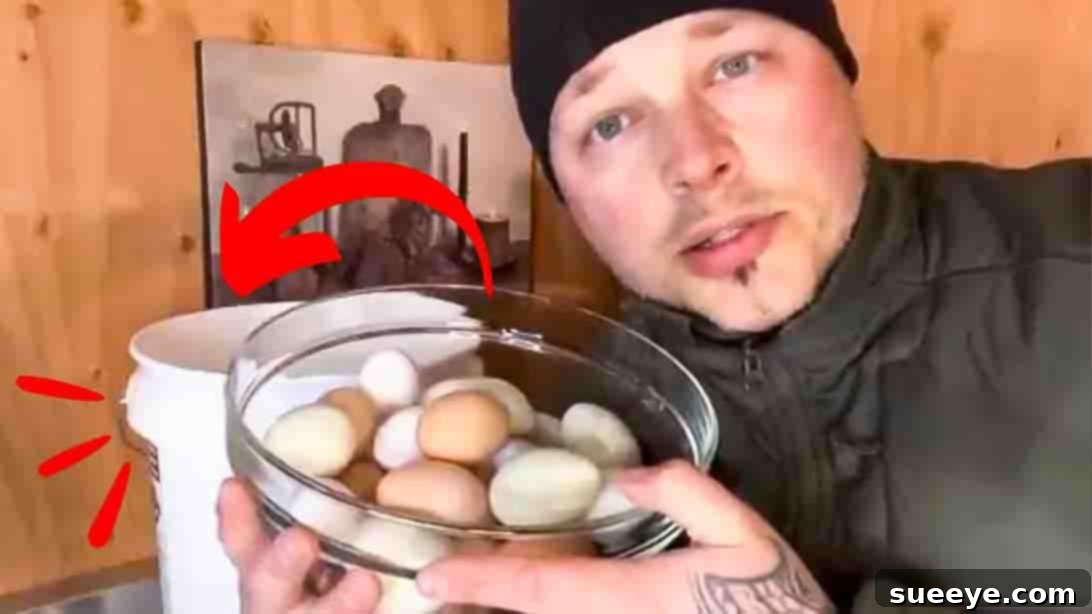
The effectiveness of this method has been beautifully demonstrated by channels like Riverside Homestead Life on YouTube, inspiring countless individuals to embrace self-sufficiency. If you’re looking to safeguard your food supply, reduce waste, or simply explore traditional preservation techniques, water glassing with hydrated lime is a game-changer. This comprehensive guide will walk you through everything you need to know, from the simple materials required to the step-by-step process, and delve into the fascinating science behind its success. Prepare to revolutionize your approach to egg storage and share this incredible knowledge with your community!
The Science Behind Water Glassing: How It Keeps Eggs Fresh
At its core, water glassing works by creating an environment that completely seals the eggshell’s porous surface and inhibits bacterial growth. Fresh eggs naturally come with a protective outer layer called the “bloom” or “cuticle.” This bloom is a marvel of nature, acting as a microscopic shield that prevents bacteria from entering the egg and significantly minimizes moisture loss. Crucially, once an egg is washed, this protective bloom is removed, leaving the egg vulnerable to spoilage and drastically shortening its unrefrigerated shelf life.
The water glassing method leverages a simple yet powerful solution: food-grade hydrated lime (calcium hydroxide) mixed with water. This highly alkaline solution performs two critical functions:
- Sealing the Shell’s Pores: The hydrated lime solution penetrates and effectively seals the tiny pores on the eggshell. This creates an impermeable barrier that replaces and enhances the natural bloom, preventing air and moisture from escaping or entering. This hermetic seal is essential for long-term preservation.
- Creating an Antimicrobial Environment: The high pH level of the lime solution creates an inhospitable environment for most spoilage-causing bacteria and fungi. Microorganisms that typically cause food to spoil struggle to survive and proliferate in such an alkaline medium, thereby preserving the egg’s internal quality for an extended period.
By completely submerging unwashed, farm-fresh eggs in this carefully prepared solution, their internal contents remain stable, fresh, and free from contaminants for an astonishingly long duration, far surpassing the capabilities of standard refrigeration for washed eggs.
Why Embrace Long-Term Egg Storage? Benefits of Water Glassing
The decision to utilize the water glassing method for egg preservation brings a wealth of advantages, establishing it as an indispensable practice for various households and lifestyles:
- Enhanced Emergency Preparedness: In a world of unpredictable events—be it natural disasters, prolonged power outages, or disruptions in the supply chain—having a substantial store of shelf-stable eggs provides a vital, non-perishable protein source. It’s an act of self-reliance that offers peace of mind.
- Optimized Homesteading & Surplus Management: For those raising chickens, egg production is often seasonal. Hens lay profusely in spring and summer but slow down significantly in winter. Water glassing allows you to preserve this seasonal surplus, ensuring you have a steady supply of fresh eggs even when your flock is taking a break.
- Significant Cost Savings: By preserving eggs during times of high production and lower cost, you can effectively hedge against future price increases and reduce your grocery budget over the long run.
- Greater Food Security & Independence: Reducing your reliance on commercial food systems fosters a stronger sense of food security. Knowing you have your own provisions stored away empowers you with greater independence and resilience.
- Consistent Nutritional Access: Properly preserved eggs retain their nutritional value, offering a consistent source of essential proteins and vitamins, especially important when fresh produce might be scarce.
- Reduced Food Waste: This method helps prevent the spoilage of fresh eggs that might otherwise go to waste during peak laying periods.
Essential Materials for Successful Water Glassing:
The success of your long-term egg storage hinges on selecting the correct, high-quality materials. Gather these items before you begin:
- Food-Grade Hydrated Lime (Calcium Hydroxide): This is the cornerstone of the preservation solution. It is absolutely critical to use lime specifically labeled “food-grade,” “pickling lime,” or “calcium hydroxide suitable for human consumption.” Never use garden lime, agricultural lime, or quicklime, as these can contain impurities or be caustic and unsafe for food preservation.
- Food-Grade Buckets with Airtight, Screw-Top Lids: Choose buckets made from virgin plastic, clearly marked as “food-grade” (often indicated by a symbol like a fork and spoon, or the number 2 or 5 in the recycling triangle). The screw-top lid is vital for creating an airtight seal, which prevents both evaporation of the solution and contamination from external elements. Ensure your chosen buckets are meticulously cleaned and sterilized before use to eliminate any existing bacteria.
- Unwashed, Farm-Fresh Eggs: This is arguably the most crucial component. Eggs must be collected fresh, ideally within a few days of being laid, and absolutely *never* washed. The natural protective bloom on the eggshell must remain intact for the water glassing method to be effective. Store-bought eggs from commercial farms are typically washed and thus unsuitable.
- Purified, Distilled, or Boiled Water: Using water free from chlorine, minerals, or other potential contaminants is important. Purified or distilled water is ideal. If using tap water, boil it first and then let it cool completely before mixing with the lime to ensure it’s sterile and free of chlorine.
Step-by-Step Directions: Mastering the Water Glassing Method
Follow these instructions carefully to ensure the successful preservation of your eggs for an extended period.
Step 1: Prepare the Hydrated Lime Solution
Precision in mixing the solution is key to effective preservation. The standard ratio is one ounce of food-grade hydrated lime per one quart of water. For larger batches, such as filling a standard 5-gallon food-grade bucket (which typically holds around 4 gallons of liquid), you would aim for about 4 gallons (16 quarts) of water and 16 ounces of hydrated lime to adequately cover a substantial number of eggs. It’s always wise to prepare slightly more solution than you estimate you’ll need, ensuring all eggs are fully submerged.
Begin by pouring your purified, distilled, or cooled boiled water into your *spotlessly clean* food-grade bucket. Next, carefully add the pre-measured food-grade hydrated lime. Using a long-handled whisk or a clean, non-reactive stirring stick, mix the solution thoroughly until the lime is completely dissolved and evenly dispersed. The mixture will take on a milky, opaque appearance. Allow the solution to settle for a few minutes, then give it another vigorous stir to ensure no lime has settled at the bottom.
Step 2: Gently Add Your Unwashed Eggs to the Solution
With your lime solution ready, it’s time for the crucial step of adding the eggs. Carefully and gently place your unwashed, farm-fresh eggs into the bucket, one by one. It is highly recommended to position the eggs with their small, pointy end facing downwards. This orientation helps to keep the egg’s air cell (which is located at the wider end) at the top. This prevents the air cell from expanding and pushing against the shell, which could potentially lead to cracks or compromise the egg’s integrity over time.
Ensure that every egg is completely submerged in the lime solution. If any eggs float, they will not be properly preserved. You can continue to add more eggs to the same bucket over an accumulation of days or weeks as you collect fresh, unwashed eggs, provided they are always fully covered by the solution. Just gently push down any newly added eggs to ensure they settle beneath the surface.
Once all your eggs are in place and fully submerged, securely attach the rim and tighten the screw-top lid firmly. An airtight seal is paramount for the long-term efficacy of this preservation method, preventing evaporation and outside contamination.
Step 3: Store Your Water-Glassed Eggs in an Optimal Environment
The chosen storage location for your water-glassed eggs plays a vital role in their longevity. Store the sealed bucket in a cool, dark, and clean area where it will remain undisturbed by vibrations or frequent handling. The ideal storage temperature is consistent, typically ranging between 40-60°F (4-15°C). Avoid locations with significant temperature fluctuations, as these can cause the egg’s contents to expand and contract, potentially compromising the shell’s seal and leading to spoilage. A pantry, a dedicated root cellar, a cool basement, or a closet away from direct sunlight, heat sources, and strong odors are all excellent options.
While you can periodically check on your bucket, the best practice is generally to leave it untouched for the duration of its storage, allowing the solution to work its magic.
Step 4: Retrieve and Prepare Your Preserved Eggs for Use
When you’re ready to enjoy an egg from your preserved stash, simply reach into the solution and carefully retrieve one. Immediately after removing the egg, rinse it thoroughly under clean running water. The lime solution will leave a powdery, slightly slick residue on the shell, which must be completely washed off before cracking the egg. You might notice the egg feels somewhat smoother or slipperier than a fresh, unpreserved egg; this is entirely normal.
This is also an opportune moment to perform a quick freshness test: gently place the rinsed egg into a bowl of clean water. A good, fresh egg will typically sink to the bottom and lie flat on its side. An older, but still perfectly good egg, might stand on its end but remain submerged. However, an egg that floats to the surface is likely spoiled due to a large air cell (indicating significant moisture loss and gas accumulation) and should be discarded. The float test is a reliable indicator of an egg’s internal quality.
Water-glassed eggs perform excellently in nearly all cooking and baking applications. They are perfect for scrambling, frying, baking cakes, or incorporating into casseroles. While they are safe to eat, some individuals might find their texture slightly different for very delicate preparations like poaching, or if they are unsure of the egg’s exact age after extremely long storage. Nevertheless, for the vast majority of culinary uses, these eggs will prove to be a fantastic, fresh-ttasting substitute for conventionally stored eggs.
Important Considerations and Tips for Maximum Success:
To ensure your water glassing efforts yield the freshest, longest-lasting eggs, keep these critical points in mind:
- Strictly Use Unwashed Eggs: This cannot be overemphasized. The natural protective bloom is paramount. Any washing will compromise the egg’s ability to be preserved effectively by this method.
- Thoroughly Inspect for Cracks: Before placing any egg into the solution, meticulously check for even hairline cracks. A cracked egg will spoil quickly and can contaminate the entire batch. Discard any compromised eggs.
- Maintain Consistent Temperatures: Stability is key. Significant temperature fluctuations can cause internal pressure changes within the egg, potentially breaking the protective seal created by the lime solution.
- Always Use Food-Grade Materials: From the hydrated lime to the buckets and even the water, ensure everything is certified food-grade to prevent the introduction of harmful chemicals or impurities.
- Handle Eggs with Utmost Care: Be gentle when placing eggs into and retrieving them from the solution to avoid accidental cracking or damage to the shell.
- Label Your Storage Buckets: Clearly label each bucket with the date you started the preservation process. This helps you track the age of your eggs and ensures you use older batches first.
- Occasional Checks (Discreetly): While generally undisturbed, a periodic, gentle check of the solution level to ensure all eggs remain fully submerged and the lid is still tightly sealed can be beneficial.
- Rotation is Good Practice: When using eggs, try to retrieve from the oldest dated bucket first, ensuring you maintain a fresh rotation.
Common Mistakes to Avoid for Safe and Effective Egg Preservation
Being aware of potential pitfalls can prevent disappointment and ensure your water-glassed eggs remain safe and delicious:
- Using Washed or Commercial Store-Bought Eggs: This is the most common and critical error. Commercial eggs are almost always washed, removing their bloom and making them unsuitable for water glassing. Stick to fresh, unwashed eggs from a backyard flock or a trusted local farmer.
- Incorrect Type of Lime: Using agricultural lime, garden lime, or other non-food-grade limes is dangerous and can introduce toxic substances into your food. Always verify it’s food-grade hydrated lime.
- Not Fully Submerging Eggs: Any part of an egg exposed to air will not be properly preserved and is highly susceptible to spoilage, potentially affecting the entire batch.
- Improperly Sealed Lids: A loose or ill-fitting lid allows air to enter and moisture to evaporate, compromising the anaerobic environment necessary for preservation.
- Storing in Fluctuating Temperatures: As discussed, inconsistent temperatures can lead to significant problems, including cracking and spoilage.
- Using Cracked Eggs: Even a tiny crack is an open invitation for bacteria. Never store cracked eggs.
- Failing to Rinse Eggs Before Use: Always rinse the lime residue off the eggshell thoroughly before cracking it to prevent any solution from contaminating the egg’s contents.
Conclusion: Embrace the Power of Long-Term Egg Preservation
The water glassing method, a testament to ancient wisdom and practical homesteading, offers an exceptionally effective and simple solution for storing eggs long-term without the need for refrigeration. It is a powerful tool for achieving greater food security, managing seasonal surpluses, and reducing reliance on modern infrastructure.
Whether you’re an experienced homesteader, a preparedness enthusiast, or simply someone looking for innovative ways to extend the life of fresh produce, this technique is an invaluable addition to your culinary and self-sufficiency toolkit. We extend our sincere gratitude to Riverside Homestead Life for their incredible demonstration and for inspiring so many to embrace sustainable living practices. Give water glassing a try today and discover the amazing peace of mind that comes with having a steady supply of fresh, homegrown, or locally sourced eggs available year-round!
Be sure to explore their channel for more amazing tips, hacks, and insights into self-sufficient and resourceful living.