
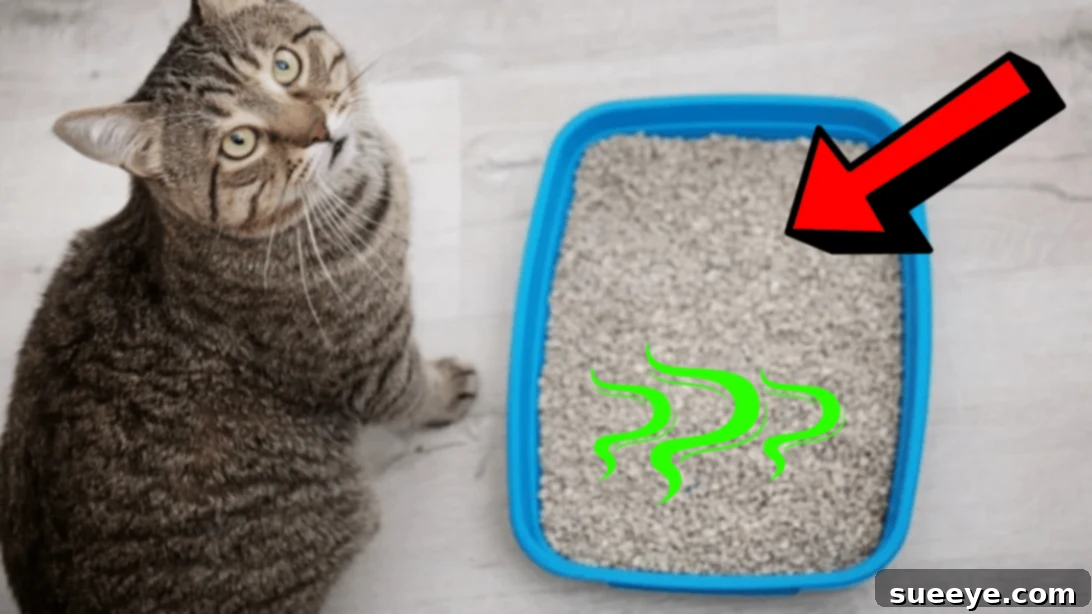
For multi-pet households, especially those with cherished feline companions, investing in a suitable litter box is a smart move. It simplifies the routine of managing their waste, preventing accidents, and maintaining a clean living space. However, the distinct and often pungent odor associated with cat litter can quickly become a significant challenge, pervading your home if not properly addressed. While a cat’s presence brings immense joy, an unpleasant litter box smell can detract from the comfort of your sanctuary.
RELATED: How to Get Rid of Pet Urine Smell
Fortunately, maintaining a fresh-smelling home and a hygienic litter box is entirely achievable with the right approach. This comprehensive guide, inspired by expert tips from sources like Planet of The Cats on YouTube, will equip you with effective strategies to neutralize unpleasant odors and ensure a clean environment for both you and your feline friends. By following these proven methods, you can transform your home into a consistently fresh and inviting space. Let’s delve into the essential steps to eliminate cat litter smell for good.
Understanding the Source of Cat Litter Smell
Before we can effectively combat cat litter odors, it’s crucial to understand what causes them. The primary culprits are ammonia from cat urine and bacteria that thrive in organic waste. When urine decomposes, it releases ammonia, a potent and acrid gas. Feces also contain various volatile organic compounds that contribute to the strong, unpleasant scent. Additionally, bacteria on the litter box surfaces and in soiled litter break down these waste products, intensifying the odor. Factors like a cat’s diet, hydration levels, health status, and the type of litter used can all influence the intensity and persistence of these smells. A proactive approach that targets these root causes is key to long-term odor control.
Top Strategies to Eliminate Cat Litter Odor
Combating litter box smell requires a multi-faceted approach, combining consistent cleaning, smart product choices, and attention to your cat’s well-being. Here are the most effective ways to ensure your home remains fresh and inviting:
1. Consistent and Thorough Litter Box Cleaning
The foundation of any effective odor control strategy is diligent cleaning. Cat urine and feces naturally have strong odors, and if the litter box is not maintained hygienically, it quickly becomes the primary source of unpleasant smells. Consistency is paramount.
- Daily Scooping: The most crucial step is to scoop solid waste and clumps of urine at least once, preferably twice, every day. This prevents waste from sitting and decomposing, which is when odors truly begin to intensify. Removing waste promptly minimizes the time bacteria have to break down organic matter and release foul smells.
- Regular Full Washes: Beyond daily scooping, a full wash of the litter box is essential. Aim to completely empty the box, wash it with warm water and a pet-safe, unscented antibacterial detergent, at least once a week, or bi-weekly for less frequented boxes. For best results, scrub thoroughly, rinse multiple times to remove all soap residue, and allow the box to air dry completely before refilling with fresh litter. This eliminates accumulated bacteria and odor-causing residues that cling to the plastic. Over time, plastic can absorb odors, so a deep clean helps prevent this. Consider replacing plastic litter boxes every 1-2 years, as they can become saturated with odors that are impossible to fully remove.
- Maintaining Your Cat’s Hygiene: While less direct, keeping your cat clean can also contribute to a fresher litter box environment. Regularly grooming your cat, especially if they are long-haired, helps prevent them from tracking dirt or microscopic waste particles from the box around the house or back into the litter.
2. Optimizing Your Cat’s Diet
What goes in often reflects what comes out, and your cat’s diet plays a significant role in the odor of their waste. Certain diets can lead to more pungent urine and feces, leaving a stronger, more unpleasant smell in the litter box. This is particularly true for low-quality foods with fillers or artificial ingredients that are harder for a cat’s digestive system to process.
- High-Quality Cat Food: Opt for high-quality cat food that is rich in digestible protein and free from unnecessary fillers, artificial colors, and preservatives. A diet that is well-suited to your cat’s digestive needs will result in healthier, less odorous waste.
- Hydration: Ensure your cat has access to plenty of fresh water. Good hydration helps dilute urine, making it less concentrated and potentially less odorous.
- Consult a Professional: If you notice a sudden, dramatic change in the smell of your cat’s waste, or if it’s accompanied by changes in stool consistency or frequency, it’s wise to consult a veterinarian. These changes could indicate underlying health issues or suggest that their current diet isn’t suitable. A vet can provide guidance on the best diet recommended for your cat’s specific health needs and age.
3. Leveraging Natural Deodorizers: Vinegar and Baking Soda
Nature provides powerful and safe solutions for neutralizing unpleasant odors. White vinegar and baking soda are two household staples that are incredibly effective in the fight against litter box smell.
- White Vinegar: Vinegar is a natural deodorizing and absorbent agent. Its acidic properties are excellent for neutralizing alkaline odors like ammonia found in cat urine. When you wash a litter box with a diluted vinegar solution (e.g., one part vinegar to one part water), it penetrates and breaks down odor-causing compounds, leaving behind a fresh and naturally deodorized scent. You can also use a diluted vinegar spray on the cleaned box (after rinsing off detergent) or on surrounding surfaces, ensuring it dries completely.
- Baking Soda: Baking soda (sodium bicarbonate) is renowned for its odor-absorbing capabilities. It works by neutralizing both acidic and alkaline odor molecules. While the original text mentions its antibacterial properties, its primary role in odor control is absorption. Sprinkling a thin layer of baking soda at the bottom of the clean litter box before adding fresh litter, or mixing a small amount directly into the litter, can significantly help to absorb odors between scoopings. It’s a non-toxic and pet-safe additive when used in moderation.
- Activated Charcoal: Another natural absorbent, activated charcoal, can be placed near the litter box or mixed into the litter to trap odor molecules. Ensure it’s in a form that won’t be ingested by your cat.
4. Regularly Adding Enzymatic Cleaners
Enzymatic cleaners are a game-changer for deep-seated odors and are highly recommended for comprehensive litter box maintenance. Unlike air fresheners that merely mask smells, enzymatic cleaners actively break down the organic compounds that cause odors.
- How They Work: These cleaners contain beneficial bacteria that produce enzymes. These enzymes “eat” and break down organic matter such as urine, feces, and vomit at a molecular level. This process effectively neutralizes harmful bacteria that produce bad smells and breaks down the uric acid crystals found in cat urine, which are particularly notorious for their persistent odor.
- Application: Enzymatic cleaners can be used directly on the litter box after it’s been cleaned and dried, or on surfaces around the litter box where accidents might have occurred. They are especially effective on porous surfaces like concrete, carpet, or wood that may have absorbed urine odors over time. Regular application, perhaps during your weekly deep clean, can prevent odor buildup.
- Benefits: The primary benefit is true odor elimination rather than just masking. They are also highly effective at removing stains and preventing future recurrence of smells, making them an indispensable tool for pet owners.
Holistic Home Odor Control: Beyond the Litter Box
While the litter box itself is the main focus, a truly fresh home requires a broader approach to odor management. Several other factors contribute to how noticeable cat litter smells become in your living space.
- Choose the Right Litter: The type of cat litter you use makes a substantial difference.
- Clumping Clay Litter: Popular for its ease of scooping and urine absorption, but some can be dusty and scented versions might irritate cats. Unscented is often better for odor control, as scents can mix with urine to create new, worse odors.
- Silica Gel Litter: Excellent at absorbing moisture and odors, often lasting longer between changes. However, it can be more expensive.
- Natural Litters (Pine, Corn, Wheat, Paper): These often offer good odor control and are biodegradable. Pine litter, for example, has a natural, pleasant scent. Experiment to find what works best for your cat and your home.
- Odor-Controlling Litters: Many brands now offer litters specifically formulated with activated charcoal or baking soda for enhanced odor neutralization.
- Optimal Litter Box Placement: Location matters. Place the litter box in a well-ventilated area, away from main living spaces and dining areas, but still easily accessible for your cat. Avoid cramped, poorly ventilated closets where odors can concentrate. A quiet, private spot will also make your cat feel more comfortable.
- Ensure Adequate Ventilation: Good air circulation is key to dispersing any lingering odors. Open windows regularly, use exhaust fans, or consider investing in an air purifier with a HEPA filter and activated carbon filter. Air purifiers are highly effective at trapping airborne odor molecules and cat dander, contributing to overall air quality.
- The “Number of Litter Boxes” Rule: A common recommendation is to have one more litter box than the number of cats you own (e.g., two cats should have three litter boxes). This ensures that each cat has options, reduces competition, and prevents any single box from becoming overloaded too quickly, thus lessening odor accumulation.
- Regular Cleaning of Surrounding Areas: Litter and microscopic urine particles can escape the box and settle on nearby floors, walls, and furniture. Regularly vacuum and wipe down areas around the litter box to prevent these hidden sources of odor from accumulating. Use pet-safe cleaners for these tasks.
- Consider Enclosed Litter Boxes or Litter Box Furniture: While some cats dislike enclosed spaces, an enclosed litter box or specialized litter box furniture can help contain odors and prevent litter tracking. Ensure there is still good airflow within the enclosed space to prevent ammonia buildup for the cat.
*All image credit belongs to Planet of The Cats via YouTube. Follow and subscribe to their channel for more!
Conclusion: A Fresh Home is a Happy Home
Eliminating cat litter smell is not a one-time fix but an ongoing commitment to hygiene and proactive care. By consistently implementing these strategies—from daily scooping and regular deep cleaning to thoughtful litter choices, dietary considerations, and the smart use of enzymatic cleaners and natural deodorizers—you can effectively control and neutralize unpleasant odors. Remember that a fresh-smelling home is not only more enjoyable for you but also contributes to a healthier and happier environment for your beloved feline companions. With dedication and the right tools, you can ensure your home remains a welcoming haven, free from any unwanted pet odors.