
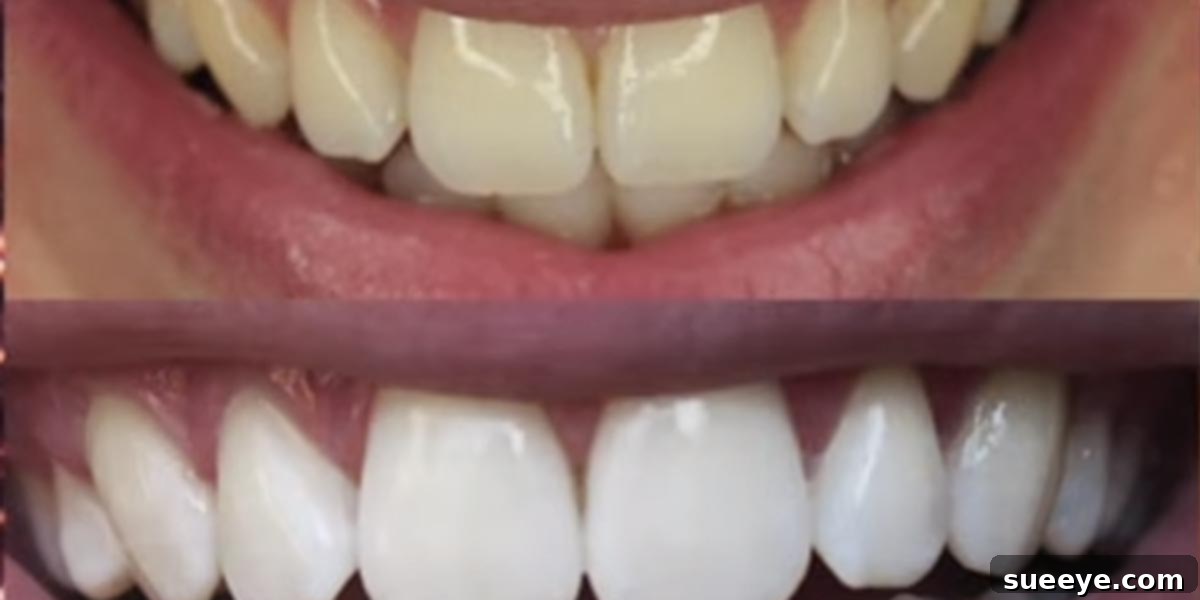
Achieving a radiant, white smile is a universal desire, often associated with good health, confidence, and attractiveness. Many of us gaze enviously at brilliantly white teeth, wondering if the secret lies exclusively with expensive professional dental treatments like laser bleaching. While professional whitening certainly offers dramatic results, the associated costs can be a significant deterrent for many. The good news is that there are accessible, natural alternatives you can explore from the comfort of your own home, potentially saving you hundreds of dollars while still making a noticeable difference to your smile.
Discover a Simple & Natural Way to Whiten Your Teeth in Minutes
Daily habits often contribute to tooth discoloration. Consuming popular beverages such as coffee, tea, red wine, and various sodas can gradually leave your teeth looking dull and stained. Even with diligent brushing, a standard toothbrush can only tackle surface stains to a certain extent. Before you consider flocking to the dentist for a high-cost laser whitening session, or investing in expensive over-the-counter products with varying degrees of success, consider a remarkably easy and natural trick that promises to help whiten your teeth in as little as two minutes!
This method leverages common household ingredients to gently lift stains and reveal a brighter smile. It’s a compelling option for those seeking an immediate boost to their dental aesthetics without a hefty financial commitment.
The Power of a White Smile: More Than Just Aesthetics
Beyond cosmetic appeal, having white teeth is often perceived as a strong indicator of good personal care and excellent dental hygiene. A sparkling, white smile can significantly boost your self-confidence, making you feel more comfortable in social and professional settings. There’s a widespread agreement that a nice, white smile is undeniably attractive. If you’re looking for a quick and effective way to whiten your teeth without depleting your savings, the creative minds, like LizLizLive, have shared a brilliant, budget-friendly solution. The simplicity of this method is its greatest appeal: all you need are two readily available ingredients – a lemon and some baking soda.
The synergy between these two household staples creates a powerful yet gentle whitening agent. A detailed video tutorial, often found accompanying such advice, can walk you through the process step-by-step, ensuring you apply the mixture correctly for optimal results. This natural approach offers an intriguing alternative for anyone eager to enhance their smile efficiently and affordably.
Understanding Tooth Discoloration: Why Our Teeth Lose Their Luster
To appreciate the benefits of any whitening method, it helps to understand why teeth become discolored in the first place. Tooth enamel, the hard, protective outer layer of your teeth, is naturally porous. Over time, tiny particles from foods and drinks can get trapped in these pores, leading to extrinsic stains. Common culprits include:
- Coffee and Tea: These dark beverages contain tannins that easily adhere to enamel.
- Red Wine: Its deep color and acidity contribute significantly to staining.
- Soft Drinks: High acidity and artificial colors can erode enamel and deposit stains.
- Berries and Dark Sauces: Foods like blueberries, blackberries, soy sauce, and tomato sauce are rich in pigments.
- Tobacco: Smoking or chewing tobacco introduces nicotine and tar, which cause stubborn yellow and brown stains.
Beyond these extrinsic factors, intrinsic discoloration, which occurs within the tooth structure, can be caused by aging, certain medications, trauma, or excessive fluoride exposure. While natural remedies are primarily effective against extrinsic stains, they can still make a noticeable difference in overall tooth brightness.
The Natural Solution: Lemon and Baking Soda Explained
This popular DIY teeth whitening method harnesses the unique properties of lemon and baking soda:
- Lemon (Citric Acid): Lemons are highly acidic, containing citric acid, a natural bleaching agent. This acid helps to break down stains and dissolve discoloration on the tooth surface. Its astringent qualities can also help to clean the teeth.
- Baking Soda (Sodium Bicarbonate): Baking soda is a mild abrasive that gently scrubs away surface stains without being too harsh on enamel. It also has a natural alkaline property, which helps to neutralize acids in the mouth, creating a less hospitable environment for stain-causing bacteria.
When combined, the baking soda reacts with the lemon juice to create a fizzy, stain-fighting paste. The mild abrasive action of the baking soda, coupled with the natural bleaching effect of the lemon’s citric acid, works to lift and remove extrinsic stains, leading to a visibly brighter smile.
How to Apply the Lemon and Baking Soda Whitener: A Step-by-Step Guide
The application of this natural whitener is straightforward:
- Prepare the Paste: Take a small bowl and mix a few drops of fresh lemon juice with about half a teaspoon of baking soda. Stir until a foamy paste forms. Adjust the consistency by adding more lemon juice or baking soda as needed, aiming for a toothpaste-like texture.
- Apply to Teeth: Using a clean toothbrush, or even a cotton swab, carefully apply the paste to the surface of your teeth. Ensure an even, thin layer covers the stained areas.
- Allow to Work: Let the mixture sit on your teeth for approximately two full minutes. It’s crucial not to exceed this recommended time due to the acidic nature of the lemon.
- Brush and Rinse: After two minutes, thoroughly brush your teeth with your regular toothpaste to remove all traces of the lemon and baking soda mixture. Follow up with a good rinse of water to ensure your mouth is clean.
Many individuals report an immediate difference after the very first application, especially for minor surface stains. With consistent, albeit cautious, longer-term use of this all-natural teeth whitener, users have often observed significantly improved and sustained results. For those who are regular coffee or tea drinkers, whose teeth accumulate more stubborn stains, it may take several applications before you notice a truly significant difference.
Crucial Precautions and Dental Health Considerations
While the immediate results from this natural whitener can be impressive, it is absolutely essential to approach this method with caution and be fully aware of its potential drawbacks. I consulted with my dentist, and the professional advice is clear: you should not use this method too often. The primary concern stems from the acid present in the lemon, which, if overused, may irritate your gums and, more critically, contribute to the erosion of your tooth enamel.
Tooth enamel is the protective outer layer of your teeth. Once enamel is eroded, it cannot regenerate, leading to increased tooth sensitivity, higher susceptibility to cavities, and a duller appearance. The mild abrasiveness of baking soda can also be a factor if scrubbed too vigorously or used too frequently.
To mitigate these risks:
- Frequency is Key: If you experience any irritation, or as a general precaution, consider an application schedule of “one day on, one day off,” or even every three days. For maintenance after achieving your desired shade, using it just once a week is often a good and safer idea.
- Listen to Your Body: If you notice any increased tooth sensitivity, gum redness, or discomfort, discontinue use immediately.
- Rinse Thoroughly: Always rinse your mouth thoroughly with water after using the mixture to neutralize any remaining acid.
- Don’t Brush Immediately After Acid Exposure: After consuming acidic foods or using acidic remedies, it’s often recommended to wait at least 30 minutes before brushing. This allows your enamel to re-harden, preventing potential damage from abrasive brushing while the enamel is softened by acid.
- Consult Your Dentist: Before embarking on any new home whitening regimen, it’s always wise to discuss it with your dentist, especially if you have pre-existing dental conditions like gum disease, exposed roots, or thin enamel.
The appeal of a natural teeth whitener is undeniable, offering a cost-effective and accessible alternative to professional treatments. However, understanding and respecting the delicate balance of dental health is paramount. Used judiciously and with awareness, this method can be a valuable tool in your oral hygiene arsenal. Ignoring the warnings, however, could lead to irreversible damage.
Beyond Whitening: Maintaining Optimal Oral Health
While DIY whitening methods can certainly enhance your smile, they should always complement, not replace, a comprehensive oral hygiene routine. Maintaining healthy, bright teeth involves several critical practices:
- Regular Brushing: Brush at least twice a day for two minutes with fluoride toothpaste to remove plaque and food particles.
- Daily Flossing: Flossing once a day removes food debris and plaque from between your teeth and under the gum line, areas your toothbrush can’t reach.
- Mouthwash Use: An antiseptic or fluoride mouthwash can help kill bacteria, reduce plaque, and strengthen enamel.
- Healthy Diet: Limit sugary and acidic foods and drinks that can erode enamel and cause stains. Rinse your mouth with water after consuming staining beverages.
- Regular Dental Check-ups: Visit your dentist for professional cleanings and check-ups at least twice a year. Dentists can remove stubborn stains, check for cavities, and offer personalized advice on oral care.
- Avoid Tobacco: Quitting smoking or chewing tobacco is one of the most effective ways to prevent severe tooth discoloration and improve overall oral and general health.
Combining effective daily hygiene with cautious, informed use of natural whitening remedies can lead to a consistently brighter and healthier smile. Watch how Liz (or similar tutorials) demonstrates this in her step-by-step tutorial and get ready to start your journey towards whitening those teeth!
Conclusion: A Brighter Smile, Naturally and Responsibly
The quest for a whiter smile doesn’t always have to involve expensive trips to the dentist or a cabinet full of pricey products. Natural remedies, like the lemon and baking soda paste, offer an enticing, affordable, and immediate way to combat tooth discoloration and boost your confidence. This simple trick provides a compelling solution for lifting surface stains and revealing a noticeably brighter smile, often after just one or two applications.
However, the key to successful and safe natural whitening lies in responsible use. The acidic nature of lemon, while effective at breaking down stains, necessitates careful moderation to protect your precious tooth enamel and gums. By adhering to recommended application frequencies, listening to your body, and understanding the potential risks, you can harness the power of these common household ingredients without compromising your long-term dental health.
Ultimately, a truly radiant smile is a reflection of consistent oral hygiene practices, wise dietary choices, and regular professional dental care. Integrate this natural whitening method judiciously into your routine, complement it with diligent brushing and flossing, and consult your dentist for personalized advice. With a balanced approach, you can unlock the secret to a naturally brighter, healthier, and more confident smile that you’ll be proud to show off.