
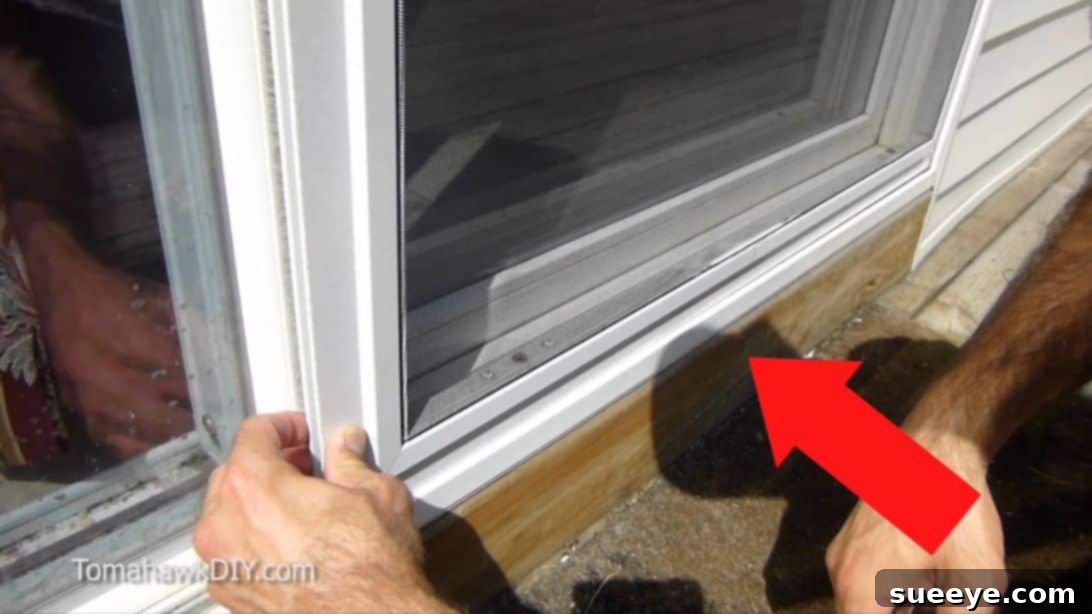
Few things are as frustrating as a screen door that refuses to cooperate. You grab the handle, ready to step out and enjoy some fresh air, only to find it grinding, sticking, or completely getting jammed halfway. This common household annoyance can quickly turn a peaceful moment into a struggle, requiring excessive force and often resulting in a loud, scraping sound that makes you cringe. If you’re tired of wrestling with a stubborn screen door, you’re in the right place. This comprehensive guide will walk you through a surprisingly simple fix that can restore your screen door’s smooth operation in just minutes. We’ll cover everything from identifying the problem to making precise adjustments, ensuring your screen door glides effortlessly once more.
Many homeowners experience the frustration of a stuck screen door. It’s a widespread issue, but thankfully, the solution is often much easier than you might think. Before you consider an expensive replacement or call a handyman, let’s dive into the simple DIY steps that can save you time, money, and a lot of headaches. This method, inspired by expert DIYers, is incredibly effective and requires minimal tools. Get ready to transform your problematic screen door into a seamless entryway, allowing you to enjoy cool breezes and bug-free access to your outdoor space without a hitch.
Understanding Why Your Screen Door Gets Stuck
The primary culprit behind a screen door that won’t slide smoothly is almost always related to its rollers or the track it runs on. Over time, these components can suffer from various issues, leading to the frustrating resistance you experience. The rollers, typically small wheels located at the bottom of the door, are designed to glide effortlessly along a metal track. However, they can easily slip out of this track due to everyday wear and tear, sudden impacts, or even the natural shifting of your home’s foundation. When a roller comes off its track, the door no longer has proper support, causing it to drag, tilt, and eventually get stuck.
Beyond misaligned rollers, other factors can contribute to a sticky screen door. Accumulation of dirt, dust, pet hair, and debris in the tracks can create significant friction, impeding the rollers’ movement. Bent or damaged tracks can also prevent smooth operation, as can worn-out or broken rollers. Ignoring these issues can lead to more severe damage over time, such as bent door frames, cracked screens, or even completely broken rollers, making the problem harder and more costly to resolve. Addressing the issue promptly with the right technique is key to maintaining your screen door’s longevity and functionality.
Materials You’ll Need for This Simple Screen Door Fix
One of the best aspects of this DIY screen door repair is how few tools it requires. You likely already have everything you need right in your kitchen drawer!
- Putty Knife or Butter Knife: This is your essential tool. A putty knife is ideal due to its thin, flat blade and sturdy handle, perfect for prying and lifting. If you don’t have one, a sturdy butter knife can serve as an excellent substitute. Ensure it’s not too flimsy, as you’ll need it to apply a bit of leverage.
- Optional but Recommended:
- Work Gloves: To protect your hands from potential sharp edges or grime.
- Brush or Vacuum: For cleaning debris from the tracks once the door is lifted.
- Silicone-Based Lubricant: A dry lubricant can help ensure super-smooth operation after the fix, especially in humid environments. Avoid oil-based lubricants, as they can attract more dirt.
Gathering these simple items before you begin will ensure a smooth and efficient repair process, allowing you to quickly get your sliding screen door back in perfect working order.
Step-by-Step Instructions to Fix Your Stuck Screen Door
Follow these easy steps to diagnose and repair your screen door, restoring its smooth glide and eliminating that annoying grinding sound.
Step 1: Diagnose the Problem and Observe Your Screen Door
Start by carefully examining your screen door’s movement. Does it hesitate, drag, or get completely stuck when you try to slide it? Pay attention to where it struggles most. Often, the clearest indicator is that one side of the door appears to sag or rub against the frame more than the other. This misalignment is a classic sign that one or both of the bottom rollers have come off their designated track. You might also notice a distinct grinding or scraping sound as you attempt to move the door, further confirming that metal or plastic components are making improper contact. Identifying these symptoms early will help you pinpoint the exact area requiring attention and ensure a targeted, effective repair.
Don’t force the door if it’s severely stuck, as this can exacerbate the problem, damage the door frame, or even crack the screen mesh. Instead, gently attempt to move it back and forth a few times, listening and observing carefully. Note which side of the door is causing the most resistance. Is it the leading edge, the trailing edge, or somewhere in the middle? A quick visual inspection of the bottom edge of the door might even reveal a roller that’s visibly out of place or sitting at an odd angle.
Step 2: Pinpoint the Misaligned Roller
Once you’ve confirmed your screen door is struggling, the next crucial step is to identify precisely which roller (or rollers) is causing the issue. This is usually quite straightforward. As you gently try to move the screen door, observe which side is closer to the edge of the frame than it should be. The side where the door is dipping or rubbing is typically the side with the dislodged roller. You’ll often hear a distinct grinding or scraping sound originating from this specific area when you attempt to slide the door, which acts as an auditory clue. Sometimes, you can even visually inspect the bottom edge of the door by crouching down, looking for a roller that isn’t sitting flush on the track or is completely off it. Identifying the troubled spot will ensure you focus your efforts precisely where they’re needed.
Take your time with this step, as correctly identifying the misaligned roller will make the subsequent steps much easier and more effective. You might even feel a slight difference in resistance when pushing on one side versus the other. This tactile feedback, combined with visual and auditory cues, will lead you directly to the source of the problem.
Step 3: Lift the Screen Door to Access the Roller and Track
Now that you’ve identified the problematic area, it’s time to gently lift the screen door. Take your putty knife (or butter knife) and carefully insert it into the gap between the bottom edge of the screen door and the track. Position the knife near the area where you suspect the roller is off the track. Using the knife as a lever, gently but firmly push the screen door upwards. You don’t need to lift it completely out of the frame; just raise it enough – typically an inch or two – to create a visible gap between the door’s bottom frame and the track itself. As you lift, you should be able to clearly see the grooved wheel of the roller. This grooved wheel is designed to sit directly on top of the narrow metal rail of the track, allowing for smooth, friction-free movement. If it’s off, you’ll see it hanging loosely or completely misaligned with the track. This momentary lift provides the necessary space to reseat the roller properly.
While the door is lifted, take a moment to inspect the track itself. Is it clean? Are there any visible obstructions like dirt, pet hair, or small pebbles? A quick clean with a brush or a vacuum can go a long way in preventing future issues and ensuring an even smoother glide once the repair is complete. This is also a good opportunity to visually check the condition of the rollers; while this guide focuses on reseating them, severely damaged or missing rollers would require a different repair (replacement).
Step 4: Reseat the Roller onto the Track
With the screen door slightly lifted (as in Step 3), focus on the misaligned roller. This is where a bit of finesse comes in. While maintaining the upward pressure on the door with your putty knife, you will need to apply a slight horizontal pressure. If the door isn’t moving easily in one direction, try the other side of the wheel. This technique helps guide the grooved roller back onto the metal track. Gently push the screen door horizontally towards the track until you feel or see the roller’s groove settle securely over the metal rail. It should drop into place with a subtle click or a feeling of engagement. Once you’re confident the roller is back on the track, slowly release the upward pressure from your putty knife, allowing the door to settle down onto its rollers.
Once the door is back down, test its movement immediately. Slide it back and forth several times to ensure it glides smoothly without catching or making any grinding noises. If it still feels a bit off, repeat Step 3 and 4, ensuring the roller is perfectly aligned. Sometimes, a very slight adjustment in angle while applying the horizontal pressure is all it takes to get it just right. The goal is to feel the effortless glide you experienced when the door was new.
Advanced Tips and Troubleshooting for a Smooth Sliding Screen Door
While the steps above will resolve most common screen door issues, sometimes a little extra attention is required. Here are some advanced tips and troubleshooting methods to ensure your screen door remains in top condition.
Adjusting the Rollers with Screws
Many modern screen doors come equipped with small adjustment screws located on the bottom edge, often near the rollers. These screws allow you to fine-tune the height of the rollers. If your door is still rubbing slightly after reseating the rollers, or if one side consistently feels heavier, these screws can be incredibly useful. Turning the screw clockwise typically raises the roller, lifting that side of the door, while turning it counter-clockwise lowers it. Make small, incremental adjustments (e.g., a quarter turn at a time) and test the door’s movement after each adjustment. This helps you achieve the perfect balance and ensures the door floats smoothly above the track without making contact with the frame.
Cleaning and Lubricating the Tracks
Even perfectly aligned rollers can struggle if the track is dirty or lacks lubrication. Regularly cleaning your screen door tracks is crucial for smooth operation and longevity. Use a stiff brush or a vacuum cleaner with a narrow attachment to remove accumulated dirt, dust, pet hair, and other debris. For stubborn grime, a damp cloth with a mild detergent can work wonders, followed by a thorough drying. Once clean, apply a silicone-based lubricant to the track. Silicone sprays are excellent because they create a dry, slick surface that repels dirt, unlike oil-based lubricants which can attract and trap debris, making the problem worse over time. Lubricate generously but wipe off any excess to prevent buildup.
Dealing with Damaged Rollers or Tracks
If, after following all the steps, your screen door still doesn’t slide properly, or if you visually identify a bent track or a cracked/broken roller, a simple reseating might not be enough. In these cases, you might need to consider replacing the damaged rollers or, in rarer cases, the entire track. Replacement rollers are readily available at most hardware stores and are usually quite inexpensive. Replacing them typically involves removing the screen door from its frame entirely, unscrewing the old rollers, and installing new ones. For a bent track, minor bends can sometimes be straightened with pliers, but severe damage may necessitate professional help or a track replacement kit.
Preventative Maintenance for Long-Lasting Smoothness
To prevent your screen door from getting stuck in the future, incorporate these simple maintenance routines:
- Regular Cleaning: Clean tracks and rollers every few months, especially if you live in a dusty or high-traffic area.
- Periodic Lubrication: Reapply silicone lubricant once or twice a year, or whenever you notice the door’s movement becoming less smooth.
- Gentle Operation: Encourage everyone using the door to slide it gently, avoiding harsh slamming or forcing it open, which can dislodge rollers.
- Seasonal Checks: Inspect your screen door’s components at the change of seasons, looking for any signs of wear or misalignment.
The Benefits of a Smoothly Sliding Screen Door
A properly functioning screen door offers more than just convenience. It significantly enhances your living space by allowing fresh air to circulate throughout your home without inviting pesky insects indoors. This can lead to improved air quality, reduced reliance on air conditioning, and a more pleasant indoor environment. Furthermore, a screen door that slides effortlessly prevents unnecessary wear and tear on the door frame and the door itself, extending its lifespan and saving you money on potential repairs or replacements. It also contributes to the overall aesthetic appeal of your home, signaling that you maintain your property with care. Ultimately, a smooth-sliding screen door transforms a point of frustration into a seamless transition between your indoor and outdoor living areas, enhancing your everyday comfort and enjoyment.
Don’t let a stuck screen door diminish your enjoyment of your home. With this guide, you now have the knowledge and tools to tackle this common problem confidently and efficiently. Embrace the satisfaction of a successful DIY project and enjoy the renewed ease of your screen door’s operation.